
I. Introduction: Searching for the One Pan to Rule Them All
In the quest for culinary perfection, the search for the ideal cooking pan is a journey every home cook or professional chef undertakes. With the multitude of options available – from ceramic pans, stainless steel pans, cast iron skillets, to aluminum pots and more – it’s easy to get lost in a sea of cookware choices. And while there’s no one-size-fits-all solution when it comes to cookware, finding that one pan that can handle the majority of your cooking tasks can transform your kitchen experience. This article aims to help you navigate this quest, delving into the strengths and weaknesses of different types of cookware, and ultimately helping you answer the question: What is the only cooking pan you’ll ever need?

II. Different Pots and Pans: An Overview of Material Types
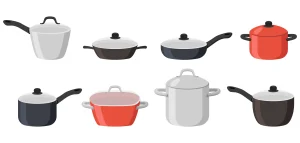
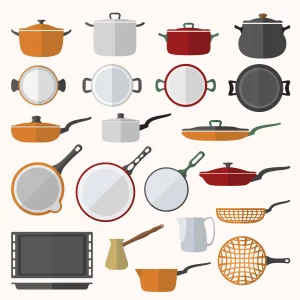
Each type of cookware has its strengths: cast iron skillets are durable and retain heat well, ceramic pans offer non-stick convenience and style, stainless steel pans withstand high heat and are non-reactive, aluminum pots are light and affordable, carbon steel skillets balance heat retention and response, and non-stick pots and pans offer easy cleaning and healthier cooking. Each material brings unique benefits to your cooking experience.
A. The Classic Cast Iron Skillet: A Kitchen Staple
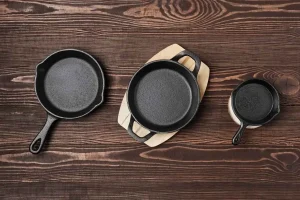
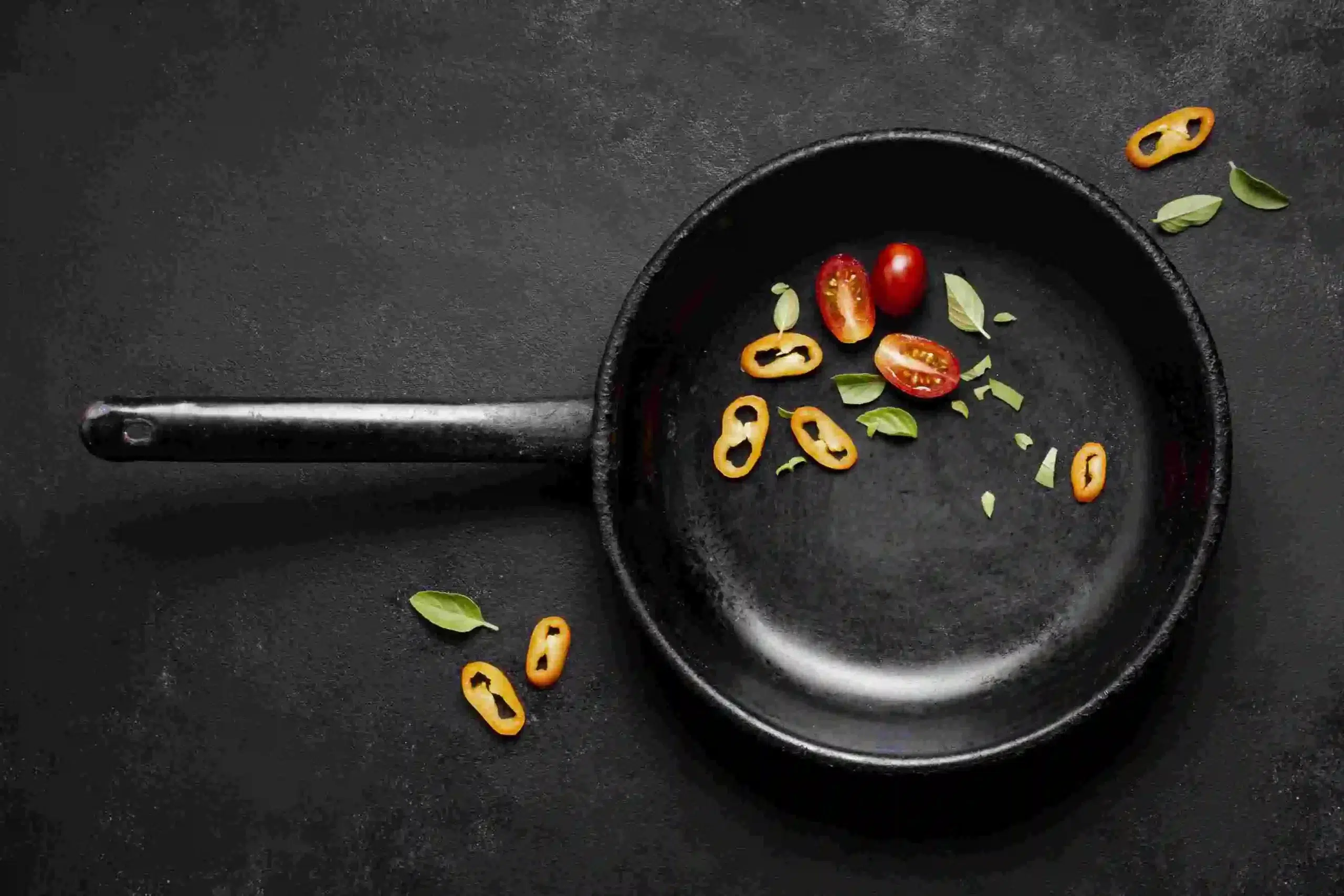
The cast iron skillet is a time-honored favorite, renowned for its durability and superior heat retention. Its high heat capacity makes it the perfect choice for searing meats and other high-temperature cooking methods. With time and use, it develops a natural non-stick surface, enhancing the flavors of your dishes.
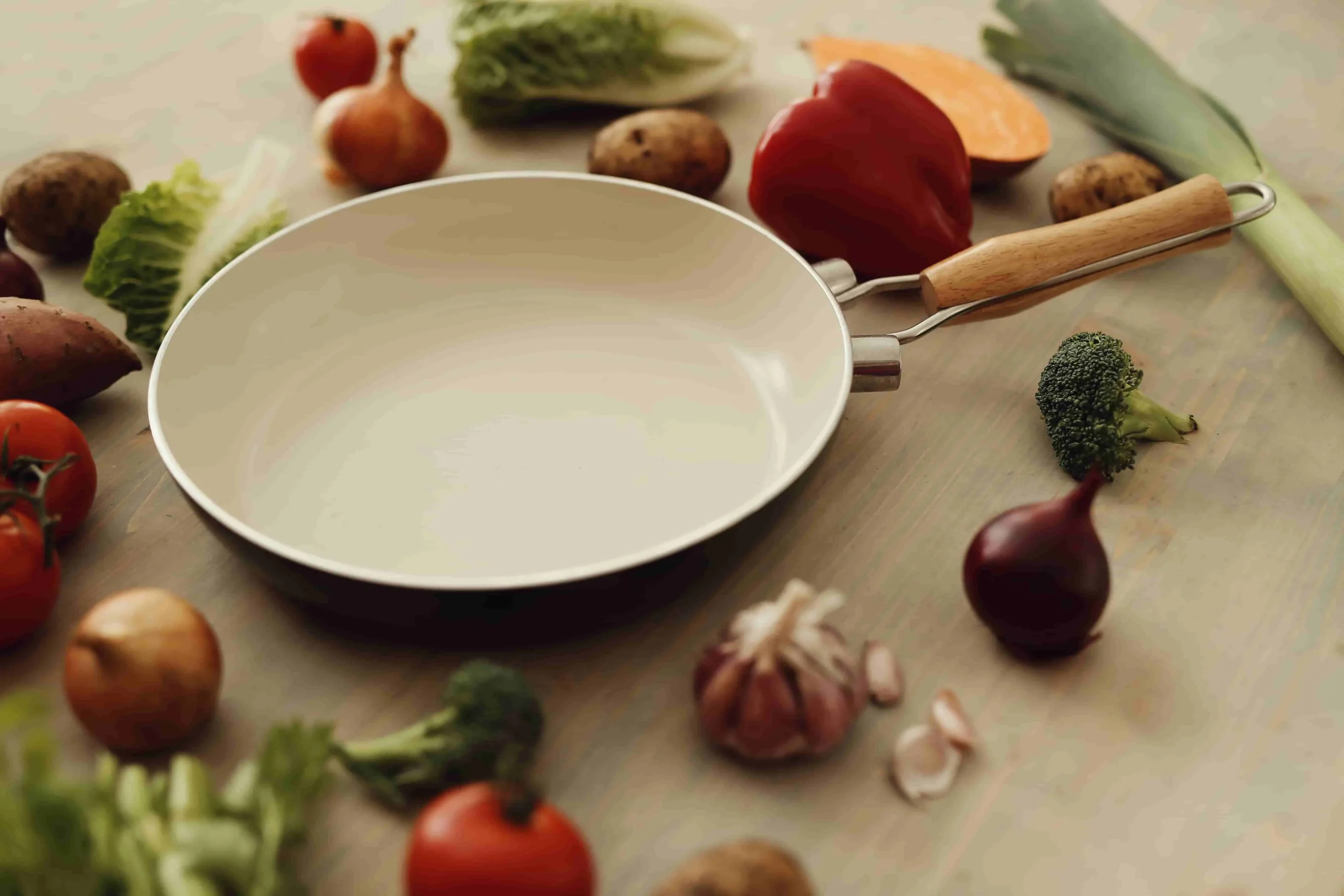
B. Ceramic Pans: Non-stick and Versatile
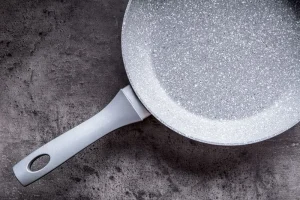
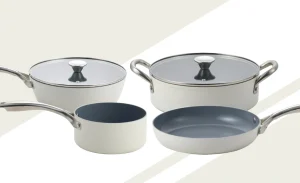
Ceramic pans are beloved for their non-stick capabilities and heat distribution. They’re perfect for low-fat cooking as they require less oil. Plus, they come in a variety of vibrant colors adding a dash of style to your kitchen.
C. The Stainless Steel Pan: High Heat and Durability
Stainless steel pans are known for their strength and ability to withstand high temperatures. They’re excellent for browning and deglazing, and their non-reactive nature makes them suitable for cooking acidic foods.
D. Aluminum Pots: Lightweight and Affordable
Aluminum pots are celebrated for their lightweight nature and affordability. They heat up quickly and distribute heat evenly, making them ideal for boiling and simmering.
E. Carbon Steel Skillet: The Perfect Balance
A carbon steel skillet offers the best of both worlds. It heats up more quickly than cast iron but retains heat better than stainless steel. It’s excellent for high-heat searing and is also oven safe.
F. Non-stick Pots and Pans: Convenience at Its Best
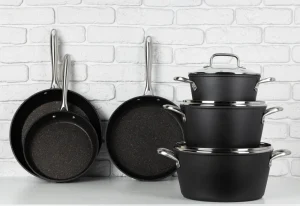
Non-stick pots and pans offer unbeatable convenience. They’re easy to clean and require less oil, making them an excellent choice for health-conscious cooks. However, they’re not suitable for high-heat cooking and can be less durable than other materials.
III. A Closer Look: What Each Type of Cookware Excels At
In terms of searing and browning, stainless steel and cast iron pans excel, offering high-heat resistance and even heat distribution. Non-stick and ceramic pans offer easy clean-up and healthier cooking with their minimal oil requirements. For quick and even heating, aluminum pots and carbon steel skillets are excellent choices, balancing speed, heat retention, and versatility.
A. Searing and Browning: The Strengths of Stainless Steel and Cast Iron
When it comes to achieving a perfect sear or browning food beautifully, the champions are stainless steel and cast iron pans. The stainless steel pan, with its ability to withstand high heat, is excellent for searing meats to lock in juices and flavors. Similarly, the cast iron skillet, renowned for its heat retention and even distribution, ensures your food browns evenly, contributing to a flavorful crust and a succulent interior.

B. Easy Clean-up and Healthy Cooking: The Allure of Non-stick and Ceramic Pans
For those who prioritize hassle-free clean-up and healthier cooking, non-stick and ceramic pans are the go-to options. Non-stick pots and pans, usually coated with Teflon or similar materials, need less oil for cooking, aiding in low-fat and low-calorie preparations. Their easy-release surface also makes cleaning up a breeze. Ceramic pans, on the other hand, offer the same benefits with an added aesthetic appeal, often being available in various vibrant colors.
C. Quick and Even Heating: Aluminum Pots and Carbon Steel Skillets
If speedy cooking and uniform heating are your top concerns, aluminum pots and carbon steel skillets should be on your radar. Aluminum pots, being incredibly light, heat up quickly and evenly, reducing your cooking time. Carbon steel skillets offer a superb balance of heat retention and responsiveness, allowing for a range of cooking methods from searing to simmering, making them versatile additions to any kitchen.

IV. Electric Cooking Pans: An Emerging Star in the Cookware World
Electric cooking pans are revolutionizing the way we prepare our meals, promising versatility and convenience. This kitchen innovation combines the heat source and the cooking vessel into one handy appliance. Here are some reasons why this multi-functional tool is gaining popularity:
A. Built-In Heat Source: Unlike traditional cookware, electric cooking pans have a built-in heat source. This feature makes it possible to cook anywhere with an electrical outlet, from your kitchen counter to a hotel room, enhancing its portability.
B. Precision Temperature Control: Electric cooking pans allow you to adjust the cooking temperature with precision. This ability is beneficial for recipes that require specific heat levels, such as slow-cooked stews or delicately seared fish.
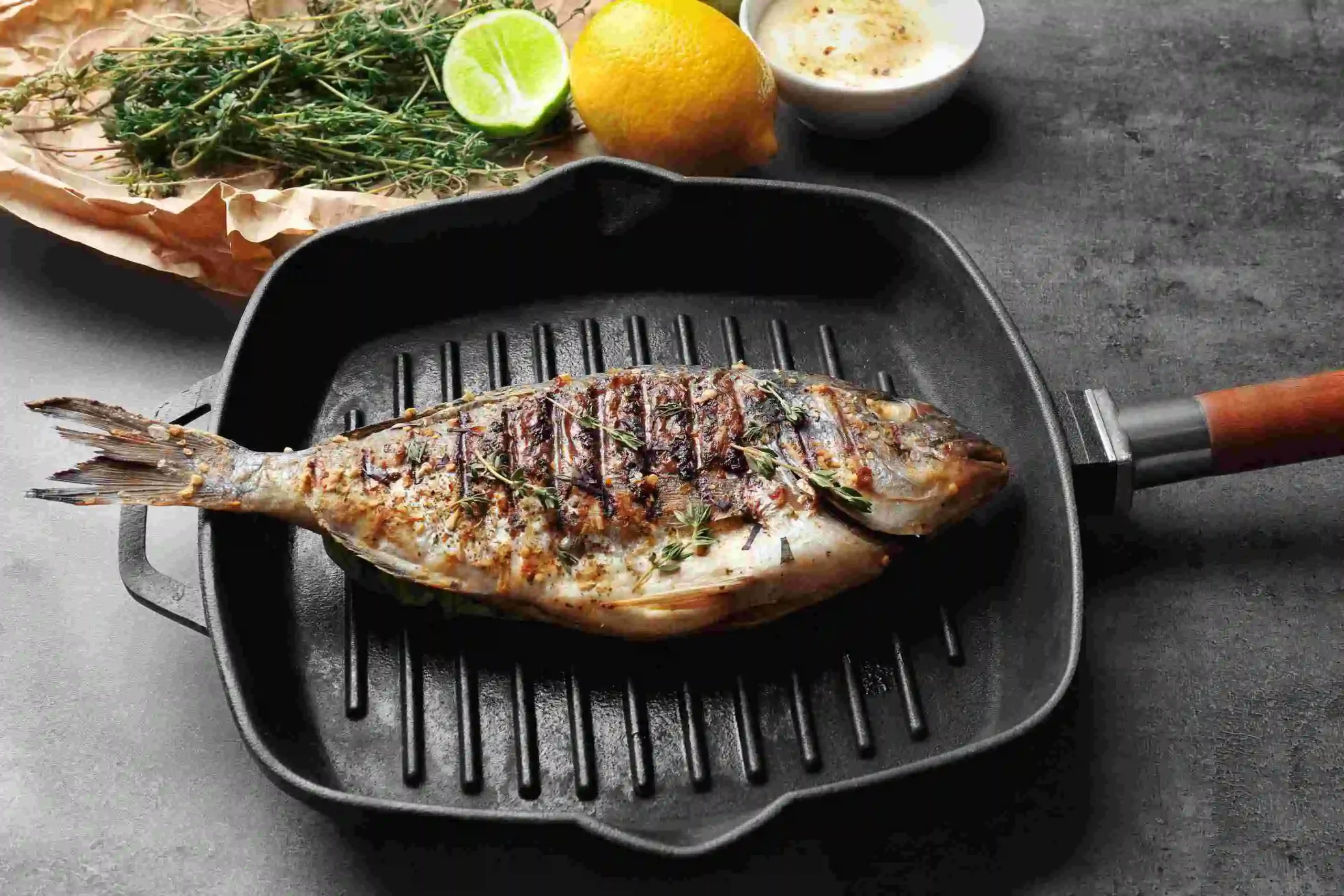
C. Versatility: Electric cooking pans are remarkably versatile. You can use them for a wide variety of cooking methods including frying, stewing, roasting, and baking, among others.
D. Easy to Clean: Many electric cooking pans have a non-stick surface which makes cleaning a breeze. Some models even feature removable cooking plates that can be placed in the dishwasher.
E. Energy-Efficient: Due to their compact size and direct heating method, electric cooking pans can be more energy-efficient than using a traditional stove
V. Non-stick Coating: A Key Factor in Choosing Cookware
Non-stick coating, a significant advancement in cookware technology, has dramatically influenced how we cook and clean. Understanding its role and how it affects different types of pans is crucial.
A. Understanding Non-stick Coatings: A non-stick coating, such as Teflon, is a surface engineered to reduce the ability of other materials to stick to it. In cookware, this means food slides out easily, and cleaning is a breeze.
B. Health Benefits: Non-stick pans require less cooking oil or fat, leading to healthier, lower-calorie meals. It’s an advantage for those watching their diet or prefer less grease in their food.
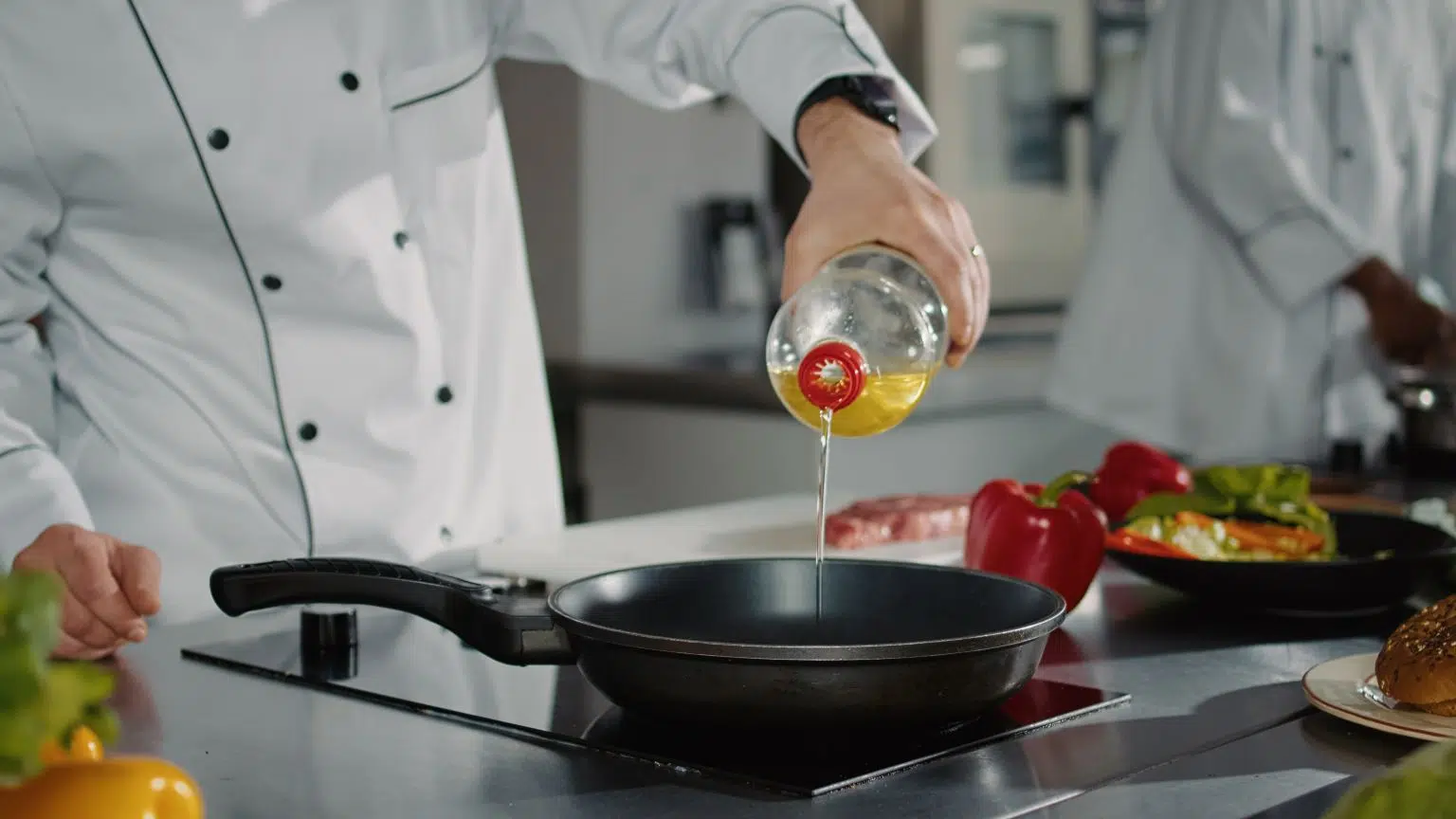
C. Easy Cleaning: With a non-stick pan, burnt food and stubborn residues are a thing of the past. A simple wipe or a gentle wash is usually all it takes to clean the pan after use.
D. Considerations: While non-stick coatings offer many benefits, there are considerations. They may deteriorate over time and at high temperatures, potentially releasing harmful compounds. Therefore, careful use and maintenance are crucial.
E. Non-stick Across Materials: Today, many types of cookware, from aluminum pots to ceramic pans and carbon steel skillets, are available with non-stick options. This variety gives you the flexibility to enjoy the benefits of non-stick across your preferred cookware materials.
VI. Deciding on the Best Cookware: Factors to Consider
Determining the best cookware largely depends on your personal preferences, cooking style, and lifestyle. Here, we discuss some key factors that could guide your decision-making process:
A. Your Cooking Style: Different types of cooking require different cookware. For instance, if you often sear or brown food, a stainless steel pan or cast iron skillet might be best. If you prefer low-fat cooking methods, consider a non-stick or ceramic pan.
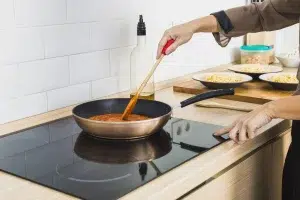
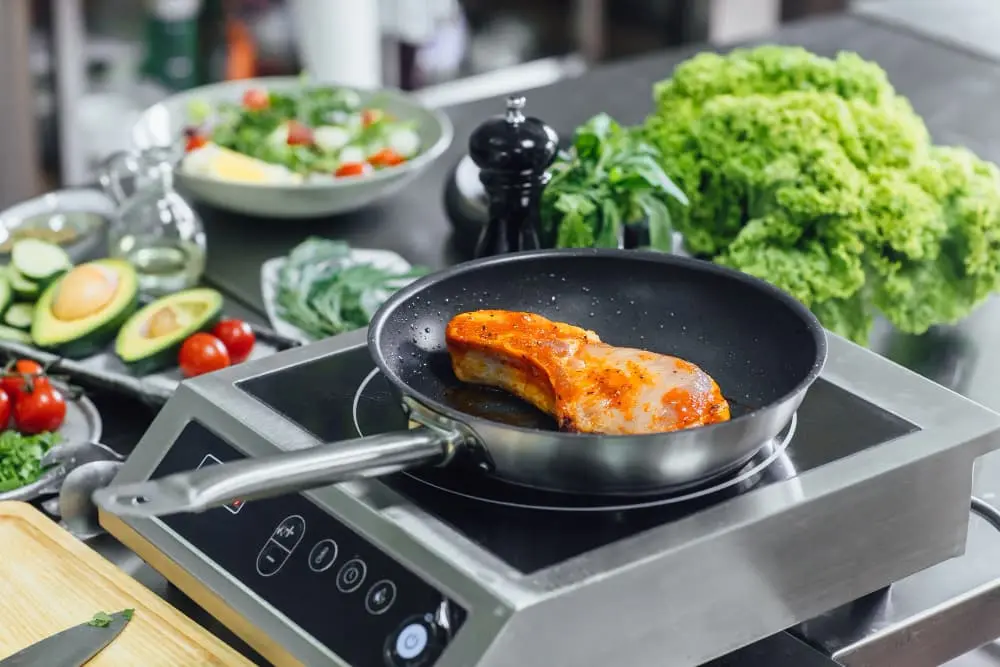
B. Heat Source: The type of heat source you use can influence your choice of cookware. For instance, not all pans are suitable for induction cooktops. If you use an electric stove, a flat-bottomed pan would be more effective.
C. Maintenance: Some cookware requires more care than others. Cast iron pans, for example, need to be seasoned regularly to maintain their non-stick properties, while stainless steel pans can be cleaned easily with standard dish soap and a scrubber.
D. Budget: Cookware varies greatly in price, depending largely on the material and brand. While it’s important to invest in good quality cookware, it’s equally important to consider what fits your budget.
E. Longevity: Consider the lifespan of the cookware. Non-stick pans may need replacing more often than stainless steel or cast iron. This could influence your decision if longevity is a priority.

F. Versatility: Some pots and pans, like the cast iron skillet or the carbon steel skillet, are extremely versatile and can be used for a variety of cooking techniques. This versatility can be particularly valuable if kitchen space is limited.