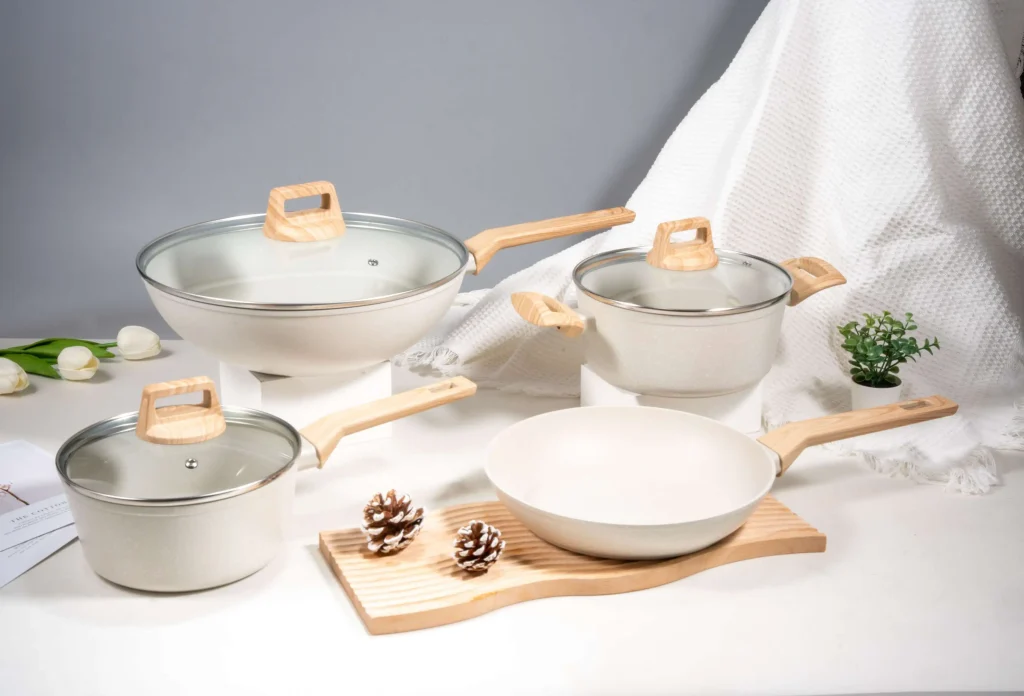

Cast iron cookware has earned its legendary status for good reason. It’s one of the most versatile, durable, and naturally nonstick materials ever created for cooking. Long before modern nonstick coatings or stainless steel pans, cast iron was trusted for its ability to retain heat evenly and deliver consistent results over open flames, stovetops, or ovens.

Its rugged construction means a single pan can last for decades—or even generations—if cared for properly. From perfectly seared steaks to crispy cornbread or slow-cooked stews, cast iron performs equally well in professional kitchens and home setups. It’s a symbol of craftsmanship and endurance, bridging traditional techniques with today’s cooking needs.
Modern cooks still love cast iron because it combines old-world reliability with timeless practicality. It’s eco-friendly, repairable, and improves with use—qualities that make it more than just cookware. It’s an heirloom that tells the story of every meal made in it.
Why Choose Cast Iron?
- Heat retention and searing power: Cast iron holds heat evenly and for long periods, delivering perfect sears, crisp textures, and consistent cooking results across any recipe or heat level.
- Stove, oven, even campfire friendly: It works on any heat source—stovetop, oven, grill, or campfire—making it one of the most versatile cookware materials for both indoor and outdoor cooking.
- Longevity, repairability, and sustainable value: Cast iron lasts for generations, can be restored if rusted, and never needs replacement—offering long-term value and a sustainable, waste-free cooking choice.
Materials, Types & What to Look For

Raw cast iron vs pre-seasoned vs enameled cast iron
Cast iron cookware generally comes in three main types, each with its own benefits and care requirements:
Raw cast iron: The traditional form—uncoated, durable, and requires manual seasoning before use. It develops a natural nonstick layer over time, offering unmatched flavor and longevity.
Pre-seasoned cast iron: Factory-treated with oil and baked for convenience, ready to cook right out of the box. It’s great for beginners but still benefits from ongoing seasoning.
Enameled cast iron: Coated with a smooth, colorful enamel glaze that prevents rust and removes the need for seasoning. It’s ideal for soups, stews, and acidic foods but not suited for high-heat searing.
Thickness, weight, surface texture & casting quality
Quality cast iron should feel solid, balanced, and heavy enough to retain heat without being cumbersome. Thicker pans hold heat longer but take more time to warm up. The cooking surface should be smooth but not slick—a slightly textured finish helps seasoning bond better over time.
Inspect the casting closely. Well-made cookware has consistent wall thickness and clean edges. Uneven or overly rough surfaces can signal lower-quality manufacturing that may lead to hot spots or uneven heating.
Handle design, pour spouts, and helper handles
Ergonomic design makes a big difference in comfort and control. Look for:
Long handles that stay cool and provide good leverage when lifting.
Helper handles on the opposite side for easier carrying, especially for larger skillets or Dutch ovens.
Pour spouts that allow you to drain grease or pour sauces cleanly without drips.
These thoughtful details enhance both safety and usability—important for everyday cooking.
What to avoid: warping, pits, and inferior finish
Avoid cookware with visible pits, cracks, or uneven surfaces, as these imperfections can trap food and weaken the structure. Poorly cast pans may warp under heat, leading to unstable cooking surfaces. Stay away from overly light or thin cast iron, which lacks the density required for proper heat retention.
A high-quality cast iron pan should feel solid, heat evenly, and look well-finished—built to serve faithfully for decades with proper care.
How to Choose the Right Set or Piece
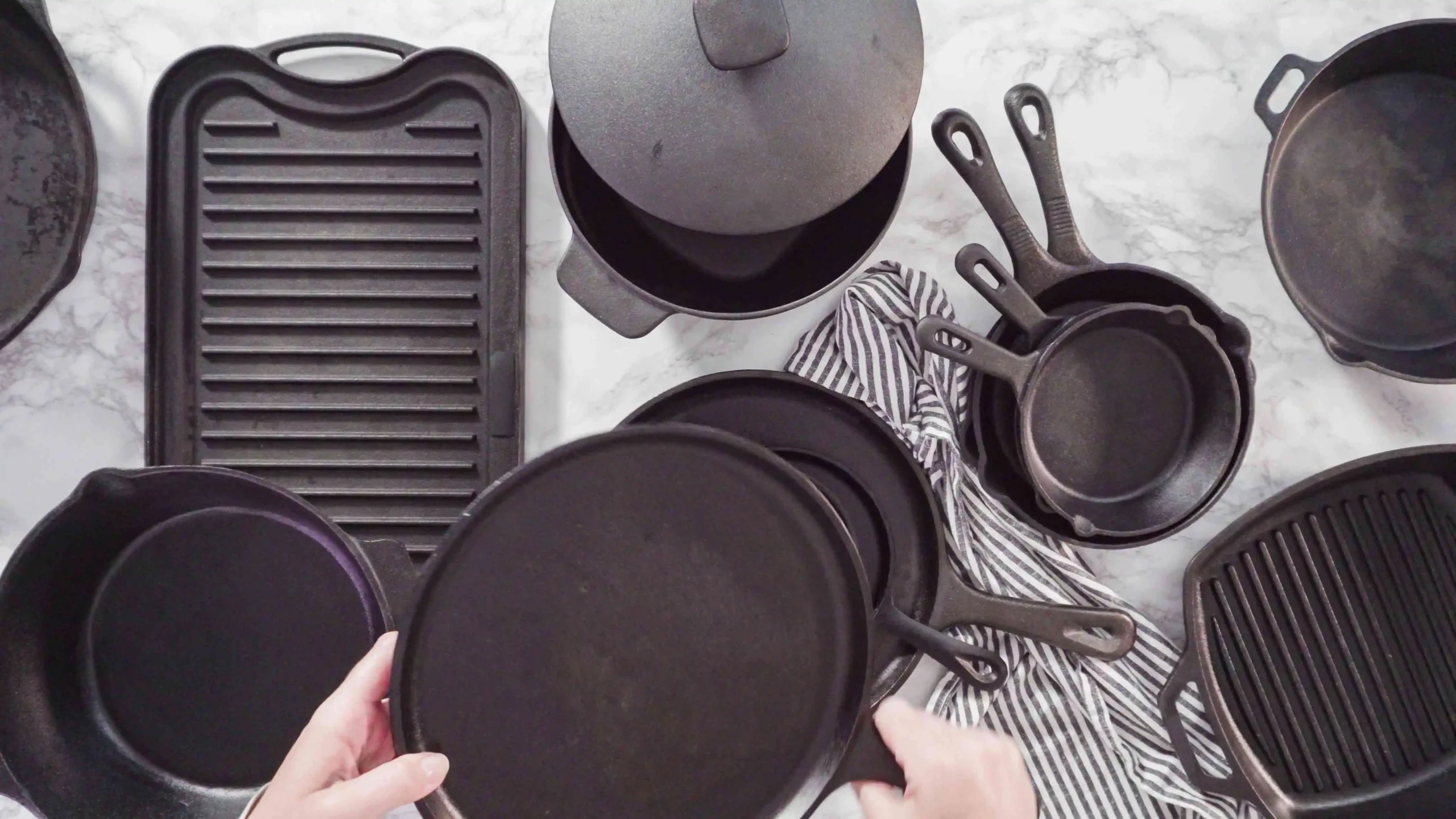
Match size and types to your cooking habits
When selecting cast iron cookware, begin by matching the pieces to how and what you cook most:
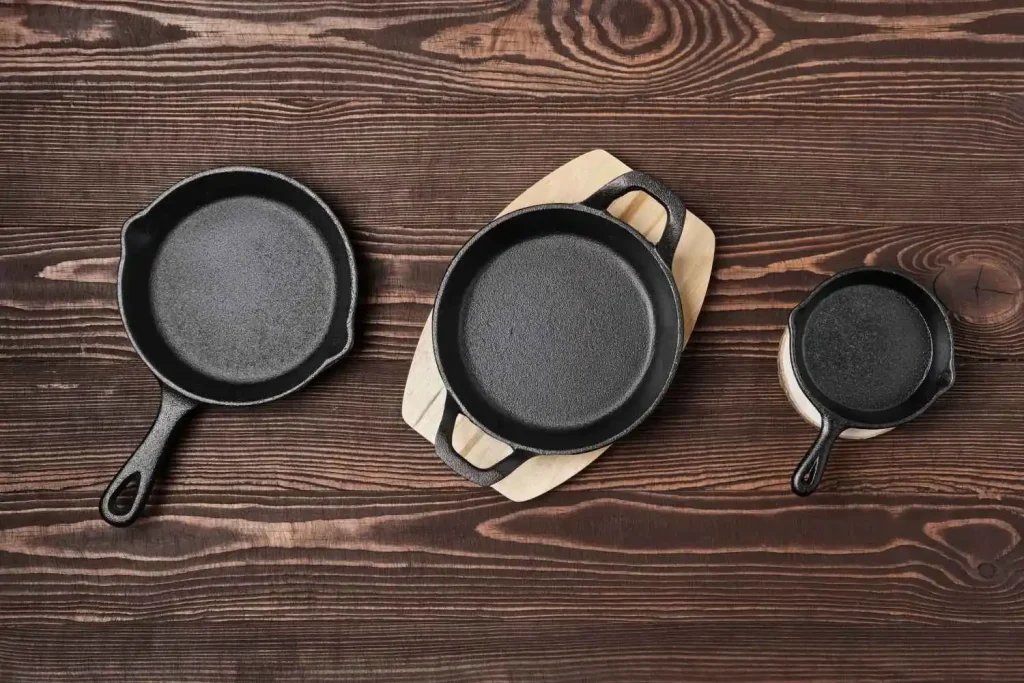
A 10″ skillet is highly versatile—great for eggs, sautéing or searing.
A Dutch oven (deep pot with lid) works well for stews, braises or baking.
A griddle or grill-style cast iron piece suits pancakes, flatbreads or BBQ flavours.
Think: “What size meals do I make?” and “What cooking surfaces do I use?” That helps define whether you need a single piece or a small set.
Budget tiers: entry, mid-range, premium
Here’s a quick breakdown of what to expect at each budget level:
| Tier | Typical Price Range | What You’ll Get |
|---|---|---|
| Entry | ~$20–$60 for basic skillet | Pre-seasoned, basic features, heavier weight, simpler design. |
| Mid-Range | ~$60–$150+ | Better finish, smoother surface, helper handle options. |
| Premium | ~$150+ up | Lightweight cast, refined finish, heirloom quality. |
Choose the tier that fits your budget and your cooking frequency. A lesser-used piece might fit entry-level; your everyday pan may justify more investment.
What features really matter vs brand hype
Avoid buying based on packaging or logo alone. Instead, focus on functional features that affect performance:
Even heating and thermally stable base (no warping).
Good surface finish: smoother interiors tend to develop seasoning more quickly.
Handle strength and helper handles for safety, especially with heavy pans.
Approved for your cooking method: oven-safe, suitable for open flame, etc.
Brand names can matter for warranty or craftsmanship, but the construction and usability determine how well it will perform and last.
Performance & Cooking Techniques

How to preheat and use cast iron for best results
Cast iron performs best when given time to heat gradually and evenly. Place your pan on medium heat for 3–5 minutes before adding oil. You’ll know it’s ready when a few drops of water sizzle and glide across the surface. Once preheated, add a small amount of cooking oil and swirl it around to create a temporary nonstick layer.
Avoid turning the burner to high immediately—cast iron holds heat longer than most metals, so slow heating gives you better control and prevents warping or burnt spots. Always let the pan cool naturally after cooking before washing.
Signature uses: searing, baking, oven-to-table, campfire
Cast iron’s versatility is unmatched—it works beautifully for:
Searing: Locks in flavor and forms a crisp crust on meats and vegetables.
Baking: Excellent for cornbread, cobblers, and deep-dish pizzas that need even browning.
Oven-to-table cooking: Retains heat long after leaving the oven, keeping food warm at the table.
Campfire cooking: Perfect for outdoor meals; it handles direct flame and charcoal with ease.
With its even heat retention, cast iron delivers professional-quality results whether you’re indoors or outdoors.
Common mistakes to avoid
Even the best pans can underperform if mishandled. Avoid these common issues:
Thermal shock: Never place a hot pan under cold water—it can crack or warp. Let it cool first.
Stuck food: Usually caused by insufficient preheating or too little oil. Always heat first, then add oil and food.
Overheating: Excessive heat can burn seasoning and leave dark residues. Use medium heat for most cooking tasks.
Neglecting maintenance: Skipping drying or oiling after cleaning can cause rust. A quick wipe with a thin oil layer keeps it ready for next time.
When used correctly, cast iron rewards you with steady performance, deep flavor, and a naturally enhanced cooking experience every time.
Seasoning, Cleaning & Care
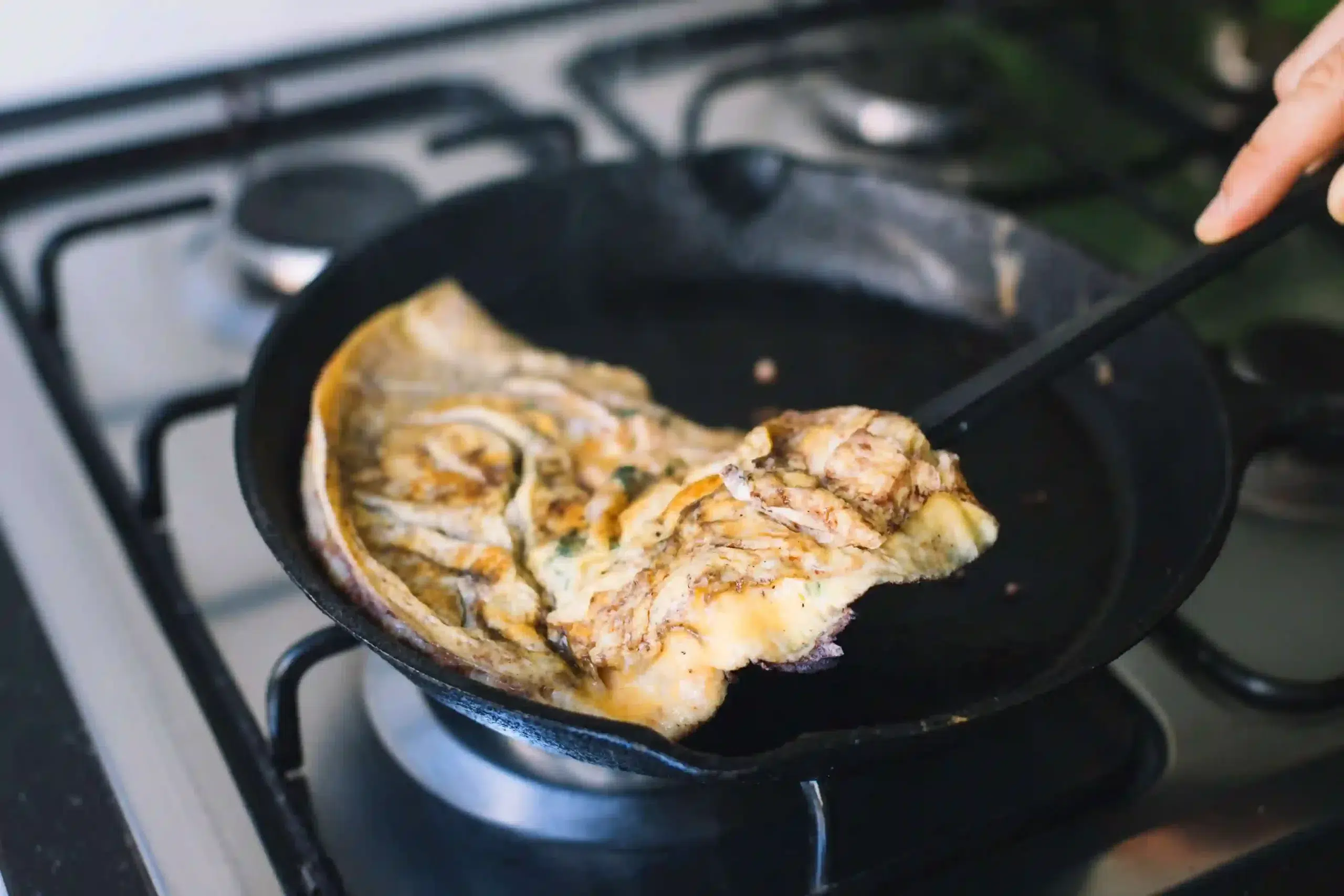
What seasoning means and how to build it
Seasoning is the key to a cast iron pan’s nonstick performance and longevity. Seasoning is the thin, baked-on layer of oil that bonds to the iron surface through heat. It forms a smooth, protective coating that prevents rust and enhances cooking results.
To build seasoning:
Wash the pan with warm water and mild soap once before first use.
Dry it completely.
Apply a thin layer of neutral oil (such as flaxseed, grapeseed, or canola) over the entire surface.
Place it upside down in an oven at around 200–230°C (400–450°F) for one hour, then let it cool.
Each time you cook with oil or fat, you strengthen this layer naturally. Over time, your pan develops a deep black sheen—a sign of a well-seasoned surface.
Daily cleaning, drying, and oiling after use
After cooking, let your pan cool slightly, then clean it while still warm:
Rinse with hot water and gently scrub with a soft brush or chainmail scrubber.
Avoid harsh soaps or soaking for long periods—they strip the seasoning.
Dry immediately with a towel, then place the pan on low heat for a minute to remove any moisture.
Rub a light coat of oil on the surface using a paper towel to preserve its finish and protect it from rust.
These simple steps take less than five minutes but will keep your cast iron ready for the next meal.
How to revive rusty or neglected cast iron
Even a rusty or forgotten pan can be brought back to life. Here’s how:
Scrub off rust using coarse salt or fine steel wool until bare metal is visible.
Rinse and dry thoroughly.
Re-season using the same oven-baking process described earlier.
Repeat oiling and heating cycles until the surface darkens and smooths.
Once restored, continue with regular cleaning and light oiling after each use. Cast iron is nearly indestructible—with a little care, even an old pan can perform like new for decades.
Safety & Health Considerations
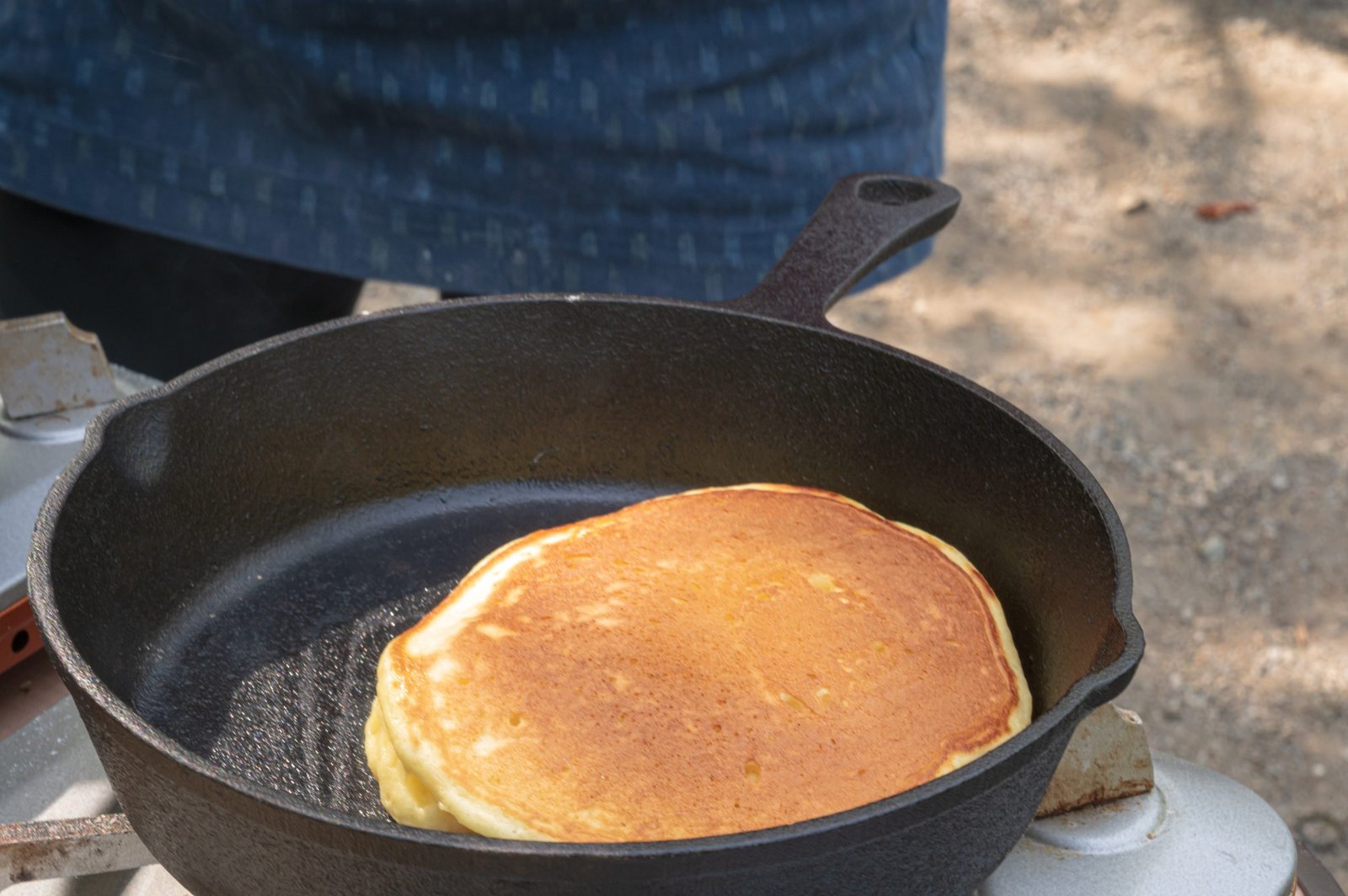
Is cast iron safe? Iron leaching, benefits, and limits
Cast iron is one of the safest and most natural cookware materials you can use. It contains no synthetic coatings, chemicals, or additives—just pure metal. When heated, a small amount of iron may leach into food, especially with acidic dishes like tomato sauce. For most people, this is harmless and can even contribute to daily iron intake, which is beneficial for those with mild iron deficiency.
However, for individuals with conditions like hemochromatosis (excess iron absorption), frequent use of raw cast iron might not be ideal. In such cases, enameled cast iron or other non-reactive cookware is a safer choice.
Overall, cast iron remains chemically stable, non-toxic, and safe for everyday use, especially when properly seasoned and maintained.
Raw vs enameled cast iron: pros and cons
Each type of cast iron offers unique advantages depending on your cooking style and maintenance preference.
| Type | Pros | Cons |
|---|---|---|
| Raw Cast Iron | Naturally nonstick when seasoned; excellent heat retention; affordable; improves over time. | Requires regular oiling and seasoning; may react with acidic foods; can rust if neglected. |
| Enameled Cast Iron | Non-reactive surface—no seasoning needed; easy to clean; resists rust; perfect for acidic dishes and soups. | Heavier; can chip if dropped; less suitable for very high-heat searing. |
If you enjoy hands-on maintenance and versatile cooking, raw cast iron is the best fit. If you prefer low maintenance and convenience, enameled cast iron provides a more modern, easy-care alternative. Both are safe, durable, and capable of lasting generations when used correctly.
Sustainability, Lifespan & Value

Why a well-kept cast iron pan can last decades
Few kitchen tools rival cast iron when it comes to longevity and resilience. A well-maintained cast iron pan can last not just for years, but for generations. Its solid metal structure doesn’t warp, peel, or degrade over time like coated cookware. With simple upkeep—regular cleaning, drying, and oiling—it can maintain peak performance for decades. In fact, many families still cook with pans handed down from grandparents, proving cast iron’s value as a true lifetime investment.
Repair, heirloom potential & fewer replacements
Cast iron is unique because it’s fully repairable. Even if a pan rusts, loses seasoning, or looks worn, it can be restored with basic tools and a little patience. This ability to renew makes it one of the most sustainable kitchen materials available.
Because it rarely needs replacement, cast iron reduces overall consumption and waste. Instead of buying new cookware every few years, you’re investing in a product that improves with age. Over time, its seasoned surface becomes smoother and more efficient, making it both sentimental and practical—an heirloom piece worth passing down.
Recyclability and environmental benefit
Cast iron is made entirely from natural, recyclable materials—primarily iron and carbon. When its service life eventually ends, it can be melted down and reused without losing quality or strength. Its long lifespan also means fewer manufacturing cycles and reduced environmental impact compared to disposable cookware.
Choosing cast iron supports sustainable consumption: less waste, fewer replacements, and a smaller environmental footprint. It’s a cooking choice that benefits both your kitchen and the planet—combining durability, renewability, and timeless value in one essential piece of cookware.
Buying Checklist & Quick Reference Guide

10-point checklist
Before buying cast iron cookware, use this simple checklist to make sure your choice matches your cooking needs and lifestyle:
Size – Choose based on your household: 8–10″ for singles or couples, 12–14″ for families or bulk cooking.
Weight – Heavier pans retain heat better but can be harder to handle; balance comfort and performance.
Surface texture – Look for a smooth, evenly cast surface that helps seasoning bond well and improves food release.
Handle design – Ensure long handles are sturdy and comfortable; helper handles are essential for large pans or Dutch ovens.
Finish quality – Check for consistent color, clean edges, and no visible pits or rough casting flaws.
Oven/camp compatibility – Confirm it’s oven-safe and suitable for your cooking environment, from stovetop to campfire.
Initial seasoning – For raw or pre-seasoned pans, inspect the coating—uniform, dark, and slightly glossy means ready to use.
Budget range – Entry-level pans perform well for most users; invest more for lighter-weight or precision-cast models.
Brand reputation – Choose manufacturers with reliable quality control and long-term support; longevity often reflects craftsmanship.
Warranty coverage – Look for products backed by clear, long-term warranties—an indicator of confidence in build quality.
Quick decision flowchart
| Your Cooking Style | Recommended Option |
|---|---|
| Cook for 1–2 people and want easy maintenance | A pre-seasoned 10″ skillet — compact, ready to use, minimal care required. |
| Enjoy open-fire or outdoor cooking | A raw, heavy-duty cast iron skillet with a long handle and thick base for heat retention. |
| Prefer one versatile kitchen piece | A 12″ skillet or 5-quart Dutch oven — covers searing, roasting, and baking. |
| Focus on soups, stews, or slow-cooked meals | Choose an enameled Dutch oven for easy cleaning and no need for seasoning. |
| Need something lightweight for daily cooking | Go for a mid-weight, smooth-surface skillet that heats evenly and handles easily. |
| Want lifetime value and heirloom quality | Invest in raw cast iron—season it well, and it will serve for generations. |
Pro tip:
Start with one versatile piece—like a 10-inch skillet—and master it first. Once you understand its heat behavior and care routine, expanding your collection becomes easier and more rewarding.