
Aluminum cookware has earned its place in kitchens around the world for good reason. It’s lightweight, heats up quickly and evenly, and often comes at a much lower cost compared to other materials like stainless steel or cast iron. Whether you’re a daily home cook or someone just starting out, aluminum pans and pots can offer reliable performance without straining your budget.
But aluminum cookware isn’t one-size-fits-all. You’ll find raw aluminum, hard-anodized versions, and aluminum cookware with nonstick or ceramic coatings. Each type has its own pros and cons, depending on how you cook, what kind of care you’re willing to give, and what features matter most to you—like oven safety or induction compatibility.
Why Choose Aluminum?

Aluminum cookware offers several practical benefits that make it a go-to material in many modern kitchens:
Ultra-lightweight – Easier to lift, flip, and pour, especially ideal for beginners or anyone who prefers a lighter hand in the kitchen.
Excellent heat conduction – Heats up quickly and distributes heat evenly, helping you avoid hot spots that cause uneven cooking.
Budget-friendly – Generally more affordable than stainless steel or copper, making it a great entry point for quality cookware on a budget.
Aluminum is also highly versatile. It’s used in everything from thin sauté pans to thick hard-anodized stock pots, and it pairs well with a variety of coatings like nonstick or ceramic.
However, it’s not perfect for every use:
Softness and durability – Raw aluminum can dent or warp under high heat or rough handling.
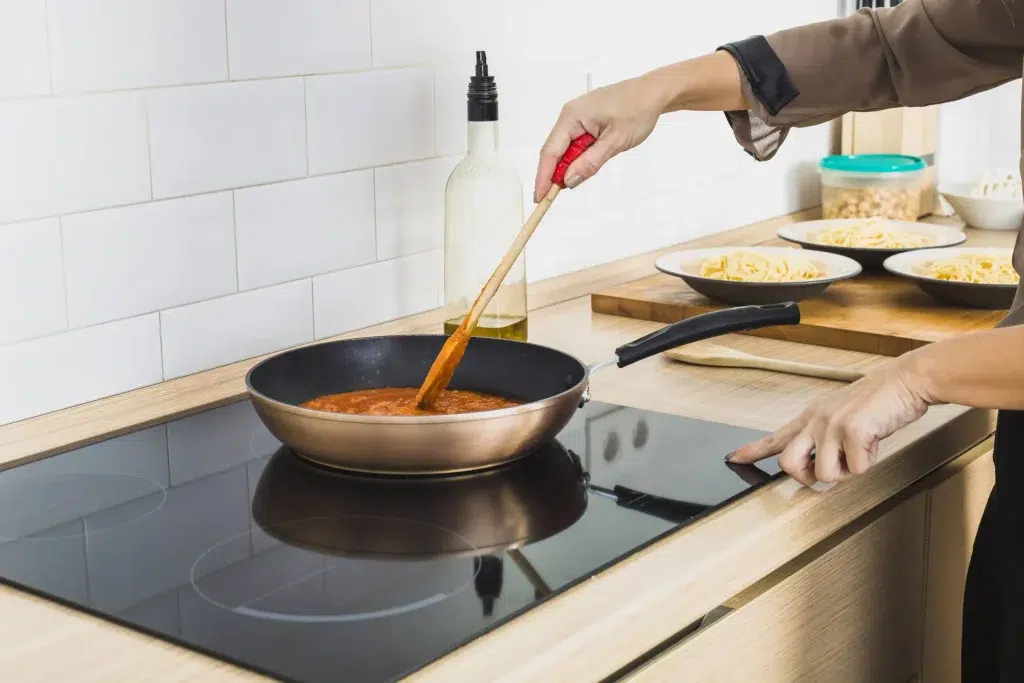
Reactivity with food – Bare aluminum can react with acidic or alkaline ingredients (like tomatoes or lemon juice), which may affect flavor and appearance.
Not always dishwasher or induction safe – Many aluminum pieces need hand washing and don’t work on induction cooktops unless designed with a special base.
Still, for everyday tasks like boiling, sautéing, or steaming, aluminum cookware strikes an excellent balance between performance, ease of use, and cost. In the next section, we’ll break down the different types of aluminum cookware and how to tell which is right for you.
Materials, Types & What to Look For
Aluminum cookware comes in several forms—each with its own strengths and care requirements. Choosing the right one depends on your cooking style, durability needs, and maintenance preferences.

Raw aluminum
This is uncoated, untreated aluminum, often found in low-cost cookware. It conducts heat very well but is soft, reactive, and prone to scratching and discoloration. It may alter the taste or color of acidic foods like tomato sauce. Raw aluminum is best for simple boiling or steaming, but it requires gentle handling and frequent replacement.
Hard-anodized aluminum
This form has been electrochemically treated to form a harder, non-reactive surface. It’s much more durable, scratch-resistant, and often nonstick without added coating. Hard-anodized aluminum resists warping and performs well with both high-heat cooking and delicate tasks. It’s ideal for home cooks who want better longevity without the weight of cast iron or stainless steel.
Coated or laminated aluminum
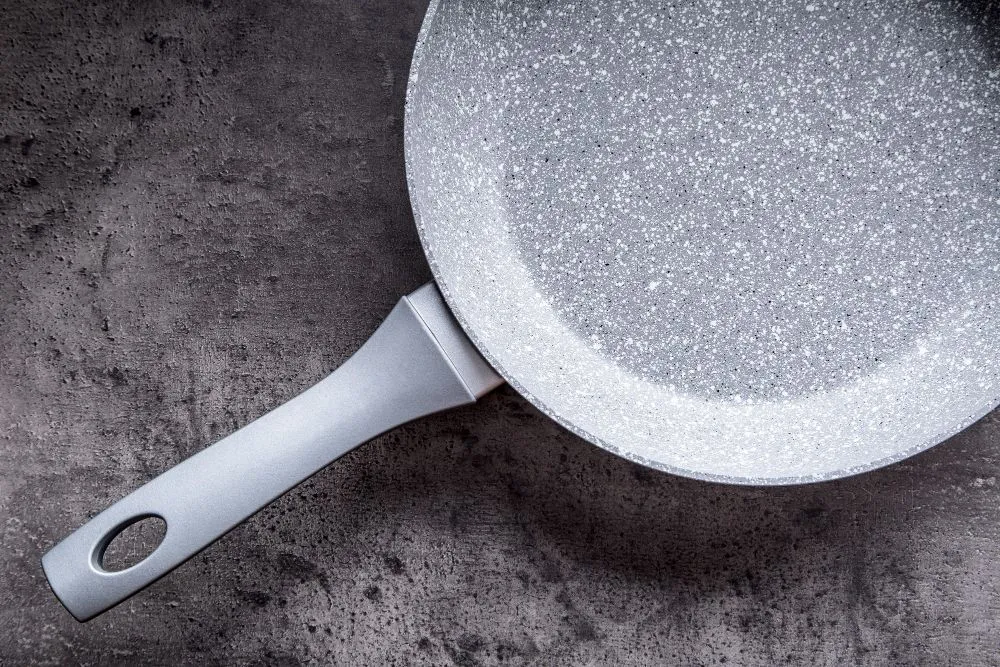
This includes aluminum cookware with a nonstick, ceramic, or enamel coating, or with a bonded stainless steel base. These coatings prevent food from sticking and reduce reactivity, but may wear over time. Coated pans are excellent for low-fat cooking and easy cleanup, though they typically have shorter lifespans and must be used with care (no metal utensils, no overheating).
Construction: What matters most
Gauge/thickness – Thicker pans (lower gauge numbers) hold heat more evenly and resist denting. Thin walls may warp under high heat or sudden temperature change.
Flat, stable base – Ensures even contact with burners, especially important on glass or ceramic cooktops.
Handle quality – Look for riveted or welded handles made from stainless steel or silicone-wrapped aluminum. Avoid thin, loose, or rivetless designs that loosen over time.
Compatibility & what to avoid
Not all aluminum cookware works on every cooktop or cooking condition:
| Feature | Aluminum Cookware Notes |
|---|---|
| Induction | Only works if base is bonded with magnetic steel |
| Gas/Electric Stovetop | Compatible across all types |
| Glass or Flat-top Stove | Works well if base is flat and thick enough |
| Oven Use | Check handle material—some are oven-safe, others are not |
| Outdoor Use / Campfire | Not ideal—can discolor or warp over direct flame |
How to Choose the Right Set or Piece

Match size and type to your cooking habits
Choosing aluminum cookware starts with understanding how you cook and for how many. Here’s a simple breakdown:
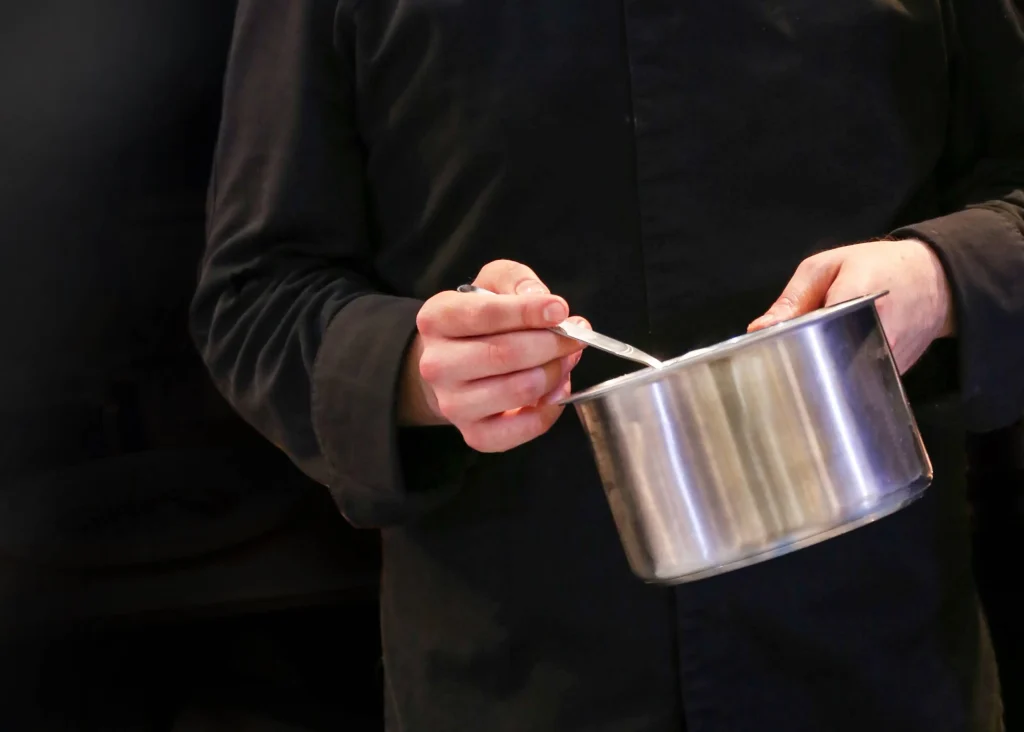
Saucepans (1–3 qt): Ideal for boiling, reheating, or making small batches of soup or sauce.
Sauté pans (10–12 in): Better for high-heat cooking, stir-frying, or one-pan meals.
Stockpots (6–12 qt): Essential for large batches of pasta, soups, or broths.
Skillets or fry pans (8–12 in): Everyday workhorses for eggs, pancakes, or searing vegetables.
If you cook for 1–2 people, a small set with a saucepan, fry pan, and medium stockpot may be enough. For families or batch cooking, consider a more complete set with added sauté and larger pots.
Budget tiers: entry, mid-range, premium — what to expect
| Tier | Price Range | What You Get |
|---|---|---|
| Entry-level | $30–$80 | Basic raw aluminum or coated pans; lighter gauge; shorter lifespan. |
| Mid-range | $80–$200 | Hard-anodized or well-coated sets; better heat control, durability, and finish. |
| Premium | $200+ | Professional-grade anodized or aluminum-clad cookware; stronger build, warranties, improved ergonomics. |
Buy what fits your kitchen frequency. For light everyday use, an entry or mid-tier set offers great value. If you cook often or need more versatility, mid to premium options deliver better heat control and durability.
What features matter vs brand hype
It’s easy to get distracted by marketing claims or flashy designs, but focus on practical specs that impact performance:
Material spec: Look for hard-anodized aluminum or thick-gauge aluminum with safe coatings (PTFE or ceramic).
Wall thickness (gauge): Thicker cookware holds heat better and resists warping.
Handle design: Riveted or welded handles with heat resistance and comfortable grip are safer for frequent use.
Lid quality: Tempered glass or vented metal lids help manage cooking without lifting.
Warranty: A clear product warranty suggests confidence in build quality.
Coating quality (if applicable): A long-lasting nonstick or ceramic layer makes cleanup easier but requires proper care—avoid metal utensils and overheating.
Ignore oversized sets with filler pieces you won’t use. Focus on usability, build quality, and how well the cookware matches your daily habits. A well-chosen set or individual piece will always outperform an over-marketed one.
Performance & Use: Getting the Most Out of It

How to heat aluminum cookware correctly
Aluminum heats quickly and evenly, but it’s sensitive to sudden temperature changes and excessive heat. Here’s how to get the best results:
Always preheat on medium or low heat. High heat can warp thin pans and damage nonstick coatings.
Add oil or fat after the pan is warm, not before, to avoid smoke or premature coating breakdown.
For raw aluminum, limit heat exposure to prevent discoloration or warping.
Lightweight pans don’t need long warm-up times—2 to 3 minutes is often enough before adding ingredients.
Best pans for everyday use
For daily cooking tasks like frying eggs, sautéing vegetables, or boiling pasta, the following work well:
10-inch nonstick skillet – Ideal for quick breakfasts and easy cleanup.
2–3 qt saucepan – Great for reheating, making sauces, or cooking rice.
5–6 qt stockpot – Reliable for pasta, soups, and boiling water.
Hard-anodized aluminum or aluminum with quality nonstick/ceramic coatings offers better performance and lifespan than basic raw pans.
Signature uses of aluminum cookware
Aluminum excels at tasks that need fast, responsive heat:
Boiling – Water reaches temperature quickly, saving energy.
Sautéing – Smooth heat distribution reduces burning or uneven browning.
Light searing – Works well for delicate proteins like fish or chicken, though not ideal for heavy searing due to heat retention limits.
Avoid long-duration braising or baking at high heat unless using anodized or clad aluminum—raw aluminum can degrade or warp under oven conditions.
Common mistakes and how to avoid them
| Mistake | What Happens | How to Avoid |
|---|---|---|
| Overheating | Warps pan, burns food, damages coating | Use medium heat and avoid empty heating |
| Using on induction cooktop | No heat transfer | Only use aluminum pans with magnetic bases or hybrid construction |
| Cooking acidic foods in raw aluminum | Food may taste metallic; pan may discolor | Use anodized or coated aluminum for acidic ingredients |
| Scratching coated pans | Reduces lifespan of nonstick surface | Use wood or silicone utensils only |
| Dishwasher use on non-anodized pans | Causes pitting and finish loss | Hand wash with mild soap and soft sponge |
By using the right techniques, aluminum cookware becomes a lightweight, fast-heating workhorse in the kitchen—ideal for everyday meals and efficient cooking.
Maintenance, Cleaning & Longevity
Basic cleaning practices
Aluminum cookware is easy to clean, but a few precautions will help it last longer—especially if it’s coated or anodized.
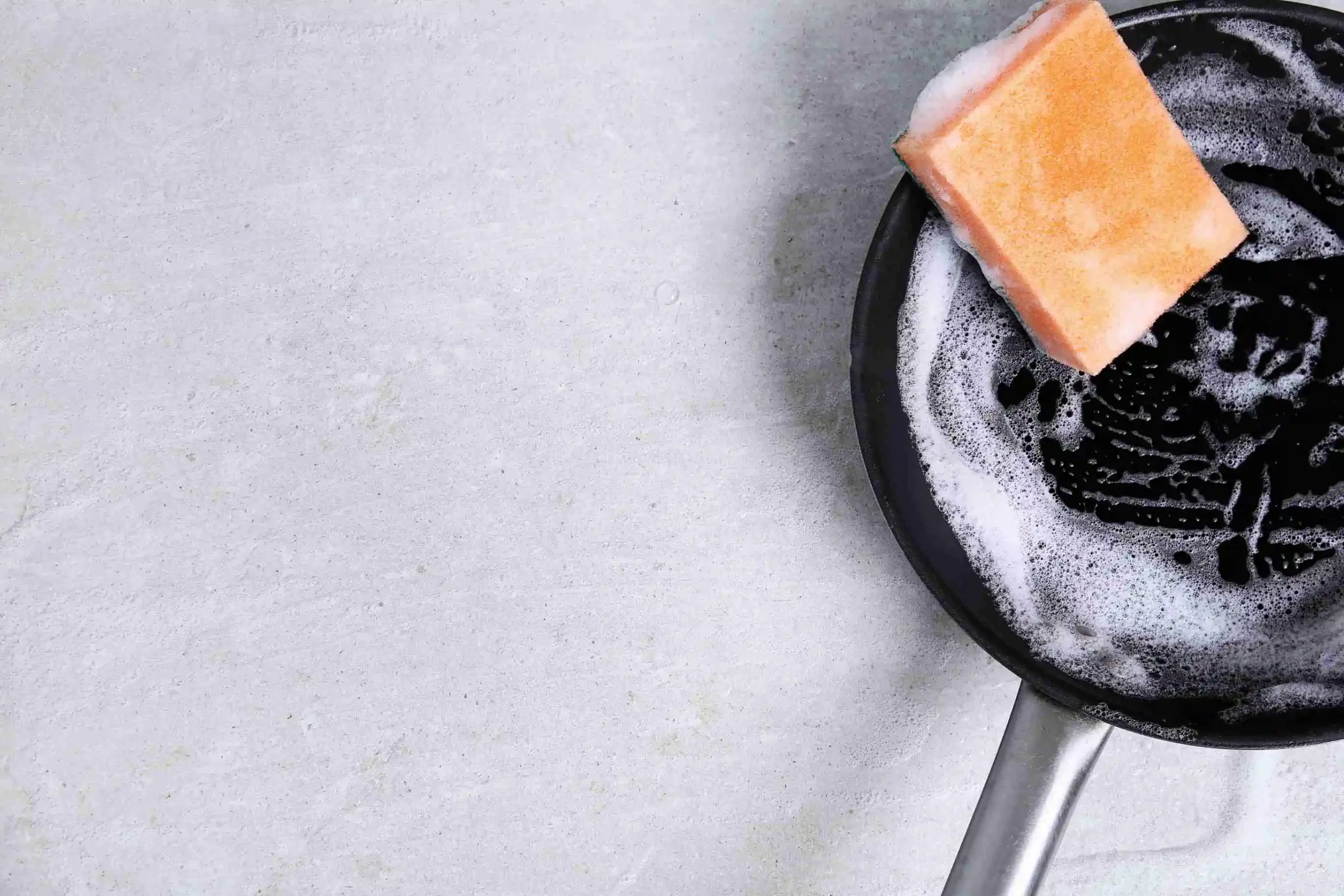
Use mild dish soap and warm water for daily cleaning.
Avoid abrasive scrubbers or steel wool, which can scratch coatings or dull anodized surfaces.
For coated aluminum (nonstick or ceramic), use soft sponges only.
Unless labeled dishwasher-safe, hand washing is recommended—especially for raw or non-anodized aluminum, which can react to dishwasher detergents and pit or stain over time.
DHOME and other kitchen experts agree: hand washing is the best way to preserve finish and performance.
Handling discoloration, dents, and warping
These are common concerns with aluminum cookware, especially if used improperly:
Discoloration: Raw aluminum may develop dark spots or a cloudy surface when exposed to high heat, acidic foods, or dishwasher chemicals. To restore shine, boil a mix of water, vinegar, and baking soda in the pan, then rinse thoroughly.
Dents: Thin aluminum can dent if dropped. While minor dents don’t affect performance, they can make the base uneven and cause cooking issues on flat cooktops.
Warping: Usually caused by overheating or rapid cooling. Avoid placing hot pans under cold water or using high heat on empty pans. Use medium heat and gradual temperature changes to protect the base.
Care differences: anodized/coated vs raw aluminum
| Type | Key Care Tips | Cautions |
|---|---|---|
| Raw Aluminum | Rinse and dry immediately; polish with acid rinse if discolored. | Avoid acidic foods; never use in dishwasher. |
| Anodized Aluminum | Non-reactive and more durable; wash with soft sponge and mild soap. | Don’t use abrasive cleaners; avoid metal utensils. |
| Coated Aluminum (nonstick or ceramic) | Gently clean with sponge; avoid high heat and oil sprays. | Never overheat; don’t stack without padding. |
Well-cared-for aluminum pans—especially hard-anodized or quality coated types—can last many years. While not as indestructible as cast iron or stainless steel, aluminum offers a lightweight, high-performance option that stays reliable when treated with care.
Safety & Health Considerations
Is aluminum cookware safe to cook with?
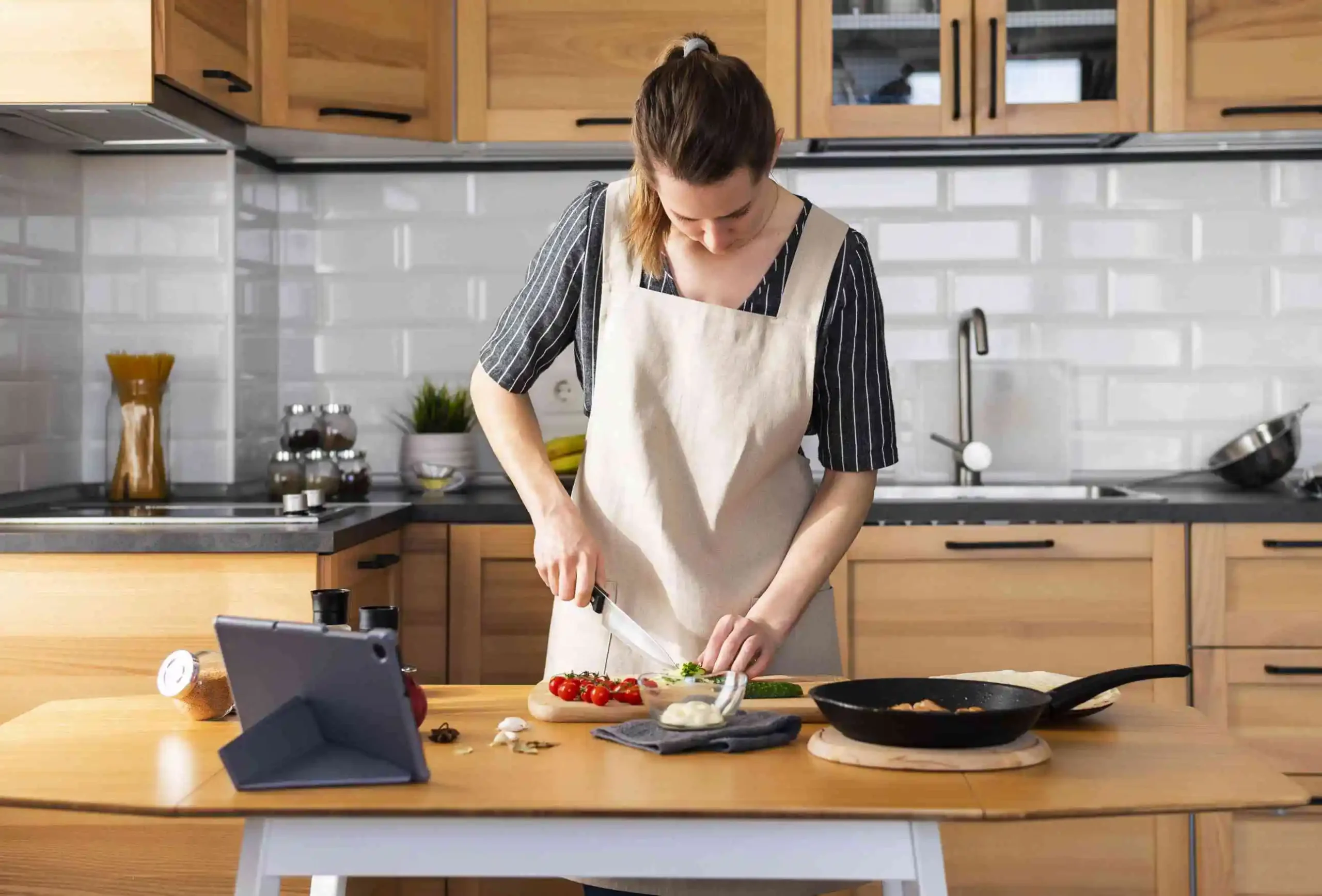
Aluminum is one of the most commonly used metals in cookware—but it’s often questioned for its safety. Here’s what you need to know:
Leaching risk: Bare (raw) aluminum can react with acidic or salty foods (like tomato sauce or lemon juice), causing small amounts of metal to leach into the food. While this sounds alarming, multiple studies—including those cited by LeafScore and the FDA—indicate that the amount is minimal and considered safe for healthy adults.
Anodized and coated aluminum are non-reactive. Hard-anodized aluminum has a sealed surface that resists corrosion and leaching. Nonstick or ceramic-coated pans also provide a barrier between the food and the metal.
Daily exposure from cookware is far lower than other sources like processed foods or medications. For most people, aluminum cookware is not a significant health concern.
According to current scientific consensus, cooking with aluminum—even raw—is safe in moderation, especially when you avoid highly acidic recipes in untreated pans.
Health comparison: aluminum vs stainless steel vs cast iron
| Cookware Type | Reactivity | Leaching Risk | Health Notes |
|---|---|---|---|
| Aluminum (raw) | High (with acid/salt) | Minimal but possible | Avoid for acidic dishes unless anodized/coated. |
| Aluminum (anodized/coated) | Low | Negligible | Safe for most daily use. |
| Stainless Steel | Very low | Trace nickel/chromium | Considered one of the safest materials. |
| Cast Iron | None | Iron may leach | Beneficial for some, but not ideal for iron-sensitive individuals. |
Sustainability, Lifespan & Value for Money

How long does aluminum cookware last?
Quality aluminum cookware—especially hard-anodized or coated varieties—can last 5 to 10 years or more with proper care. Cheaper, thin-walled pieces may warp or lose coating much sooner. Signs it’s time to replace include:
Warping that affects heat distribution
Flaking or peeling nonstick/ceramic coating
Deep scratches that compromise food safety
Is aluminum cookware eco-friendly?
Aluminum has a lower environmental footprint than many other materials:
Highly recyclable: Aluminum is one of the most efficiently recycled metals. Many manufacturers now use recycled aluminum in cookware production.
Lightweight to ship: Lighter cookware reduces transportation emissions and energy use.
Fewer raw materials: Compared to cast iron or stainless steel, aluminum generally requires less metal per item.
Still, nonstick coatings may limit recyclability—check with your local facility if you’re disposing of coated pans.
Is aluminum cookware worth the investment?
Yes—especially for budget-conscious or first-time buyers. Here’s how aluminum compares:
| Tier | Expected Lifespan | Typical Cost | Ideal For |
|---|---|---|---|
| Basic/raw aluminum | 2–5 years | Low ($) | Light, fast cooking |
| Hard-anodized | 5–10+ years | Mid ($$) | Daily, versatile use |
| Coated premium sets | 5–8 years | Mid–High ($$–$$$) | Style + performance |
Buying Checklist & Quick Reference Guide

10‑Point Checklist for Choosing Aluminum Cookware
Before you buy, go through this quick checklist to ensure the cookware meets your needs:
Material Type: Raw, hard-anodized, ceramic-coated, or aluminum-core with cladding?
Surface Coating: Nonstick, ceramic, or uncoated? Choose based on how you cook and clean.
Thickness (Gauge): Thicker pans resist warping and heat more evenly.
Stovetop Compatibility: Need it to work on induction? Look for magnet-compatible base or hybrid construction.
Size & Capacity: Match your family size and dish type (e.g., 10″ skillet, 4 qt saucepan).
Handle Strength & Material: Stay-cool, riveted, and oven-safe handles are ideal.
Lids: Glass for visibility, stainless for durability—check fit and venting.
Brand Reputation: Look for long-term user feedback and real-world durability, not just marketing.
Warranty: A multi-year or lifetime warranty is a sign of confidence in quality.
Care & Maintenance Needs: Some coatings are dishwasher-safe, others are hand-wash only. Check care label.
Quick Decision Flowchart
Here’s a shortcut to help you decide what to buy based on your cooking needs:
If you cook for 1–2 people and love quick meals → Choose a 10″ hard-anodized skillet with a nonstick interior.
If you use induction stoves → Make sure it has a magnet-compatible base or is clad with stainless steel.
If you cook acidic foods (e.g., tomato sauce) often → Avoid raw aluminum; pick ceramic-coated or anodized pans.
If you meal-prep or cook for a family → Get a 5–6 qt stockpot with a thick base and well-fitted lid.
If you’re on a tight budget → Start with a 2-piece nonstick sauté and saucepan set, but inspect build quality.
Choosing aluminum cookware doesn’t have to be complicated—just align your cooking habits with smart design features.