
Table of Contents
Introduction
In the vast world of cookware, few materials stand out as distinctly as carbon steel. Combining the best of different culinary worlds, carbon steel pans have carved their unique niche in kitchens around the globe.
A Brief Glimpse into Cookware Evolution
From ancient clay pots to the modern non-stick pans, the journey of cookware materials is as diverse as the dishes they’ve been used to prepare. Materials like cast iron, stainless steel, and non-stick coatings have each had their moment in the sun, reflecting the changing needs and preferences of home chefs and professionals alike.
The Rise of Carbon Steel Pans
Recently, carbon steel pans have seen a resurgence in popularity, thanks to their perfect balance of durability, performance, and versatility. Not just a passing trend, their appeal is deeply rooted in their unique attributes, making them a sought-after choice for many culinary enthusiasts. Whether it’s for their swift heat response, even cooking, or the natural non-stick properties they develop over time, carbon steel pans are a testament to the ever-evolving world of cookware.
History of Carbon Steel in Cookware
The tale of carbon steel pans is both intriguing and enlightening. Journey with us as we explore its beginnings and evolution in our kitchens.
Ancient Origins
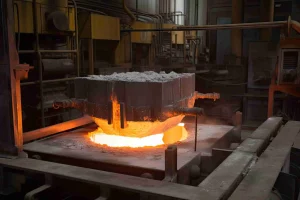
When we think of carbon steel, we’re delving deep into history. This material, an alloy of iron and carbon, began its journey in the world of cookery many ages ago. In its early days, it wasn’t the primary choice for cooking. However, its durability made it popular over time.
Early communities began to see its benefits. Especially when compared to pure iron. The strength and resilience of carbon steel stood out, making it a favored choice.
Evolution Over Time
As the wheel of time turned, carbon steel underwent changes. Its production methods improved, bringing out its best qualities even more.
By the medieval era, it made its mark. Carbon steel utensils were now common in many kitchens. Their popularity only grew as time progressed.
The industrial revolution further boosted its fame. Mass production began, presenting an alternative to the heavier cast iron. The key advantage? Carbon steel pans were lighter and responded faster to heat changes.
Today, they’re a top pick for many. Both professional chefs and home cooks love them. Their blend of durability, even heating, and seasoning ease is hard to beat. In a world filled with cookware choices, carbon steel’s timeless charm holds strong.
Key Features of Carbon Steel Pans
Carbon steel pans aren’t just another kitchen item; they’re a fusion of history, science, and culinary expertise. Let’s dive into what makes them so special.
Renowned Heat Distribution
One of the crown jewels of carbon steel is its heat distribution. Ever tried cooking on a pan where one side’s hotter than the other? It’s a recipe for frustration. But with carbon steel, that’s rarely a concern.
These pans have a unique ability. They distribute heat evenly across their surface. This means whether you’re searing meat or sautéing veggies, they cook uniformly. No unexpected cold or hot spots. Just consistent heat, making your cooking predictably perfect.
Adaptability to Temperature Changes
Another feather in carbon steel’s cap is its temperature responsiveness. Picture this: you’ve got your pan on high heat, and suddenly, you need to bring the temperature down. With some materials, there’s a noticeable lag. But not with carbon steel.
The moment you adjust the stove’s heat, the pan responds. This swift adaptability is a lifesaver, especially for dishes that need precise temperature control. It’s like having a dance partner that moves with you, effortlessly and instantly. For chefs and cooks, this means more control and fewer overcooked or burnt dishes.
Benefits of Carbon Steel Pans
There’s a reason carbon steel pans have garnered attention from both culinary experts and everyday food lovers. Let’s explore the charm and efficacy behind these kitchen wonders.
Precision in Cooking
Precision is the difference between a good meal and a great one. Carbon steel pans offer just that. Their unparalleled heat distribution and quick adaptability to temperature changes allow for precision cooking.
Imagine searing a steak to the perfect medium-rare or simmering a sauce at just the right consistency. With carbon steel, you’re not just hoping for the best outcome; you’re pretty much guaranteed it. It’s like having a secret weapon in your cooking arsenal, ensuring your dishes always come out as intended.
Aesthetic Charm
Beyond their cooking prowess, carbon steel pans are a sight to behold. With a rustic charm combined with an industrial touch, they effortlessly elevate the aesthetics of any kitchen.
Their dark, matte finish gives them an earthy appeal, and as they age, they develop a unique patina, telling stories of meals cooked and memories made. Whether hanging on a rack or resting on the stovetop, carbon steel pans are a delightful blend of form and function, making them both a kitchen workhorse and a piece of decor.
Myths and Realities
Carbon steel pans, like other popular cookware, aren’t immune to myths and misconceptions. Let’s journey through the most common ones, setting the record straight.
Rusting Rumors
One of the first concerns people often voice about carbon steel pans is rust. “Won’t they rust easily?” is a common question. The truth? Yes, carbon steel can rust if not cared for properly. But that’s the key: proper care.
When carbon steel pans are seasoned correctly and kept dry, the risk of rust is minimal. In fact, a well-seasoned pan develops a protective layer, making it even more resistant to rusting. If rust does appear, it’s not the end of the world! Simple cleaning techniques can remove it, restoring the pan’s beauty and functionality.
Durability Discourse
“Is it durable enough for everyday cooking?” some ask, eyeing the pan’s seemingly delicate surface. Here’s the reality: carbon steel pans are incredibly durable.
Their strength is often underestimated. These pans can withstand high temperatures, making them ideal for a variety of cooking methods, from searing to baking. Over time, instead of wearing down, they get better! The more you cook with a carbon steel pan, the better its natural non-stick surface becomes.
In essence, with the right care, a carbon steel pan isn’t just a purchase; it’s an investment, promising years of delicious meals and cooking adventures.
Maintenance and Care
To get the most out of your carbon steel pan, it’s vital to care for it properly. From cleaning methods to seasoning tricks, let’s unveil the secrets to a long-lasting pan.
Cleaning Do’s and Don’ts
Carbon steel pans require a gentle touch, but that doesn’t mean their upkeep is challenging.
Do:
- Rinse the pan with warm water right after use. A swift rinse often removes most leftover bits.
- Use a soft sponge or cloth. Avoid abrasive materials that might scratch the pan.
- Dry the pan immediately after washing. Carbon steel’s kryptonite is moisture, which can lead to rust.
Don’t:
- Soak the pan for extended periods. Extended exposure to water increases rust risk.
- Use soap often. While occasional gentle soap won’t harm, frequent use can strip the pan’s seasoning.
- Put it in a dishwasher. The intense water and heat cycle isn’t friendly to carbon steel’s seasoned surface.
Seasoning Secrets
One of the carbon steel pan’s magic tricks is its ability to be seasoned. Seasoning not only provides a natural non-stick surface but also shields the pan from rust.
To season your pan:
- Clean it first to ensure no residue remains.
- Dry thoroughly.
- Apply a thin layer of oil (like flaxseed or grapeseed) across the pan’s surface.
- Heat the pan in an oven or on the stove until the oil reaches its smoke point.
- Let it cool, and voilà! Your pan is seasoned.
Remember, the more you cook with your carbon steel pan, the better its seasoning becomes. Over time, it develops a beautiful patina, enhancing both its appearance and performance. Regular cooking with fats and oils naturally reinforces this seasoning, making each dish better than the last.
Considerations Before Purchasing
Before adding a carbon steel pan to your cookware collection, it’s essential to consider a few crucial factors. By ensuring the pan fits your needs, you’ll enjoy optimal cooking experiences for years to come.
Thickness and Quality
When it comes to pans, thickness matters. Carbon steel pans vary in thickness, and this can influence both their heat distribution and durability.
Factors to consider:
- Gauge: A higher gauge number means a thinner pan. While thin pans heat up quickly, they might not retain heat as well and could warp over time.
- Weight: A good quality pan will have a balanced weight — not too light to feel flimsy, but not so heavy that it’s hard to maneuver.
- Craftsmanship: Examine the pan’s joints and handle attachment. They should be securely fixed without any gaps or rough patches.
- Surface smoothness: A smoother surface indicates better quality as it enhances non-stick properties once seasoned.
Stovetop Compatibility
Not every pan plays nicely with every stovetop. Before making a purchase, ensure the carbon steel pan is a good match for your kitchen setup.
Things to note:
- Induction tops: If you have an induction stove, ensure your pan is induction-compatible. Not all carbon steel pans are magnetized enough for this.
- Electric stovetops: Flat-bottomed pans are ideal for electric stovetops, ensuring even heat distribution.
- Gas burners: Most carbon steel pans work well with gas burners. However, if the pan’s base is too thin, there’s a risk of heat spots.
- Oven use: If you plan to transition your pan from the stovetop to the oven, check its oven-safe rating. Ensure the handle and other parts can withstand high oven temperatures.
In conclusion, while carbon steel pans are a fantastic addition to any kitchen, it’s vital to pick one that’s tailored to your specific cooking needs and preferences.
Frequently Asked Questions (FAQs)
As carbon steel pans gain popularity, many questions arise regarding their usage, benefits, and potential drawbacks. Let’s address some of the most common queries.
Are carbon steel pans good for you?
Yes, carbon steel pans are considered safe and good for cooking. When seasoned properly, they offer a natural non-stick surface without the chemicals found in many nonstick pans. This means no harmful substances can leach into your food. Additionally, with proper use and care, carbon steel can even add small amounts of iron to your food, which is beneficial for those with iron deficiencies.
What are carbon steel pans best for?
Carbon steel pans are versatile and can handle a variety of cooking tasks, including:
- Searing: The pans can achieve high temperatures, making them perfect for getting a good sear on meats.
- Stir-frying: Their ability to rapidly adjust to temperature changes allows for effective stir-frying.
- Sauteing: Their non-stick properties, once seasoned, make sautéing vegetables or proteins a breeze.
- Oven cooking: Many carbon steel pans are oven-safe, ideal for dishes that start on the stovetop and finish in the oven.
Is carbon steel healthier than nonstick?
Carbon steel pans, when seasoned, provide a natural non-stick surface without relying on chemical coatings often found in traditional nonstick pans. This means there’s no risk of chemical leaching, making them a healthier alternative.
What are the pros and cons of cooking with carbon steel?
Pros:
- Versatility: Suitable for various cooking techniques, from searing to oven baking.
- Heats quickly and evenly: Allows for precise cooking.
- Durable: With proper care, these pans can last a lifetime.
- Natural non-stick: Offers non-stick benefits without chemical coatings.
Cons:
- Requires seasoning: To maintain its non-stick properties.
- Prone to rust: If not dried and stored properly.
- Can be heavy: Especially larger pans or those of thicker gauge.
What foods should not be cooked in carbon steel?
Acidic foods, like tomatoes or citrus-based sauces, can strip the seasoning off a carbon steel pan and may impart a metallic taste to the dish. It’s best to avoid cooking such foods in your carbon steel pan, especially if it’s newly seasoned.
What happens if you don’t season carbon steel pan?
If you don’t season a carbon steel pan, it won’t have its non-stick properties. Furthermore, unseasoned carbon steel is prone to rust when exposed to moisture. Seasoning not only provides a natural non-stick surface but also protects the pan from rust and corrosion.
We hope these answers provide clarity and guidance as you explore the world of carbon steel cookware. Remember, with proper care and use, a carbon steel pan can be an invaluable tool in your culinary arsenal!
Conclusion
Diving into the world of cookware, it’s evident that carbon steel pans have carved a unique and commendable niche for themselves. Their impeccable balance of functionality and style makes them not just a kitchen utensil, but a statement of culinary artistry.
From searing a steak to perfection, rustling up a quick stir-fry, or even baking a delectable dessert in the oven, carbon steel pans rise to the occasion every single time. Beyond their undeniable utility, there’s an undeniable charm in the rustic elegance they add to any kitchen setting.
If you’ve been on the fence about adding a carbon steel pan to your kitchen repertoire, we hope this guide has shed light on its manifold advantages. As with any treasured kitchen tool, it’s not just about how it enhances the cooking process but also about the stories, memories, and flavors it helps create.
So, why wait? Explore the world of carbon steel pans and embrace the delightful culinary adventures they promise. Happy cooking!