
Cookware

What is Aluminum Cookware?
Learn how to choose, use and maintain aluminum cookware for best performance, durability and value — your complete expert guide.

 KitchenGuidePro
Hey there, and welcome to your ultimate guide on kitchen cabinets! Dive in as we unlock the secrets to transforming your kitchen’s heart with style and functionality.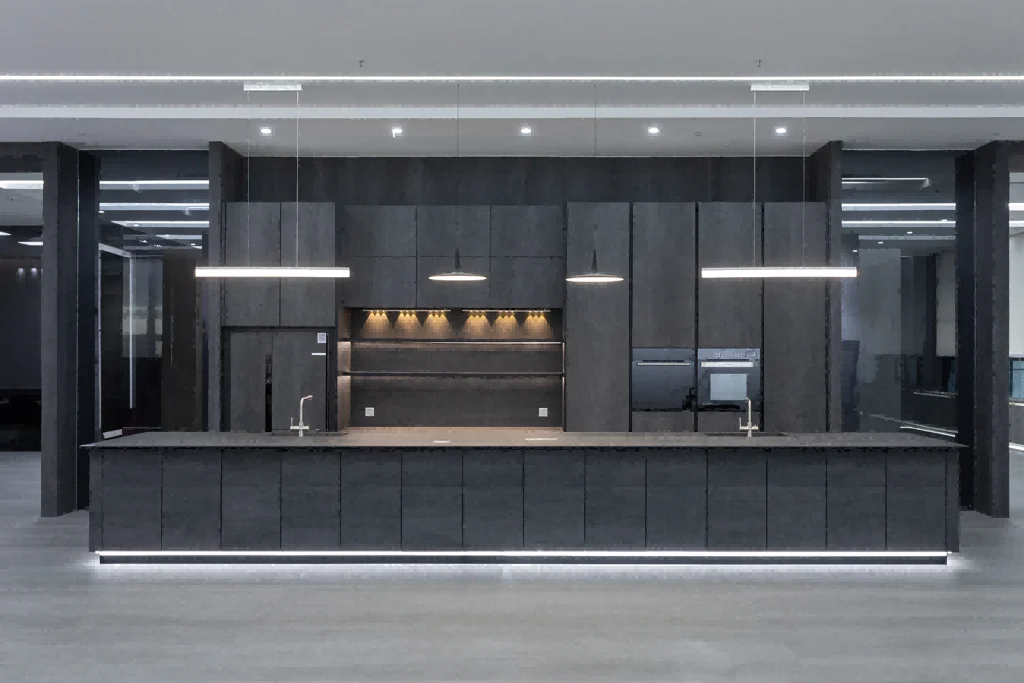
Kitchen cabinets play a starring role in kitchen design. They’re not just for storing your kitchenware; they form the backbone of your kitchen’s design, functionality, and ambiance. Whether you’re planning a comprehensive remodel or just contemplating a minor refresh, grasping the significance of kitchen cabinets is key to enhancing your space.
Let’s take a quick trip down memory lane. The concept of kitchen cabinets has undergone a remarkable transformation. From the humble beginnings of freestanding furniture to the sophisticated, built-in units we see in today’s kitchens, this evolution mirrors shifts in design trends, technological advances, and our changing relationship with the kitchen—truly the heart of the home.
In this guide, we’re diving deep into the world of kitchen cabinets—covering types, styles, materials, and more. Our goal is to equip you with the knowledge and inspiration you need to select cabinets that are as functional as they are beautiful. Ready to embark on this exciting journey to craft your dream kitchen? Let’s dive in!
Kicking off your kitchen transformation journey begins with a solid understanding of kitchen cabinets. These fundamental elements are more than just boxes affixed to your kitchen wall—they are the building blocks of your kitchen’s functionality and aesthetic appeal.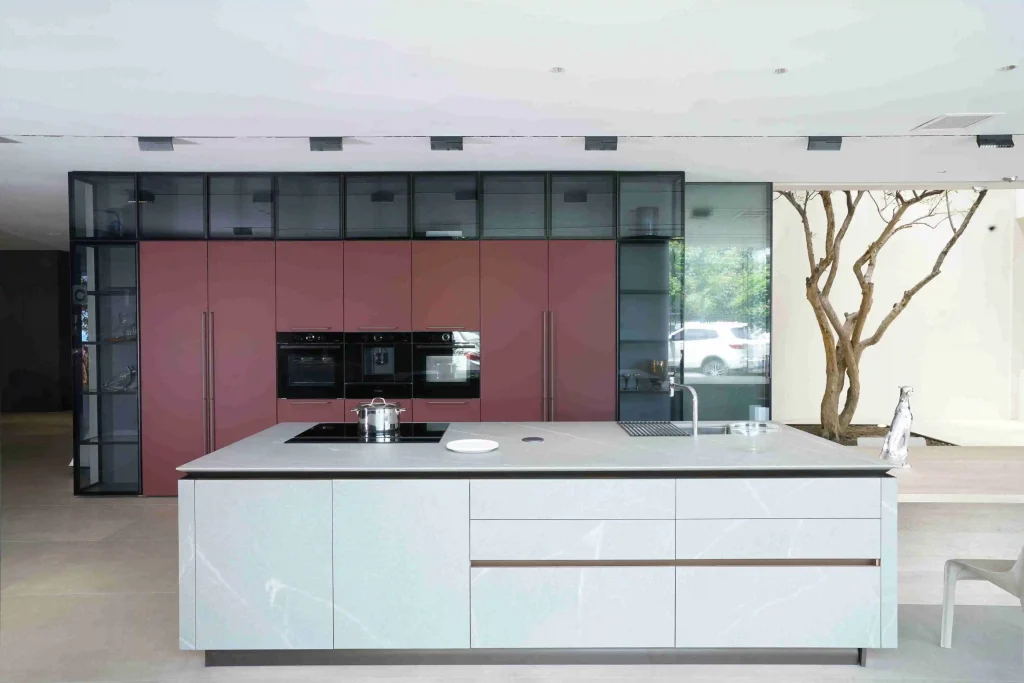
At the core, kitchen cabinets are categorized into base cabinets, wall cabinets, and tall cabinets. Base cabinets provide the foundation, often supporting countertops and offering storage below. Wall cabinets are mounted above the counter, ideal for storing dishes and food items within easy reach. Tall cabinets, sometimes known as pantry cabinets, stretch from floor to ceiling, offering ample storage space for bulk items and larger kitchen essentials.
Understanding the anatomy of a cabinet is key. Cabinets consist of doors that protect the contents and contribute to the style of your kitchen, drawers for easy access storage, shelves for organizing items, and hardware like knobs and pulls that add the finishing touch and enhance functionality.
Kitchen cabinets are made from a variety of materials, each offering its own benefits. Wood and plywood are traditional and sturdy, while particleboard and MDF (Medium Density Fiberboard) offer a more cost-effective solution. Laminate, metal, and glass are used for more contemporary looks, providing durability and style.
Cabinets are also differentiated by their construction and style. From stock cabinets that are ready-made and budget-friendly, to semi-custom and custom cabinets that offer a tailored fit and personalized design, there’s a type to suit every kitchen and every budget.
While customization is always an option, there are standard dimensions for kitchen cabinets that help in planning and layout. Base cabinets typically measure 34.5 inches in height and 24 inches in depth, while wall cabinets vary in height but often have a depth of 12 inches. Knowing these dimensions can help in planning your kitchen layout and ensuring everything fits perfectly.
The color and finish of your cabinets can dramatically affect the look of your kitchen. From classic whites and grays to bold colors that make a statement, the possibilities are endless. Finishes can range from matte to high gloss, each creating a different vibe in the space.
By understanding these basics, you’re well on your way to selecting the perfect cabinets for your kitchen. Keep these considerations in mind as we delve deeper into how to choose the right cabinets for your space in the next section.
As you navigate the sea of kitchen cabinet options, you’ll encounter three main types: stock, semi-custom, and custom. Each type offers different benefits, limitations, and levels of personalization to fit your specific kitchen design goals and budget.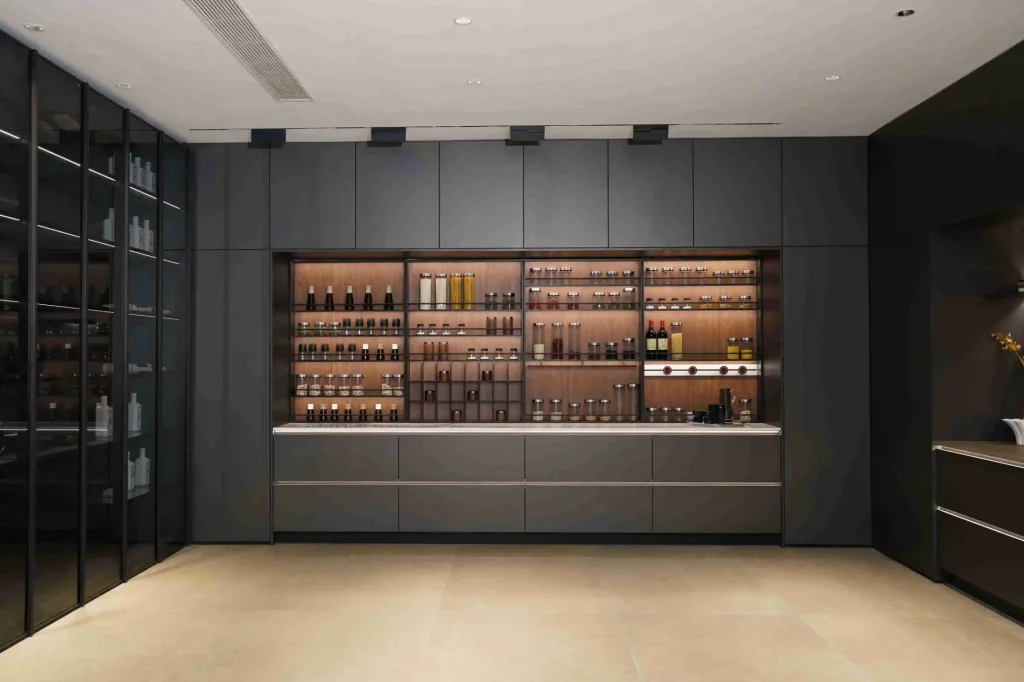
Advantages: Stock cabinets are the go-to choice for budget-conscious homeowners. They are pre-manufactured in standard sizes and are readily available at most home improvement stores, making them a quick and cost-effective option for kitchen renovations.
Limitations: The main downside is their lack of customization. You’re limited to the sizes, styles, and finishes available in the store, which might not perfectly suit your kitchen’s unique dimensions or your personal aesthetic.
Where to Buy: You can find stock cabinets at nearly any large home improvement retailer, as well as through online stores that specialize in cabinetry.
Customization Options: Semi-custom cabinets offer a happy medium between stock and custom options. While they start with a basic pre-manufactured frame, you have the flexibility to adjust dimensions slightly and choose from a wider range of finishes, styles, and features.
How to Choose: Consider semi-custom cabinets if you’re looking for a bit more control over the final look of your kitchen without the higher price tag of fully custom cabinets. They’re ideal for those who need slight modifications to standard sizes or want more variety in materials and finishes.
Process: The journey to custom cabinets starts with a blank slate. You’ll work closely with a designer or cabinet maker to create completely bespoke cabinetry that fits your kitchen’s specific dimensions and your personal design vision.
Benefits: Custom cabinets offer unparalleled personalization and quality. You have total control over every aspect, from the material and color to the layout and storage solutions, ensuring your kitchen is as unique as you are.
Considerations: The main considerations with custom cabinets are time and cost. They require a significant investment, as each piece is crafted to order, and the process from design to installation can take longer than with stock or semi-custom options.
Understanding the differences between these cabinet types is crucial for making an informed decision that aligns with your budget, timeline, and design preferences. Each option has its place in the world of kitchen design, and choosing the right one can make all the difference in your renovation project.
Navigating the world of kitchen cabinets, you’ll quickly find that style and design are just as important as functionality. Whether your home exudes a traditional charm or leans towards a modern aesthetic, understanding the characteristics of different styles and the latest design trends can help you choose the perfect cabinets for your space.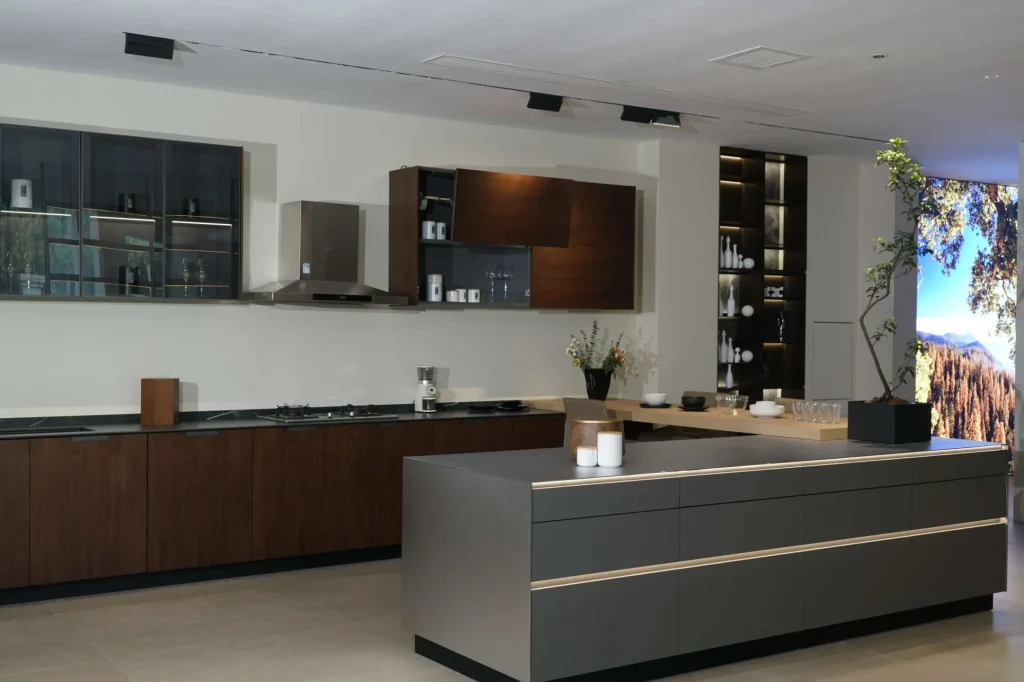
Traditional kitchen cabinets are known for their detailed designs, including raised-panel doors, ornate moldings, and rich wood finishes. They create a warm, classic look that’s timeless. If your home has historical character or you prefer a cozy, inviting kitchen, traditional cabinets might be the way to go.
Modern cabinets, on the other hand, boast sleek, minimalist designs with flat surfaces, simple hardware, and often incorporate materials like metal, glass, or laminate. They’re perfect for creating a clean, contemporary space. If you love a clutter-free environment with a focus on simplicity and functionality, modern style cabinets will likely appeal to you.
The world of kitchen cabinet design is always evolving, with new colors, textures, and innovative features emerging. Some of the latest trends include:
Selecting the right style and design for your kitchen cabinets is a personal journey that should reflect your home’s overall aesthetic and your lifestyle. By staying informed about the latest trends and understanding the characteristics of different styles, you can make a choice that not only looks great but also meets your practical needs.
Choosing the right color scheme and finish for your kitchen cabinets is a pivotal decision that can define the entire ambiance of your kitchen. From creating a welcoming, warm space to crafting a sleek, modern aesthetic, colors and finishes play a crucial role. Let’s dive into how to select the perfect palette and finish for your kitchen cabinets.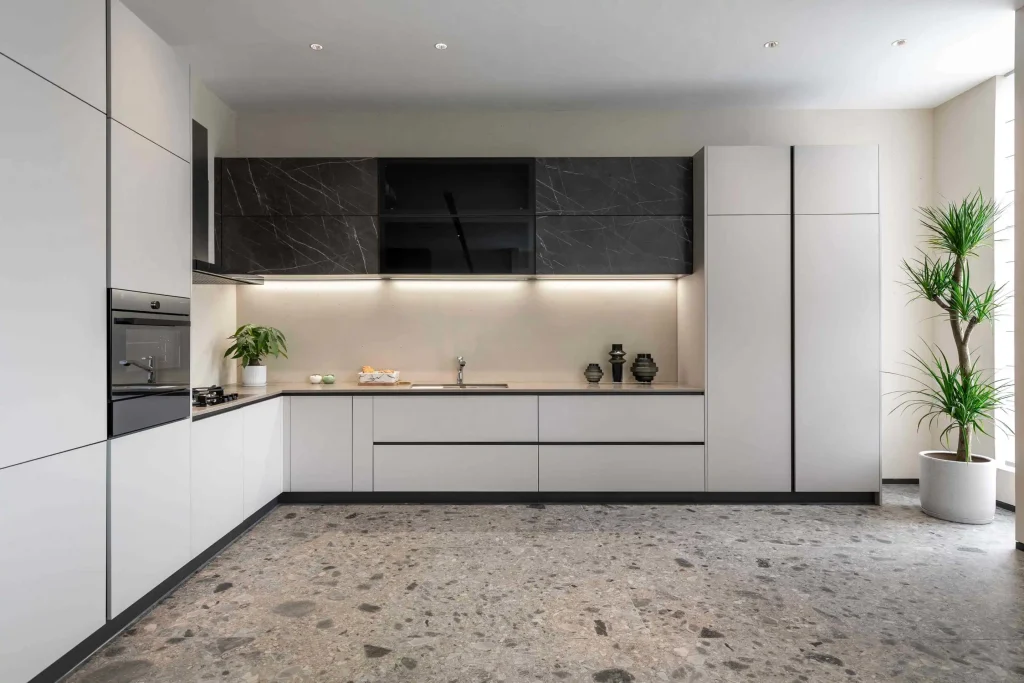
When selecting a color scheme, consider the size of your kitchen and the amount of natural light it receives. Lighter colors can make a small kitchen feel larger and more open, while darker hues can add depth and warmth to a spacious kitchen. Also, think about the overall style of your home and the mood you want to create. Neutrals offer versatility and longevity, whereas bold colors can inject personality and focal points.
Light, whether natural or artificial, significantly affects how colors and finishes look in your kitchen. Natural light can reveal the true color of your cabinets, while artificial lighting can alter perceptions of color and finish. Glossy finishes reflect light, brightening up the space and making it appear larger. Matte or textured finishes absorb light, contributing to a softer, more muted look. It’s essential to consider the orientation of your kitchen and the type of light it receives throughout the day when choosing your cabinet colors and finishes.
Selecting the right color scheme and finish for your kitchen cabinets can transform your space, reflecting your personal style while enhancing the functionality and comfort of your kitchen. Keep these tips in mind as you explore the possibilities for your kitchen renovation.
The hardware you choose for your kitchen cabinets is like the jewelry for your kitchen. It not only has a significant impact on the functionality and accessibility of your cabinets but also plays a crucial role in defining the overall aesthetic of your space. From the timeless debate of knobs versus pulls to the myriad of material and finish options, understanding your hardware choices is key to finalizing the look and feel of your kitchen.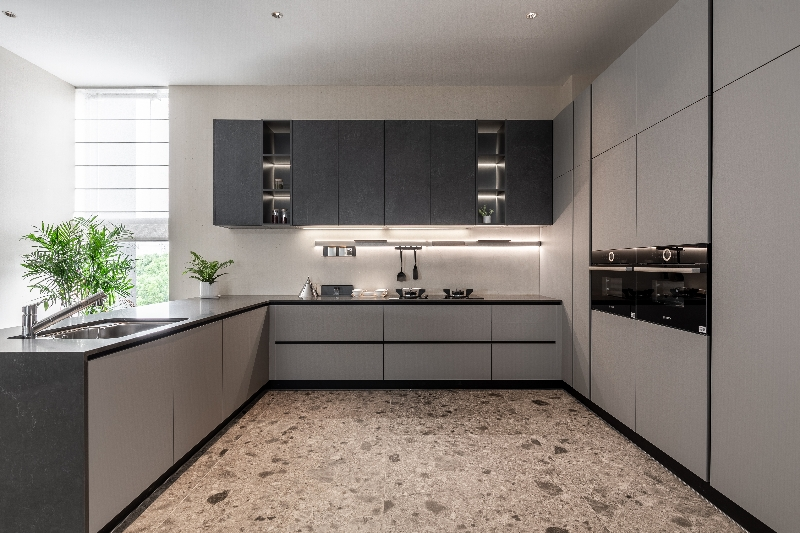
Knobs are small and typically used on cabinet doors. They offer a classic look that works well in almost any kitchen design. Knobs are generally less expensive than pulls and easier to install. However, they might not provide the same ease of use as pulls, especially for individuals with mobility issues or larger hands.
Pulls are larger than knobs and are used on both doors and drawers. They offer a more modern look and provide a better grip, making opening and closing cabinets easier. Pulls can be more expensive and might require two screws for installation, making them slightly more challenging to align perfectly.
The material and finish of your hardware can dramatically affect the overall vibe of your kitchen. Here are some popular options:
The right hardware not only complements the style of your kitchen cabinets but also enhances the overall functionality of your kitchen. It can serve as a focal point or blend seamlessly with the cabinets, depending on the look you’re aiming for. Furthermore, the choice between knobs and pulls can influence how easy it is to open your cabinets and drawers, affecting the overall user experience in your kitchen.
When selecting hardware, consider the balance between aesthetics and functionality. Try to envision how the pieces will look and feel in use, and don’t be afraid to mix and match styles or finishes to create a unique look that’s perfectly tailored to your kitchen.
Choosing the right cabinet hardware is an opportunity to fine-tune the design of your kitchen and truly make it your own. With careful consideration of the pros and cons of knobs and pulls, as well as the material and finish options, you can select hardware that beautifully complements your cabinets and enhances your kitchen’s design and usability.
When designing or renovating a kitchen, functionality should be at the forefront of your decision-making process. The right storage solutions, organizing strategies, and accessibility features can transform your kitchen into a space that’s not only beautiful but also highly efficient and inclusive. Let’s explore some key functional considerations for your kitchen cabinets.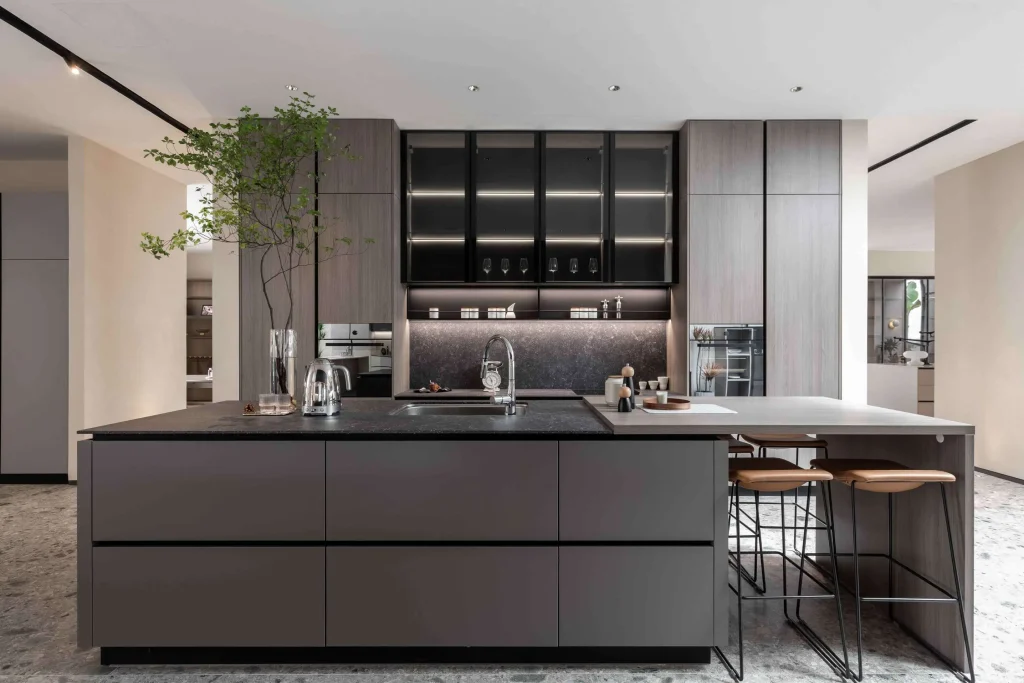
Innovative storage solutions can significantly enhance the usability and efficiency of your kitchen. Here are a few popular options:
A well-organized kitchen can save you time and reduce stress. Consider the following tips for maximum efficiency:
An inclusive kitchen design ensures that everyone, regardless of age or ability, can use the space comfortably and safely. Consider these accessibility features:
Incorporating these functional considerations into your kitchen design not only enhances the day-to-day use of the space but also ensures that your kitchen is a welcoming, accessible environment for all family members and guests. By thoughtfully selecting storage solutions, organizing for efficiency, and prioritizing inclusive design features, you can create a kitchen that beautifully combines form with function.
Selecting the right materials for your kitchen cabinets is crucial, not just for the aesthetic appeal but also for their longevity and sustainability. From the timeless beauty of natural wood to the durability and versatility of engineered materials, let’s dive into a guide that will help you make an informed decision.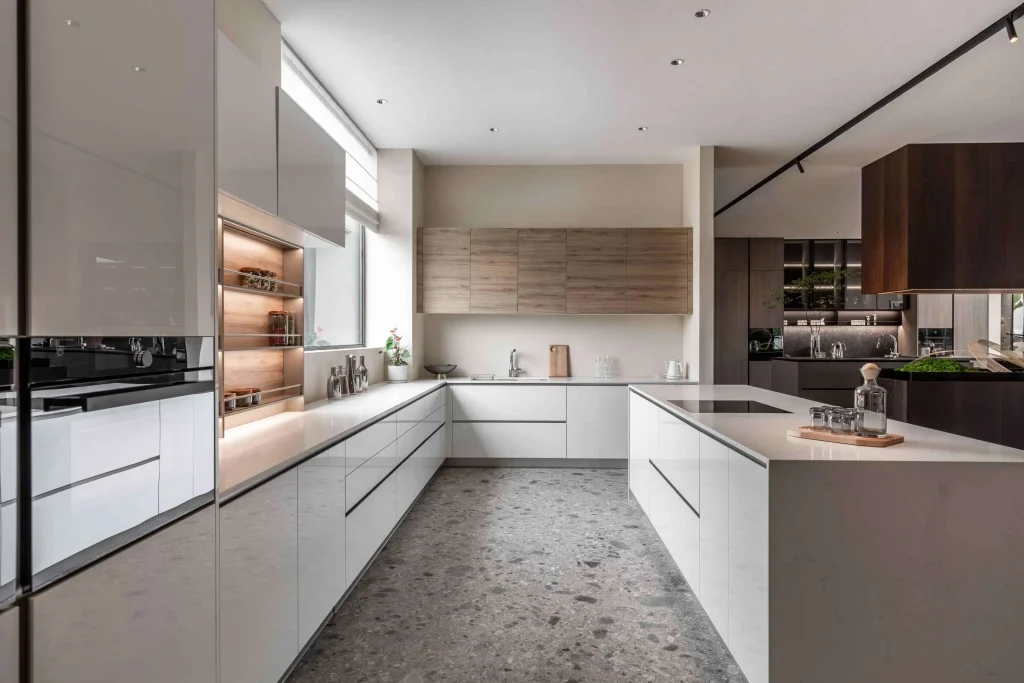
Types of Wood:
Characteristics:
Care:
Engineered Wood (e.g., plywood, MDF):
Laminate and Thermofoil:
When selecting materials for your kitchen cabinets, consider not only the aesthetic and functional aspects but also the environmental impact. Sustainable and eco-friendly options can provide the durability and style you desire while also aligning with your values for a healthier planet.
By understanding the pros and cons of each material, you can choose kitchen cabinets that not only enhance your space but also withstand the test of time and use. Whether you lean towards the natural beauty of wood, the resilience of engineered materials, or the sustainability of eco-friendly options, your choice will significantly influence the look, feel, and functionality of your kitchen.
Crafting an efficient kitchen layout is both an art and a science. It requires a careful balance between aesthetic appeal and functionality. Whether you’re working with a cozy, compact kitchen or a spacious gourmet layout, strategic planning and layout can make all the difference. Here’s how to approach the planning phase for optimal results.
The kitchen work triangle is a time-tested principle that aims to create an efficient kitchen layout by placing the three main work areas (sink, stove, and refrigerator) in a triangular arrangement. The goals are to minimize walking distance between these areas and keep them free from traffic. Ideally, each leg of the triangle should be between 4 and 9 feet, with the total of all three sides between 13 and 26 feet. This setup helps reduce unnecessary movement and allows for a more streamlined cooking process.
Small Kitchens: In compact spaces, focus on maximizing vertical space by utilizing tall cabinets and open shelving. Consider deeper counters to increase work surface and storage below. Opt for sleek cabinet designs and hardware to create a sense of openness.
Large Kitchens: With more space, you have the flexibility to include a variety of cabinet types and configurations, such as islands or peninsulas for additional storage and prep areas. Large kitchens also allow for specialized cabinets like pantries or appliance garages.
Accurate measurements are the foundation of an effective kitchen design. Before any renovation work begins, measure the dimensions of your kitchen space, noting the placement of windows, doors, and utilities. This step is crucial for creating a layout that maximizes functionality and fits your space perfectly.
Every inch of your kitchen should serve a purpose. Utilize corner cabinets with lazy Susans or pull-out shelves to make use of awkward spaces. Include drawer organizers and built-in dividers to keep utensils and cookware orderly. Think creatively about how to use every available space efficiently.
Space is at a premium in small kitchens, so focus on solutions that enhance functionality without cluttering the area. Use light colors to make the space appear larger, and incorporate glass-front cabinets or open shelving to create depth. Multifunctional furniture, like a movable island, can offer additional prep space and storage when needed.
Islands and peninsulas not only provide extra counter and storage space but also serve as focal points for social interaction in the kitchen. Ensure there’s adequate aisle space around these elements (at least 42 inches for a one-cook kitchen and 48 inches for a two-cook setup) to maintain a comfortable workflow.
Proper lighting is essential for a functional and inviting kitchen. Under-cabinet lighting illuminates work surfaces without casting shadows. Integrated cabinet lighting can showcase glass-front cabinets and create ambiance. Ensure that lighting is planned to complement the layout and functionality of your cabinets, enhancing both work areas and the overall atmosphere of your kitchen.
A thoughtfully planned kitchen layout, tailored to the specific needs and dimensions of your space, can significantly enhance both the joy of cooking and the overall cohesion of your home’s design.
The final steps of your kitchen cabinet journey involve the crucial phases of installation and ongoing maintenance. Whether you’re a seasoned DIY enthusiast or prefer the expertise of professionals, understanding the installation process and maintenance essentials can ensure your kitchen remains beautiful and functional for years to come.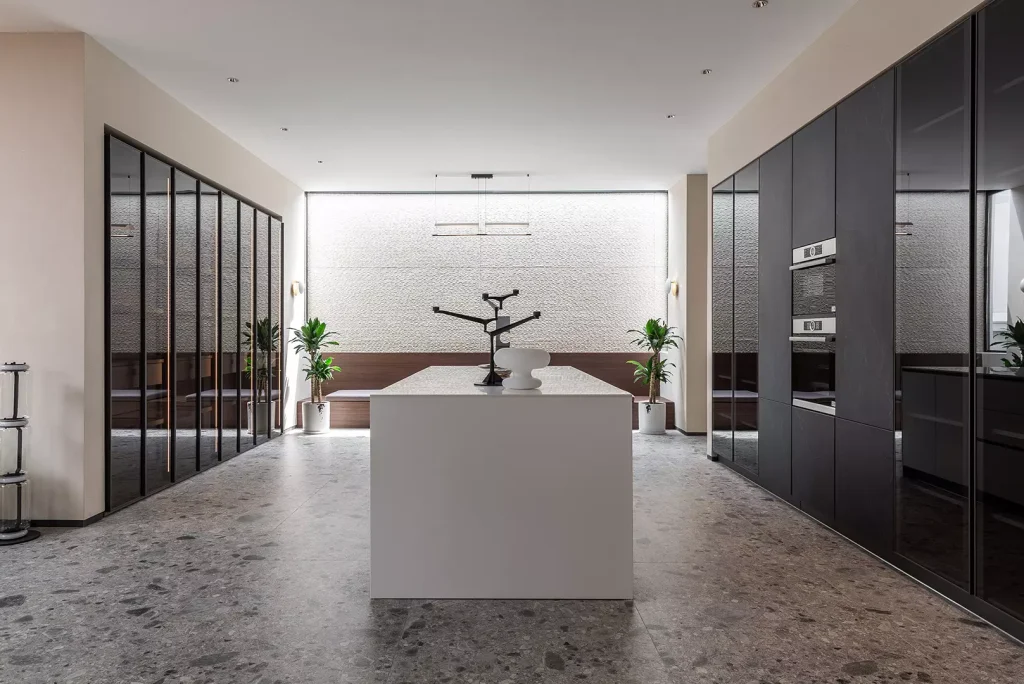
DIY Installation: Tackling the installation yourself can be a rewarding project and cost-effective solution if you have the necessary skills and tools. It’s important to research and prepare thoroughly, ensuring you understand the process and safety precautions. DIY installation allows for a flexible schedule but can be time-consuming and challenging for novices.
Professional Installation: Hiring professionals offers peace of mind and ensures that the job is done efficiently and correctly. Experts can handle unexpected issues and ensure that your cabinets are installed according to manufacturer specifications. While more expensive, professional installation can save time and prevent costly mistakes.
By carefully managing the installation and maintaining your kitchen cabinets properly, you can enjoy a beautiful, functional kitchen for many years. Remember, whether you choose DIY or professional installation, preparation and knowledge are key to success.
A well-organized kitchen can dramatically improve your cooking experience, making it easier to find what you need and keep clutter at bay. Innovative storage solutions and smart design can help maximize every inch of space, whether you’re working with a sprawling kitchen or a cozy nook. Let’s explore some modern solutions that blend functionality with style.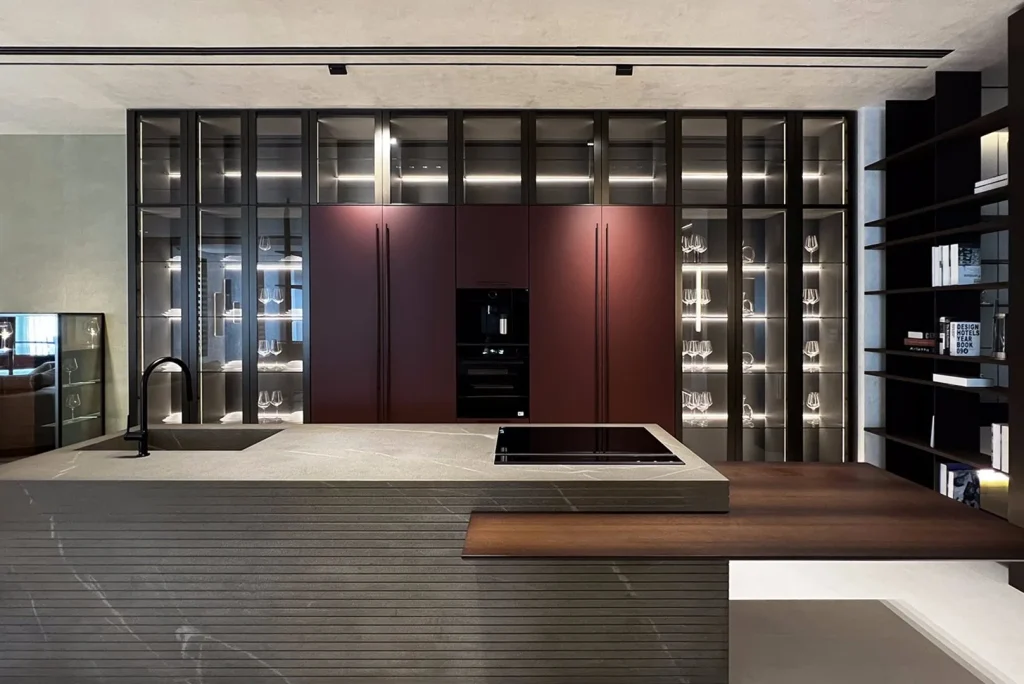
Modern cabinets can be customized with a variety of organizational features that help keep your kitchen items tidy and accessible. Consider adding:
Technology can also play a role in enhancing your kitchen’s functionality. Consider:
In smaller kitchens, every square inch counts. Implementing smart storage solutions can make a big difference:
By embracing these innovative storage solutions, you can create a kitchen that’s not only beautiful but also perfectly tailored to your needs and lifestyle. These ideas demonstrate that with a bit of creativity and the right features, you can maximize efficiency and enjoy a more organized kitchen.
Investing in new kitchen cabinets is a significant financial decision that can impact both the functionality and aesthetic appeal of your kitchen. Proper budgeting and understanding of the costs involved are essential to ensure that you can achieve your dream kitchen without breaking the bank. Here are some insights on how to navigate the financial aspects of cabinet installation, including ways to save and options for financing your project.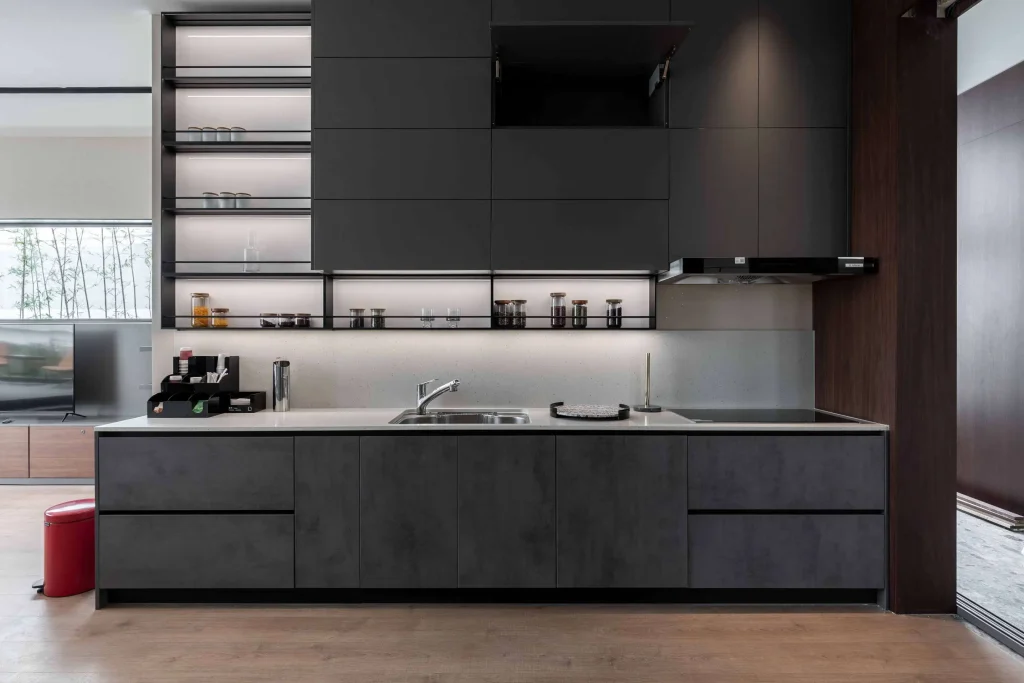
The total cost of kitchen cabinets can vary widely based on several factors:
Investing in kitchen cabinets can significantly enhance your home’s value and appeal to potential buyers. A functional and stylish kitchen is often a key selling point. While the upfront costs can be substantial, the right improvements can offer a solid return on investment, making it a worthwhile endeavor for homeowners planning to sell in the future or simply wanting to enjoy a more beautiful and efficient kitchen.
By carefully planning your budget and exploring all your options, you can ensure that your kitchen cabinet project enhances your home’s value and beauty without exceeding your financial limits.
When embarking on a kitchen cabinet renovation or installation project, it’s easy to get caught up in the excitement and overlook critical aspects that can significantly impact the functionality and longevity of your kitchen. Here are some common pitfalls to be aware of and avoid to ensure your kitchen renovation is both beautiful and practical.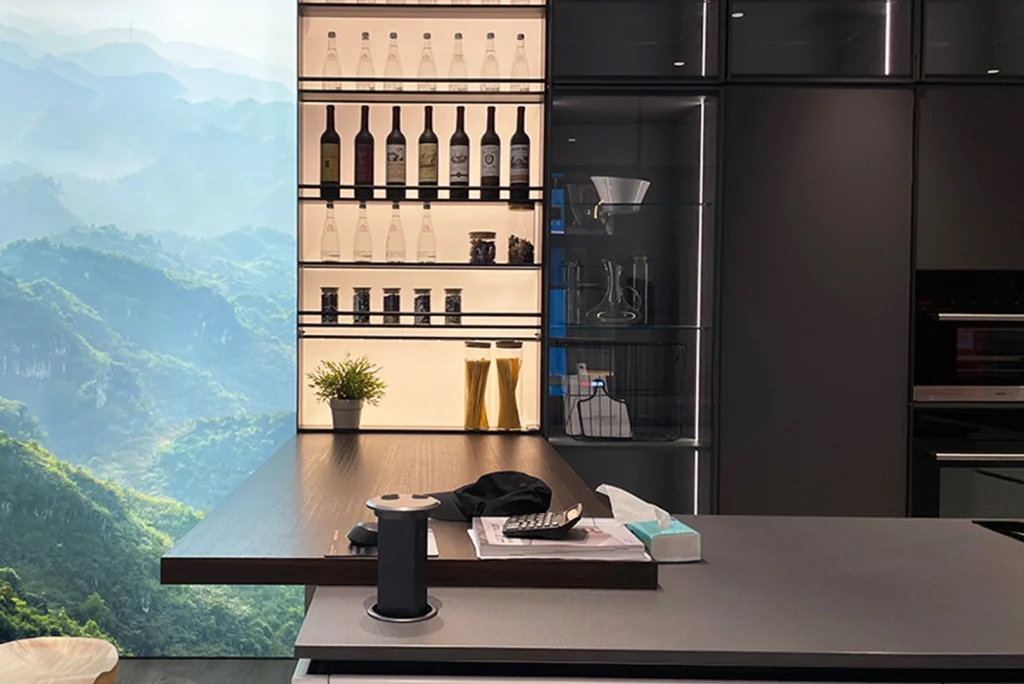
While it’s natural to want a kitchen that looks straight out of a design magazine, prioritizing aesthetics over functionality can lead to frustration in daily use. Ensure your kitchen layout, cabinet organization, and features like pull-out shelves or soft-close hinges are considered alongside the style and color of your cabinets. The goal is to achieve a balance that makes your kitchen both beautiful and functional.
Hardware may seem like a minor detail, but it plays a significant role in the durability and comfort of your kitchen. Cheap or poorly made handles and hinges can lead to doors and drawers that are difficult to open or close and may wear out quickly. Investing in high-quality hardware can improve the overall functionality of your cabinets and save you money and inconvenience in the long run.
Avoiding these common mistakes requires careful planning and consideration of how you’ll use your kitchen daily. By prioritizing functionality, ensuring proper ventilation and lighting, and choosing quality hardware, you can create a kitchen that meets your needs, reflects your style, and stands the test of time.
The future of kitchen cabinetry is set to be shaped by advances in technology, a growing emphasis on sustainability, and evolving design trends that cater to the modern homeowner’s needs. As we look ahead, it’s clear that the kitchens of tomorrow will be more intuitive, eco-friendly, and stylishly versatile than ever before.
Smart cabinets are leading the charge in kitchen innovation, incorporating technology to enhance convenience and functionality. Imagine cabinets that can inventory your groceries and suggest recipes based on what you have on hand, or ones equipped with integrated screens for easy recipe viewing. LED lighting systems that activate upon opening and adjustable interiors that can be reconfigured with the touch of a button are just the beginning. These intelligent features aim to make kitchens more user-friendly and efficient, adapting to the needs of each user.
Sustainability is becoming increasingly important in kitchen design, with a focus on using recycled materials and eco-friendly practices. Cabinets made from reclaimed wood, bamboo, or recycled metals are gaining popularity, offering a blend of eco-consciousness and aesthetic appeal. Additionally, manufacturers are adopting greener practices, from reducing emissions in the production process to using non-toxic paints and finishes. This shift not only benefits the environment but also supports the health and well-being of homeowners.
Looking forward, kitchen design trends are expected to emphasize flexibility, personalization, and efficiency. Modular cabinets that can be easily reconfigured will cater to the changing needs of homeowners, allowing for a kitchen that evolves with life’s transitions. Personalization will also take center stage, with a wider array of materials, finishes, and colors available for a truly customized look. Moreover, efficiency will remain a key focus, with designs that optimize space use and storage solutions that keep everything within reach yet out of sight.
The future of kitchen cabinetry promises to bring even more innovations that combine functionality with style, making the heart of the home more adaptable, sustainable, and technologically advanced. As these trends develop, they will undoubtedly redefine our interactions with the kitchen space, making it more personalized, efficient, and aligned with our values and lifestyles.
Embarking on a kitchen renovation journey introduces a myriad of decisions, from choosing the right materials and styles to incorporating the latest technologies and sustainable practices. We’ve explored the importance of balancing aesthetics with functionality, the significance of proper installation and maintenance, and how innovative storage solutions can transform your kitchen into a highly efficient and enjoyable space. The future of kitchen cabinetry looks bright, with smart technologies, eco-friendly materials, and designs that cater to personalization and flexibility becoming increasingly prevalent.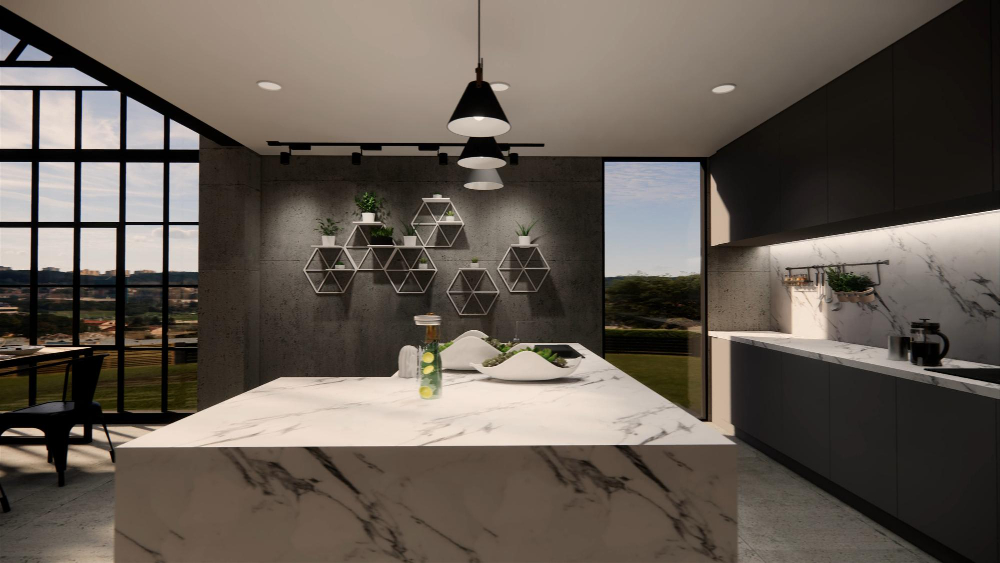
As you consider the multitude of options available, remember the importance of selecting kitchen cabinets that not only reflect your personal style but also meet your functional needs. Your kitchen is a central part of your home and should be designed to make your daily life smoother and more pleasant.
To assist you further in your journey, here are some resources:
Recommended Manufacturers and Brands: For those looking for high-quality kitchen cabinets, BK Ciandre is a leading Chinese kitchen cabinet manufacturer known for its innovative designs and quality craftsmanship. Exploring their offerings can provide you with a blend of style, functionality, and cutting-edge technology.
Books, Websites, and Magazines for Inspiration: Dive into resources like Architectural Digest, Houzz, and Pinterest for visual inspiration. Books such as Kitchen Ideas You Can Use by Chris Peterson provide practical advice and design ideas.
Professional Associations and Online Forums for Further Advice: Joining discussions on platforms like the National Kitchen & Bath Association (NKBA) or forums such as Reddit’s r/HomeImprovement can offer valuable insights and advice from professionals and fellow renovators.
Software and Tools for Planning: Utilize design software like SketchUp or Home Designer Suite to visualize your kitchen remodel. These tools can help you experiment with different layouts and styles before committing.
Consultation Services: Consider consulting with a kitchen design professional. Many offer services ranging from full design to consultations that can help refine your vision and ensure that your project is on the right track.
Your kitchen renovation is an opportunity to create a space that truly resonates with your lifestyle and preferences. By carefully considering each decision and utilizing the resources available, you can achieve a kitchen that is both beautiful and functional, adding value to your home and joy to your daily life.
Learn how to choose, use and maintain aluminum cookware for best performance, durability and value — your complete expert guide.
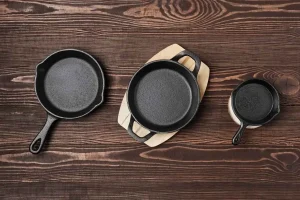
Dive into our ultimate guide to cast iron cookware. Discover its history, significance in modern cooking, care techniques, and how to choose the best pieces for your kitchen.

Stainless steel cookware has earned its place as a kitchen essential for both professionals and home cooks.

Granite pans are generally safe for cooking, provided they are used at recommended temperatures and their non-stick coating is intact, minimizing the risk of chemical leaching.

The cost of a cookware set varies widely, typically ranging from under $100 for basic sets to over $300 for high-end options, depending on materials, brand reputation, and special features. Consider your cooking needs and budget to find the best value.
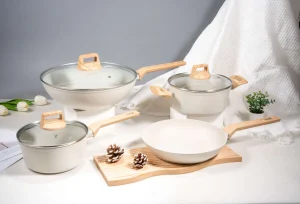
All-Clad, Lodge Cast Iron, Calphalon, Viking Culinary, Made In Cookware, GreenLife, Cuisinart, Farberware, Anolon, Blue Diamond, STAUB, Le Creuset, T-fal