
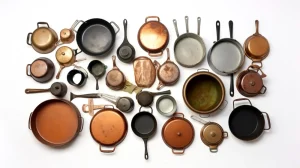

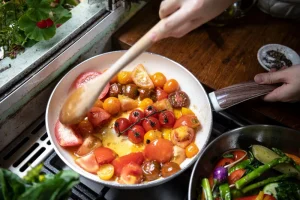
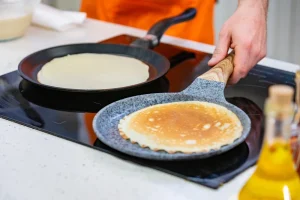
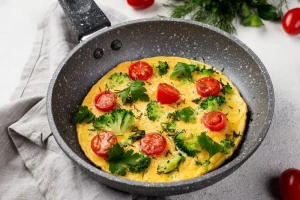
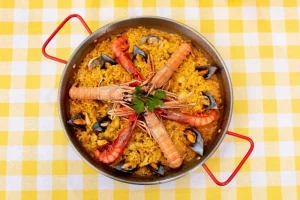
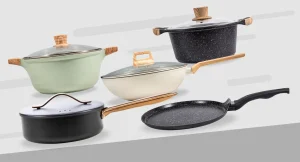

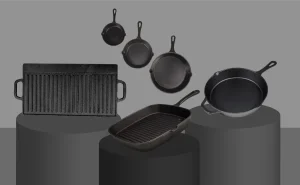
In every kitchen, having the right cookware is crucial for preparing various dishes easily and precisely. Woks, pans, and pots are essential tools that cater to different cooking methods and purposes. This article will guide you through the distinctions between these three types of cookware and help you determine which ones are necessary for your kitchen. We will also discuss choosing suitable materials, coatings, and sizes based on your cooking needs and cooktop compatibility. Additionally, we’ll provide valuable tips on using, caring for, and maintaining your woks, pans, and pots to ensure their longevity and optimal performance. Let’s dive in and explore the world of woks, pans, and pots!
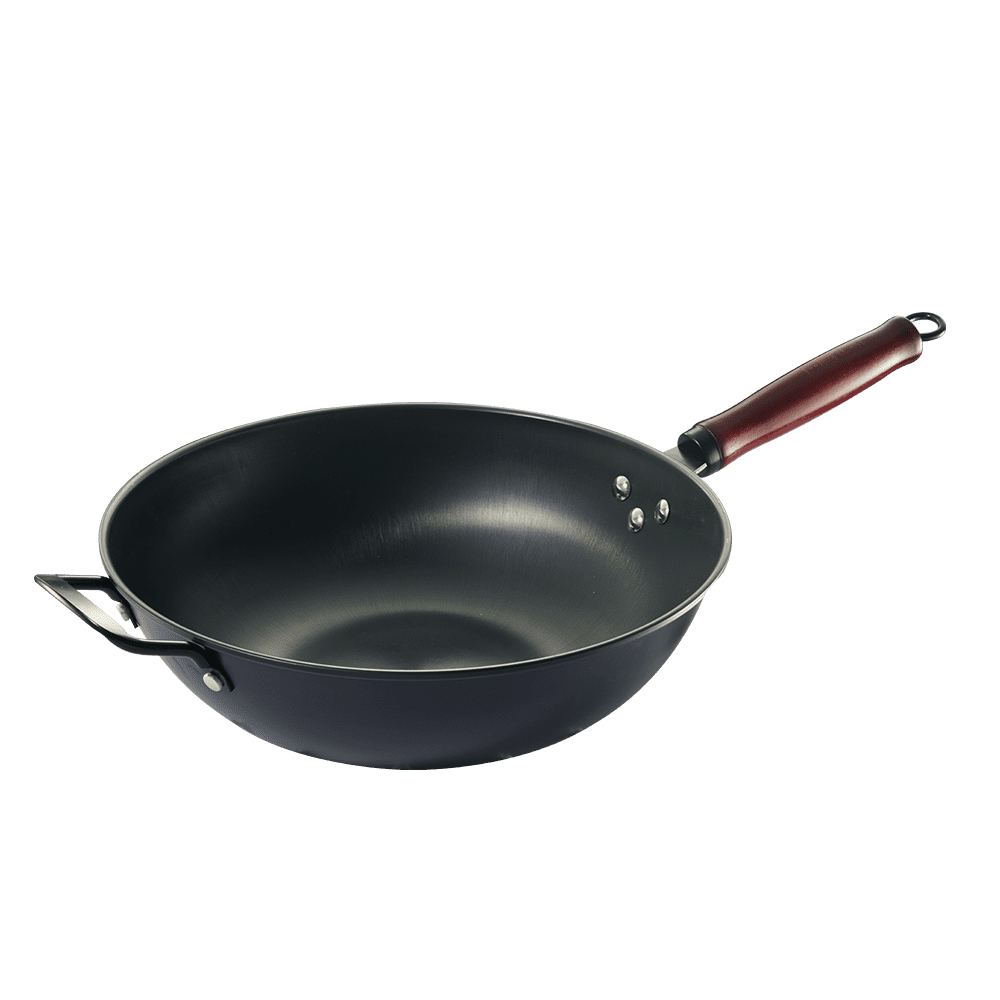
A wok is a versatile, round-bottomed cooking pan originating from China. It is commonly used for stir-frying, deep-frying, searing, and boiling due to its high, sloping sides and excellent heat distribution. Woks are typically made of materials such as carbon steel, cast iron, or stainless steel.
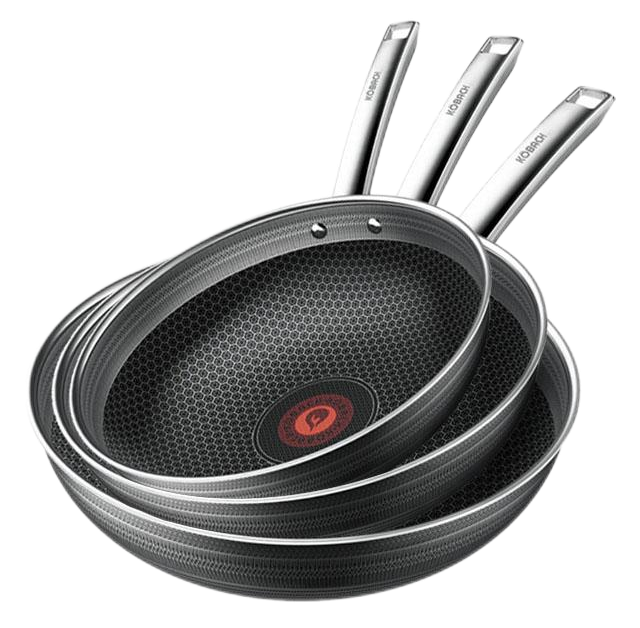
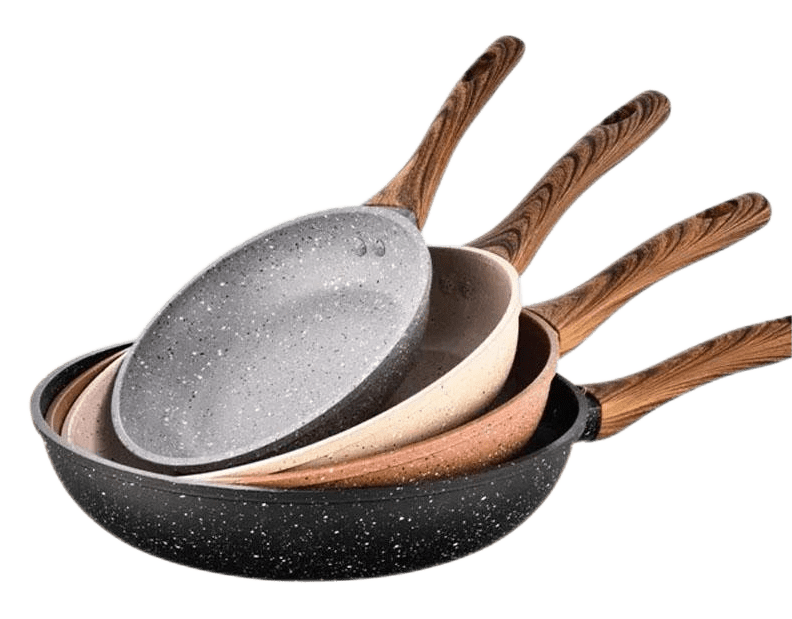
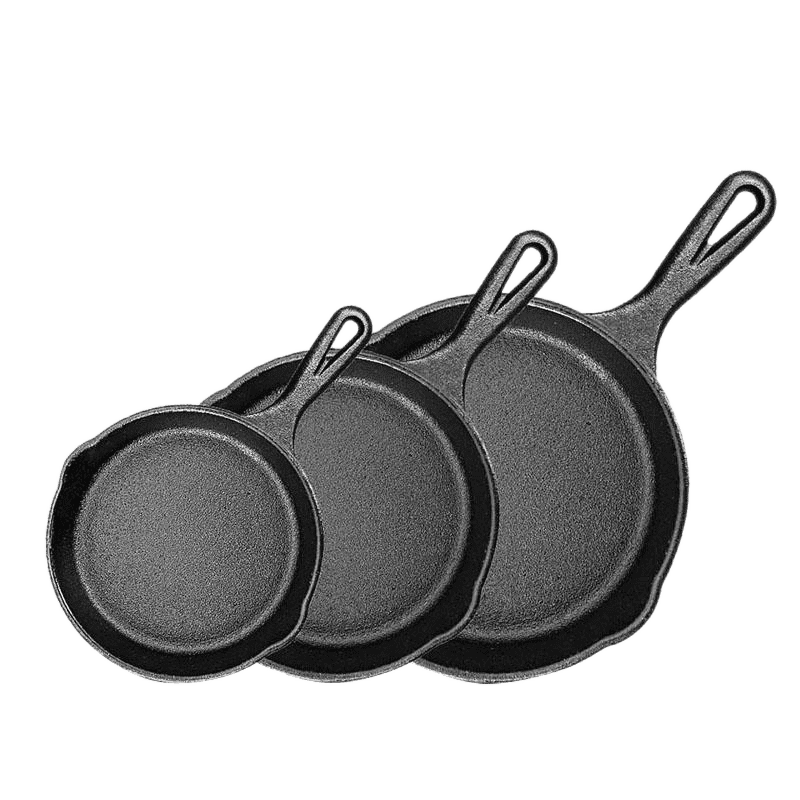
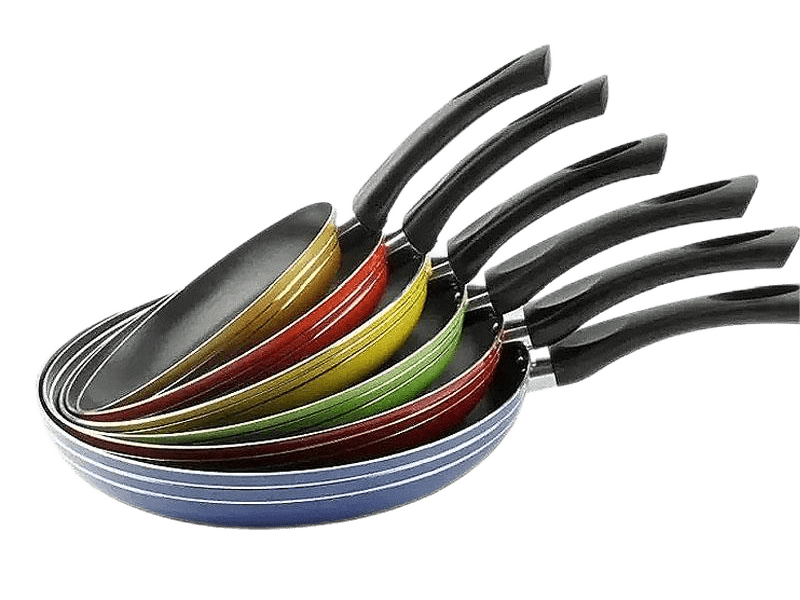
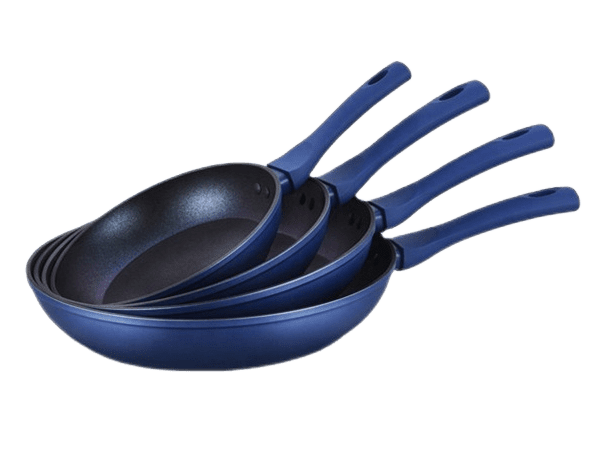
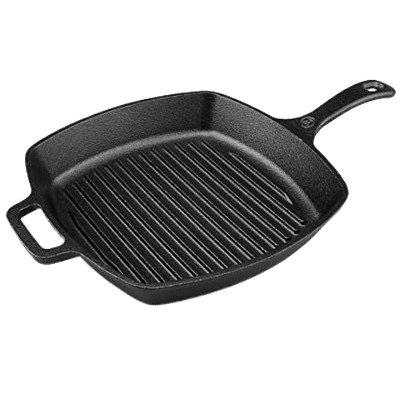
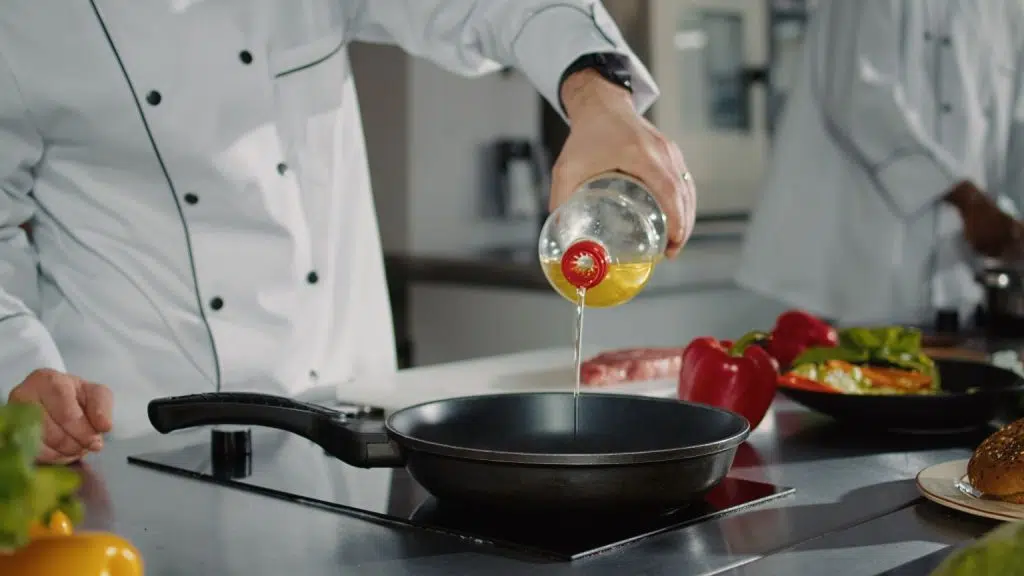
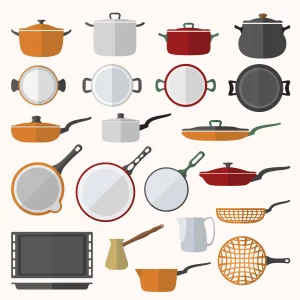
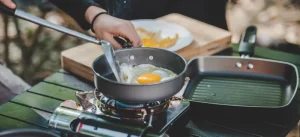
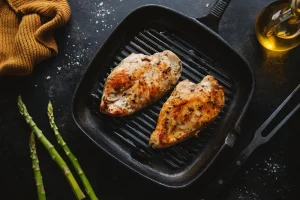
A pan is a flat, shallow, and usually round cooking vessel with a long handle. It is used for frying, sautéing, browning, and simmering food on stovetops. Pans come in various materials, including stainless steel, cast iron, aluminum, and non-stick coatings. A typical example of a pan is a frying pan or a sauté pan.
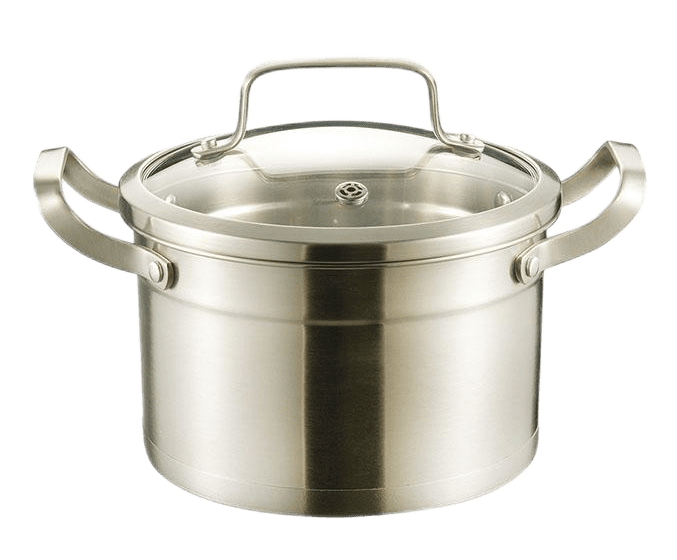
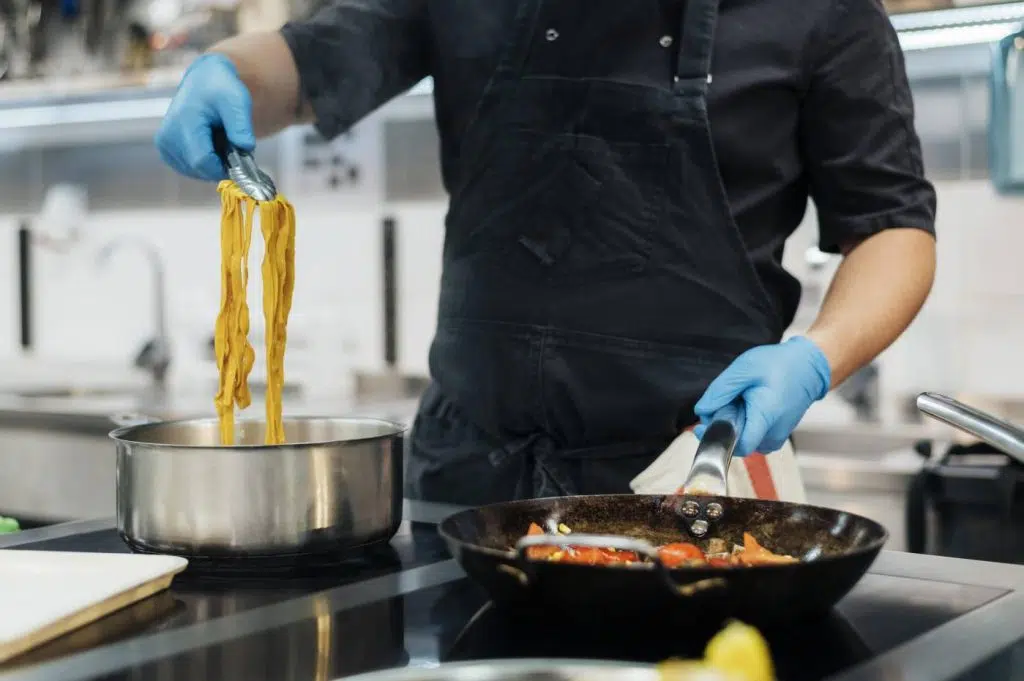
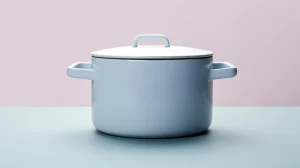
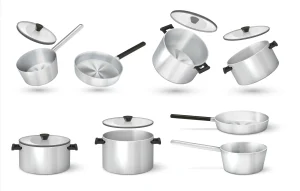
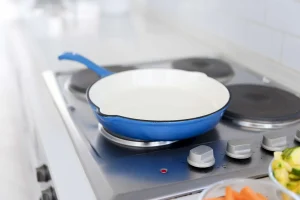
A pot is a deep, usually round cooking vessel with a handle or handles on the sides and a lid. Pots are designed for boiling, simmering, stewing, and slow cooking on stovetops or in ovens. They are typically made from materials such as stainless steel, cast iron, aluminum, and enameled cast iron. Examples of pots include stockpots, saucepots, and Dutch ovens.
Explore this detailed comparison table to understand the primary distinctions between woks, pans, and pots, such as their shapes, uses, materials, and other vital features for a well-informed cookware decision.
Feature | Wok | Pan | Pot |
Shape | Round-bottomed, high sides | Flat, shallow, round | Deep, round |
Common Use | Stir-frying, deep-frying | Frying, sautéing | Boiling, simmering, stewing |
Heat Distribution | Excellent | Good | Good |
Material | Carbon steel, cast iron, stainless steel | Stainless steel, cast iron, aluminum, non-stick coatings | Stainless steel, cast iron, aluminum, enameled cast iron |
Lid | Sometimes included | Sometimes included | Usually included |
Handles | One long handle + helper handle or two short handles | One long handle or two short handles | Two short handles |
Examples | Chinese wok, carbon steel wok | Frying pan, sauté pan | Stockpot, saucepot, Dutch oven |
Capacity | Typically 2-7 quarts | Varies, often 1-4 quarts | Usually 1-20 quarts |
Responsiveness to Heat | Fast | Moderate | Slow to moderate |
Cooking Surface | Small, concentrated | Wide, even | Wide, even |
Suitability for Liquid | Limited | Limited | Excellent |
Adaptability to Cooktops | Gas, electric, induction (with flat-bottomed woks) | Gas, electric, induction | Gas, electric, induction |
Best for | Asian cuisine, high-heat cooking | General-purpose cooking, shallow frying | Soups, stews, sauces, large volumes of liquid |
With this comprehensive table comparing woks, pans, and pots, you can easily identify their unique characteristics and make an informed choice when selecting the perfect cookware to enhance your culinary experience.
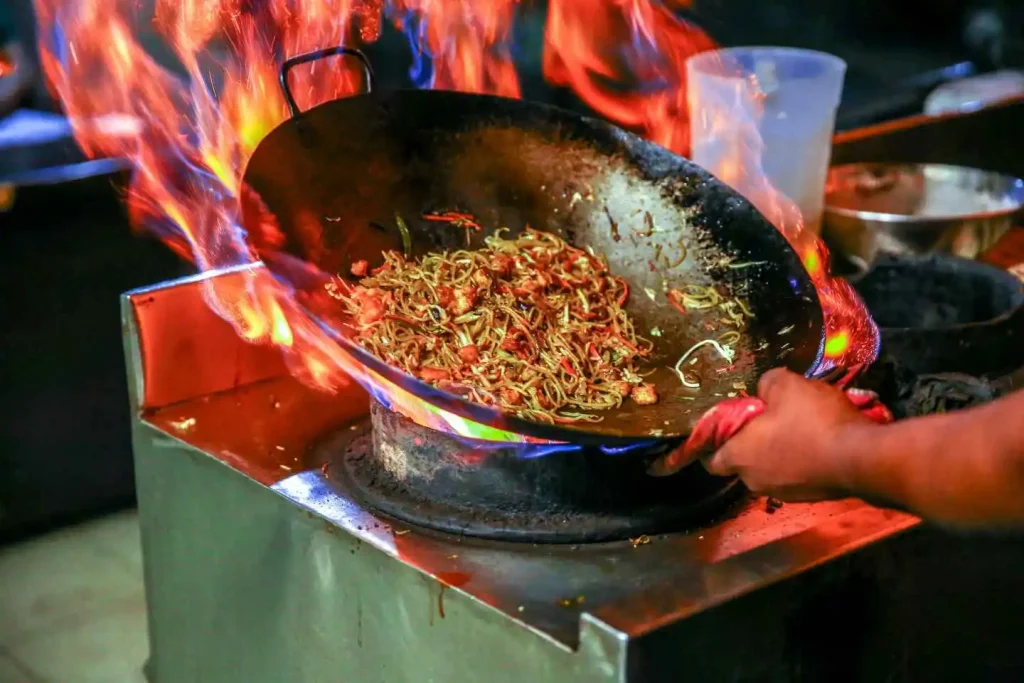
Perfect for stir-frying, deep-frying, and searing due to its quick heat conductivity and lightweight design.
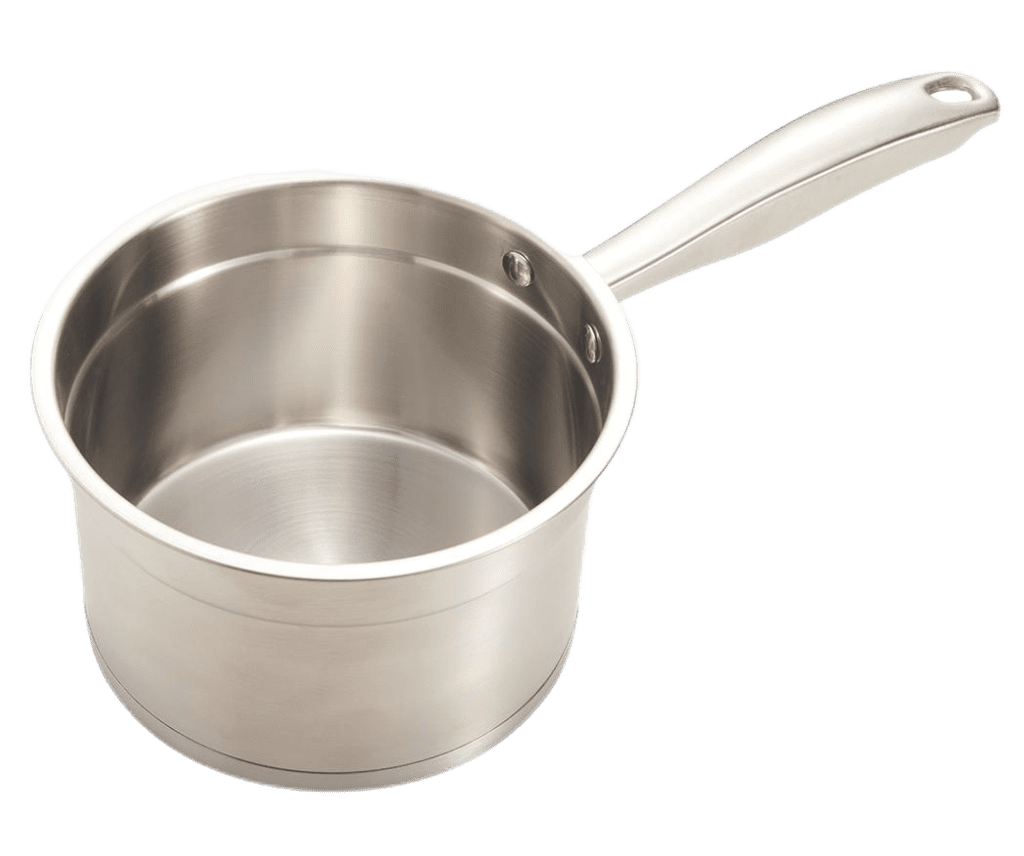
A versatile pot for boiling, simmering, and making sauces, the stainless steel construction provides even heating and durability.
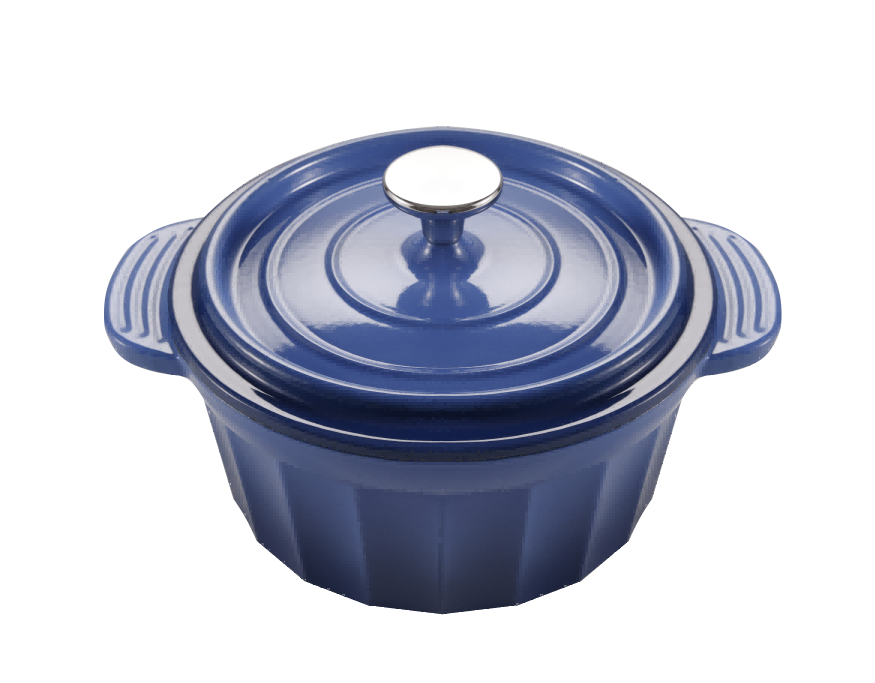
Ideal for slow cooking, braising, and baking, the enameled surface is easy to clean and does not require seasoning.
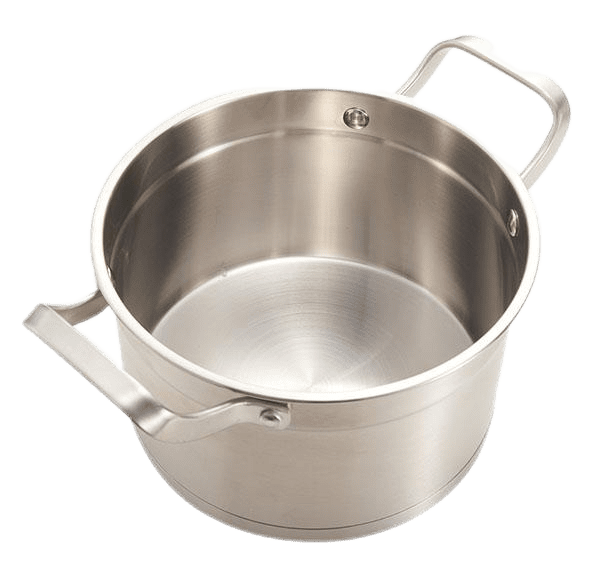
A must-have for large batch cooking, such as soups, stews, and boiling pasta, its tall, narrow shape allows for even heat distribution.
These six types of woks, pans, and pots cover various cooking techniques and are essential for any well-equipped kitchen.
Choosing the right woks, pans, and pots for your kitchen involves considering several factors, including your cooking needs, the materials, and the sizes. Here are some tips to help you make the right decision:
Consider the types of dishes you frequently cook and the cooking techniques you use. This will help you determine which types of cookware are essential for your kitchen.
Cooking Methods | Wok | Pan | Pot |
Stir-Frying | ✔️ (High heat, fast cooking) |
|
|
Sautéing | ✔️ (Quick cooking, tossing) | ✔️ (Shallow pan, flipping) |
|
Frying | ✔️ (Deep frying) | ✔️ (Shallow frying) | ✔️ (Deep frying) |
Boiling |
|
| ✔️ (Larger volume for liquids) |
Simmering |
|
| ✔️ (Slow cooking, maintaining low heat) |
Steaming | ✔️ (With bamboo steamer or steaming rack) |
| ✔️ (With steaming insert) |
Roasting |
| ✔️ (Oven-safe, even heat distribution) |
|
Baking |
| ✔️ (Oven-safe, even heat distribution) | ✔️ (Casserole dishes, etc.) |
Braising |
| ✔️ (Searing, then slow cooking) | ✔️ (Slow cooking with a tight lid) |
Poaching |
| ✔️ (Gentle cooking in liquid) | ✔️ (Larger pieces of food) |
Blanching |
| ✔️ (Quickly cooking in boiling water) | ✔️ (Larger amounts of food) |
Grilling |
| ✔️ (Grill pans with ridges) |
|
Steeping |
|
| ✔️ (Making tea, infusions) |
Reduction |
| ✔️ (Wide surface area for evaporation) |
|
Caramelizing |
| ✔️ (Flat surface for even heat) |
|
Deglazing |
| ✔️ (Loosen flavorful bits) |
|
Sous Vide |
|
| ✔️ (Used as a water bath) |
Double Boiler (Bain-Marie) |
|
| ✔️ (Gentle, indirect heat) |
Smoking | ✔️ (Wok with lid, can hold smoking material) |
|
|
Broiling |
| ✔️ (Oven-safe, flat surface) |
This table highlights which cookware types are best suited for various cooking needs, making it easier to determine the best choice of wok, pan, or pot for your specific requirements.
By identifying your primary cooking needs and referring to this table, you can choose the most appropriate wok, pan, or pot for your kitchen, ensuring you have the right tools for your favorite cooking techniques.
Different materials offer various benefits, such as heat conductivity, durability, and non-stick properties. For example, carbon steel is great for woks due to its lightweight nature and quick heat conductivity, while cast iron is ideal for skillets because of its excellent heat retention.
Here is a table that provides a comprehensive overview of the pros and cons of various cookware materials, allowing you to make an informed decision when selecting the best woks, pans, and pots for your kitchen.
Material | Pros | Cons |
Carbon Steel | Lightweight, quick heat conductivity, durable, affordable, develops non-stick surface with use | Requires seasoning, prone to rust if not maintained, not dishwasher-safe |
Cast Iron | Excellent heat retention, highly durable, versatile, long-lasting, develops non-stick surface with use | Heavy, requires seasoning, can be reactive with acidic foods, not dishwasher-safe, slow to heat up |
Stainless Steel | Non-reactive, durable, versatile, compatible with all cooktops, dishwasher-safe, doesn’t require seasoning | Poor heat conductivity (unless clad with aluminum/copper), can develop hotspots, may require oil for non-stick cooking |
Aluminum | Lightweight, affordable, good heat conductivity, heats up quickly, dishwasher-safe | Prone to warping, can react with acidic foods, less durable compared to other materials, may scratch easily |
Copper | Excellent heat conductivity, precise temperature control, beautiful appearance, responsive to heat changes | Expensive, reactive, requires regular polishing, not dishwasher-safe, may require lining with stainless steel or tin |
Ceramic | Non-stick, non-reactive, easy to clean, good heat retention, dishwasher-safe, eco-friendly | Can be fragile, not ideal for high-heat cooking, may chip or crack, not compatible with all cooktops |
By considering factors such as heat conductivity, durability, compatibility, and maintenance, you can choose the right material for your woks, pans, and pots, ensuring that they will meet your cooking needs and provide long-lasting performance.
Some cookware options, like non-stick frying pans, come with a coating that makes cooking and cleaning easier. However, be aware that non-stick coatings can wear off over time, and some people may have concerns about potential health risks associated with certain types of coatings.
Here is a table outlining the advantages and disadvantages of different cookware coatings, guiding you to choose the right coating for your woks, pans, and pots based on factors such as ease of use, durability, and cooking preferences.
Coating | Pros | Cons |
Uncoated | Develops natural non-stick surface with use, durable, allows for high-heat cooking | Requires seasoning (for cast iron/carbon steel), prone to sticking initially, not dishwasher-safe |
Enameled | Non-reactive, easy to clean, doesn’t require seasoning, can withstand acidic foods, dishwasher-safe | Can chip or crack, not as non-stick as other coatings, may require more oil for cooking |
Non-stick (PTFE) | Easy food release, requires less oil, easy to clean, dishwasher-safe | May not be suitable for high-heat cooking, can degrade over time, potential health concerns |
Ceramic Non-stick | Environmentally friendly, easy food release, easy to clean, dishwasher-safe, withstands high heat | May not be as durable as other coatings, can chip or wear off over time, requires gentle utensils |
By comparing uncoated, enameled, non-stick (PTFE), and ceramic non-stick coatings, you can make an informed decision that best suits your cooking needs, ensuring that your cookware provides optimal performance and lasts longer.
Think about the size of your cookware in relation to your cooking needs and the number of people you usually cook for. Having a variety of sizes will provide versatility for different recipes and portion sizes.
Here is a table that provides a helpful guide to selecting the appropriate size of woks, pans, and pots based on the number of people you typically cook for, ensuring you have the right cookware for your needs.
Cookware Type | Small (1-2 people) | Medium (3-4 people) | Large (5+ people) |
Wok | 10-12 inches diameter | 12-14 inches diameter | 14-16 inches diameter |
Pan | 8-10 inches diameter | 10-12 inches diameter | 12-14 inches diameter |
Pot | 1.5-3 quarts capacity | 4-6 quarts capacity | 7+ quarts capacity |
By choosing the right size of wok, pan, or pot for your cooking requirements, you can optimize your cooking process and avoid overfilling or under-utilizing your cookware, leading to better results and energy efficiency.
Ensure that the cookware you choose is compatible with your cooktop, whether it’s gas, electric, or induction. Some cookware materials, like cast iron, may not work well with certain cooktops, while others, like stainless steel, are more versatile.
Cookware Material | Gas Stovetop | Electric Coil Stovetop | Glass or Ceramic Stovetop | Induction Cooktop |
Cast Iron | ✔️ | ✔️ | ⚠️ (May scratch surface) | ✔️ (If magnetic) |
Stainless Steel | ✔️ | ✔️ | ✔️ | ✔️ (If magnetic) |
Aluminum | ✔️ | ✔️ | ✔️ | ❌ |
Copper | ✔️ | ✔️ | ✔️ | ❌ |
Non-stick | ✔️ | ✔️ | ✔️ | ✔️ (If magnetic) |
Enameled Cast Iron | ✔️ | ✔️ | ⚠️ (May scratch surface) | ✔️ (If magnetic) |
Glass | ❌ | ✔️ | ⚠️ (May scratch surface) | ❌ |
Ceramic | ✔️ | ✔️ | ⚠️ (May scratch surface) | ❌ |
This table helps you identify the compatibility of various cookware materials with different types of cooktops, ensuring you choose the right cookware for your kitchen setup. Remember to always check the manufacturer’s guidelines for specific cookware compatibility.
We should buy high-quality cookware instead of the cheap, low-quality cookware because the first one will last for years and the second one need to be replaced frequently.
With these factors, you can choose the right cookware for your kitchen and ensure that you have the right tools to cook delicious meals.
Always read the instructions for specific use and maintenance tips.
Gradually preheat your cookware on low or medium heat to avoid thermal shock, which can cause warping or damage.
Use wooden, silicone, or heat-resistant plastic utensils to prevent scratching non-stick or delicate surfaces.
Don’t expose hot cookware to cold water or a cold surface, as it may cause warping or thermal shock.
Clean your cookware with warm, soapy water after each use. For stubborn stains, use a non-abrasive cleaner or a soft scrubbing pad. Avoid using steel wool or harsh cleaning chemicals.
Season cast iron cookware regularly to maintain its non-stick properties and prevent rust. Coat the surface with a thin layer of vegetable oil, then heat it in the oven for an hour at 350°F (175°C). Let it cool before storing.
Store your cookware in a dry, cool place to prevent moisture build-up and rust. If stacking, use a protective layer (e.g., cloth or paper towel) between the cookware to prevent scratches.
Avoid using high heat with non-stick and enameled cookware, as it can cause the coating to deteriorate or emit harmful fumes.
Check the manufacturer’s instructions for dishwasher-safe cookware. Handwashing is recommended for cast iron, non-stick, and some enameled cookware to prolong their lifespan.
If your cookware is severely damaged, or warped, or the non-stick coating is peeling, it’s time to repair or replace it for safety and optimal cooking performance.
In conclusion, understanding the differences between woks, pans, and pots is essential for choosing the right cookware for your kitchen. By considering the materials, coatings, size, cooking needs, and cooktop compatibility, you can make an informed decision and invest in cookware that best suits your preferences and cooking style. Proper use, care, and maintenance will extend the lifespan of your cookware and ensure optimal cooking results. With the right woks, pans, and pots in your kitchen, you can create delicious and diverse meals for yourself and your loved ones.
Dive into our comprehensive FAQ section where we’ve answered your most pressing queries about wok, pan, and pot. Uncover the differences, understand the importance, and learn essential cooking techniques to make your wok experience seamless.
The best pan to replace a wok would ideally be a deep, wide frying pan with sloping sides that allow similar cooking techniques as a wok.
A wok has high, sloping sides and a small bottom area, ideal for stir frying, while a pot has straight sides and a larger bottom, suited for boiling or simmering.
Cast iron retains heat well but takes longer to heat up, making it perfect for slow cooking. Carbon steel heats up quickly, ideal for stir-frying.
A wok pan’s unique shape distributes heat evenly, allowing food to cook quickly and uniformly, which is essential for stir-fry and other Asian dishes.
As a beginner, start with simple stir-fry dishes. Heat your wok, add oil, then add your ingredients, beginning with those that take longest to cook.
Always heat your wok before adding oil. This prevents sticking and achieves the “wok hei” or “breath of the wok” flavor that is so desired in Asian cooking.
Yes, a wok can be placed directly on the stove. But for flat stovetops, a wok ring may be used to stabilize it.


Learn how to choose, use and maintain aluminum cookware for best performance, durability and value — your complete expert guide.

Dive into our ultimate guide to cast iron cookware. Discover its history, significance in modern cooking, care techniques, and how to choose the best pieces for your kitchen.

Stainless steel cookware has earned its place as a kitchen essential for both professionals and home cooks.

Granite pans are generally safe for cooking, provided they are used at recommended temperatures and their non-stick coating is intact, minimizing the risk of chemical leaching.

The cost of a cookware set varies widely, typically ranging from under $100 for basic sets to over $300 for high-end options, depending on materials, brand reputation, and special features. Consider your cooking needs and budget to find the best value.

All-Clad, Lodge Cast Iron, Calphalon, Viking Culinary, Made In Cookware, GreenLife, Cuisinart, Farberware, Anolon, Blue Diamond, STAUB, Le Creuset, T-fal