
Introduction:
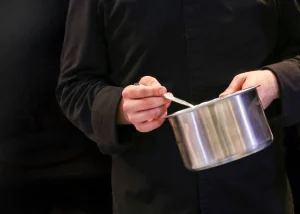
The reason behind a delicious meal can be a great cook and superior quality cookware materials! The taste of our meals depends upon the kitchenware materials we choose to prepare everyday meals. It is a fact that good chefs use good cookware which results in delicious meals. Have you ever wondered what type of cookware professionals use? They use high-quality kitchen products to make delicious meals. Most professionals use stainless steel cookware with a high taste of the food. This blog post is a guide to caring for stainless steel cookware. In this guide, we will study the best ways for caring for stainless steel cookware for long-term keeping. In this article, you will learn the right way to wash and dry the kitchen cookware.
A Comprehensive Guide to Caring For Stainless Steel Cookware
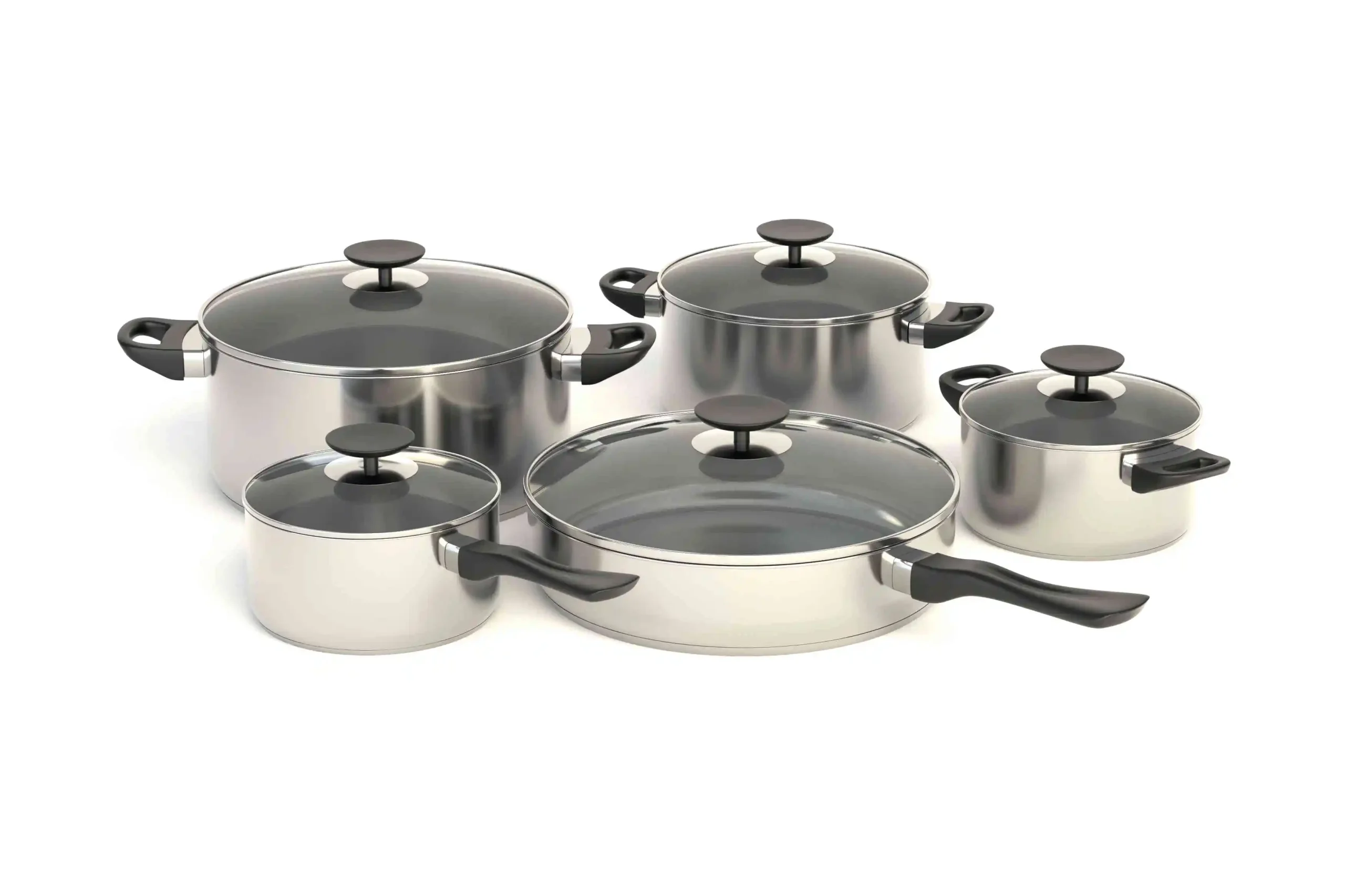
We use different types of equipment in our kitchen every day. The utensils should be cleaned in the right way. If you will take care of your vessels and cookware they will work great and long life maintained. It begins with the initial cleaning and preparation before the first use, ensuring any manufacturing residues are thoroughly removed. Regular cleaning involves hand washing with warm, soapy water using non-abrasive tools to prevent scratching. By following this comprehensive guide, you can improve the life of your kitchen equipment.
Importance of Stainless Steel Cookware in Modern Kitchens
Modern stainless steel cookware is a part of every professional kitchen due to multiple reasons.
One of the biggest reasons is they are solid and durable. In stainless steel, the heat is distributed firmly without any temperature change throughout. Stainless steel is a composition of different metals. The blend of copper, iron, and other metals in stainless steel prevents corrosion and staining. The optimal distribution of heat prevents food burning and enhances its flavor.

Moreover, stainless steel is non-reactive and shows no reaction with acids present in foods like tomatoes, lemon, and citrus fruits. Cooking food with this type of cookware assures you that the taste of food remains the same as natural. In addition to increasing the food taste, stainless steel enhanced the beauty of a kitchen. Stainless steel cookware emanates a professional and advanced ambiance, whether displayed on a pot rack or properly organized in cabinets, increasing the overall visual attraction of the cooking surroundings.
Understanding Stainless Steel Cookware
A: Composition and Properties of Stainless Steel
Stainless steel is a widely utilized material in cookware known for its intense durability and corrosion-free property that differentiated it from other cookware. Its corrosion-free and staining-free property is due to its unique composition. An alloy is a metal made by mixing two or more metals particularly to give solidity or opposition to decay. Stainless steel is a corrosion-resistant alloy of a few metals that mainly contain iron, Nickel, and other metals.
B: Advantages of Stainless Steel Cookware
The advantages of stainless steel cookware are:
- Durability:Stainless steel cookware is mainly famous for its extreme strength and durability. It is a corrosion-free, dent-proof, and long-living material that lasts prolonged. That’s why professional cooks use this type of cookware for preparing their meals.
- Corrosion Resistance:The composition used in making stainless steel makes it decay resistant which results in its extended life and dent resistivity making it useable numerous times. Its composition consists of metals that are resistant to stains, confirming its formation stays unchanged over time.
- Heat Distribution: Stainless steel cookware with aluminum or copper bodies presents outstanding heat conductivity and dispersal. This allows for even heating across the cooking surface, lowering the risk of hot areas and providing consistent cooking results. It results in the form of a tasty meal.
- Easy Maintenance:Stainless steel cookware is rather easy to wash and keep. Its smooth and non-porous surface resists perforating, making it less probable for food particles to attach. Most stainless steel cookware can be washed by using dishwashers which saves your time and effort.
- Price Range: Compared to some other types of cookware, stainless steel items can be moderately pricey. Yet, it is usually considered a valuable investment due to its durability and long-lasting merit.
- Non-reactive surface:The chemical makeup of stainless steel prevents it from reacting with acidic foods when used for cooking, so you can trust that the taste and nutritional content of your food will remain unaltered due to this guarantee. Dishes containing acidic ingredients such as tomato and vinegar are best prepared using stainless steel cookware.
Preparing Your Stainless Steel Cookware:
It is necessary to clean and wash stainless steel products before the first time using because there is a possibility of having some residue or manufacturing impurities on the cookware. So, initial cleaning actions must be obeyed before first-time use of these kinds of products. Here are the steps to follow:
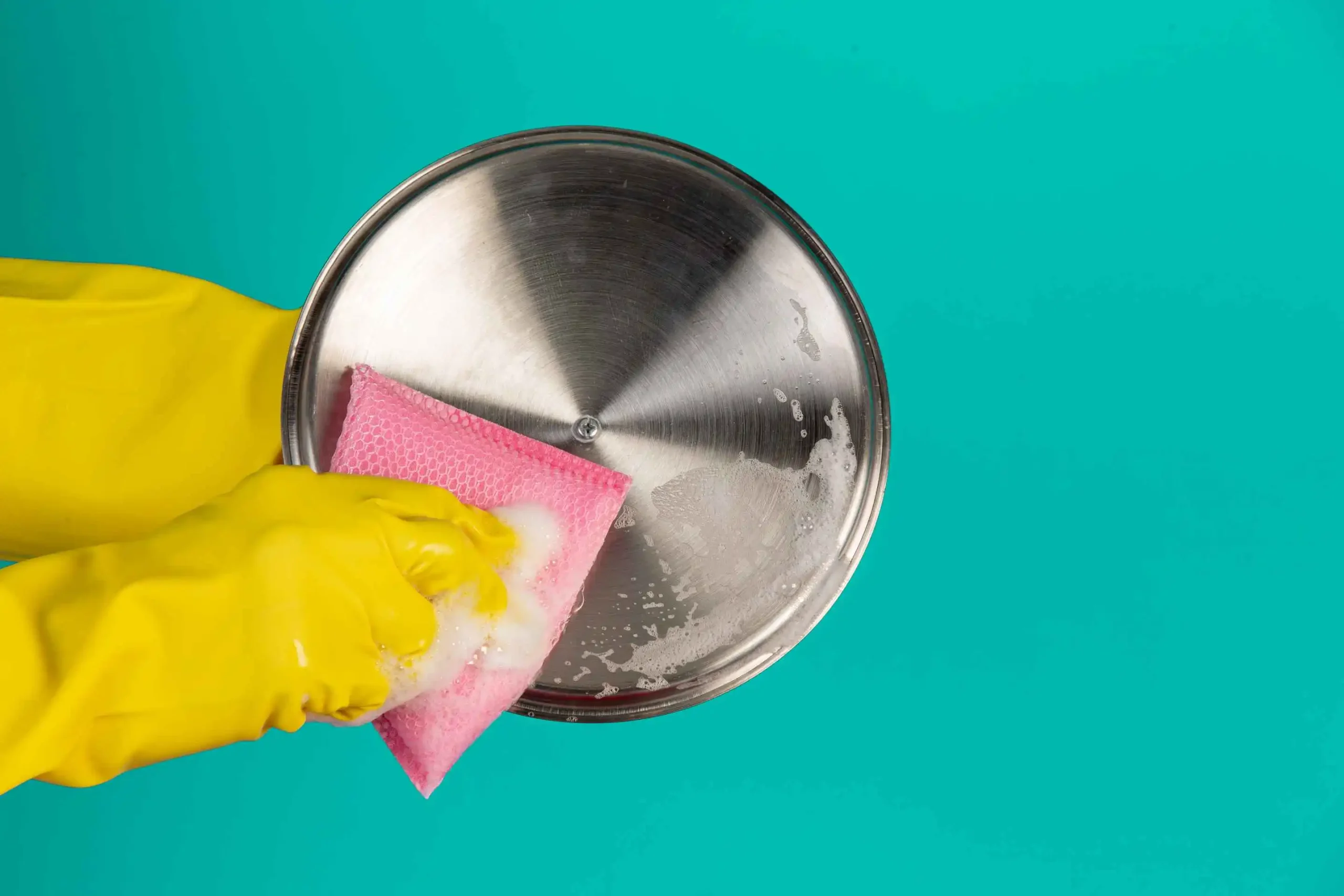
Wash with Warm Soapy Water: Wash the stainless steel cookware with warm, soapy water to begin. Gently wipe the internal and external surfaces using an intermediate dishwashing solution and a soft sponge or cloth. Hard cleaning and scrub brushes may damage the stainless steel. After washing dry it with a clean cloth.
Remove Stubborn Stains: If there are any pigments or spots on the cookware, you can create a paste by combining baking soda with water. Spread the paste to the impacted spots and gently scrub with a non-corrosive sponge or cloth. Rinse again with water. After rinsing dry it with tissue.
Dry Completely: After cleaning, make sure to dry the stainless steel cookware thoroughly with a soft towel or in the open air. Water can cause watermarks or even lead to staining if the cookware is kept while still wet. Always use plates and pots after cleaning.
Ready for Use: Once the cookware is cleaned, and dried it is ready for its first use. Now you can cook your favorite food and meals in it without any kind of trouble. It provides you with confidence that your meals will be great.
Dealing with Common Issues
While stainless steel cookware is highly durable and resistant to many everyday issues, there are a few challenges that you may experience. Here are some typical issues associated with stainless steel cookware:

Sticking and Food Residue: Stainless steel cookware is not naturally non-stick, so food may attach to the surface if not appropriately used. This can make cooking mild foods, such as eggs or fish, more hard. Proper preheating, using adequate cooking oil, and avoiding overcrowding the pan can help minimize attaching. However, some foods may still need additional effort to release stuck-on residues.
Uneven Heating: Stainless steel has relatively poor heat retention resembled to other materials like cast iron or copper. This can result in variable heating, conducting to hot spots on the cooking surface. To overcome this problem, preheating the cookware and using lower to medium heat settings can help spread heat more evenly.
Scratches: Although stainless steel is normally resistant to scratches, it can still evolve, specifically if abrasive cleaning tools or techniques are used. Scrapes can affect the formation of the cookware but are doubtful to impact its functionality. It is best to use non-abrasive cleaning tools and avoid using metal spoons and forks that can scrape the surface to undervalue scratches.
Best Practices for Long-Term Care
It is important to follow some procedures for continued use to make sure the durability and best performance of your stainless steel equipment. Here are some tips

Prompt Cleaning: It’s best to clean stainless steel cookware shortly after use to control food remains from stiffening or staining the surface. Allow the cookware to cool just before washing to avoid warping or cracking.
Regular Polishing: To hold the shine and glow of your stainless steel cookware, you can polish it sometimes using a stainless steel cleaner. Apply the cleanser or paste, and gently rub it in a clockwise direction after washing and airing the cookware.
Proper Storage: Stainless steel and other cookware must be stored in a plastic basket. Put on cookware apart from one another to prevent them from cracking by hitting each other. Use soft cloth or tissue while putting on volatile cooking materials.
Conclusion:
In conclusion, it is important to maintain your stainless steel cookware properly to maintain its durability and efficiency. You can maintain your stainless steel cookware in excellent condition for a long time by following all the tips mentioned below. Remember, proper care extends beyond the cookware itself. Storing your stainless steel cookware correctly, using the right utensils, and avoiding harsh chemicals or ingredients are additional considerations that contribute to its longevity. By implementing these practices, you can maximize the lifespan of your stainless steel cookware and protect your investment.

Why Choose KÖBACH?

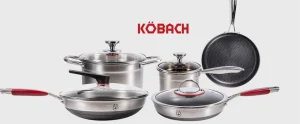
Stainless steel, cast iron, and aluminum cookware of the highest caliber is produced by KÖBACH, a premier cookware producer. Our dedication to great craftsmanship, cutting-edge design, and individualized customization has earned us a reputation as the go-to supplier for top chefs, restaurants, and kitchenware shops globally after more than a decade in business. Learn about the KÖBACH distinction and improve your culinary experience right away.