
Introduction
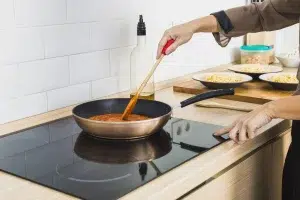
Gas stoves require the right cookware to unleash their full potential. This guide will help you understand the importance of proper cookware for gas stoves and what you need to look for to make an informed purchase.
Importance of the Right Cookware for Gas Stoves
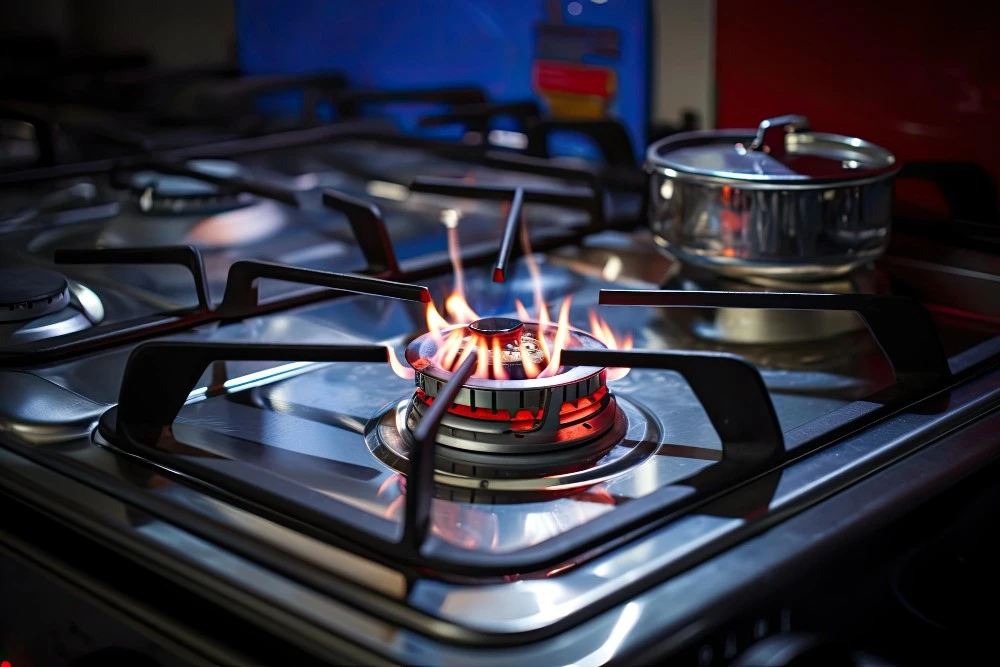
Cooking on a gas stove is a delight, but it requires the right tools. Selecting proper cookware ensures even cooking and enhances your culinary experience. The wrong choice, on the other hand, can lead to uneven heating and disappointing results. Opting for pots and pans with good heat distribution and durability is key.
What to Look for in This Guide
In this guide, we’ll explore different types and materials of cookware suitable for gas stoves. You’ll learn what factors to consider, such as material, size, and design, to find the perfect match for your cooking needs. Whether you’re an experienced chef or a beginner, this guide will equip you with the knowledge you need.
Types of Cookware for Gas Stoves
When cooking on gas stoves, your choice of cookware can significantly affect the outcome of your dishes. The flame’s direct heat requires pots and pans that distribute heat evenly and react promptly to temperature changes. Let’s explore some common materials and how they fare on gas stoves.

Stainless Steel
Stainless steel is beloved for its even heating and long-lasting durability. This non-reactive material ensures no alteration in food taste, even when cooking acidic or alkaline ingredients. However, its smooth surface sometimes results in food sticking, especially if not adequately preheated.
Cast Iron
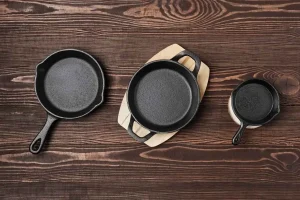
Cast iron is cherished for its impeccable heat retention, allowing foods to achieve a consistent sear. When seasoned correctly, it offers a naturally non-stick surface. But this material can be hefty, and its maintenance can be a bit more demanding, requiring seasoning and avoidance of soap for cleaning.
Aluminum
Favored for its lightweight nature and superior heat conduction, aluminum ensures rapid heating and cooling. Nonetheless, it’s softer than other metals and can dent or warp over time. Additionally, it may react with certain foods, leading to discoloration or a slightly metallic taste.
Non-Stick
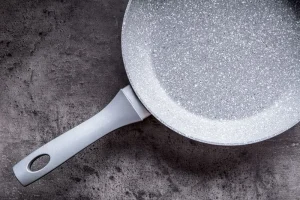
Non-stick pans are the go-to for low-fat cooking and easy cleanup. They prevent food from sticking, making them perfect for delicate dishes like omelets. But they aren’t suited for high-heat cooking, and their coating can deteriorate over time, potentially releasing harmful substances.
Copper
Copper stands out for its incredible heat responsiveness and uniform heat distribution. It heats up quickly and cools down just as fast, offering precise control. However, copper can react with certain foods, and it tarnishes over time, demanding regular polishing.
Pros and Cons of Each
| Material | Pros | Cons |
|---|---|---|
| Stainless Steel | Durable, Non-reactive, Even heating, Low maintenance | Can cause sticking, Requires preheating |
| Cast Iron | Impeccable heat retention, Natural non-stick, Durable | Heavy, Requires maintenance, Can rust |
| Aluminum | Lightweight, Excellent heat conduction, Affordable | Dents easily, Reacts with acidic foods |
| Non-Stick | Effortless cooking and cleaning, Ideal for delicate dishes | Not for high-heat, Coating may deteriorate |
| Copper | Rapid heat response, Even distribution, Aesthetic appeal | Reactive, Tarnishes, Expensive, Needs polishing |
With these insights, you’re better equipped to make an informed decision about the best pots and pans for your gas stove, ensuring that every meal you prepare is a culinary success.
Features to Look for in Pots and Pans
When choosing the right pots and pans for gas stoves, there are specific features you must consider to ensure that they meet your cooking needs. These features will affect how the cookware performs on a gas stove, its ease of use, and its durability.
Thickness and Weight
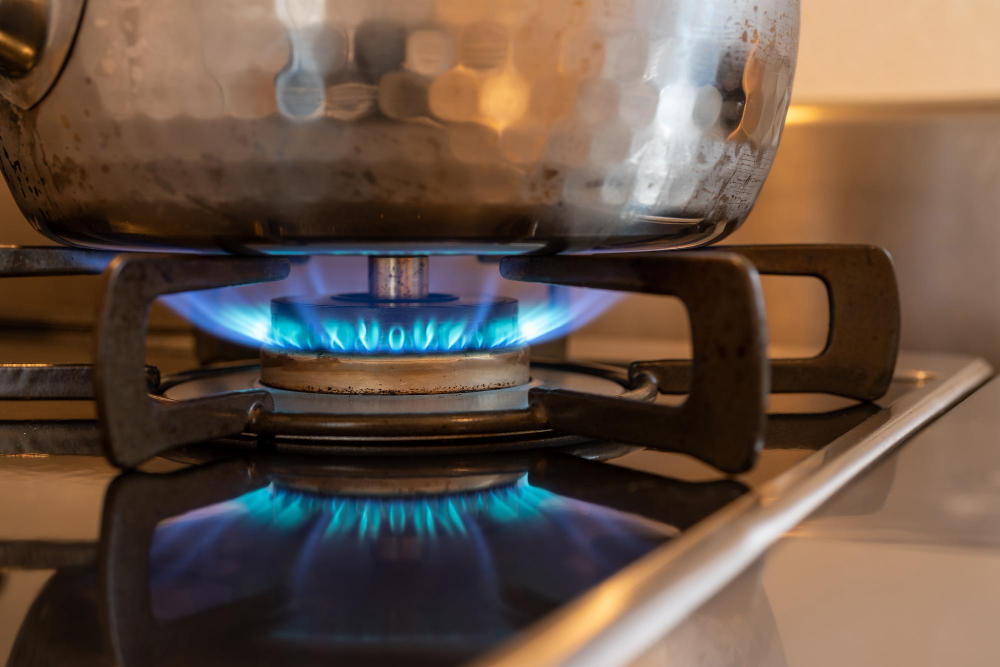
The thickness and weight of cookware play a crucial role in how it cooks food. Thick, heavy pans tend to heat more evenly, reducing the risk of hotspots that can scorch your food. However, they might be more challenging to handle.
- Pros: Even heating, durability.
- Cons: Can be heavy and hard to maneuver.
Heat Distribution
Heat distribution refers to how uniformly a pan heats across its surface. Even heat distribution ensures that all parts of the pan reach the same temperature at the same time, leading to consistent cooking results.
- Pros: Consistent cooking, no hotspots.
- Cons: Materials that provide even heat distribution tend to be more expensive.
Compatibility
It’s vital to consider how compatible the cookware is with other kitchen appliances, including the oven and dishwasher. Some materials and coatings can’t withstand the high temperatures of an oven or the harsh detergents in a dishwasher.
- Pros: Versatility in cooking and cleaning.
- Cons: Limited compatibility may restrict use.
Handle and Lid Design
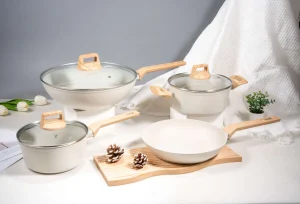
The handle design impacts how easy it is to lift and control the pan. Look for handles that stay cool and offer a secure grip. Lid design also matters, especially if you need to see inside the pot or pan without lifting the lid. Some lids even have built-in strainers for added convenience.
- Pros: Improved comfort and control, added functionality.
- Cons: Poor design can lead to discomfort or safety issues.
Understanding these key features and how they align with your cooking style and preferences will guide you to the perfect pots and pans for your gas stove. Whether you’re a seasoned chef or just starting, these considerations will enhance your culinary experience, adding ease and joy to your kitchen endeavors.
Maintenance and Care Tips
Proper maintenance and care of your pots and pans not only prolong their life but also ensure that they perform at their best. Different materials require different care methods, and understanding these nuances will keep your cookware looking and functioning like new.

Material-specific Maintenance
Different materials call for specific care to maintain their appearance and cooking performance. Here’s a brief rundown:
- Stainless Steel: Generally dishwasher safe and can handle a variety of cleaning tools. Avoid using bleach or ammonia.
- Cast Iron: Requires seasoning and gentle cleaning with mild detergent or simply hot water.
- Non-Stick: Avoid using metal utensils that can scratch the surface. Hand wash with soft sponges.
- Copper: Requires regular polishing to maintain its luster. Acidic foods may cause discoloration.
Cleaning Methods
Cleaning pots and pans correctly extends their lifespan and maintains their cooking efficiency. Always follow the manufacturer’s instructions, and be aware of the following:
- Hand Washing: Gentle for all types, using mild detergent.
- Dishwasher: Convenient, but not suitable for certain materials like cast iron or some non-stick pans.
- Avoid Abrasive Tools: Scrubbing pads and steel wool can damage surfaces, especially non-stick coatings.
Seasoning Process
Some materials, like cast iron and carbon steel, require seasoning to build up a natural, non-stick coating. This involves coating the pan with a thin layer of oil and heating it to a high temperature. Regular seasoning enhances the cooking properties and protects against rust.
- Frequency: Depending on use, it may require re-seasoning every few months.
- Oils: Flaxseed oil, vegetable oil, or other high-smoke-point oils are usually recommended.
- Oven Method: Typically involves baking the oiled pan in the oven.
By following these maintenance and care guidelines, you’ll keep your pots and pans in top condition, ensuring they’re always ready to turn your culinary ideas into delicious realities. Whether you’re a home cook or professional chef, taking care of your cookware is an investment in your kitchen’s functionality and your cooking enjoyment.
Safety Considerations
Safety in the kitchen should always be a priority. Proper handling of hot cookware and being aware of the materials used in your pots and pans will help minimize risks and ensure a safe cooking experience.
Handling Hot Cookware
Managing hot pots and pans requires attention and care. Here are some practical guidelines:
- Use Proper Utensils: Invest in quality oven mitts or potholders to handle hot cookware safely.
- Be Mindful of Wet Cloths: Wet cloths or towels can cause steam burns when handling hot pans.
- Avoid Sudden Temperature Changes: Sudden changes, such as moving a hot pan into cold water, can cause warping or cracking. Allow cookware to cool gradually.
- Keep Handles Away from Burners: Position pan handles away from the direct flame or other burners to minimize the risk of accidental burns.
Avoiding Harmful Materials
Certain materials can pose risks if they’re not used or maintained properly. Be aware of the following:
- Non-Stick Coatings: Ensure that non-stick pans are free of PFOA and other harmful chemicals. Use them at recommended temperatures to avoid releasing toxic fumes.
- Aluminum: While generally safe, uncoated aluminum can react with acidic foods, leading to discoloration and potential leaching.
- Lead and Cadmium: Check for these harmful materials, especially in colorful, glazed, or enameled cookware. Look for certifications and adhere to manufacturer guidelines.
Being informed about safety considerations and adopting proper practices will protect you and your loved ones while cooking. Remember, a safe kitchen is a happy kitchen, and adhering to these guidelines will keep your culinary adventures enjoyable and worry-free.
FAQs about Pots and Pans for Gas Stoves
Selecting the right pots and pans for gas stoves can be a complex process with various considerations to keep in mind. Here, we address some commonly asked questions to help guide you in making the best choice for your cooking needs.