What is Aluminum Cookware?
Learn how to choose, use and maintain aluminum cookware for best performance, durability and value — your complete expert guide.
Eyeing the international cookware market? Partner with KitchenGuidePro, a distinguished stainless steel soup pot manufacturer based in China. Leveraging high-end materials and state-of-the-art manufacturing techniques, we create soup pots that guarantee peak performance. Contact our customer support for competitive quotes.
KitchenGuidePro’s stainless steel soup pots are dynamic and efficient, adept at a variety of culinary tasks. With their excellent heat conductivity and even heat distribution, they’re perfect for everything from simmering hearty stews to crafting delicate broths.
KitchenGuidePro offers a broad spectrum of customized soup pot materials, including premium stainless steel, tailored to suit your specific cooking requirements and branding aspirations.
Our stainless steel soup pots are adaptable and come in various sizes, making them capable of handling an array of cooking tasks, from simmering thick stews to boiling hearty soups.
With KitchenGuidePro’s bespoke packaging service, your brand logo takes center stage, guaranteeing an unforgettable unboxing experience for your customers.
Explore the pros and cons of different materials for soup pots in our comprehensive table below to inform your choice.
| Material | Pros | Cons |
|---|---|---|
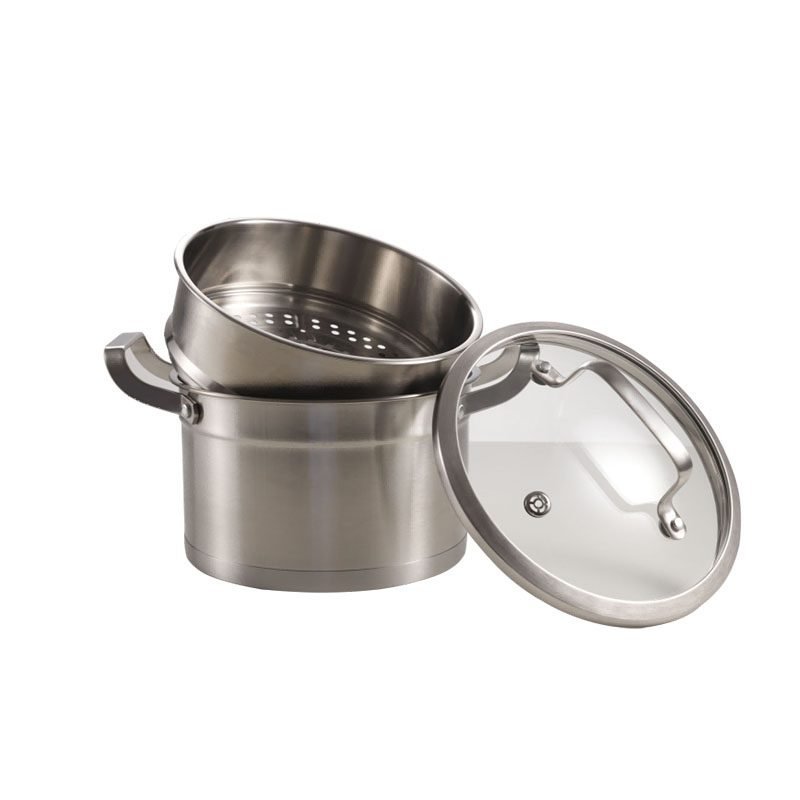
| Stainless Steel | Excellent heat distribution, Durable, Corrosion-resistant | Might stick, Tough to clean |
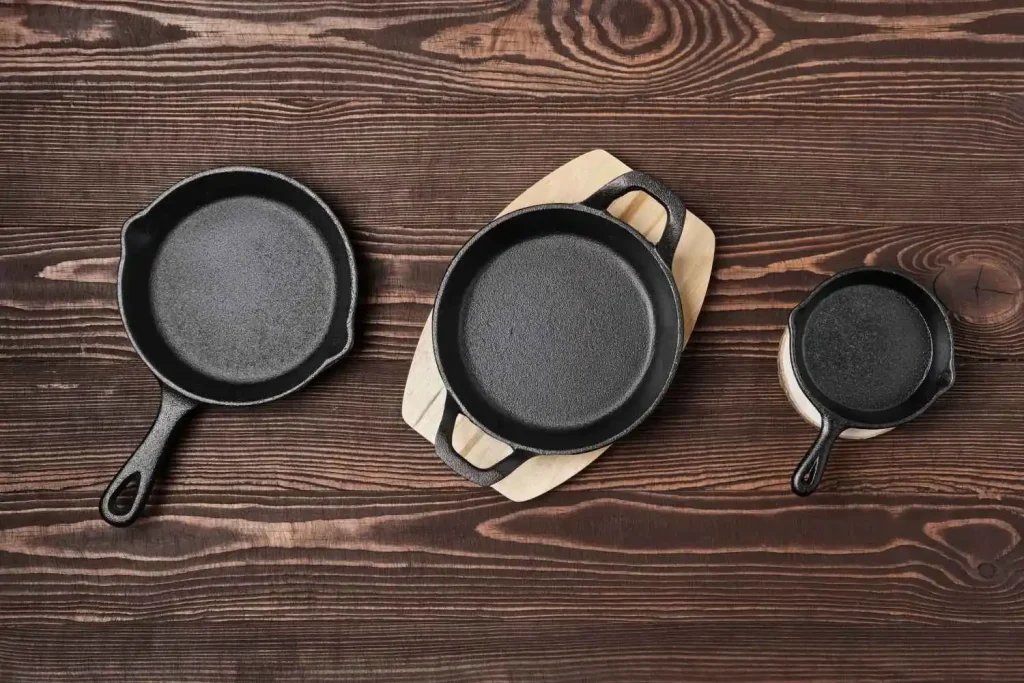
| Cast Iron (Dutch Oven) | Retains heat well, Extremely durable, Can be used at high heat | Heavy, Requires seasoning, Prone to rust |
| Aluminum | Lightweight, Heats up quickly | Not induction compatible, Can react with acidic foods |
| Non-stick Coating | Easy to clean, Less oil needed | Not suitable for high heat, Coating can peel over time |
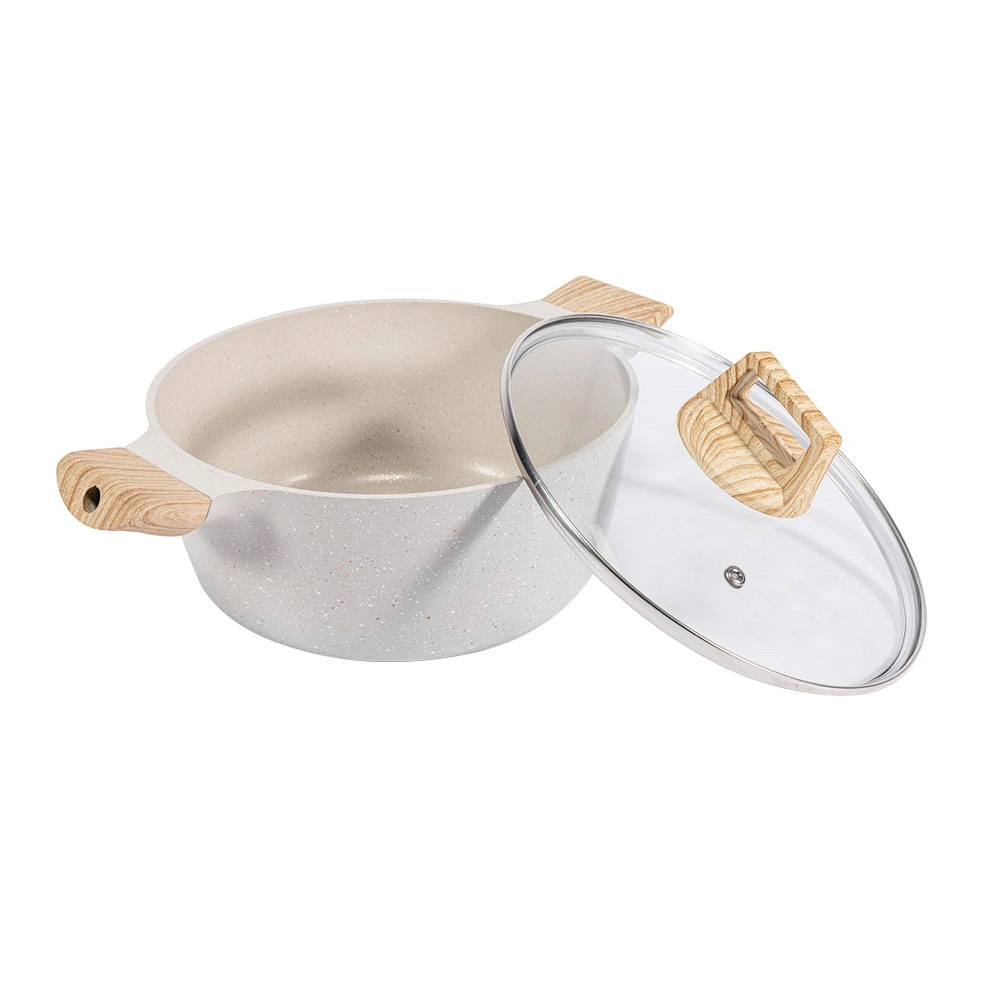
| Stone Coating | Non-stick, Durable, Suitable for various heat sources | Requires careful cleaning, Coating may degrade over time |
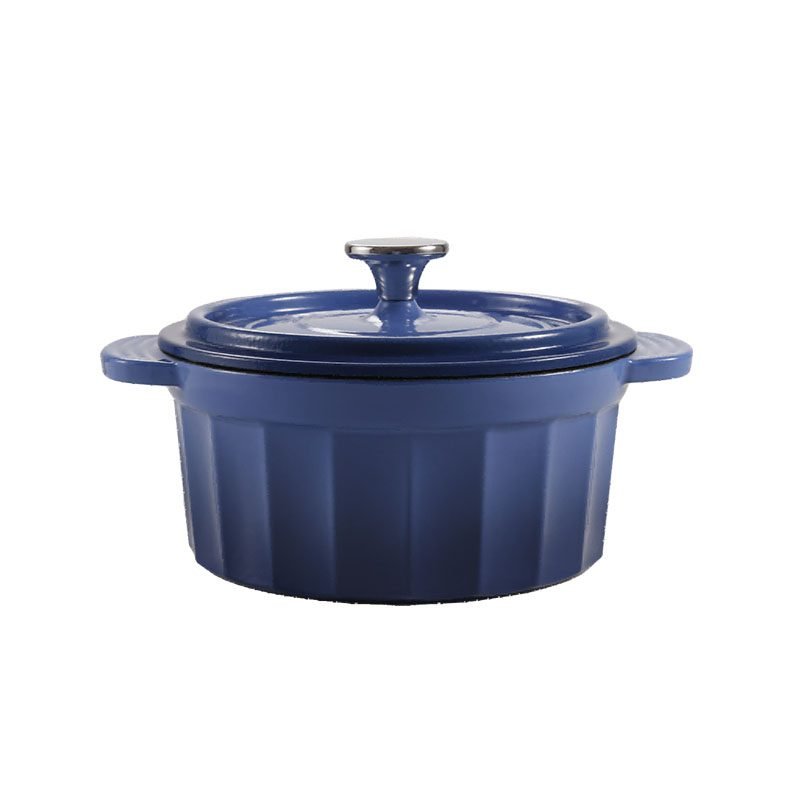
| Enamel (Dutch Oven) | Easy to clean, Doesn’t require seasoning, Heat Retention | Chipping over time, Heavy |
| Ceramic (Dutch Oven) | Non-reactive, Heats evenly, Stylish | Can crack/break, Not suitable for high heat, Heavy |
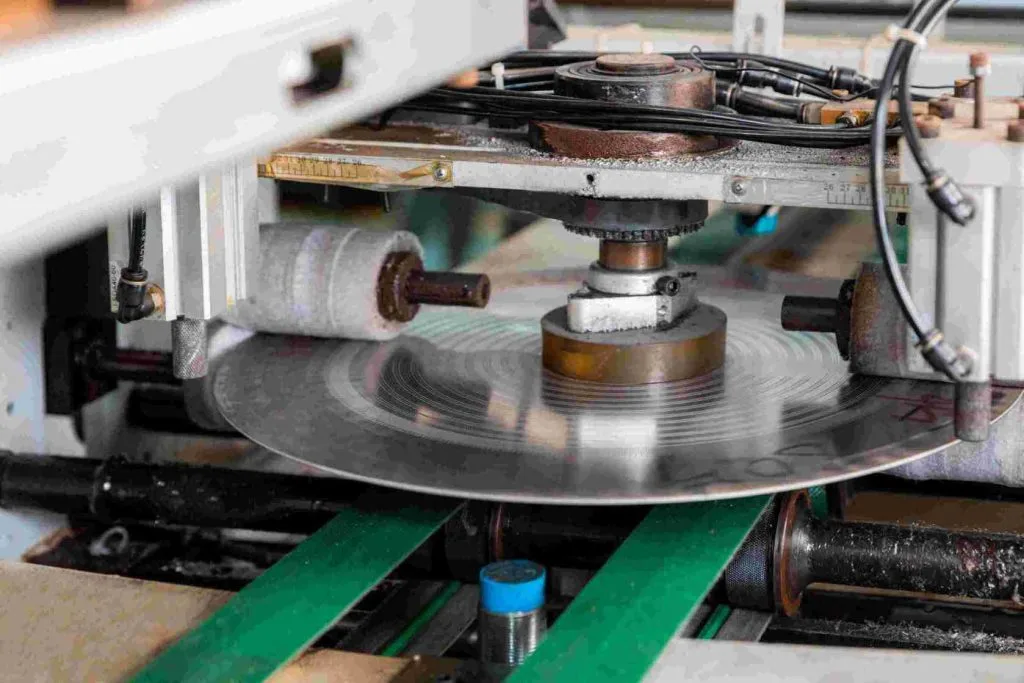
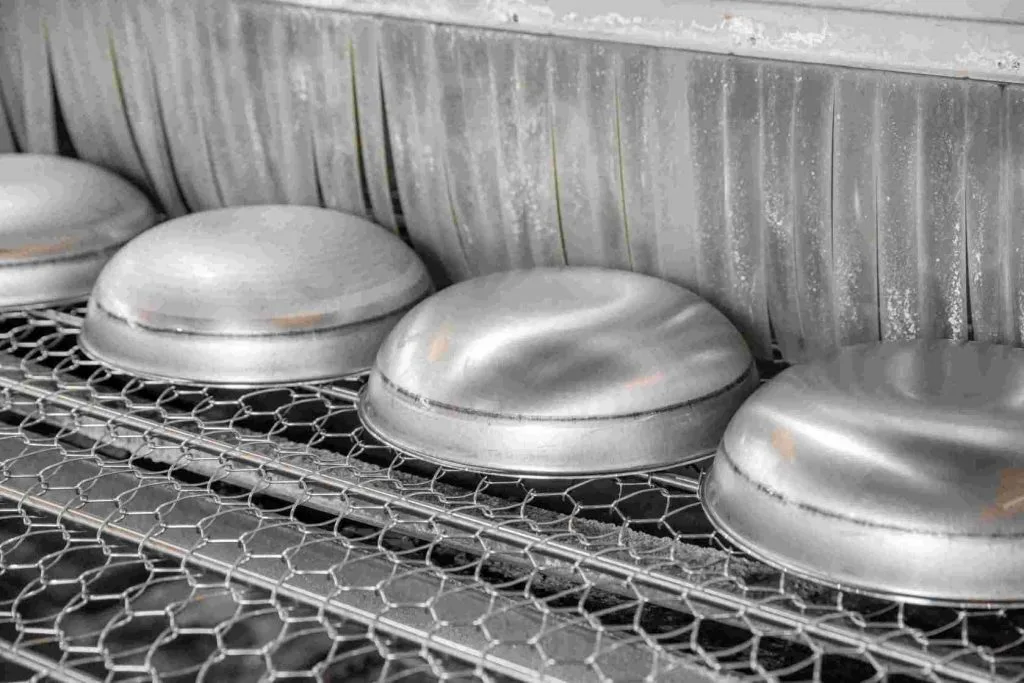
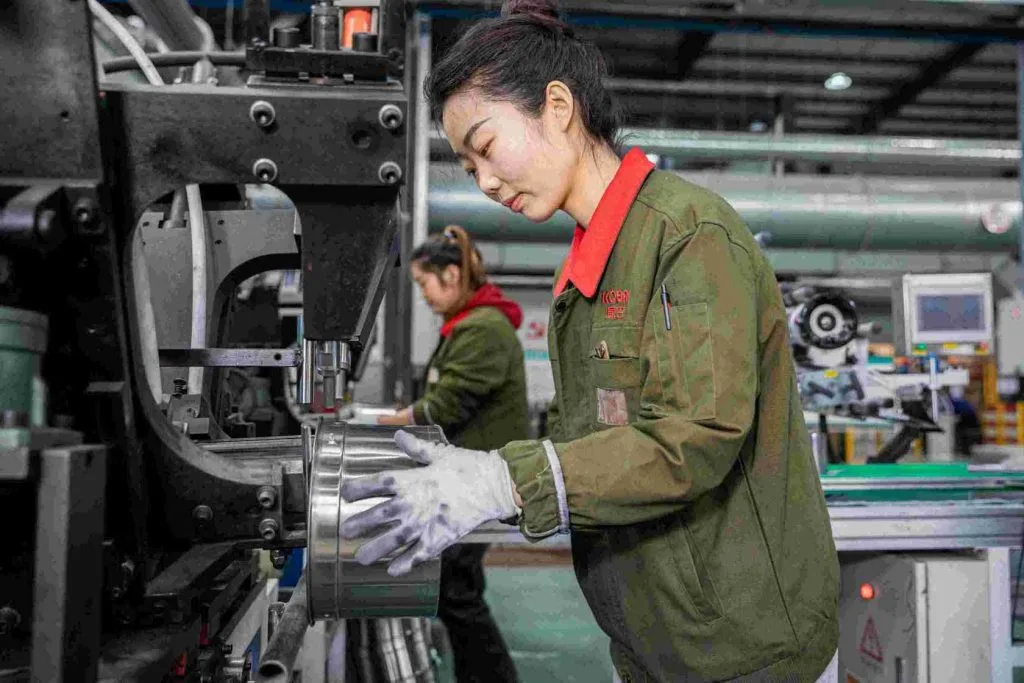
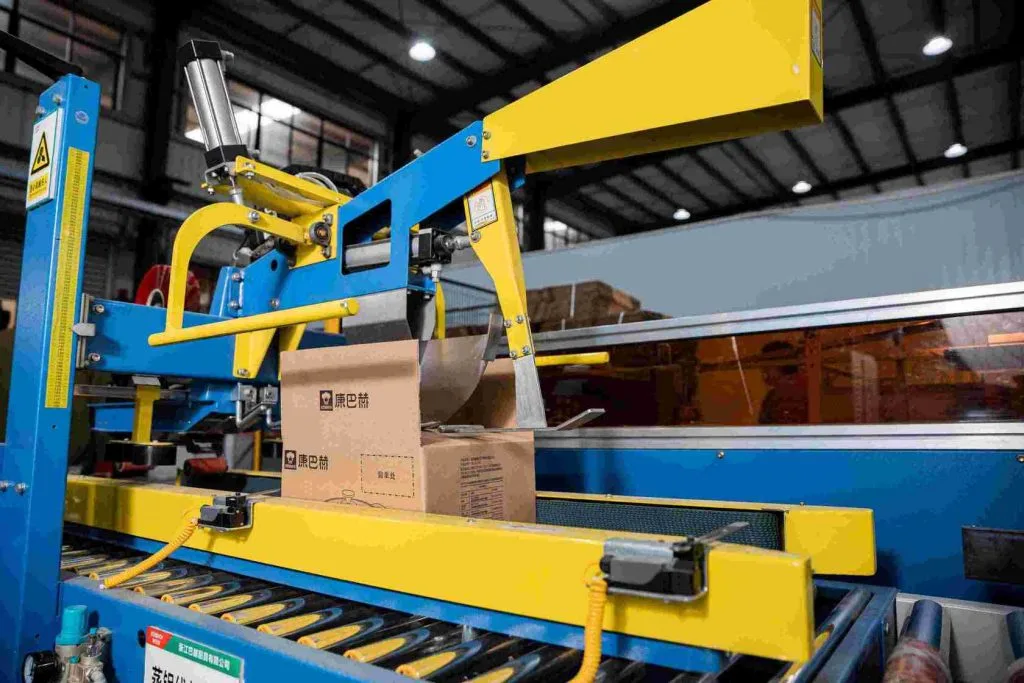
At KitchenGuidePro, we embark on a meticulous journey to craft our stainless steel soup pots. It begins with selecting high-quality stainless steel, shaping it with precision, and heat-treating it for optimum durability. The journey culminates with the inclusion of distinctive features, quality testing, and readying the soup pot for delivery.
KitchenGuidePro is dedicated to responsible business practices, prioritizing sustainable manufacturing and fair trade. We actively contribute to local communities, ensuring our impact is positive and far-reaching.
Quality is the cornerstone of our manufacturing philosophy at KitchenGuidePro. This is manifested in our stainless steel soup pots, produced under rigorous scrutiny, precision-oriented methodologies, and exhaustive assessments to meet our high-quality standards.
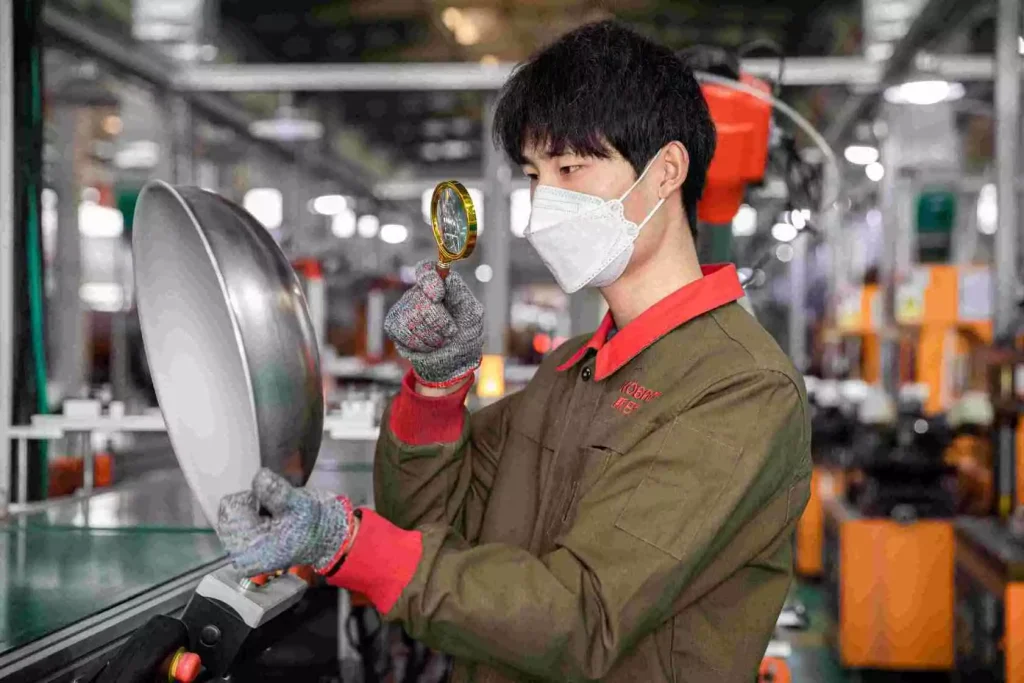
Vigilant quality checks underpin our raw material selection, especially stainless steel, ensuring that it matches our elevated standards for our soup pots.
During the manufacturing process, our soup pots are under continuous inspection to conform precisely with our detailed specifications.
A thorough quality examination marks the completion of every soup pot, validating its alignment with all prescribed quality benchmarks.
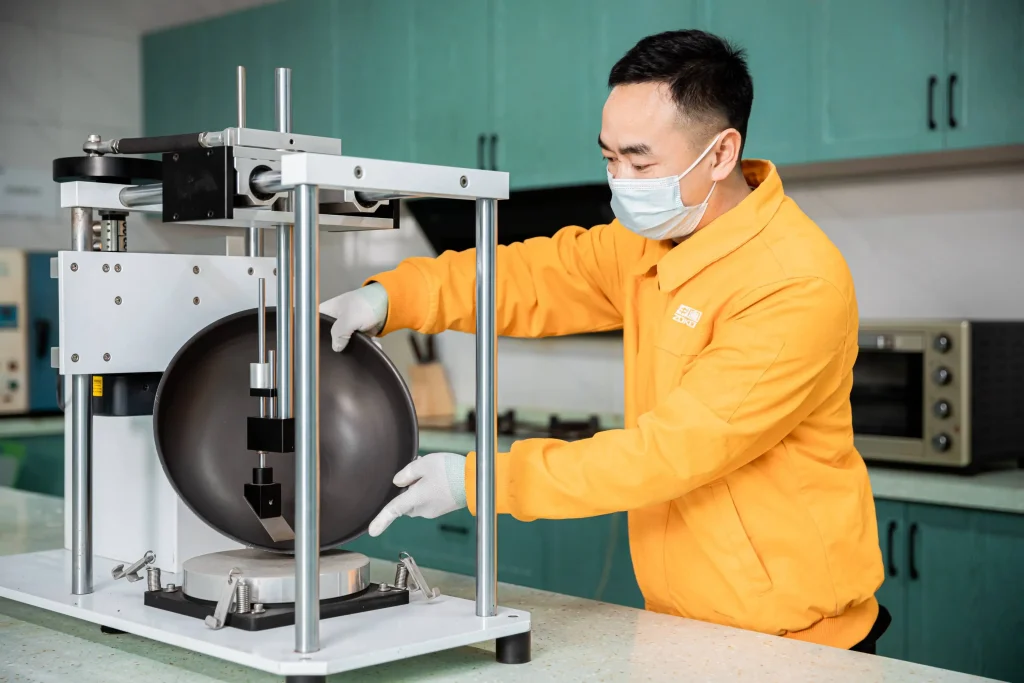
Performance evaluations for our stainless steel soup pots are comprehensive, examining their heat distribution, cooking efficiency, and resilience.
Join hands with KitchenGuidePro for exemplary stainless steel soup pots, characterized by unmatched quality, cost-effectiveness, and bespoke features. Our comprehensive cookware collection, headlined by premium stainless steel soup pots, provides incomparable value. KitchenGuidePro is a symbol of dependability and customer-first philosophy in the cookware industry.
KitchenGuidePro stands at the forefront of stainless steel soup pot manufacturing, adhering to stringent industry standards.
As a distinguished cookware brand, KitchenGuidePro offers competitively priced products, making us a valuable ally for brands seeking high-quality at cost-effective prices.
KitchenGuidePro aids brands in creating customized products with our branding and packaging solutions, aligning with their unique needs.
KitchenGuidePro’s diverse cookware portfolio, spanning from soup pots to skillets, facilitates an easy product selection process for cookware brands.
KitchenGuidePro, a respected name in cookware manufacturing, has a proven record of timely delivery and exceeding customer expectations.
Unravel key insights about soup pots in the following frequently asked questions and answers, an informative guide to inform your culinary choices.
A soup pot is typically used for making large quantities of soups, broths, stews, and sauces. Its deep design allows for even heat distribution, making it ideal for slow, long-duration cooking.
While both soup pots and stock pots are large, deep pots ideal for slow cooking, the primary difference lies in their shape. A soup pot is usually wider and shorter, facilitating quicker evaporation for reducing sauces, while a stock pot is typically taller and narrower, perfect for simmering bones and vegetables for a long time to create stock.
A stock pot offers several benefits. It’s great for cooking large quantities of food, ideal for meal prepping or large gatherings. Its tall, straight sides help to minimize evaporation, perfect for long-simmered stocks and broths. Additionally, it’s also suitable for canning foods and boiling pasta.
You can cook a variety of dishes in a soup pot, including but not limited to soups, broths, stews, sauces, curries, pasta, and boiled vegetables. Its design facilitates both quick boiling and slow simmering.
A soup pot and a Dutch oven are similar in that both are deep, heavy pots designed for slow cooking. However, a Dutch oven is usually made from cast iron (either bare or enameled) and can be used both on the stovetop and in the oven, while a soup pot is typically lighter, made of various materials, and used primarily on the stovetop.
A soup pot is generally larger and deeper than a saucepan. While both can be used to simmer liquids and cook food, a soup pot is ideal for cooking larger quantities of food and is especially useful for soups and stews that require long simmering times.
When choosing a stainless steel soup pot, consider its size (it should match your cooking needs), the quality of the stainless steel (18/10 is considered good quality), the thickness of the base (a thicker base helps in better heat distribution), and whether it has a multi-layered base (for using on different types of stovetops).
When choosing a stainless steel soup pot manufacturer, look for companies with a strong reputation for quality. Consider the range of products they offer, their manufacturing processes, and adherence to safety standards. Also, consider their ability to offer customized solutions if needed, their pricing, and customer reviews.

Learn how to choose, use and maintain aluminum cookware for best performance, durability and value — your complete expert guide.

Dive into our ultimate guide to cast iron cookware. Discover its history, significance in modern cooking, care techniques, and how to choose the best pieces for your kitchen.
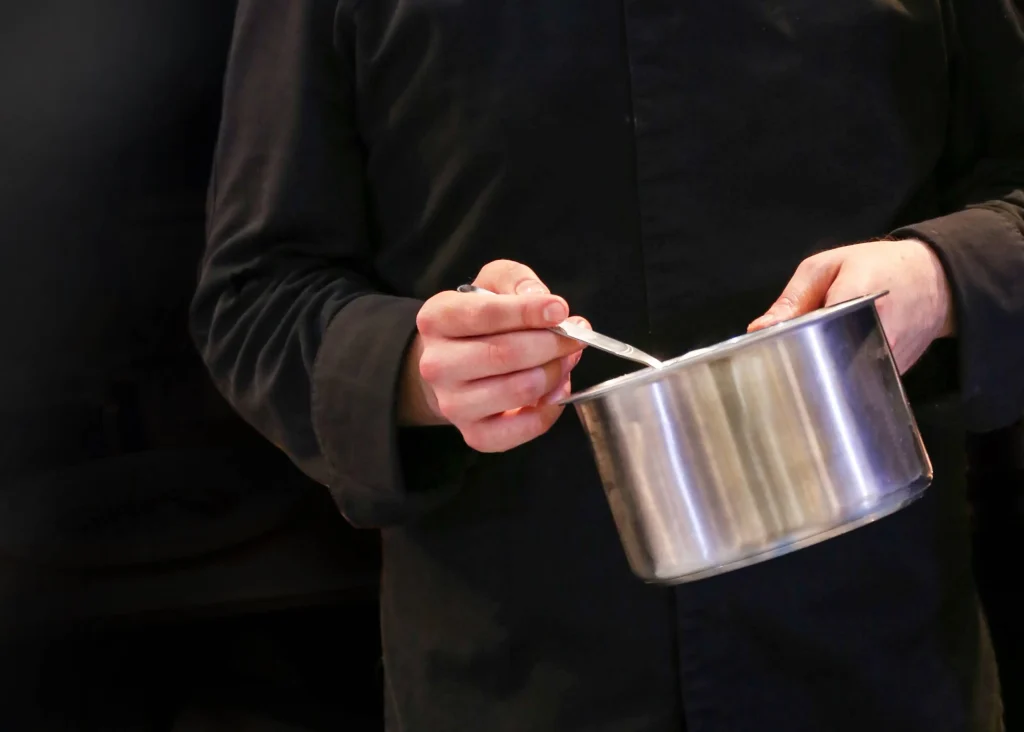
Stainless steel cookware has earned its place as a kitchen essential for both professionals and home cooks.
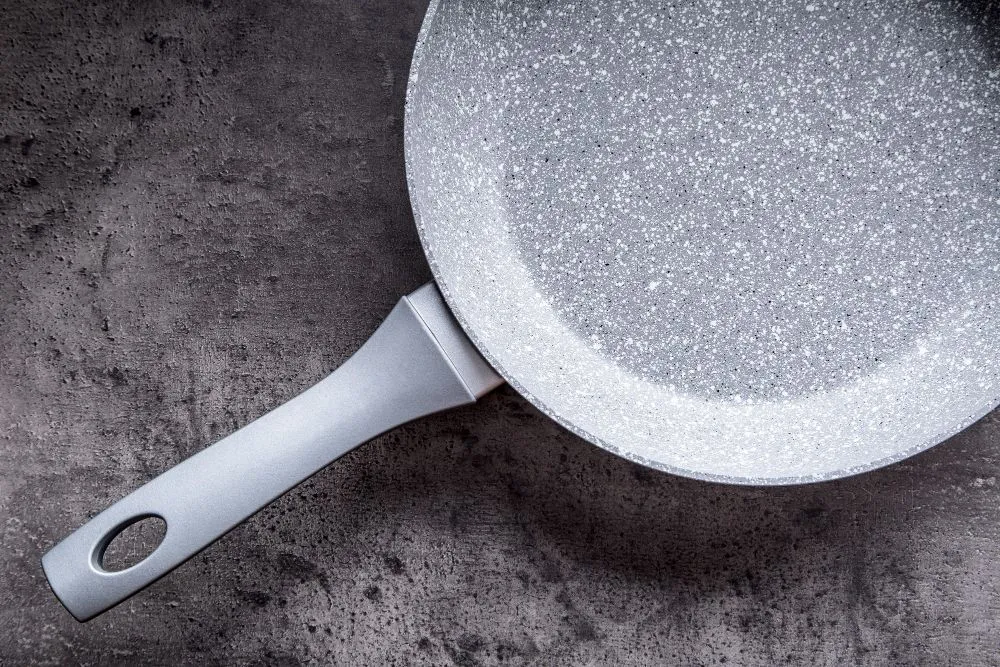
Granite pans are generally safe for cooking, provided they are used at recommended temperatures and their non-stick coating is intact, minimizing the risk of chemical leaching.
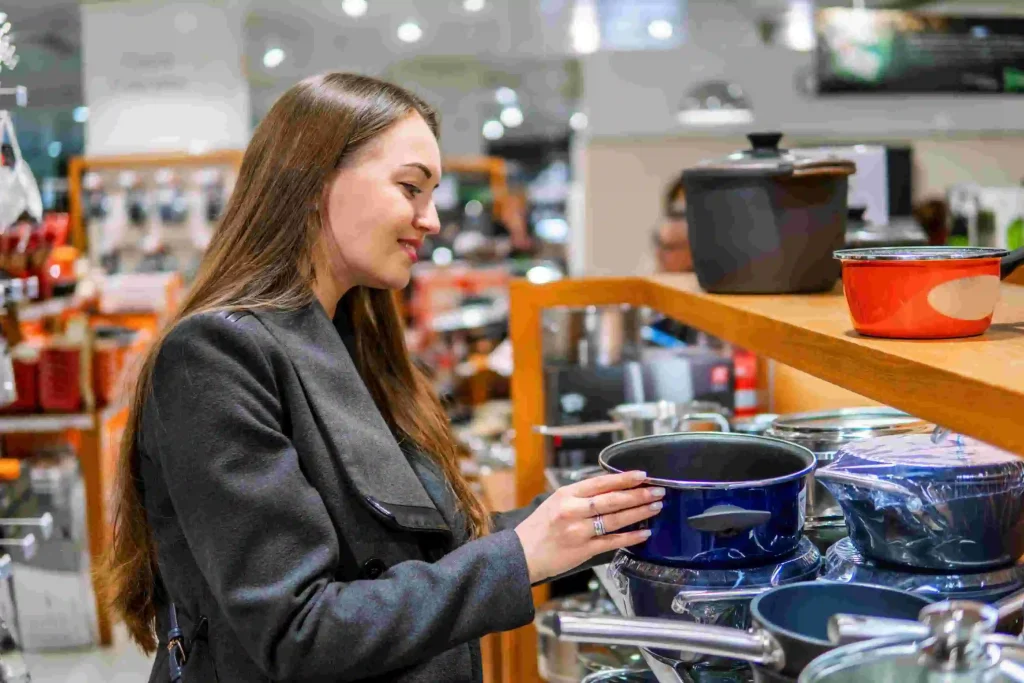
The cost of a cookware set varies widely, typically ranging from under $100 for basic sets to over $300 for high-end options, depending on materials, brand reputation, and special features. Consider your cooking needs and budget to find the best value.
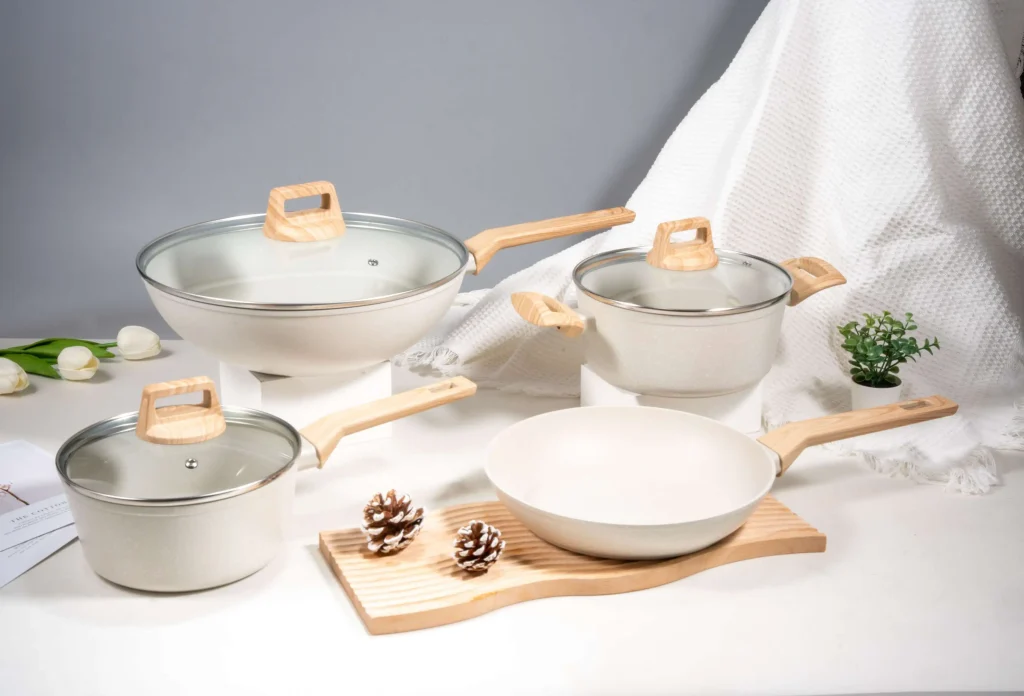
All-Clad, Lodge Cast Iron, Calphalon, Viking Culinary, Made In Cookware, GreenLife, Cuisinart, Farberware, Anolon, Blue Diamond, STAUB, Le Creuset, T-fal