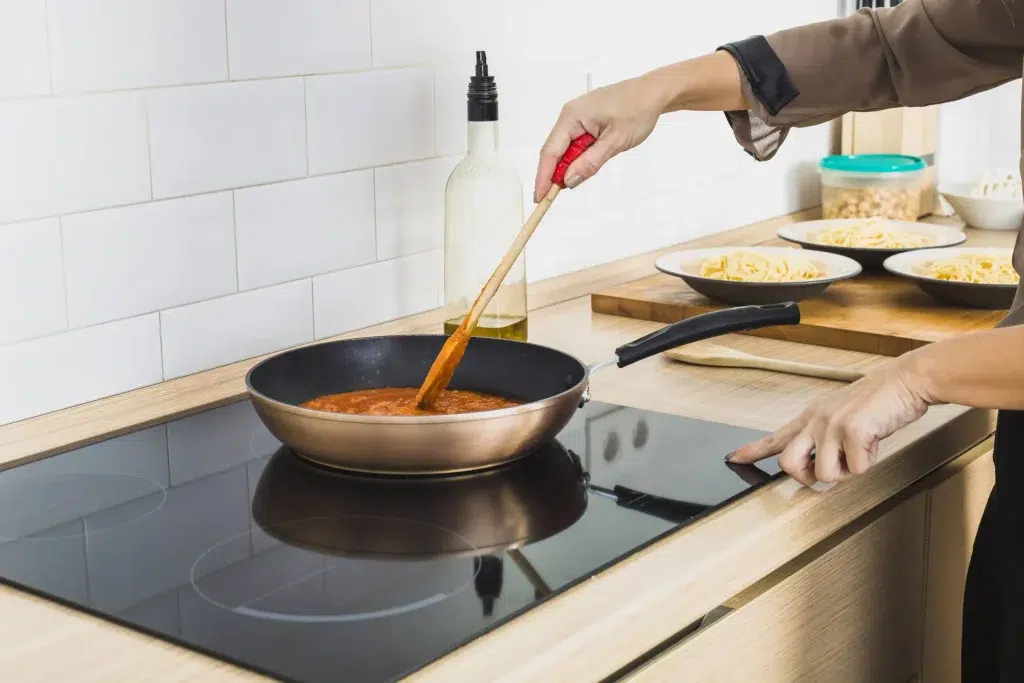

What is Aluminum Cookware?
Learn how to choose, use and maintain aluminum cookware for best performance, durability and value — your complete expert guide.

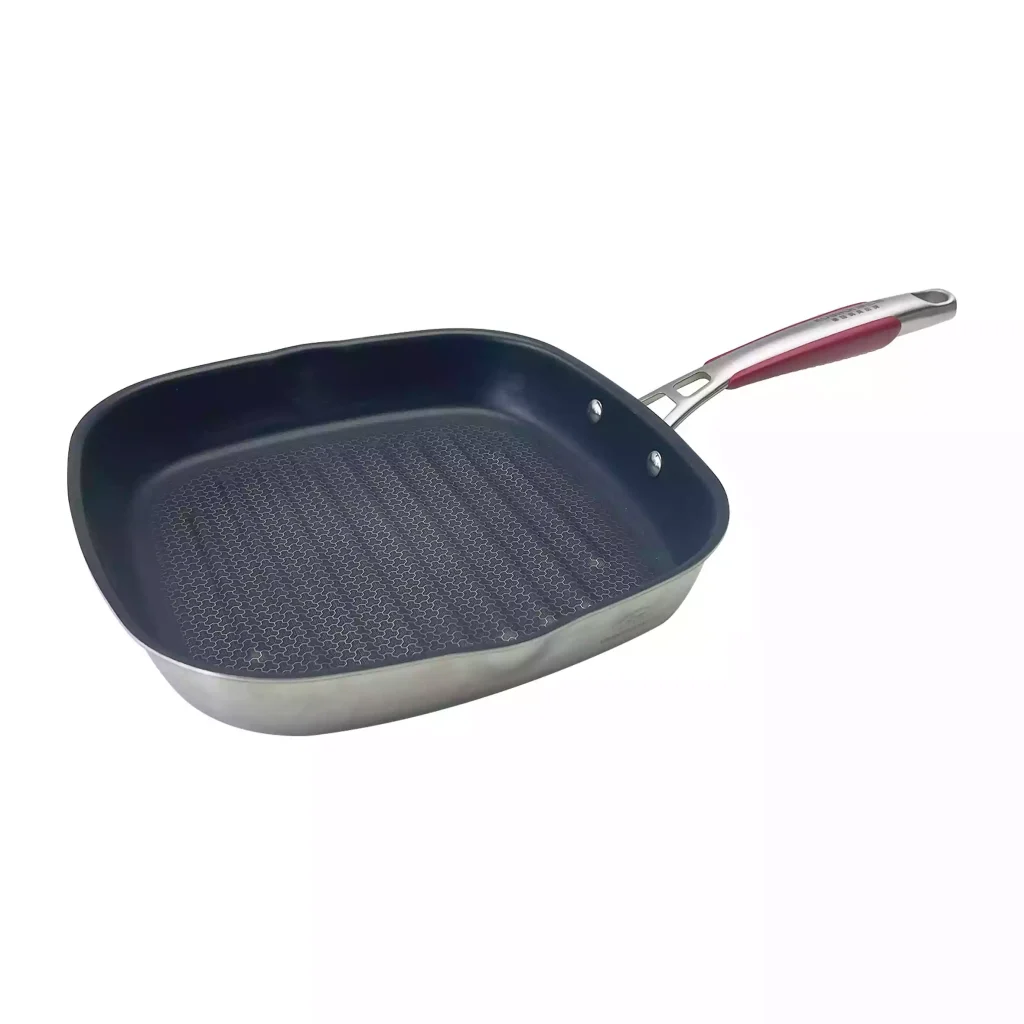
Seeking exceptional stainless steel skillet grills? KitchenGuidePro’s advanced manufacturing unit, armed with over 100 specialized workers and modern automation, guarantees top-notch cookware. Each skillet grill we create is the epitome of quality, highly sought after in the international market.
KitchenGuidePro’s stainless steel skillet grills are versatile and efficient, perfect for a variety of cooking tasks. With superior heat conductivity and even distribution, they excel in everything from quick grilling to slow searing.
KitchenGuidePro presents an expansive collection of custom skillet grill materials, including premium stainless steel, aimed at meeting your unique culinary requirements and brand aspirations.
Our stainless steel skillet grills are multifaceted and come in various sizes, adeptly handling diverse cooking tasks, from grilling veggies to searing succulent meats.
Echo your brand’s distinctive style with our myriad of skillet grill color options. Choose from classic or bespoke hues to mirror your brand identity.
With KitchenGuidePro’s exclusive packaging personalization, your brand emblem leaves an unforgettable impression, guaranteeing a memorable product unveiling experience.
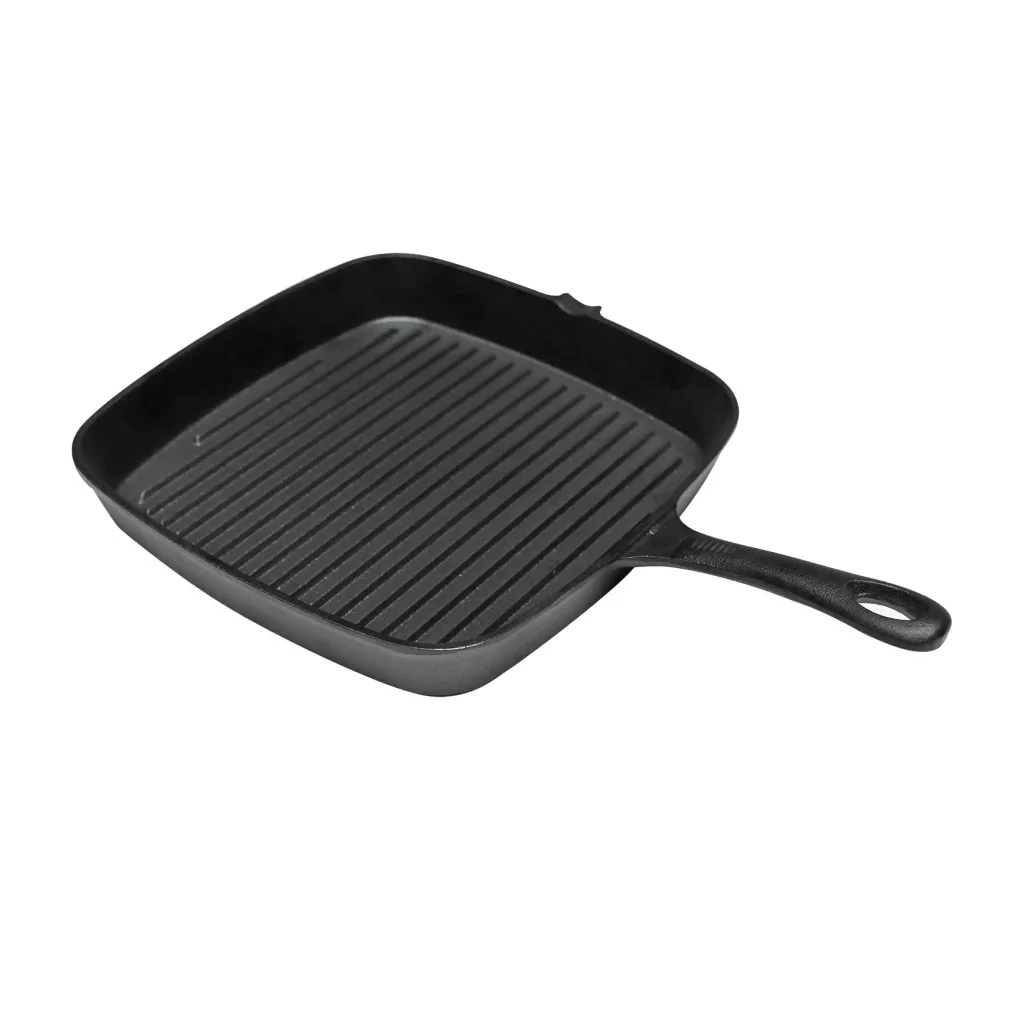
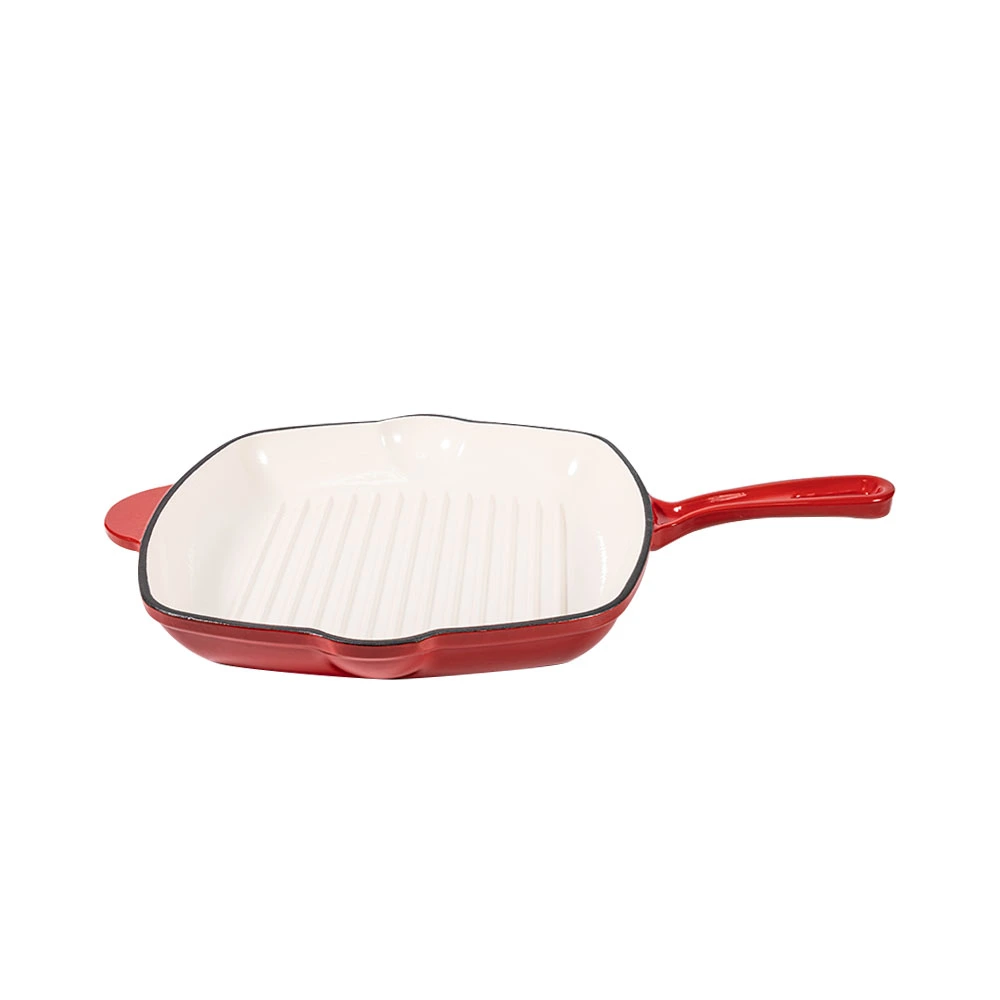
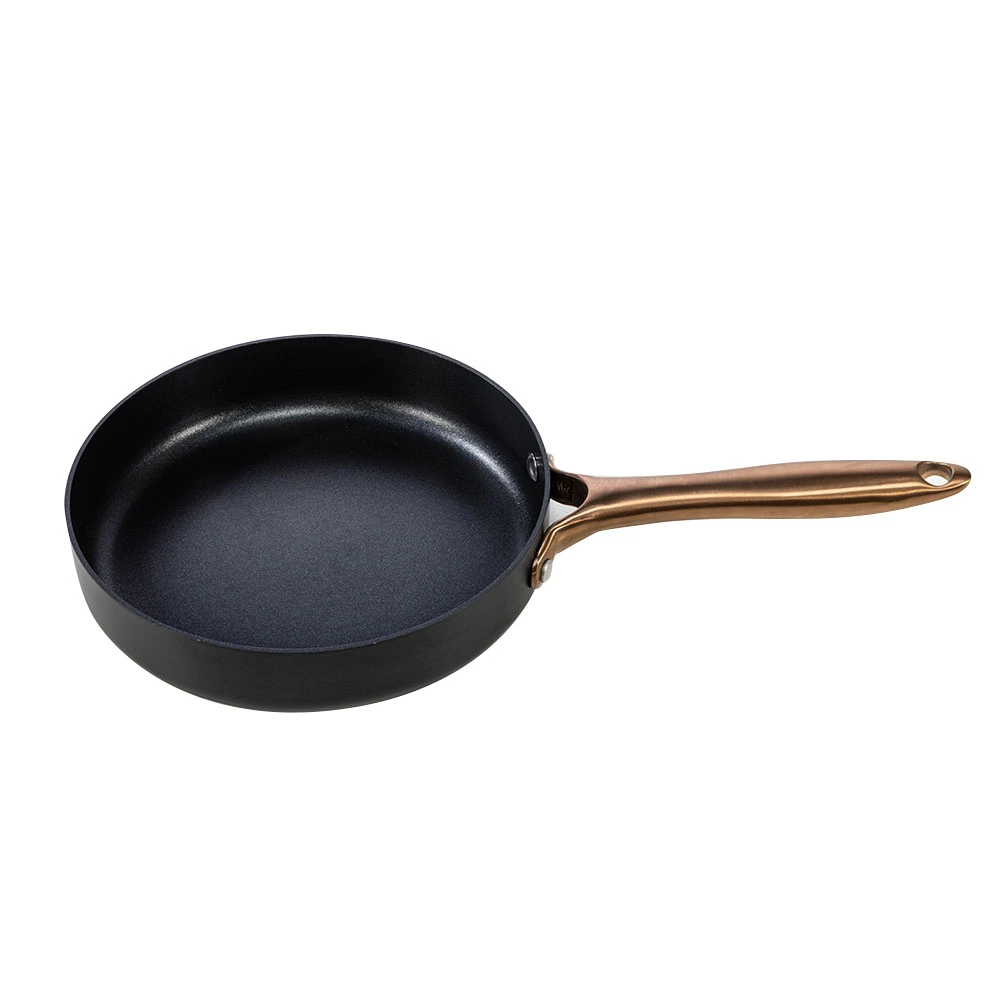
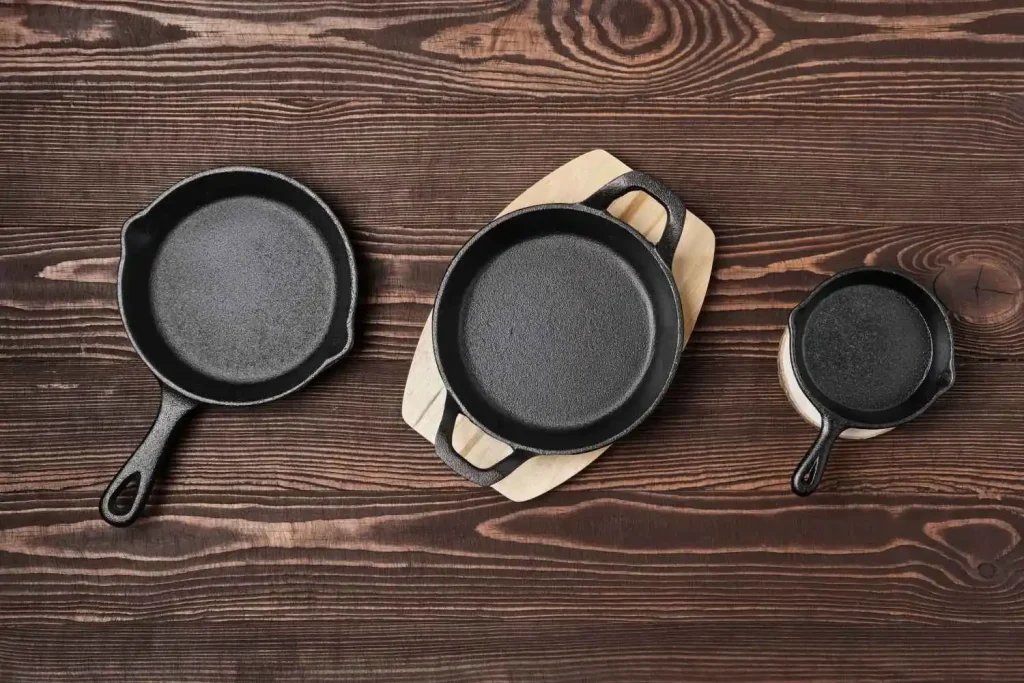
This table provides a comprehensive comparison of different skillet grill materials, outlining their respective advantages and disadvantages, to aid you in making an informed choice.
| Material | Pros | Cons |
|---|---|---|
| Stainless Steel | Highly durable, excellent heat distribution, easy to clean, non-reactive | Heavier than aluminum, can be more expensive |
| Cast Iron | Excellent heat retention, extremely durable, adds iron to food | Requires regular seasoning, heavy, may rust if not cared for properly |
| Aluminum | Lightweight, inexpensive, heats up quickly | Prone to warping, reactive to acidic foods, not as durable |
| Non-Stick Coating | Easy to clean, low-fat cooking, prevents food from sticking | Less durable, requires careful handling to prevent scratching, not for high-heat cooking |
| Stone Coating | Non-stick, scratch-resistant, PFOA and PTFE free | Requires careful handling to prevent chipping, not for high-heat cooking |
| Enamel | Easy to clean, non-reactive, no need for seasoning | Can chip or crack, heavier than stainless steel |
| Ceramic | Non-reactive, can handle high heat, PTFE and PFOA free | Can be less durable, requires careful handling to prevent chipping or cracking |
At KitchenGuidePro, we employ premium stainless steel and skilled craftsmanship to create our stainless steel skillet grills. Incorporating specific features, conducting rigorous quality tests, and meticulous finalization ensure a ready-for-market product.
KitchenGuidePro is dedicated to responsible business practices, prioritizing sustainable manufacturing and fair trade. We actively contribute to local communities, ensuring our impact is positive and far-reaching.
KitchenGuidePro maintains uncompromising quality standards for our stainless steel skillet grills, upheld through thorough inspections, precision-driven manufacturing, and all-encompassing performance evaluation.
The raw materials, especially the stainless steel used for our skillet grills, are thoroughly assessed to comply with our high-quality standards.
Our skillet grills undergo regular inspections during production to ensure strict alignment with our detailed specifications.
Each completed skillet grill is subject to a comprehensive final quality check, ensuring adherence to all predefined quality parameters.
Our stainless steel skillet grills face rigorous performance tests that assess their heat distribution, cooking efficiency, and overall durability.
Align with KitchenGuidePro for remarkable stainless steel skillet grills, an amalgamation of supreme quality, cost-effectiveness, and customizable features.
KitchenGuidePro specializes in producing high-standard stainless steel skillet grills, adhering to strict industry standards.
KitchenGuidePro, as a leading manufacturer, offers competitively priced products, making it a value-oriented choice for cookware brands.
KitchenGuidePro offers bespoke branding and packaging solutions, helping cookware brands to create products that reflect their unique identity.
KitchenGuidePro offers an extensive variety of stainless steel cookware, from skillet grills to frying pans, making product discovery easier for cookware brands.
As a trusted cookware manufacturer, KitchenGuidePro consistently meets delivery timelines and surpasses customer expectations, exemplifying our well-established reputation.
Here are some commonly asked questions regarding stainless steel frying pans, with brief and direct answers.
Heat the grill pan over medium-high heat and add a little oil. Then, place the food on the pan, leaving space between each piece to ensure even cooking. Rotate or flip the food after a few minutes to get grill marks on both sides.
Adding water to the bottom of a grill pan helps prevent smoke and keeps the pan from overheating. It also helps with cleaning the pan afterwards as it prevents food particles from burning onto the surface.
Prevent your grill pan from smoking by using cooking oil with a high smoke point, like grapeseed or avocado oil. Also, avoid overheating the pan and clean it thoroughly after each use to remove food residues that can burn and smoke.
Grill pans should be cleaned after each use. This will prevent the build-up of food residues that can lead to bacterial growth and affect the pan’s performance and longevity.
To clean and sanitize a grill pan, wash it with warm soapy water and a soft brush or sponge after each use. Then rinse and dry thoroughly. For stubborn residue, you can create a paste with baking soda and water and scrub the pan with it.
The best way to clean a stainless steel grill pan is by using a mixture of warm water and mild dish soap. Use a soft sponge to scrub the surface, rinse thoroughly, and dry immediately to prevent water spots.
While some stainless steel grill pans are dishwasher safe, it’s best to check the manufacturer’s instructions. Hand washing is generally preferred to maintain the pan’s appearance and performance.
When choosing a stainless steel grill pan, consider factors like its size, weight, handle design, heat distribution, and overall quality. Reviews and recommendations can also be helpful.
Look for a stainless steel grill pan manufacturer with a strong reputation for quality. Check their certifications, product range, customization options, and customer reviews. Also, consider their after-sales service and warranty terms.

Learn how to choose, use and maintain aluminum cookware for best performance, durability and value — your complete expert guide.

Dive into our ultimate guide to cast iron cookware. Discover its history, significance in modern cooking, care techniques, and how to choose the best pieces for your kitchen.

Stainless steel cookware has earned its place as a kitchen essential for both professionals and home cooks.
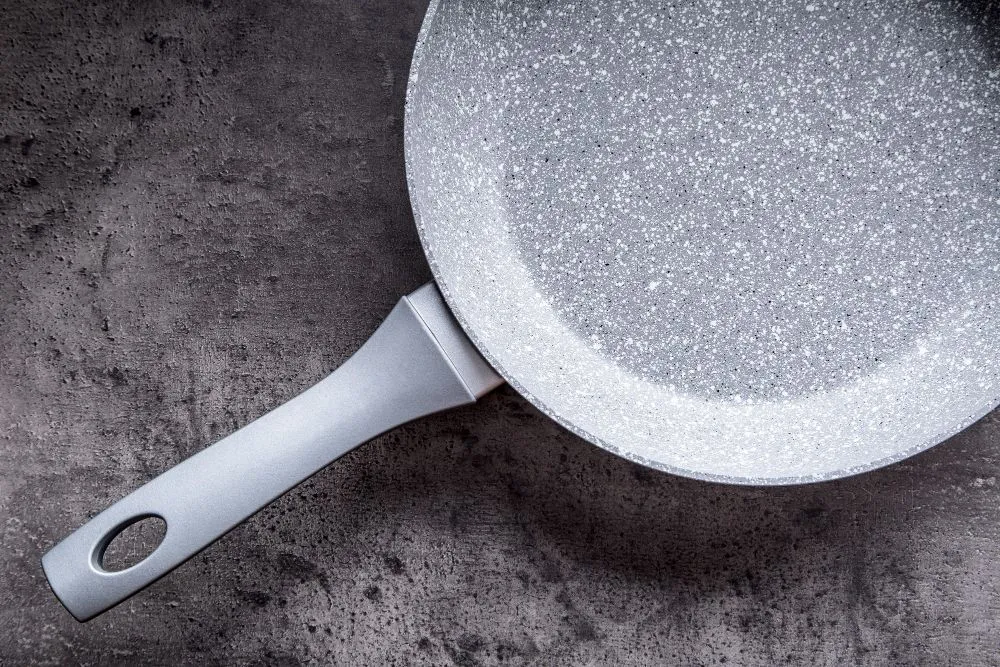
Granite pans are generally safe for cooking, provided they are used at recommended temperatures and their non-stick coating is intact, minimizing the risk of chemical leaching.

The cost of a cookware set varies widely, typically ranging from under $100 for basic sets to over $300 for high-end options, depending on materials, brand reputation, and special features. Consider your cooking needs and budget to find the best value.
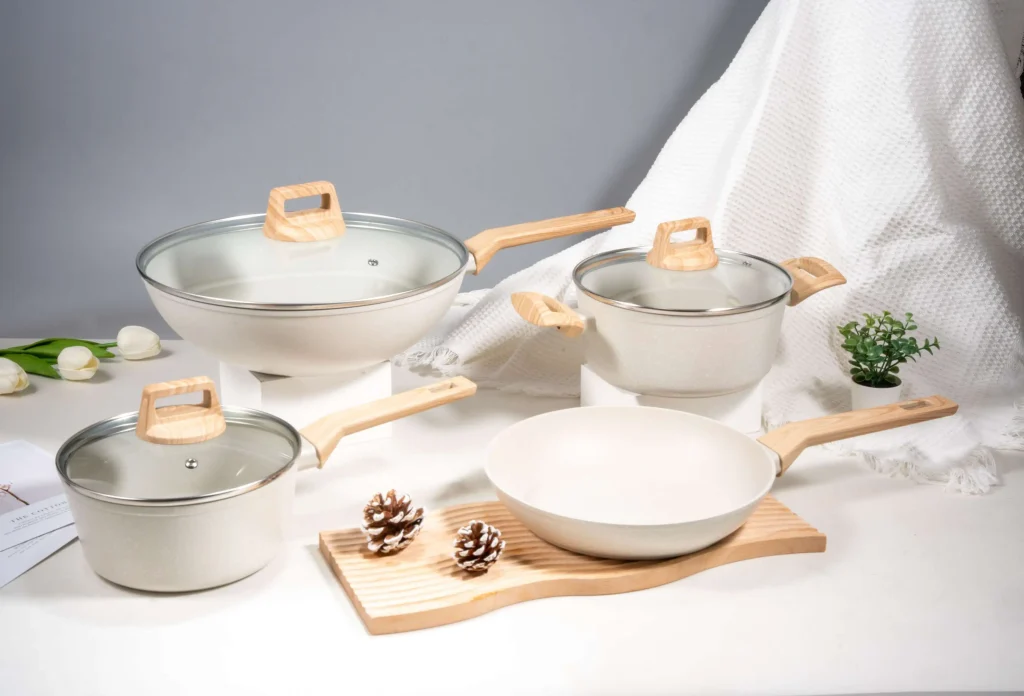
All-Clad, Lodge Cast Iron, Calphalon, Viking Culinary, Made In Cookware, GreenLife, Cuisinart, Farberware, Anolon, Blue Diamond, STAUB, Le Creuset, T-fal