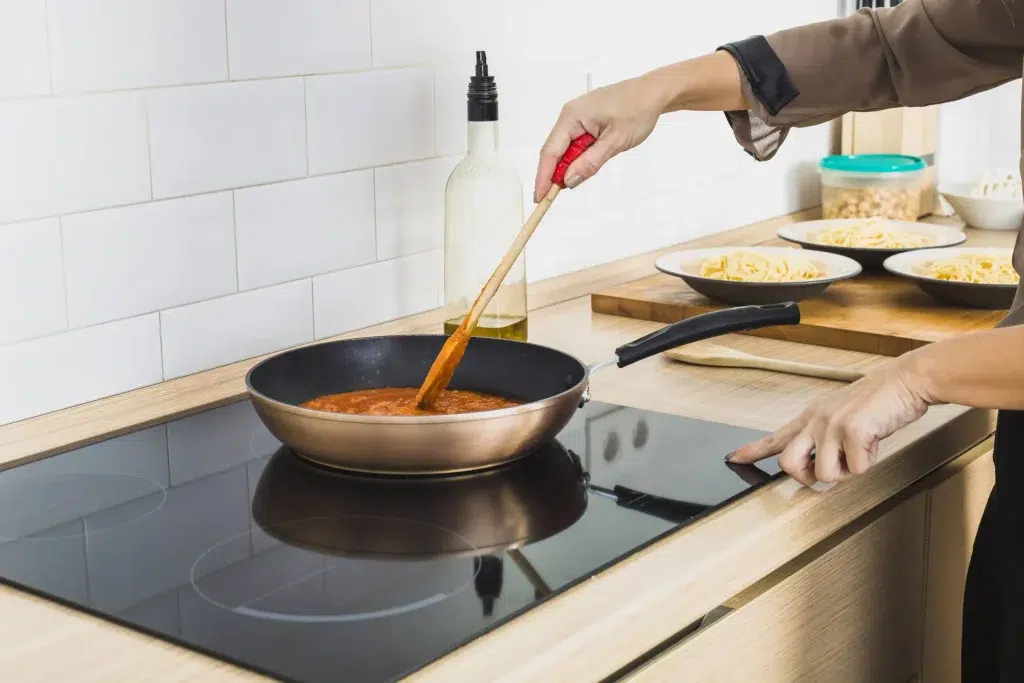

What is Aluminum Cookware?
Learn how to choose, use and maintain aluminum cookware for best performance, durability and value — your complete expert guide.

At KitchenGuidePro, we take social responsibility seriously. We prioritize sustainable and ethical practices in all aspects of our business, from sourcing materials to our impact on the community. We are committed to reducing our environmental footprint and supporting social causes that align with our values. Through our actions, we aim to create a positive impact that extends beyond our company and benefits the greater good.
At our company, we’re dedicated to preserving the environment. That’s why we’ve pledged to reduce our carbon emissions by 20% over the next five years and have implemented comprehensive recycling programs at all of our facilities.
We believe in giving back to the community. Our ‘Building Futures’ initiative has helped construct new schools in underserved areas, providing quality education for over 10,000 children this past year alone.
The health and happiness of our employees is a top priority. We’ve introduced flexible working hours, comprehensive healthcare benefits, and regular wellness programs, fostering a positive and balanced work environment.
We are committed to ethical sourcing and fair trade. We’ve audited our entire supply chain to ensure that all our products are manufactured under fair labor conditions and that workers are paid living wages.
We believe it’s essential to support the causes close to our hearts. That’s why we donate 5% of our annual profits to various charities, focusing on areas like healthcare, education, and environmental conservation.
We understand the role innovation plays in environmental protection. We’ve invested in the research and development of eco-friendly materials and technologies for our products. This not only minimizes our ecological footprint but also provides our customers with more sustainable choices.
We continually strive to make our supply chain more environmentally friendly. This includes investing in local suppliers to reduce transportation emissions, as well as partnering with suppliers who share our commitment to sustainability.
We’ve transitioned to 100% biodegradable packaging materials to reduce the environmental impact of our products. This change has significantly reduced the amount of plastic waste we produce each year.
Our factories have undergone energy audits and have been retrofitted with energy-efficient lighting and machinery, reducing our energy consumption by 30%.
We’ve implemented water-saving technologies and practices in our manufacturing processes. This initiative has helped us save over 10,000 gallons of water this year alone.
For every product sold, we pledge to plant a tree. Through this initiative, we’ve been able to contribute to the reforestation of several areas and offset our carbon emissions.
Our facilities are powered by renewable energy sources such as solar and wind power, reducing our reliance on fossil fuels.
We’ve adopted strict waste management procedures to ensure proper disposal of waste. In addition, we’ve set up recycling programs and aim to become a zero-waste operation.
To encourage employees to reduce their carbon footprints, we offer incentives for carpooling, cycling, and using public transportation.
We hold regular workshops and training sessions for our employees to understand environmental issues and learn how they can contribute to environmental conservation both at work and at home.

Learn how to choose, use and maintain aluminum cookware for best performance, durability and value — your complete expert guide.
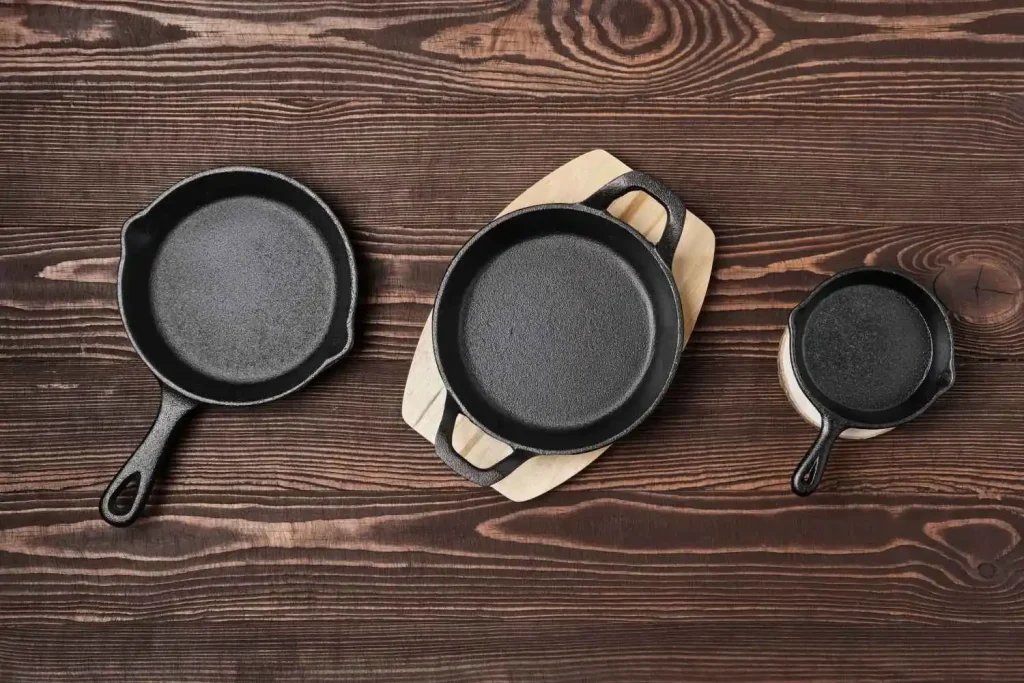
Dive into our ultimate guide to cast iron cookware. Discover its history, significance in modern cooking, care techniques, and how to choose the best pieces for your kitchen.

Stainless steel cookware has earned its place as a kitchen essential for both professionals and home cooks.
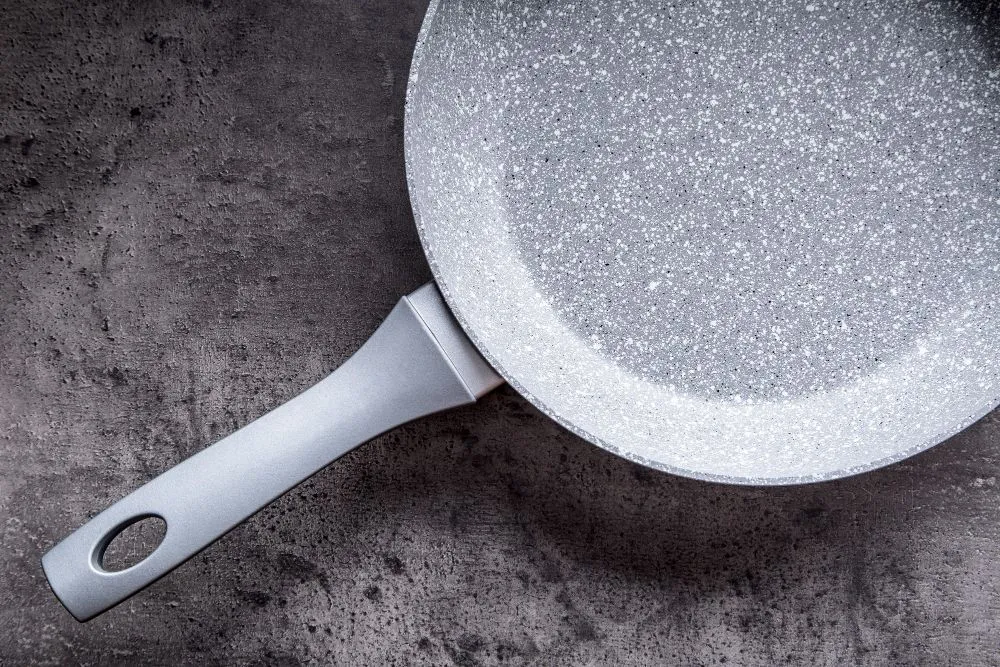
Granite pans are generally safe for cooking, provided they are used at recommended temperatures and their non-stick coating is intact, minimizing the risk of chemical leaching.

The cost of a cookware set varies widely, typically ranging from under $100 for basic sets to over $300 for high-end options, depending on materials, brand reputation, and special features. Consider your cooking needs and budget to find the best value.
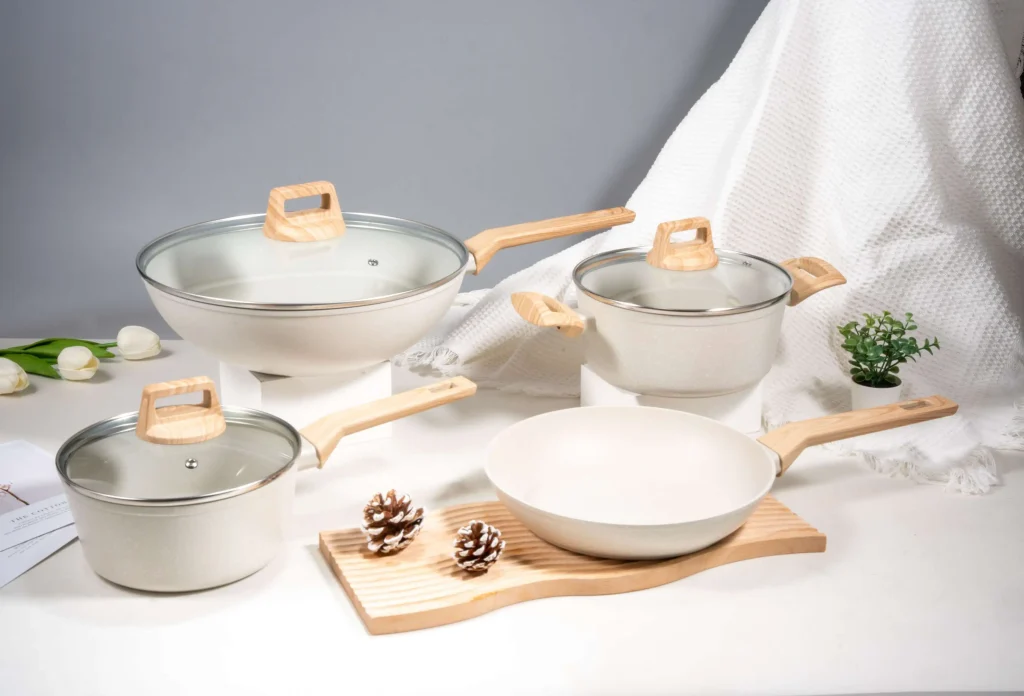
All-Clad, Lodge Cast Iron, Calphalon, Viking Culinary, Made In Cookware, GreenLife, Cuisinart, Farberware, Anolon, Blue Diamond, STAUB, Le Creuset, T-fal