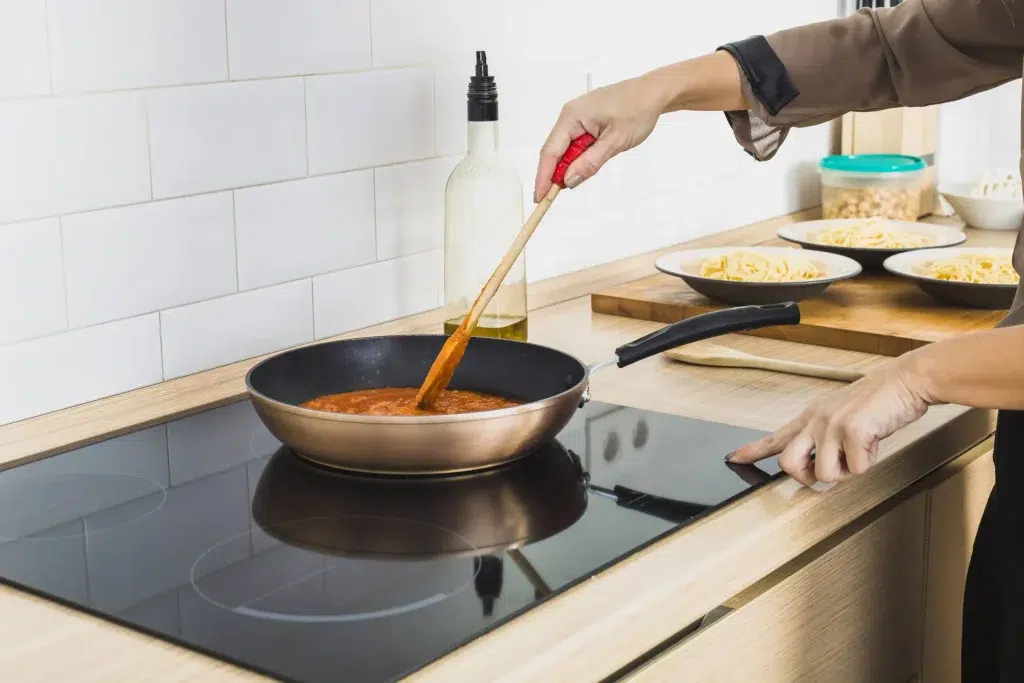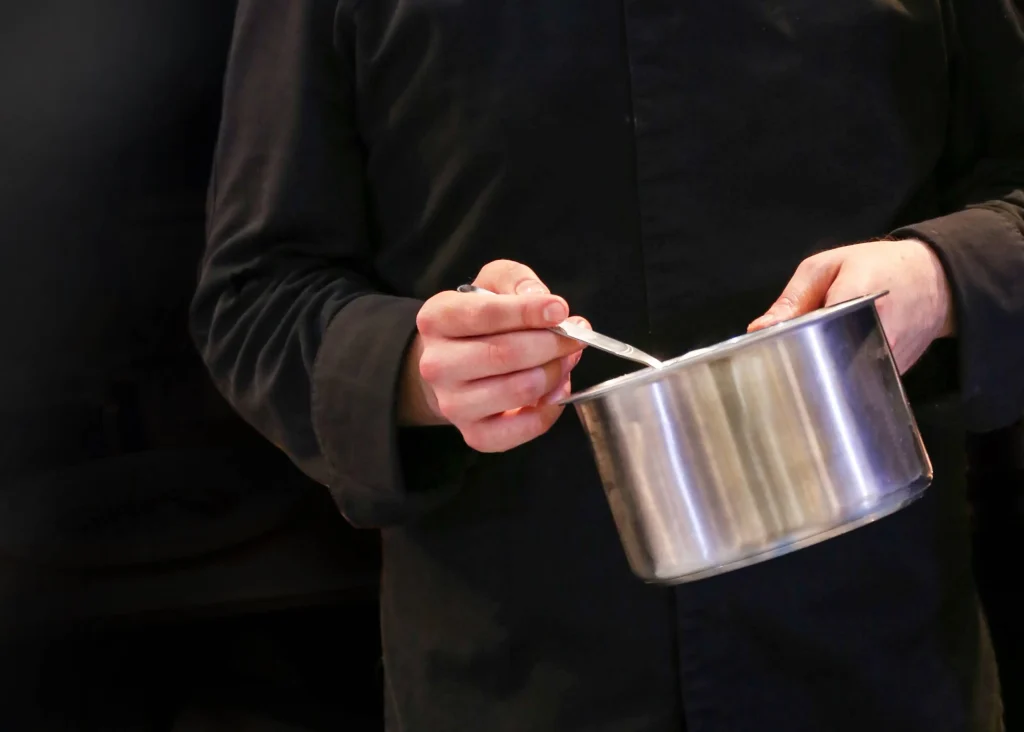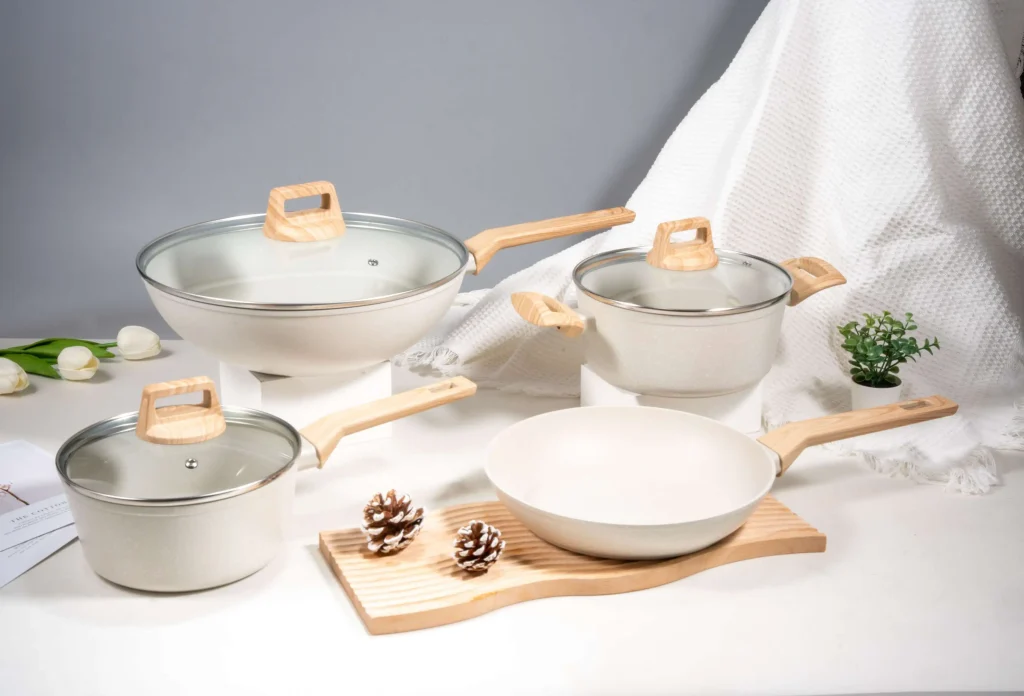

Stainless steel cookware has earned its place as a kitchen essential for both professionals and home cooks. It’s known for its durability, heat tolerance, and non-reactive surface, making it ideal for everything from searing meats to simmering sauces. Unlike nonstick or coated pans, stainless steel can handle high temperatures, metal utensils, and years of heavy use without losing performance. Its sleek, polished appearance also fits seamlessly into modern kitchen designs — a balance of practicality and elegance.

Why Choose Stainless Steel?
Основные преимущества
1. Built to Last: Extremely durable and resistant to rust, warping, or corrosion — stainless steel cookware can withstand decades of daily cooking without losing its shape or shine.
2. Non-Reactive and Food-Safe: It won’t react with acidic or salty foods, preserving pure flavors in sauces and stews — a trusted choice among professional chefs and culinary experts.
3. High-Heat Capability: Handles high temperatures easily for perfect searing, browning, or deglazing — ideal for oven, induction, or stovetop cooking without damaging the pan.
4. Even Heating (When Well-Constructed): Multi-layer (clad) construction with aluminum or copper cores ensures consistent heat distribution and eliminates hot spots across the cooking surface.
5. Easy Maintenance and Timeless Look
Naturally stain-resistant and easy to polish, stainless steel keeps its professional shine for years while maintaining excellent performance.
When It Might Not Be Ideal
While versatile, stainless steel isn’t perfect for every use:
Delicate foods like eggs may stick without proper preheating.
Heavier weight can be tiring for frequent use.
Более высокая стоимость upfront but offers long-term value.
Learning curve for beginners adjusting to heat control.
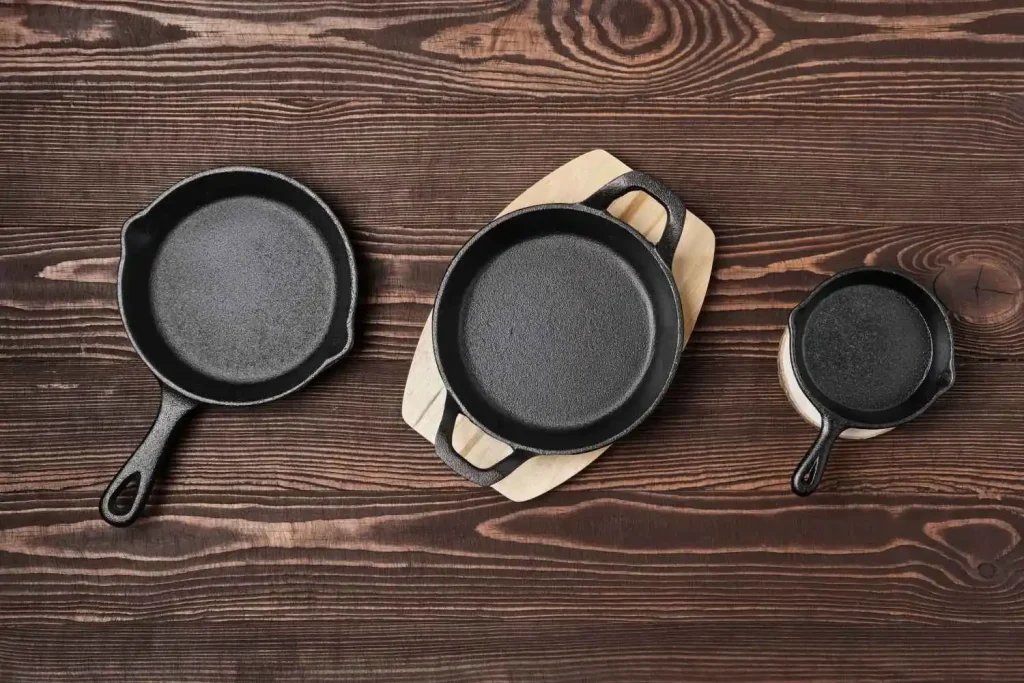
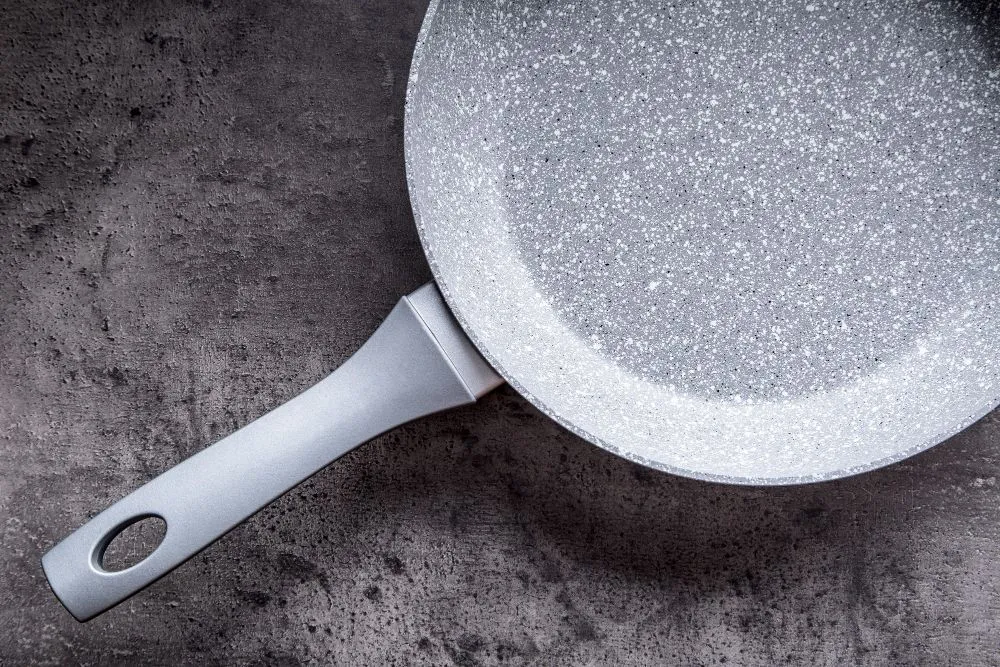
For delicate or low-fat cooking, сковороды с антипригарным покрытием or чугун can complement your stainless steel set.
Understanding Construction & Materials

Grades of Stainless Steel (18/10, 18/8, 18/0, etc.)
The numbers on stainless steel — like 18/10 or 18/8 — describe the ratio of chromium to nickel.
18/10: Premium grade, offers superior shine, corrosion resistance, and durability.
18/8: Nearly identical in quality, slightly less nickel content.
18/0: No nickel, more affordable but prone to rusting and discoloration.
Для посуда, 18/10 is the industry gold standard for long-term performance and aesthetics.
Fully-Clad vs. Disc-Bottom Design: Why Heat Distribution Matters
The way a pan conducts heat affects everything you cook.
Fully-Clad Cookware: Has multiple layers (usually stainless steel + aluminum/copper) throughout the base and sides for even heat from edge to edge.
Disc-Bottom Cookware: Only the base is layered, which may create hot spots along the sides.
If you cook frequently or value precision, fully-clad designs deliver better results and efficiency.
Ply Layers and Core Materials (Aluminum, Copper)
Ply count and core choice define cooking performance:
3-Ply (Tri-Ply): Stainless steel sandwiching an aluminum core — ideal for most home cooks.
5-Ply or More: Adds extra aluminum or copper layers for greater heat retention and control, perfect for professional use.
Aluminum Core: Lightweight, excellent conductivity.
Copper Core: Faster response to temperature changes but higher cost.
Look for balanced ply construction — thick enough for stability, thin enough for responsive control.
Handles, Lids, and Finishes — What Construction Details Matter
Small design choices make a big difference in comfort and longevity:
Ручки: Riveted stainless or stay-cool ergonomic designs offer safety and strength.
Крышки: Tight-fitting stainless or tempered glass lids trap heat and moisture effectively.
Finishes: Brushed or polished exteriors resist fingerprints and discoloration while giving a professional, elegant look.
Quality construction isn’t just about layers — it’s about comfort, control, and long-term reliability in every detail.
How to Choose the Right Cookware Set or Individual Piece

Matching Your Cooking Style & Stove Type
Your cookware should match how and where you cook.
Induction: Requires magnetic stainless steel (check with a magnet). Fully-clad or flat-bottom pans work best.
Gas: Choose heavier cookware with responsive heat control to prevent scorching.
Electric or Ceramic: Smooth, flat bases ensure even contact and steady heating.
If you often sear meats or cook sauces, go for heavier multi-ply pans; for quick meals, a lighter tri-ply skillet may be easier to handle.
Size and Number of Pieces: Build-Your-Set vs. Starter Sets
Cookware sets vary widely in size and practicality.
Starter Sets (6–10 pieces): Great for first kitchens; usually include essentials like a saucepan, sauté pan, stockpot, and fry pan.
Build-Your-Set: Ideal for experienced cooks who want to customize pieces based on personal cooking habits.
A balanced setup often includes:
8″ and 10″ frying pans
2 qt. and 4 qt. saucepans
5 qt. sauté pan
8 qt. stockpot
This mix covers nearly all daily cooking tasks without unnecessary extras.
Brand vs. Value: What Specs Matter More
Don’t choose cookware just for the logo — focus on construction and performance. The most important specs include:
Material quality: 18/10 stainless steel with aluminum or copper core.
Толщина: Medium to heavy gauge for stability and even heating.
Riveted handles and solid lids: Indicate long-term durability.
Warranty and support: A sign of manufacturer confidence.
Well-made, mid-range cookware often outperforms pricier brands in everyday cooking reliability.
Budget Tiers: What to Expect at Different Price Points
| Ценовой диапазон | Typical Features | Лучшее для |
|---|---|---|
| Entry-Level (<$200) | Basic stainless or disc-bottom design; limited heat distribution | Beginners, light cooking |
| Mid-Range ($200–$600) | Tri-ply or 5-ply sets with strong performance and durability | Home cooks seeking balance |
| Premium ($600–$1,200+) | Multi-ply, copper core, pro-grade finishes, lifetime warranty | Professionals or long-term investment |
Regardless of budget, prioritize heat distribution, comfort, and quality build. A well-chosen stainless steel pan can serve you faithfully for decades.
Performance & Use: Getting the Most Out of It

How to Preheat Correctly to Avoid Sticking
Stainless steel performs best when properly preheated. Heat the pan on medium for 2–3 minutes, then add a few drops of water — if they form small beads that glide across the surface, the pan is ready. Add oil after preheating, not before. This creates a natural nonstick effect and prevents food from bonding to the metal.
Ideal Oil, Temperature & Deglazing Techniques
Use oils with high smoke points like avocado, canola, or sunflower. Heat the oil until it shimmers, then add ingredients — never drop food into cold oil or an unheated pan.
After searing meat or sautéing, you’ll often see flavorful browned bits, called fond, on the pan surface. To cleanly lift them and create a rich sauce, pour in a bit of broth, wine, or water while the pan is still hot. This deglazing technique unlocks flavor and makes cleanup easier.
When Stainless Steel Shines Most
Stainless steel excels in high-heat, precision cooking tasks, including:
Обжаривание мяса for a deep, caramelized crust.
Sautéing vegetables with perfect browning.
Simmering sauces and soups that need steady heat.
Deglazing and pan sauces for flavor-rich results.
Oven finishing, since stainless cookware transitions safely from stove to oven.
It’s the go-to choice when you need control, durability, and versatility in one pan.
Common Mistakes & How to Avoid Them
Overheating the pan: Causes discoloration and sticking; use medium to medium-high heat for best results.
Adding salt to cold water: Can create pitting corrosion; wait until the water boils.
Cold food on a hot pan: Leads to sticking; let ingredients reach room temperature first.
Improper cleaning: Avoid steel wool or harsh abrasives that can scratch the surface.
By controlling temperature and using the right techniques, you’ll turn stainless steel from intimidating to effortlessly reliable — achieving restaurant-level results in your own kitchen.
Maintenance, Cleaning & Longevity
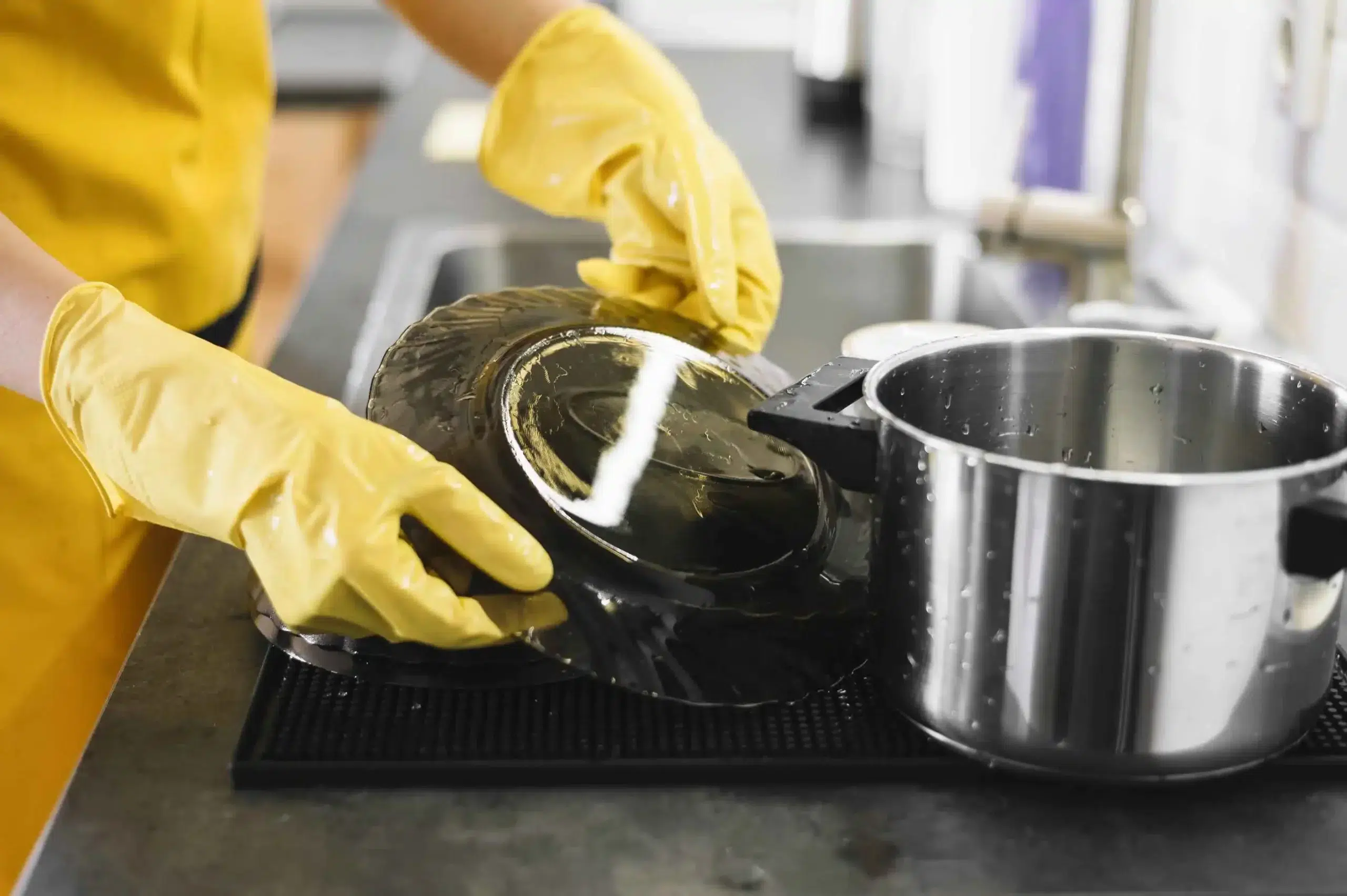
Basic Cleaning: Daily, Dishwasher-Safe or Hand Wash?
Stainless steel is low-maintenance but rewards good habits. After cooking, let the pan cool before washing — sudden temperature changes can cause warping.
Daily Cleaning: Use warm water, mild dish soap, and a soft sponge.
Dishwasher: Most stainless steel cookware is dishwasher-safe, but hand washing preserves shine and longevity.
Avoid harsh detergents or bleach, which may dull the finish over time.
A quick wipe after each use keeps your cookware looking new for years.
Dealing with Discoloration, Heat Tint & Stuck-On Food
We recommend simple solutions for common issues:
Discoloration or Rainbow Tint: Caused by high heat; remove it using a vinegar-water mix or a specialized stainless steel cleaner.
White Spots: Usually from mineral buildup; clean with lemon juice or diluted vinegar.
Stuck-On Food: Fill the pan with hot water and a bit of baking soda, let it soak, then simmer gently and scrape with a wooden spatula.
Never use steel wool or metal scouring pads — they can scratch and dull the surface.
Storage Tips & Safe Use Practices
To prevent damage, store cookware carefully:
Stack pans with soft cloth or paper towels between them to avoid scratches.
Hang larger pots or pans to save space and preserve finishes.
Metal utensils are safe to use if you’re gentle, but silicone, nylon, or wood helps maintain the mirror polish.
Avoid storing cookware while still damp — moisture can lead to water spots or surface dulling.
When to Replace Cookware (If Ever)
High-quality stainless steel rarely needs replacement. With proper care, it can last a lifetime.
However, consider replacing pieces if you notice:
Deep warping or dents that affect even heating.
Loose rivets or handles that can’t be safely tightened.
Severely scratched interiors that trap residue.
In most cases, your stainless steel cookware won’t wear out — it will simply age gracefully, developing a seasoned patina that reflects years of cooking experience.
Safety & Health Considerations
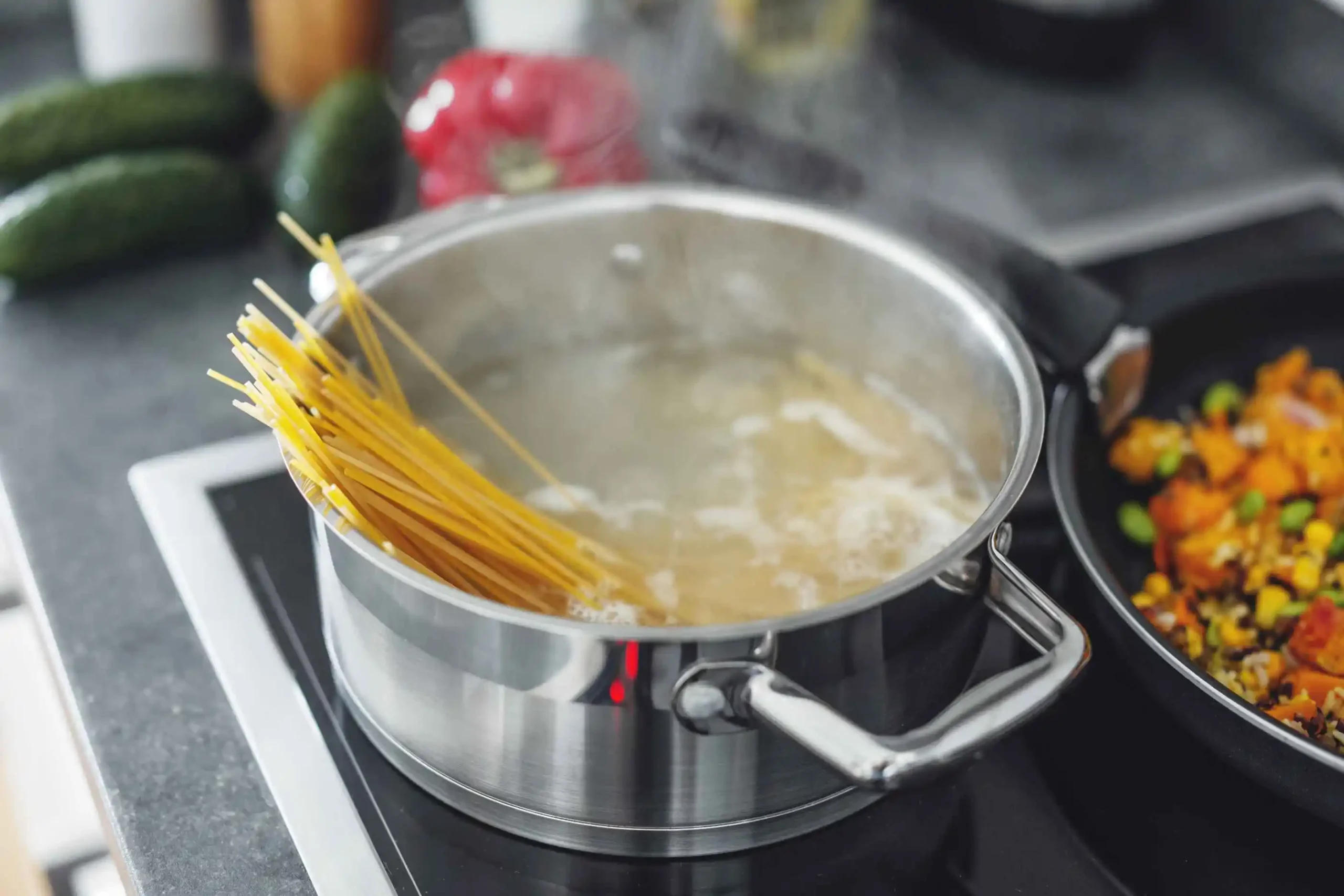
Why Stainless Steel Is Considered Safe and Non-Reactive
Stainless steel is one of the safest and most stable cookware materials available. It doesn’t react with acidic, salty, or alkaline foods, so flavors stay clean and natural. The protective chromium oxide layer on the surface prevents corrosion and chemical interaction, making it ideal for long-term daily cooking.
Are There Any Risks (Nickel, Chromium Leaching) and What to Check
Trace amounts of nickel or chromium may leach when cooking highly acidic foods for long periods, but levels are far below health-risk thresholds for most people.
To ensure safety:
Выбирать 18/10 or 18/8 cookware, which has a stable, corrosion-resistant composition.
Avoid prolonged empty heating, which can damage the surface.
If you’re nickel-sensitive, opt for 18/0 cookware, which contains no nickel but may need extra care against rust.
In general, stainless steel remains chemically inert, non-toxic, and dependable for all cooking environments.
Comparison with Nonstick and Coated Alternatives
From a health perspective, stainless steel offers several advantages:
No chemical coatings: Unlike traditional nonstick pans, stainless steel doesn’t degrade or release fumes under high heat.
Heat resilience: Safe up to oven-level temperatures without surface breakdown.
Долговечность: Its durability reduces waste and replacement cycles, contributing to a healthier environment.
Nonstick cookware still has value for delicate, low-fat cooking, but stainless steel remains the healthier, more reliable long-term choice for everyday use — especially when high-heat or metal-utensil cooking is part of your routine.
Sustainability, Lifespan & Value for Money

How Long Quality Stainless Steel Cookware Can Last
Premium stainless steel cookware can truly be “forever cookware.” With proper care, high-quality sets can last 20 years or more — often a lifetime. The metal’s corrosion resistance and structural strength mean it doesn’t chip, peel, or warp like other materials. Many professionals still use the same pans they bought decades ago.
Repairability, Warranty & Pass-Down Potential
Stainless steel’s longevity also makes it repairable and renewable.
Handles or rivets can often be tightened or replaced instead of discarding the pan.
Many reputable manufacturers back their cookware with lifetime warranties, reflecting its durable nature.
Its timeless design and long-lasting performance make it an item you can pass down through generations, retaining both beauty and function.
A well-maintained stainless steel set isn’t just cookware — it’s a long-term investment in your kitchen.
Environmental & Green Benefits
From a sustainability perspective, stainless steel cookware is among the most eco-friendly options available:
Fewer replacements: Its long lifespan reduces manufacturing waste.
100% recyclable: Stainless steel can be fully recycled without losing quality or strength.
No coatings or toxins: It avoids synthetic chemicals found in some alternatives, minimizing environmental impact.
In short, stainless steel cookware supports a sustainable cooking lifestyle — combining durability, repairability, and environmental responsibility while delivering consistent, professional-grade results for decades.
Top Brands & Models — What’s Worth Considering
When it comes to stainless steel cookware, there’s a wide range of options—from budget sets to premium professional-grade selections. Below is a structured guide to help you navigate the market, followed by how to evaluate brands and what sets premium models apart.

Brand Tiers: High-End • Mid-Range • Budget
Here are examples (for reference only) of cookware sets across price tiers:
Viking 5‑Ply Professional Stainless Steel Set: Ultra premium, thick 5-ply construction, handcrafted finish—designed for serious home chefs.
Le Creuset Signature Stainless Steel 10‑Piece Set: Luxury brand, high-end materials and craftsmanship, premium price tag.
Made In Stainless Clad 10‑Piece Set: Premium direct-to-consumer model focused on high quality and construction.
All‑Clad D3 Stainless Steel Kitchen Helper Set: Upper-mid tier recognised for strong performance and professional credibility.
Cuisinart 13‑Piece Classic Stainless Steel Set: Mid-range, decent quality for the price—good value for everyday cooking.
KitchenAid Stainless Steel 10‑Piece Set: Also mid-range, balanced performance with recognizable brand.
Caraway 12‑Piece Stainless Steel Set: Mid-design focus and eco-angle; somewhat higher price within mid-range.
Mainstays 10‑Piece Stainless Steel Cookware Set: Entry level budget, sufficient for light use but likely thinner material and less long-term durability.
What Features Differentiate Premium Brands
When assessing “premium” cookware, these are the features that tend to set them apart:
Clad construction with multiple layers (3-ply, 5-ply or more): Как Food & Wine states, the multiple layers of stainless + aluminum/copper enhance heat distribution and durability.
High-grade stainless (18/10, 18/8) and full-clad sides (not just the base): Ensures even performance across the sidewalls of pans.
Riveted or welded heavy-duty handles, tight-fitting lids, polished finishes: These build quality details contribute to comfort, longevity, and aesthetic refinement.
Induction-ready, oven-safe to high temperatures: Premium pieces often have broader compatibility across cookware platforms.
Solid warranty/support and brand reputation: Many premium brands offer lifetime warranties or strong customer service as a marker of confidence in their product.
How to Evaluate Lesser-Known or More Affordable Brands
Even if a brand isn’t a household name, you can still assess whether it offers good value. Here’s what to check:
Material and construction specs: Is it truly clad or just impact-bonded? Are the sidewalls thick enough?
Base compatibility & flatness on your stove: Some cheaper pans warp or have hot spots.
Handles & lids quality: Are handles securely riveted or welded? Does the lid seal well and match the pan size?
Magnetic base for induction if needed: If you have an induction cooktop, test with a magnet.
User reviews and performance tests: Look for feedback about heat distribution, durability, sticking issues, warping.
Warranty and brand transparency: A company willing to stand behind its product speaks volumes.
Buying Checklist & Quick Reference Guide

10-Point Cookware Buying Checklist
Use this quick checklist before purchasing your stainless steel cookware to make sure it fits your cooking needs, lifestyle, and kitchen setup:
Material Grade – Choose 18/10 stainless steel for the best corrosion resistance and long-term shine.
Construction Type – Prefer fully clad pans (multi-ply) over disc-bottom for even heating.
Heat Core – Look for aluminum or copper cores for better conductivity and responsiveness.
Совместимость – Ensure the base is flat and magnetic if you use an induction stove.
Масса – Medium-heavy cookware balances durability and comfort; too light means hot spots, too heavy strains your wrist.
Ручки – Choose riveted or welded stainless handles that stay cool and feel balanced in hand.
Крышки – Go for tight-fitting stainless or tempered glass lids to lock in heat and moisture.
Cleaning Ease – Dishwasher-safe is fine, but smooth interiors clean easily by hand; avoid rough welds or seams.
Warranty & Support – A lifetime warranty signals confidence in construction quality.
Budget Range – Mid-range (tri-ply) sets often provide the best value between performance and cost.
Quick Decision Flowchart
| Your Cooking Situation | Recommended Option |
|---|---|
| Cook for 1–2 people на индукция | Compact tri-ply set or single 10″ skillet, induction-ready base |
| Cook for family meals на gas/electric | Full 5-ply cookware set for even heat and capacity |
| Want lightweight everyday pans | Выбирать aluminum-core tri-ply stainless — easy to handle |
| Focus on professional precision or high-heat searing | Выбрать copper-core stainless steel for rapid heat control |
| Prefer easy cleanup with occasional high-heat cooking | Go with polished 18/10 stainless, hand wash recommended |
| Limited budget but want long-term value | Pick a mid-range tri-ply set with strong warranty |
| Occasional cook, mostly sauces or soups | A few key pieces — saucepan, sauté pan, and stockpot — will do |
| Расставлять приоритеты durability and sustainability | Invest in lifetime stainless steel pieces — fewer replacements |
| Upgrade from nonstick | Start with a 3-piece stainless starter set (skillet, saucepan, sauté pan) |
| Small kitchen or minimal storage | Select stackable or nested designs to save space |