
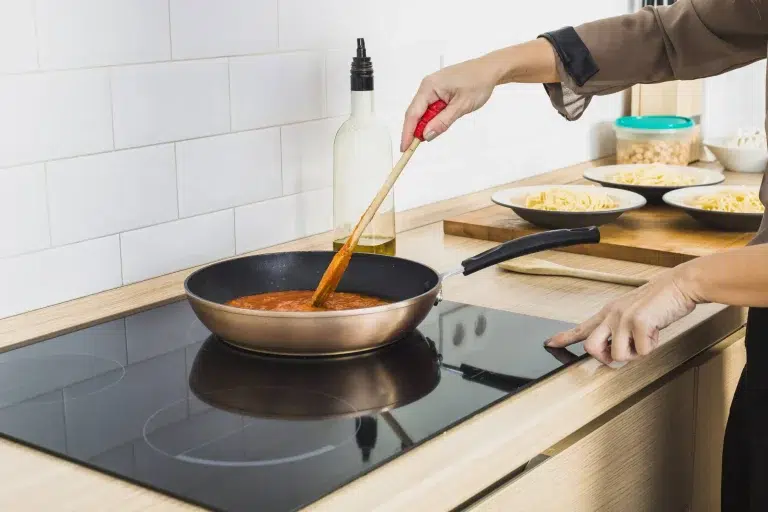

What is Aluminum Cookware?
Learn how to choose, use and maintain aluminum cookware for best performance, durability and value — your complete expert guide.

Choosing the right materials for kitchen cabinets is a decision that blends aesthetic preference with practical considerations. Particle board has become a key player in this decision-making process, offering a balance between cost-effectiveness and functionality that’s hard to overlook.
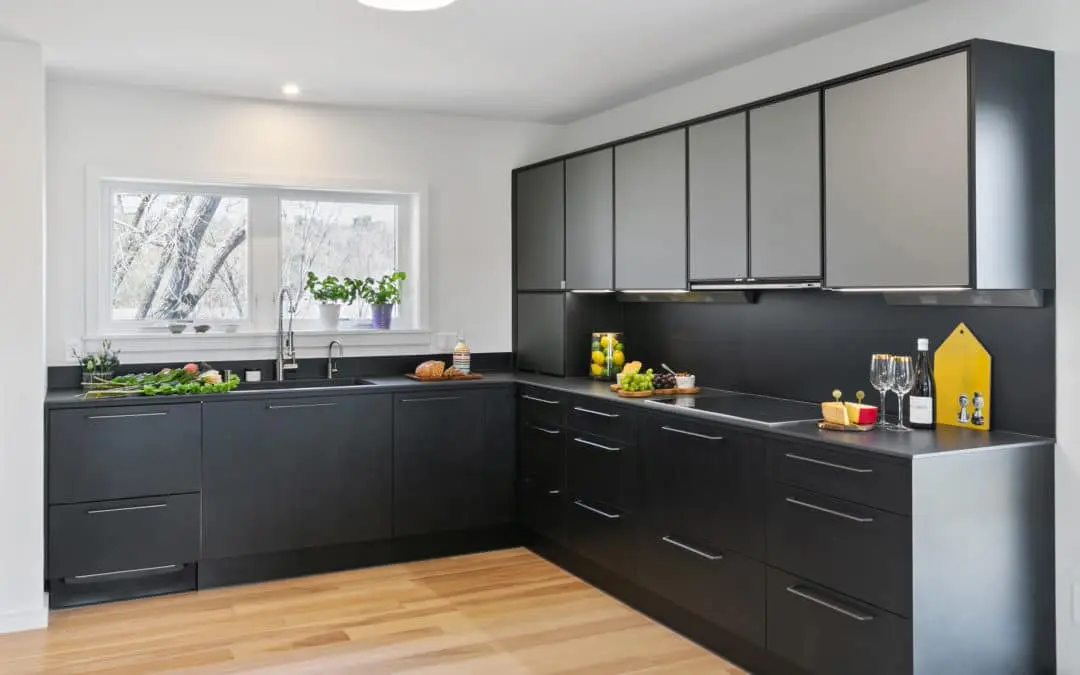
When delving into the world of cabinetry, particle board stands out for budget-conscious homeowners and designers alike. Its versatility not only makes it a practical option for various styles but also aligns well with the trend towards more economically sustainable kitchen cabinet choices. This introduction explores particle board’s place in modern cabinet making and how its use supports both design innovation and budget-friendly solutions.
Particle board is a widely used material in the manufacturing of furniture and cabinets due to its cost-effectiveness and adaptability. But what exactly is this versatile material, and how is it made?

At its core, particle board is an engineered wood product composed of wood chips, sawmill shavings, or even sawdust, and a synthetic resin or other suitable binder, which is pressed and extruded. The result is a dense, flat panel that holds screws and nails relatively well and offers a smooth surface that’s ready for veneers, laminates, or paints.
The production of particle board is a resource-efficient process. It begins with collecting wood residuals and grinding them into fine particles. These particles are then thoroughly mixed with a binding agent, usually a type of resin, and formed into sheets. Under high heat and pressure, these sheets are compressed into flat boards that are then cooled and cut to size. This process not only makes effective use of wood waste, but it also allows for the creation of large panels with consistent quality and minimal natural defects.
Particle board’s utility in modern cabinet making is largely due to this manufacturing process, which yields a product that performs reliably in a variety of contexts while keeping costs low. Its uniformity makes it a preferred substrate for many types of finishes, ensuring a quality appearance in the final product.
Particle board offers several advantages that make it an appealing choice for cabinetry, especially when balancing quality with cost.

One of the most compelling benefits of particle board is its affordability. When compared to other materials like solid wood or plywood, particle board stands out for its cost-effectiveness. The use of inexpensive wood waste in its production makes it a budget-friendly option without significantly sacrificing durability or functionality. This affordability allows for greater flexibility in budget allocations, be it for larger projects or for those looking to maximize value without a hefty price tag.
Another advantage of particle board in cabinetry is its design versatility. Particle board serves as a blank canvas that can easily be finished with a variety of veneers, laminates, and paints, allowing designers to achieve a wide array of styles, from contemporary to traditional. It can be cut into diverse shapes and sizes, making it suitable for custom cabinetry solutions that cater to specific design preferences and space requirements.
The lightweight nature of particle board is an added benefit in both the design and installation process of cabinets. Its reduced weight makes it easier to handle and install, which can be particularly advantageous in wall-mounted cabinet systems where stress on wall anchors and fasteners is a consideration. Despite its lightness, particle board remains sufficiently sturdy for general use in cabinetry, offering a practical solution for both builders and end-users.
Understanding how particle board stacks up against other common materials like MDF and plywood is crucial for making informed decisions in cabinetry design and construction.

Particle board and Medium Density Fiberboard (MDF) are often used interchangeably due to their similar applications and price points. However, they have distinct characteristics:
Plywood is a stronger and more durable option compared to particle board, due to its layered construction that gives it resistance to warping and bending. The key differences include:
Both particle board and plywood have their own advantages and ideal uses within cabinetry. The choice between the two often comes down to the specific needs of the project, the desired finish, and budget considerations. Particle board remains a popular choice for its low cost and versatility, while plywood is preferred for its structural integrity and moisture resistance.
The use of particle board in modern cabinetry design is testament to its aesthetic flexibility and adaptability to various styles and trends.

Particle board has immense potential in creating visually appealing designs that can fit any interior style. Its smooth, uniform surface is ideal for applying high-quality veneers that mimic the look of real wood, providing the beauty of natural patterns at a fraction of the cost. Designers can also exploit particle board’s versatility to implement colorful laminates for a contemporary look or utilize various paint techniques that add texture and depth, making it a versatile choice for both minimalist and elaborate design schemes.
The beauty of working with particle board lies in the multitude of surface treatment options available:
Incorporating particle board into modern designs not only stands as a testament to a designer’s creativity but also reflects a commitment to providing cost-effective, durable, and stylish cabinetry solutions. With particle board, achieving a high-end look while adhering to budget constraints has never been more accessible.
While particle board is a valuable asset in cabinet design, it’s important to address its limitations and how to work around them to maintain the integrity of the cabinets over time.

The durability of particle board is a frequent topic of discussion among both professionals and consumers. It’s true that particle board isn’t as strong as plywood or solid wood and can be susceptible to damage under high-stress conditions such as heavy loads or constant wear. However, with proper construction techniques, such as reinforced joints and supports, the longevity of particle board cabinets can be significantly extended. Selecting high-density particle board also contributes to a sturdier final product.
Particle board’s Achilles heel is undoubtedly its sensitivity to moisture. Exposure to water can cause swelling, warping, or even disintegration of the material. Here are some tips to enhance its moisture resistance:
Understanding these limitations and taking proactive steps to mitigate them will help in maintaining the aesthetic and structural quality of particle board cabinetry, ensuring satisfaction with the end product.
Ensuring the longevity and maintaining the appearance of particle board cabinets can be achieved through adherence to certain best practices from the moment they are handled to their day-to-day care.

Proper handling and care are paramount for particle board cabinetry to endure the test of time:
Correct installation is crucial for the functionality and durability of particle board cabinets:
Following these guidelines can significantly impact the lifespan and performance of particle board cabinets, allowing them to remain a functional and attractive aspect of home interiors for many years.
Particle board offers a practical solution for budget-conscious cabinetry, blending cost-efficiency with functional design. By adhering to best practices for installation and care, the limitations of particle board, such as moisture sensitivity and durability, can be effectively managed. This allows for the creation of stylish and resilient cabinets that provide significant value, making particle board a smart choice for those looking to maximize their design impact without stretching their budget. Embrace the versatility and affordability of particle board to enhance your living spaces with confidence and creativity.
Learn how to choose, use and maintain aluminum cookware for best performance, durability and value — your complete expert guide.
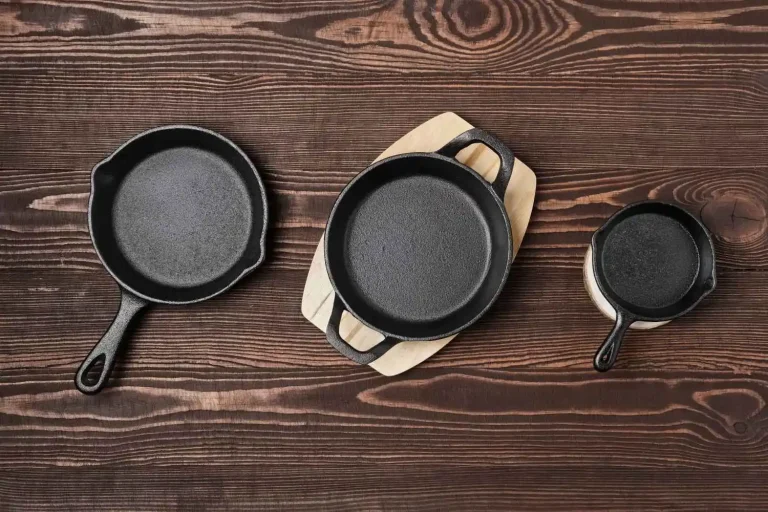
Dive into our ultimate guide to cast iron cookware. Discover its history, significance in modern cooking, care techniques, and how to choose the best pieces for your kitchen.

Stainless steel cookware has earned its place as a kitchen essential for both professionals and home cooks.
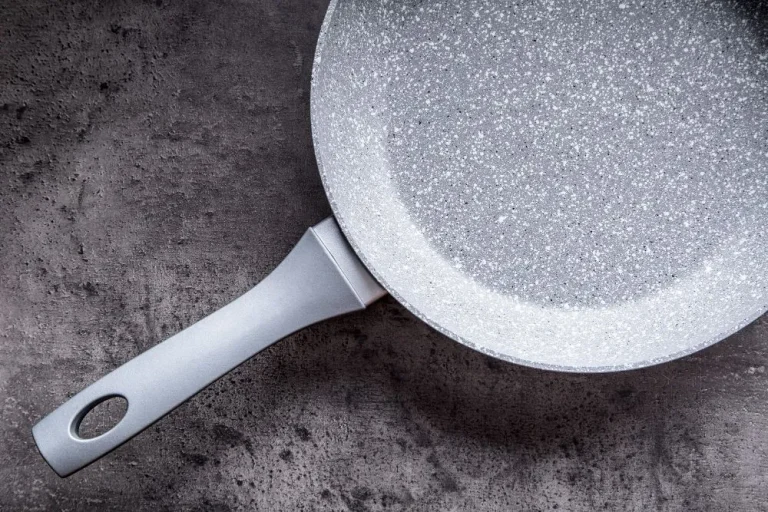
Granite pans are generally safe for cooking, provided they are used at recommended temperatures and their non-stick coating is intact, minimizing the risk of chemical leaching.

The cost of a cookware set varies widely, typically ranging from under $100 for basic sets to over $300 for high-end options, depending on materials, brand reputation, and special features. Consider your cooking needs and budget to find the best value.
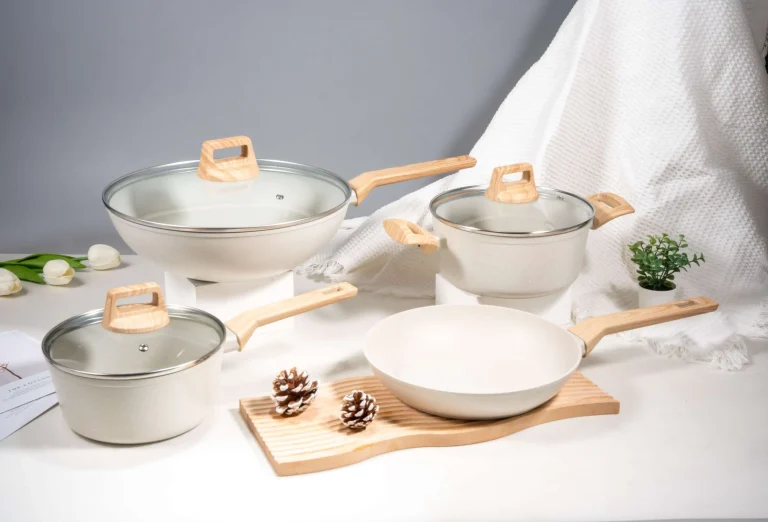
All-Clad, Lodge Cast Iron, Calphalon, Viking Culinary, Made In Cookware, GreenLife, Cuisinart, Farberware, Anolon, Blue Diamond, STAUB, Le Creuset, T-fal