
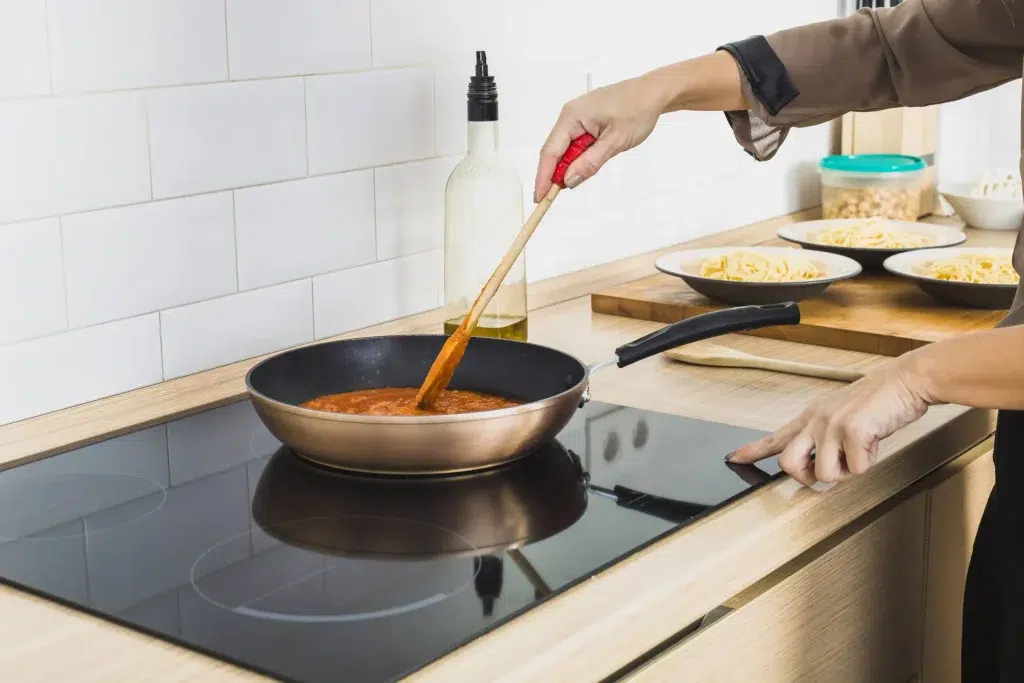

OEM & ODM Cookware Service

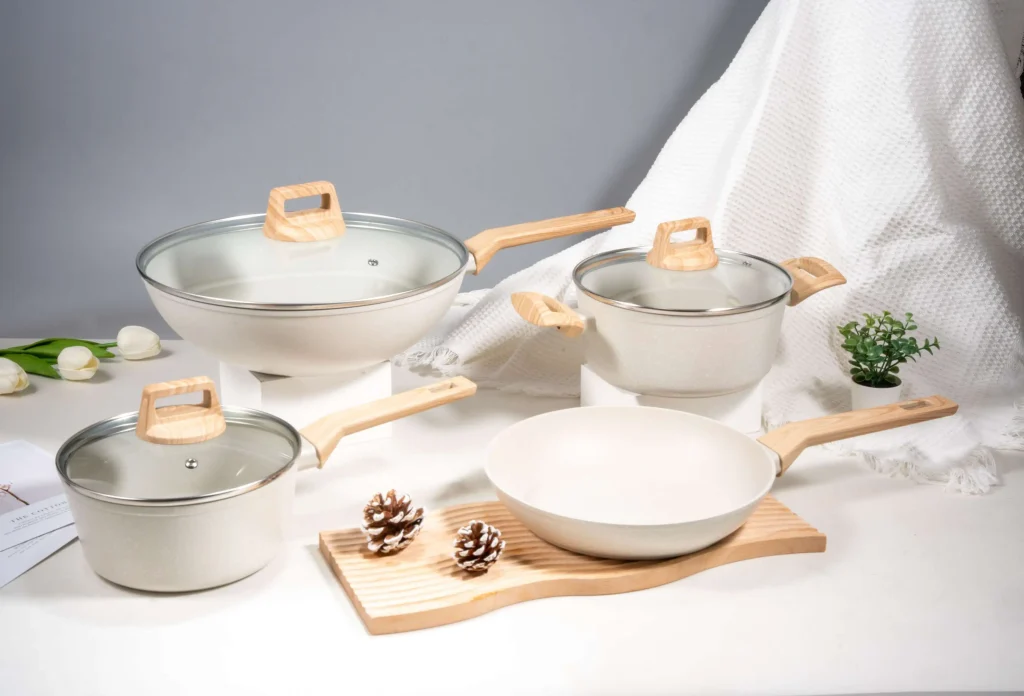
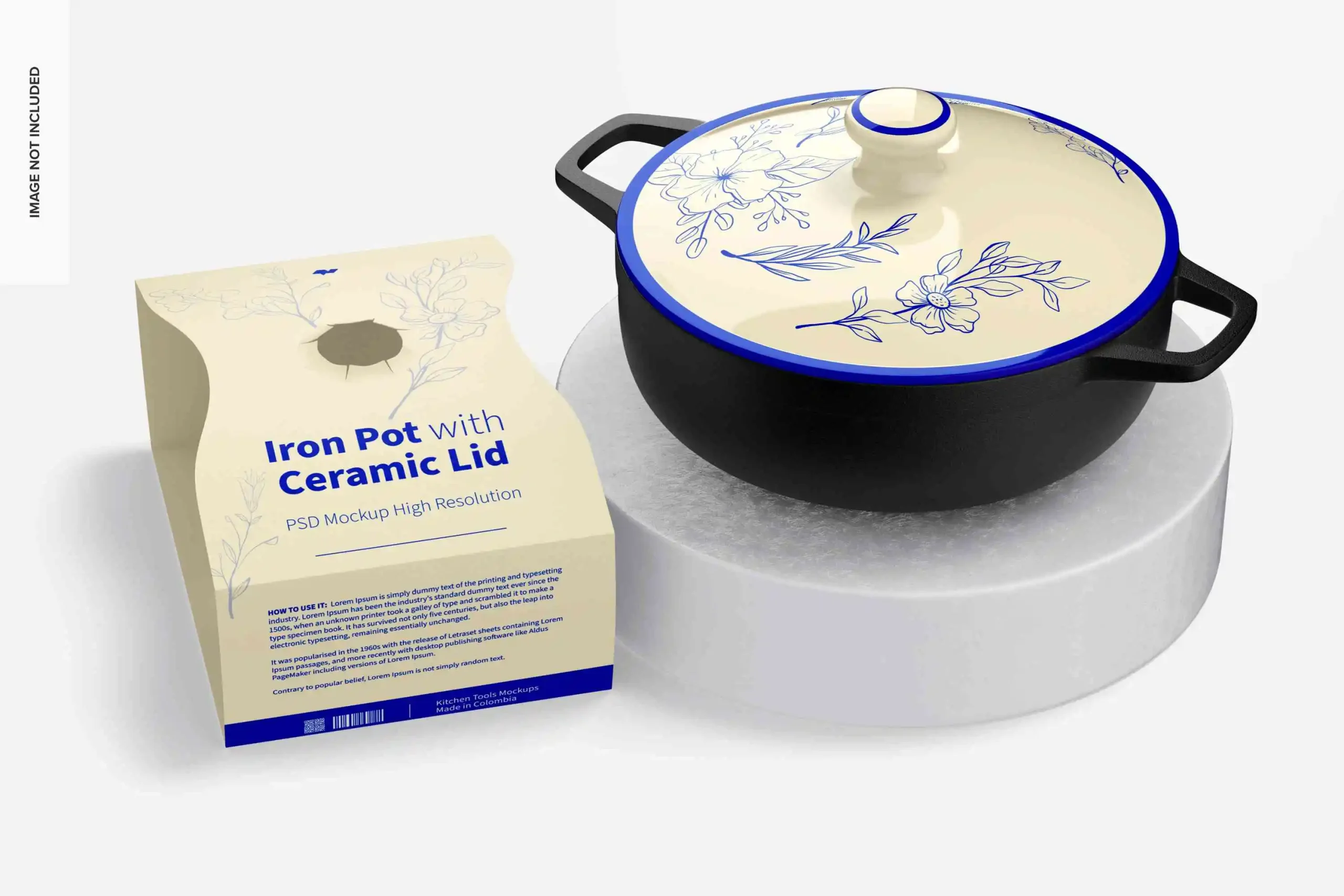
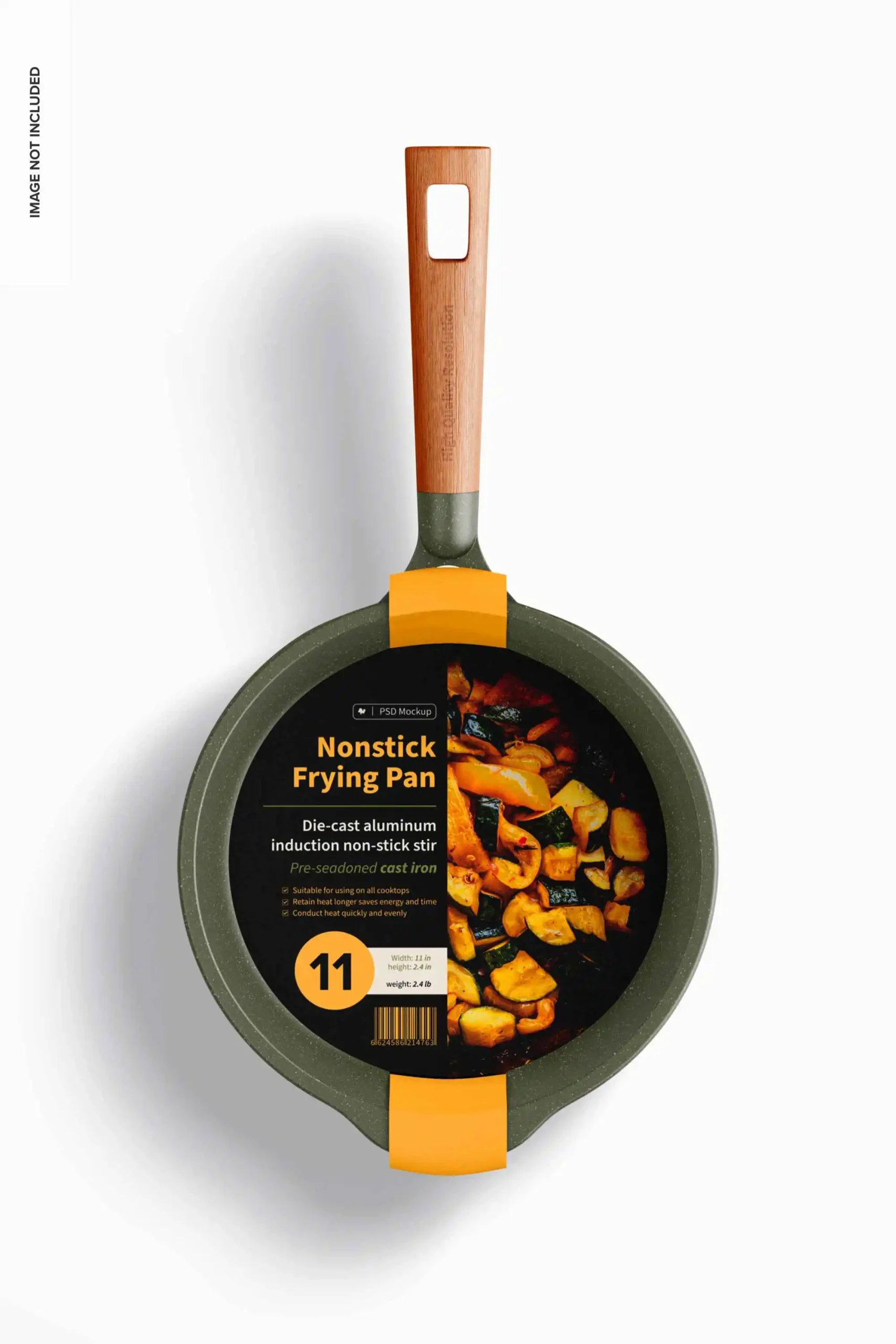
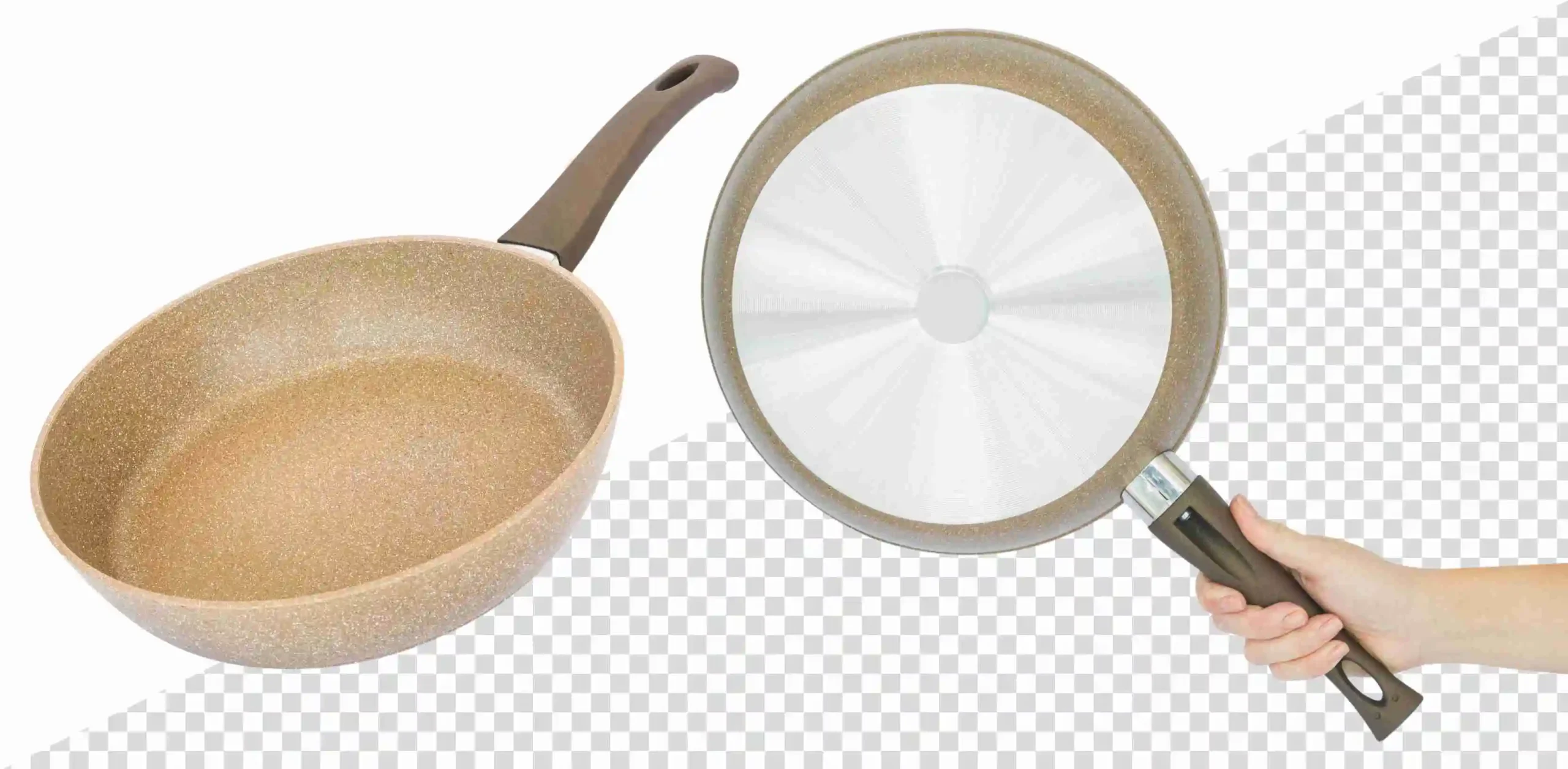
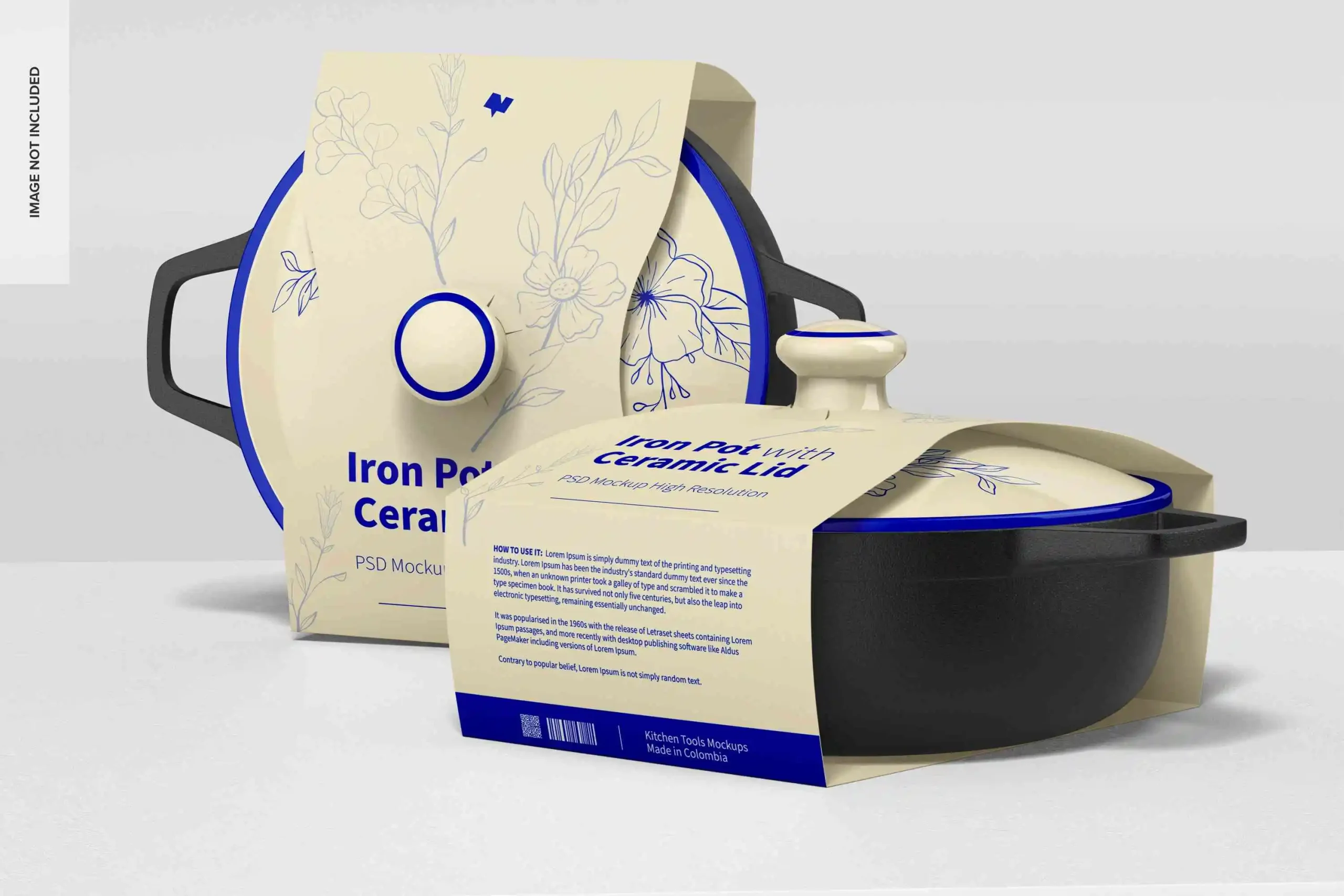
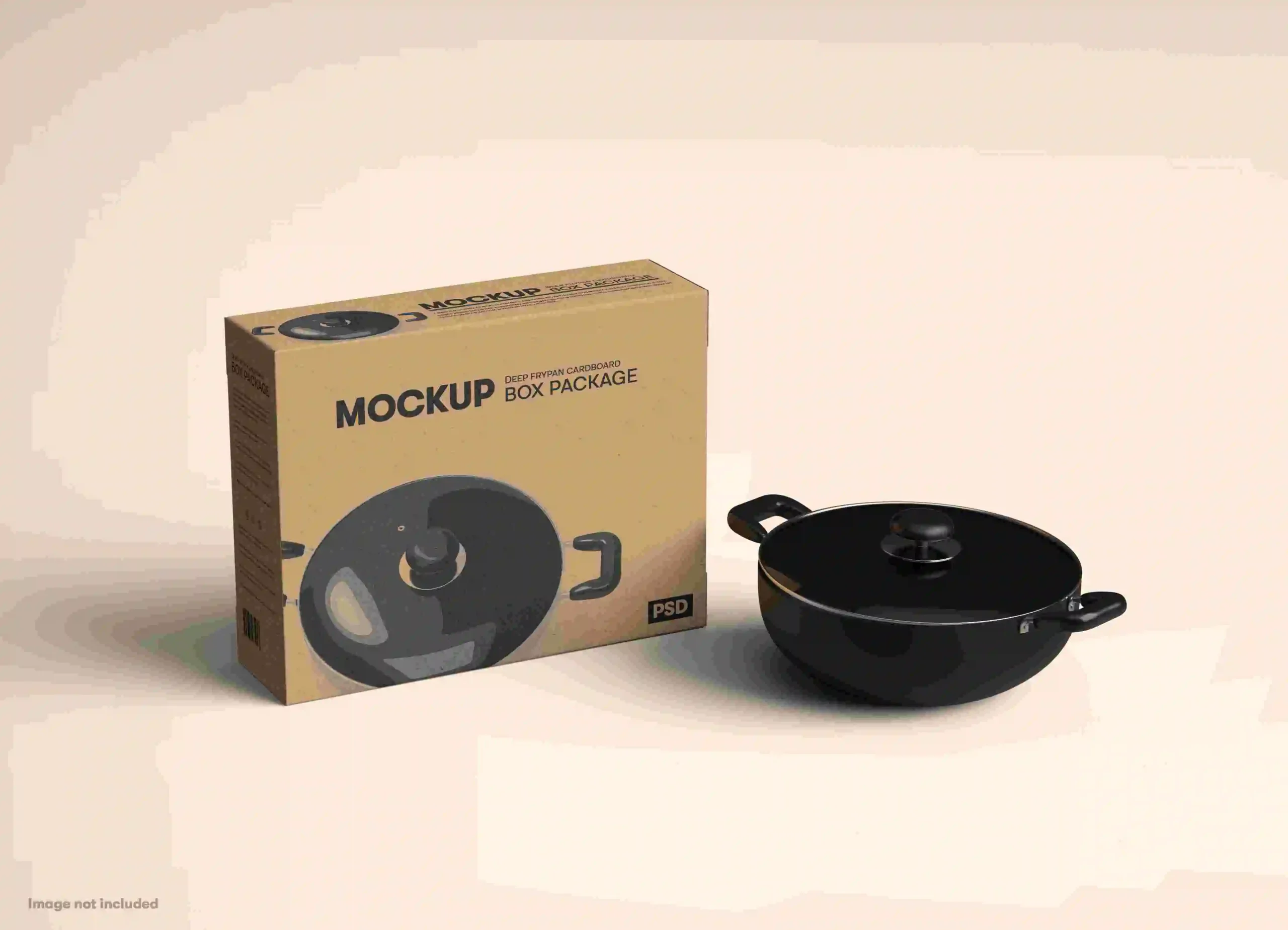
As an experienced OEM/ODM cookware manufacturer, we offer customization options for design, material, and packaging to meet our clients’ specific needs. From concept to production, we work closely with our partners to deliver high-quality and innovative cookware solutions that exceed their expectations. With advanced production facilities and a skilled team, we ensure efficient and reliable production processes to meet our clients’ demands.

aluminum frying pan
Aluminum
stainless steel frying pan
Stainless Steel
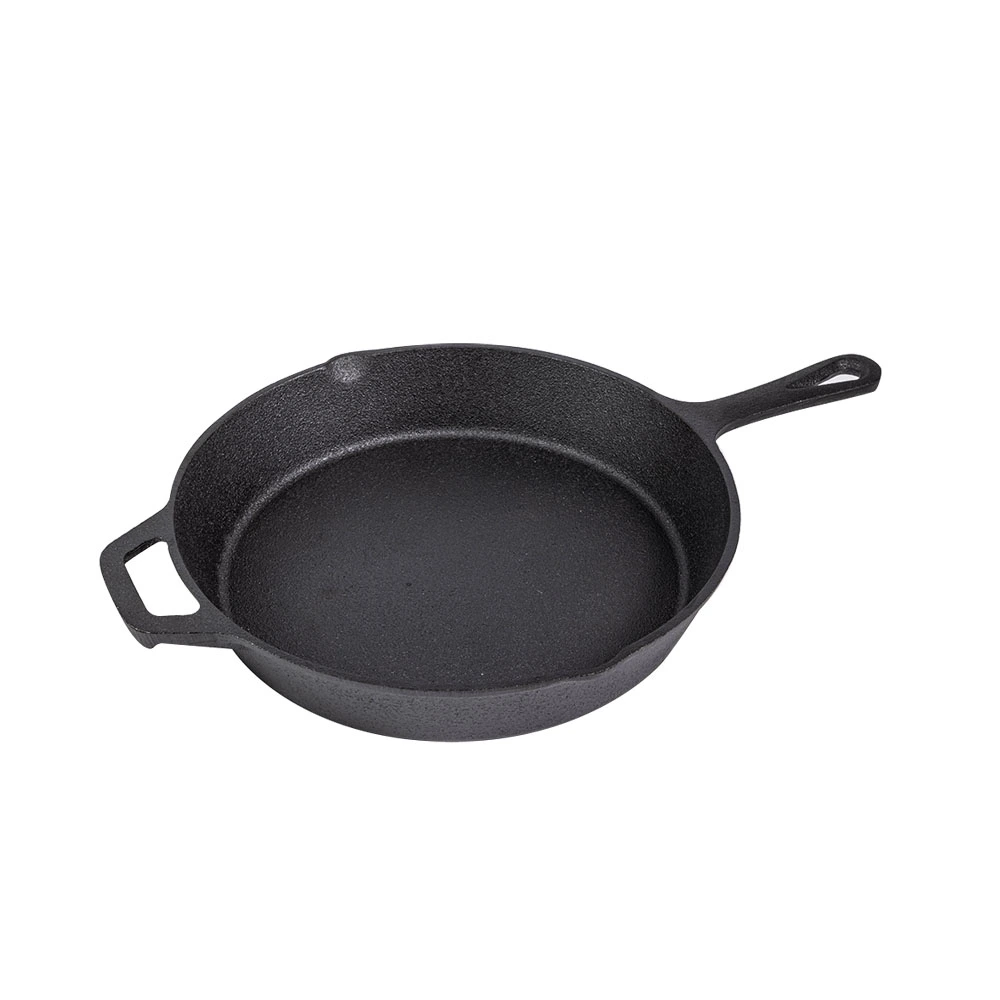
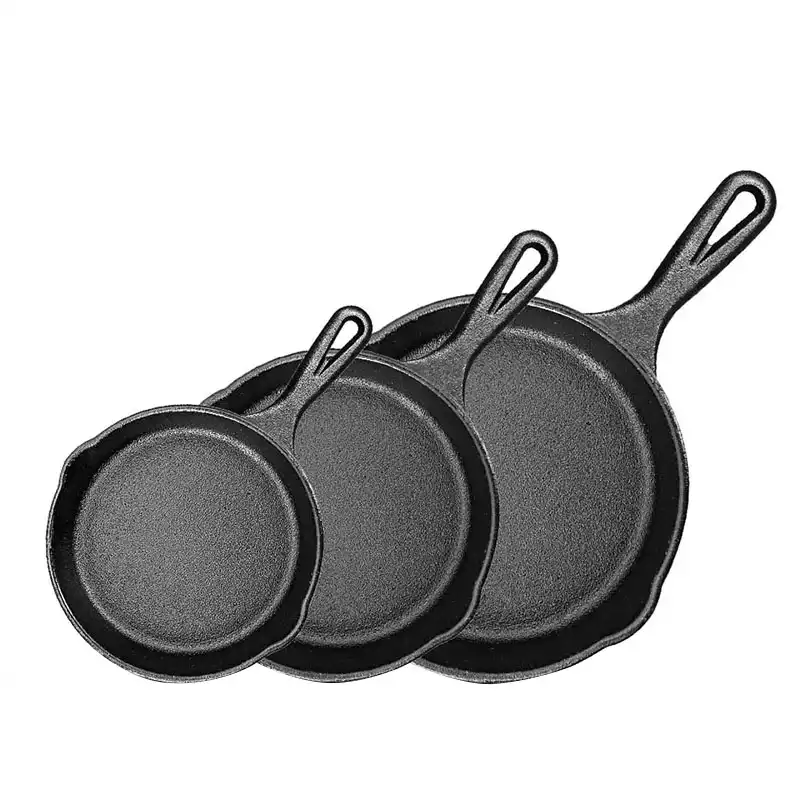
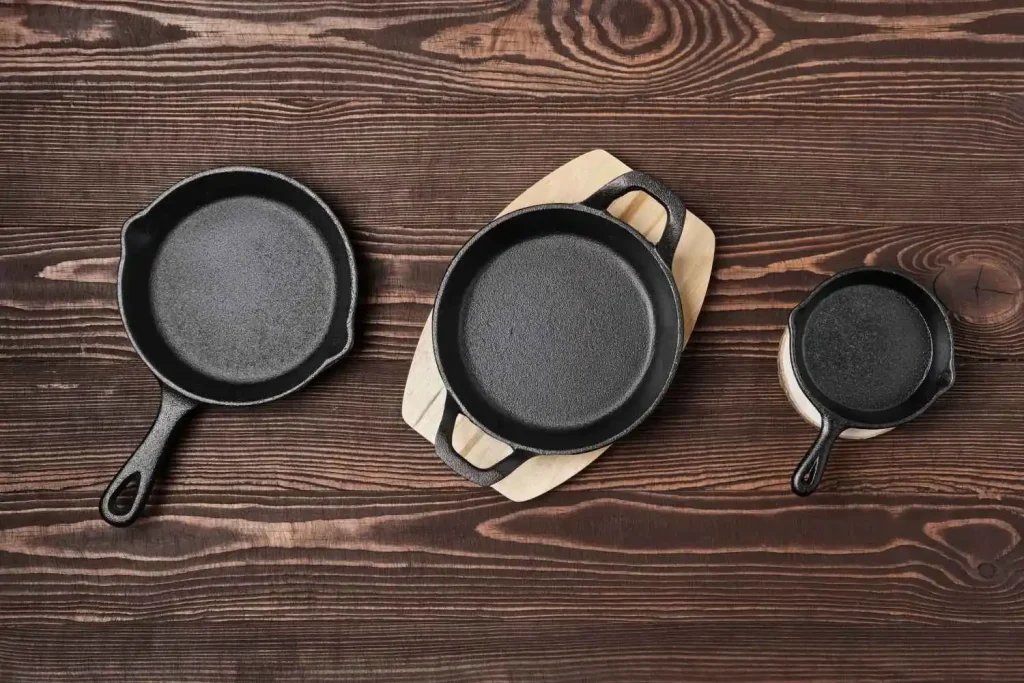
cast iron frying pan
Iron
Chinese Wok
Carbon Steel
stainless-steel-frying-pan
Teflon Coating
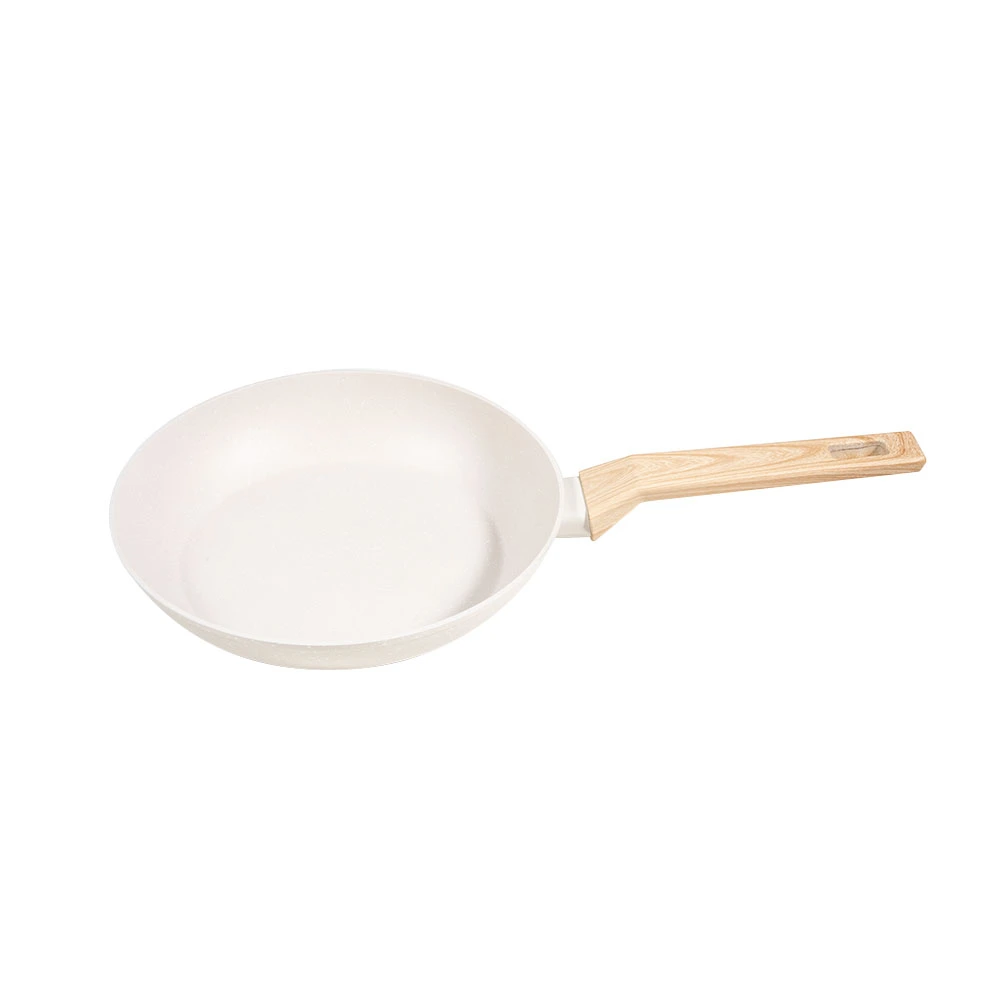
medical stone frying pan
Stone Coating
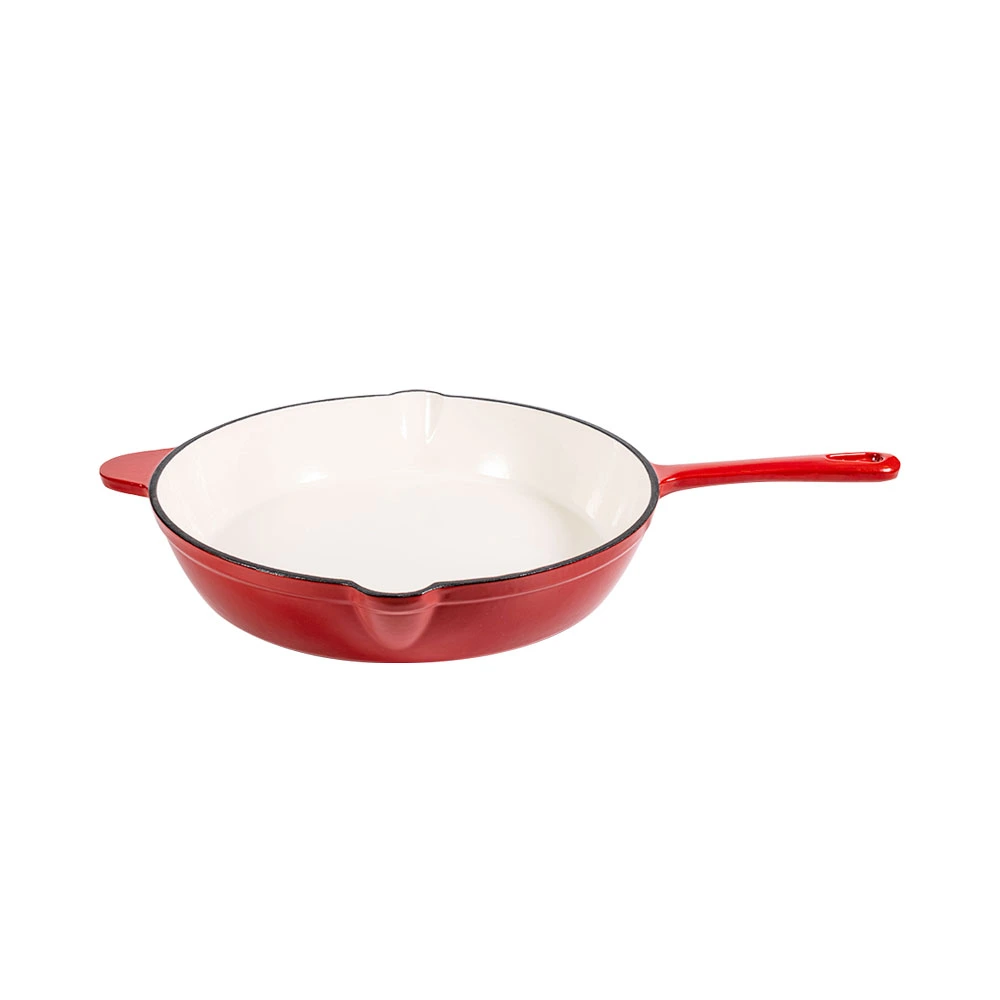
enamel frying pan
Enamel Coating
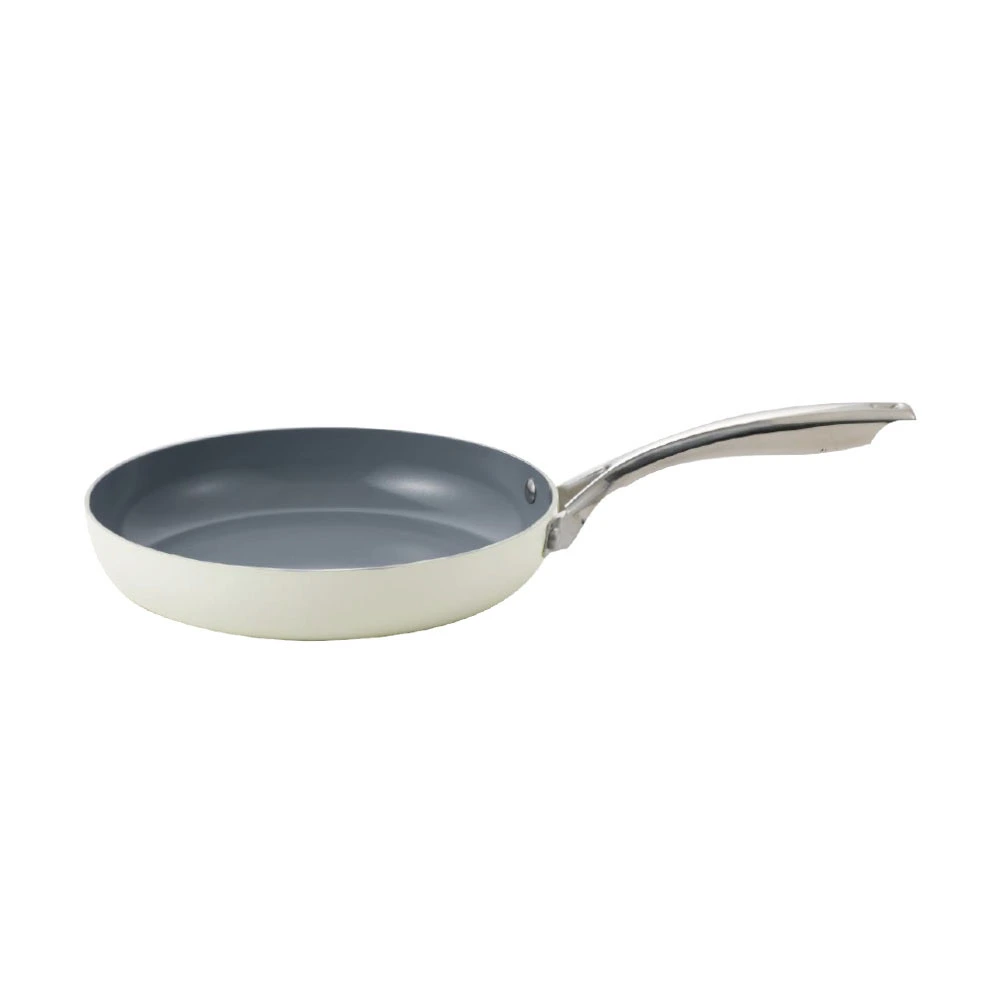
ceramic frying pan
Ceramic Coating
Iron Frying Pan
6-14 Inches
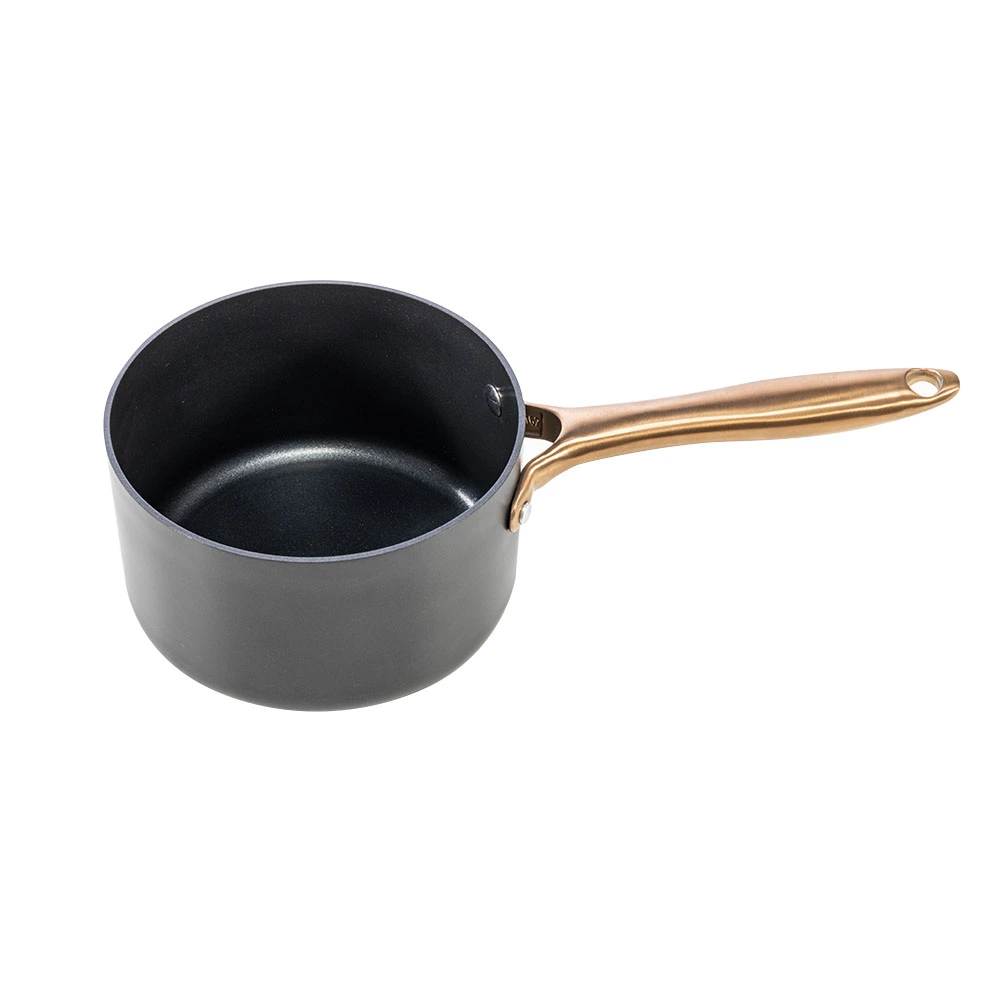
aluminum saucepan
4-6 Quarts
stainless steel stock pot
8-20 Quarts
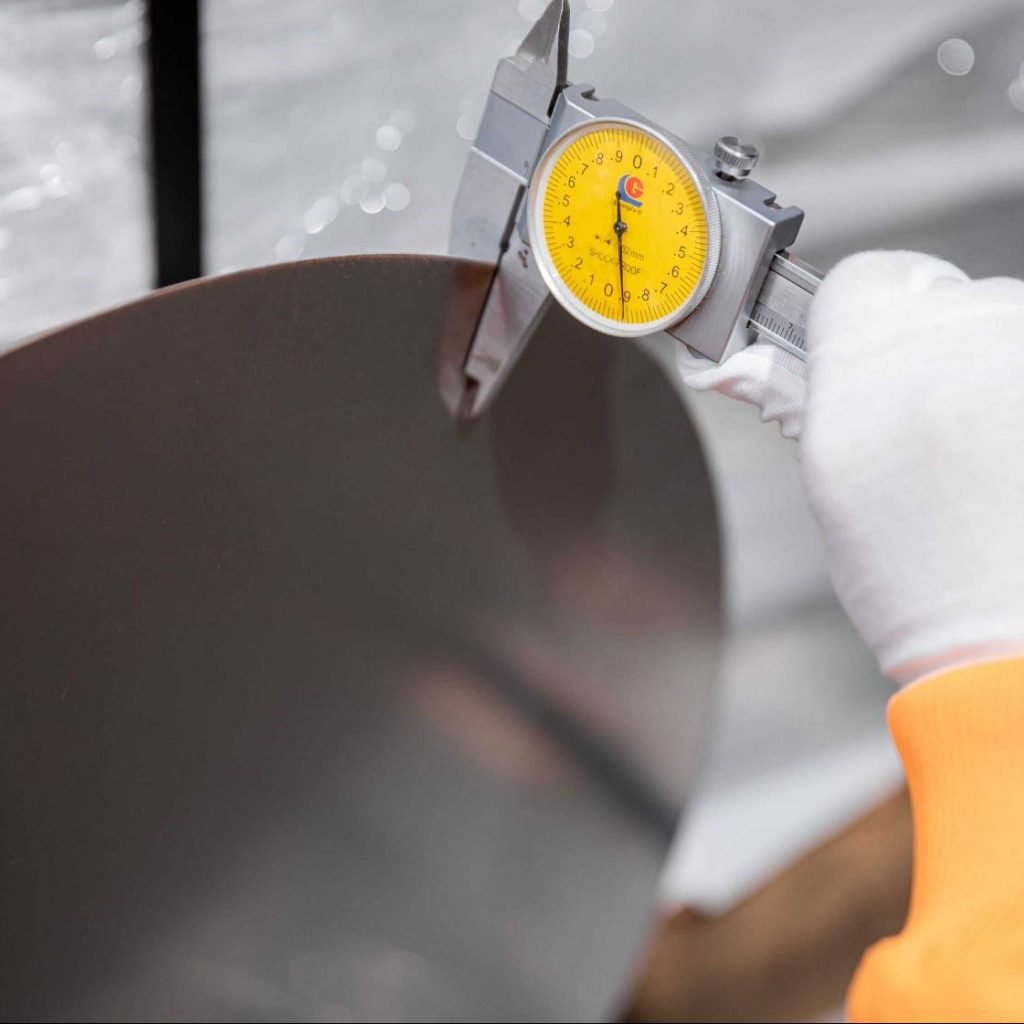
Measure Thickness
2-5 mm

Compare Different Cookware Material

Understanding the unique advantages and disadvantages of stainless steel, aluminum, and iron cookware can significantly enhance your culinary experience and guide your purchasing decision.

MaterialProsCons
Stainless SteelExtremely durable, doesn’t react with foods, suitable for all stovetops, easy to maintain, retains shiny appearance, versatile for various cooking techniques.Poor heat conductivity (unless bonded with copper or aluminum), food can stick, may require oil to prevent sticking, tougher to clean.
AluminumExcellent heat conductor, lightweight, affordable, cools down quickly, resistant to rust, suitable for a range of cooking methods.Can react with acidic or alkaline foods altering taste, prone to scratching and warping, not compatible with induction stoves, may need regular replacement.
Iron (Cast Iron)Exceptional heat retention and distribution, naturally non-stick when properly seasoned, durable, versatile for many cooking methods (stove, oven, grill).Quite heavy, requires special care (seasoning, hand washing), reacts with acidic foods, slow to heat up and cool down, not dishwasher safe.

Compare Different Coating

Each cookware coating offers unique benefits and limitations; understanding these can guide your selection to match cooking styles, health considerations, and maintenance preferences.

CoatingProsCons
Teflon (PTFE)Non-stick, easy to clean, requires less oil, affordable.Can release toxic fumes if overheated, not scratch-resistant, not suitable for high heat.
StoneNatural non-stick, heat resistant, durable, scratch-resistant, allows for healthy cooking with less oil.Can be heavy, more expensive, requires careful cleaning.
EnamelNon-reactive to food, easy to clean, durable, colorful aesthetic options.Can chip if dropped, not non-stick, some types not suitable for high heat, can be pricey.
CeramicNon-stick, non-reactive with food, free from PTFE and PFOA, heats evenly.May chip or crack over time, not metal utensil safe, can lose non-stick over time.

Some Ideas Hope to Inspire Your Innovation

Lasted Blog for You

How to Choose the Right Aluminum Cookware for Your Kitchen
Cookware
KitchenGuidePro

What is Aluminum Cookware?

Learn how to choose, use and maintain aluminum cookware for best performance, durability and value — your complete expert guide.
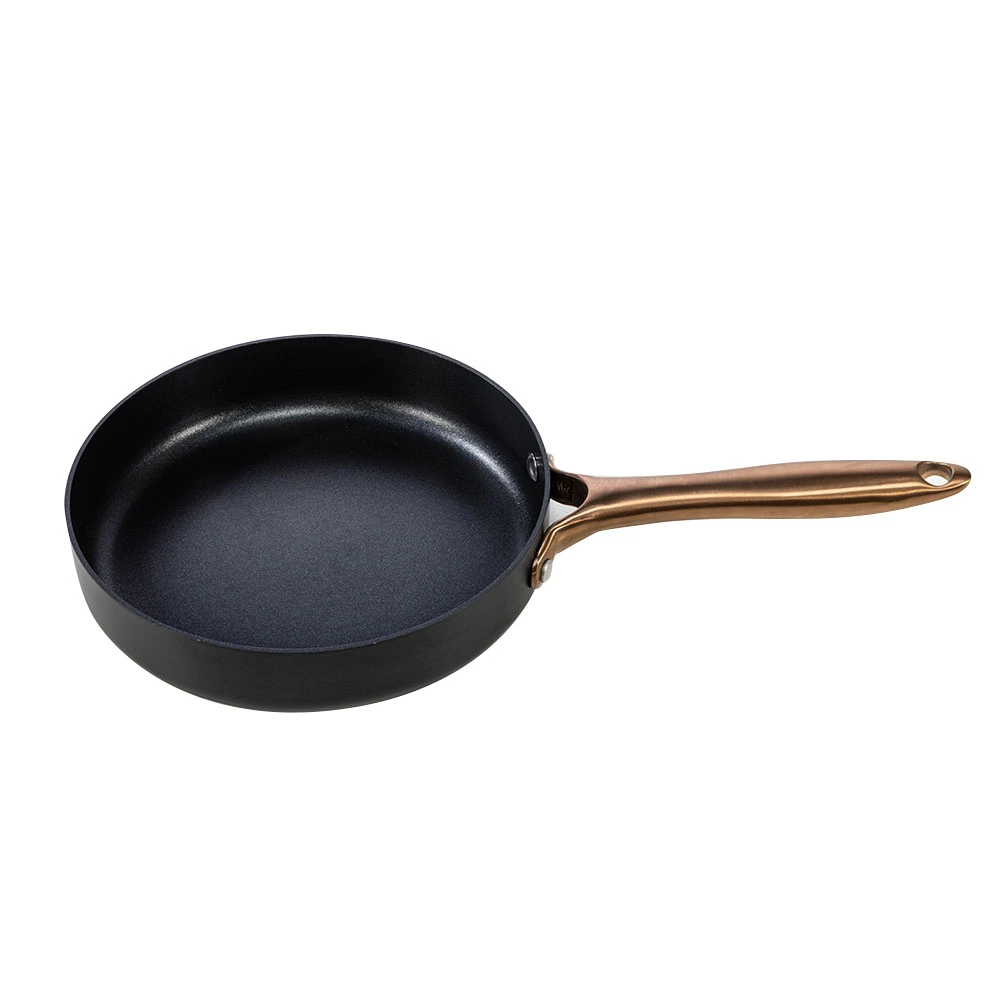
oven-safe Cast Iron Cookware
Cookware
KitchenGuidePro

What is Cast Iron Cookware

Dive into our ultimate guide to cast iron cookware. Discover its history, significance in modern cooking, care techniques, and how to choose the best pieces for your kitchen.
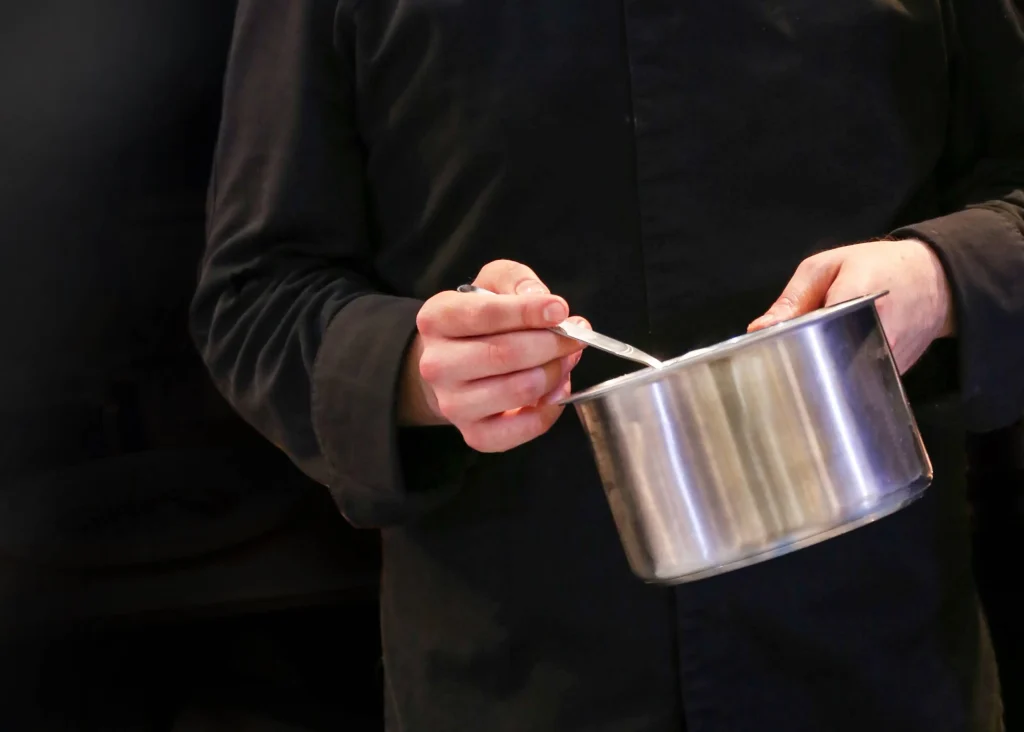
The Art of Cooking with a Saucepan Techniques and Tips
Cookware
KitchenGuidePro

What is Stainless Steel Cookware?

Stainless steel cookware has earned its place as a kitchen essential for both professionals and home cooks.
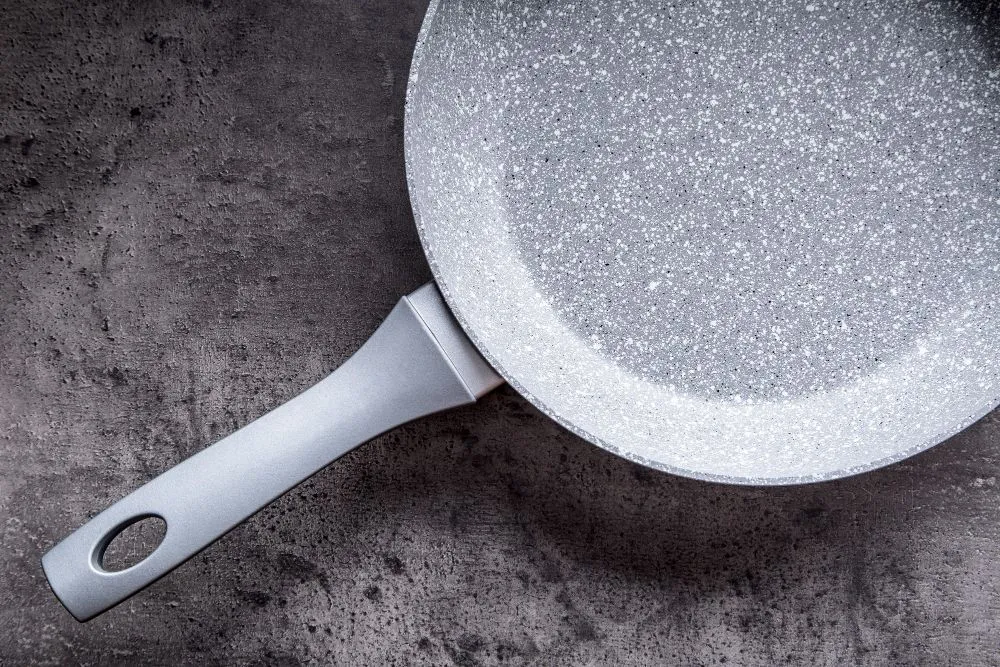
Is Granite Pan Safe
faqs
KitchenGuidePro

Is Granite Pan Safe?

Granite pans are generally safe for cooking, provided they are used at recommended temperatures and their non-stick coating is intact, minimizing the risk of chemical leaching.

Where to Buy Authentic Palm Restaurant Cookware
Blog
KitchenGuidePro

How Much Should a Cookware Set Cost?

The cost of a cookware set varies widely, typically ranging from under $100 for basic sets to over $300 for high-end options, depending on materials, brand reputation, and special features. Consider your cooking needs and budget to find the best value.