
Introduction
Cooking is a skill that needs not just good ingredients and procedures but also need suitable cookware. Heat distribution plays a vital role in achieving nutritious perfection, and the selection of cookware strongly affects this function. Among diverse materials used in cookware manufacturing, aluminum stands out for its unique heat-conductive properties. In this following piece, we will debate the science behind heat distribution in aluminum cookware and explores the basics of heat transfer, the properties of aluminum, some factors which affect heat distribution, and more. By understanding these concepts, you can maximize your cooking efficiency and create delicious meals consistently.

Understanding Heat Transfer
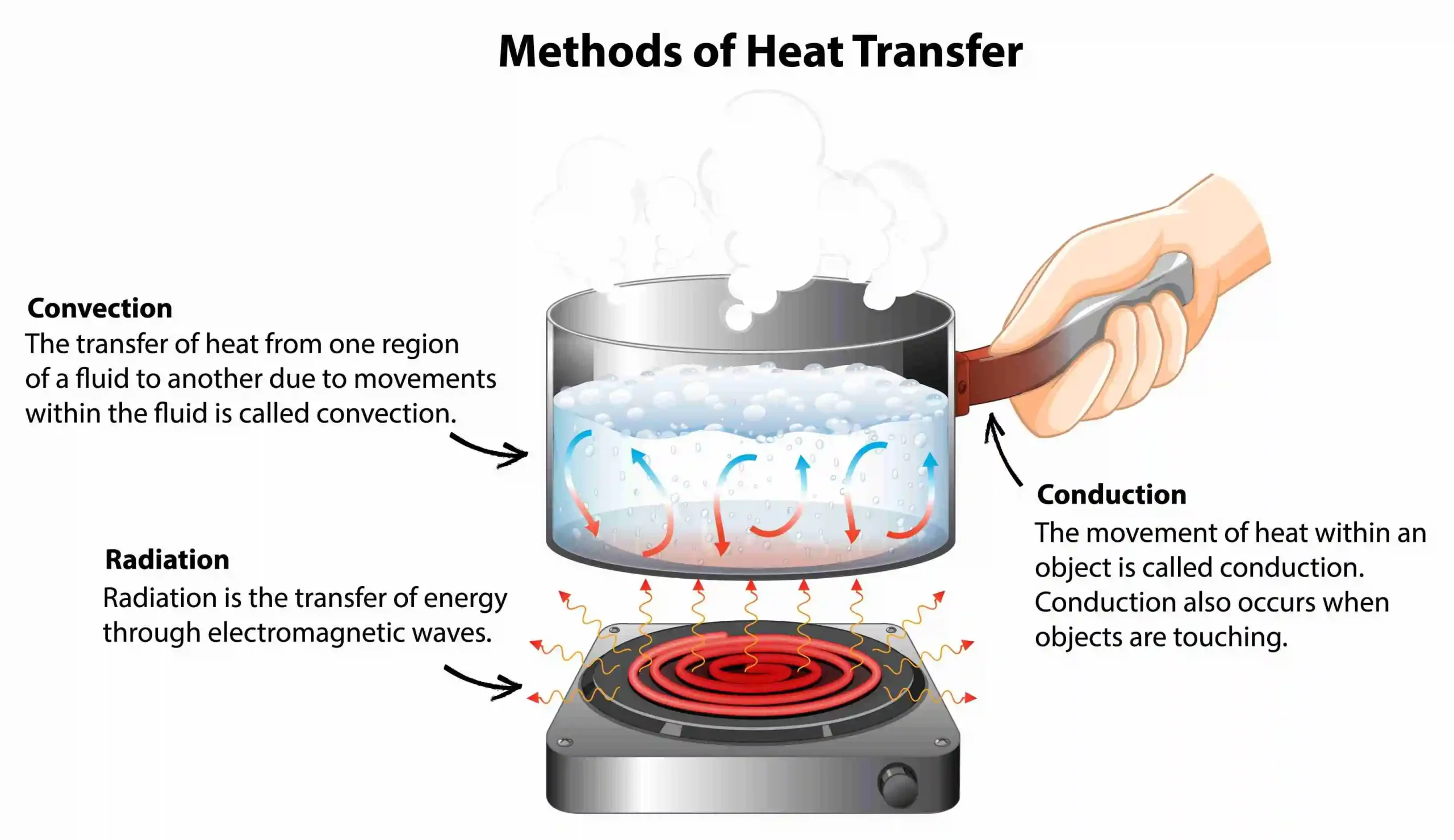
It’s crucial to understand the fundamentals of heat transfer to understand how heat distribution works. In terms of direct means for transmitting heat, there are three modes: conduction, convection, and radiation.
Conduction: How Heat Spreads Through Materials
Direct molecular contact allows for the transfer of heat, which we call conduction.
In cookware, it happens when heat travels from the heat source to the cookware and then outstretches throughout the material. Materials with high thermal conductivity streamline efficient heat conduction.
Convection: The Movement of Heat Through Liquids and Gases
The transfer of heat occurs in convection due to the motion of either liquids or gases.
As the heat source warms the surrounding air or liquid, the heated particles become less dense and rise while particles sink. This movement creates a convection current that ensures even heat distribution.
Radiation: The Transfer of Heat Via Electromagnetic Waves
Radiation is when heat is transferred via electromagnetic waves. In contrast with conduction and convection, which rely on mediums for heat transfer, radiation can occur without a medium.
Aluminum as a Heat-Conductive Material
Aluminum has several properties that make it a perfect choice for cookware, especially in spans of heat conduction. Let’s explore these properties and the advantages of using aluminum cookware.

Properties of Aluminum
Aluminum is a lightweight metal with good heat conductivity and corrosion resistance. It is also a great heat reflector and responds fast to changes in temperature for precise cooking control.
High Thermal Conductivity of Aluminum
Aluminum shows remarkable thermal conductivity, which indicates its efficient heat transfers across its surface and volume. This property provides quick and even distribution of heat that minimizes hot spots and cold spots.
Advantages of Using Aluminum Cookware
Excellent Heat Conductivity: Aluminum demonstrates excellent heat conductivity owing to its fantastic conduction abilities. Evenly distributing heat, the cooking surface heats up quickly. Enabling even the cooking of food, this feature employs precise temperature control and prevents hot spots.
Cost-Effective: Cookware made from aluminum is generally more affordable than other materials. At that price range, it’s an outstanding value proposition. This is an affordable option for those seeking to furnish their kitchen on a budget.
Quick and Efficient Heating: Due to their excellent ability to conduct and distribute heat quickly and efficiently, aluminum cookware is recommended for fast and easy food preparation. Moreover, the capacity of saving energy is integrated into the functionality of high-speed cooking, making it a versatile appliance.

Lightweight: As compared to stainless steel or cast iron, aluminum is lightweight, making it a preferred choice for cookware. The feature of easy handling and maneuvering is especially helpful for those with a weakened grip or dexterity in their hands.
The Science Behind Aluminum’s Heat Distribution
Now that we understand the properties of aluminum, let’s delve into the science behind its efficient heat distribution.
How Aluminum Transfers Heat Efficiently
Aluminum’s high thermal conductivity enables it to rapidly absorb heat. Once absorbed, the heat quickly spreads throughout the aluminum material, ensuring even distribution. This efficient heat transfer minimizes temperature variations within the cookware and promotes consistent cooking results.
Even Heat Distribution in Aluminum Cookware
Its uniform heat distribution in aluminum cookware, which minimizes the occurrence of hot and cold spots in the dish, ensures a well-balanced cooking experience. This even heat distribution ensures that food cooks evenly and reduces the likelihood of burning or undercooking certain areas.
The Impact of Thickness on Heat Distribution
The shape and design of aluminum cookware play a crucial role in heat distribution. Cookware with a broad base and even thickness ensures efficient heat spread. Additionally, shapes that promote convection currents, such as sloping sides or ridges, facilitate better heat circulation. Thicker cookware retains heat better, allowing for more stable and consistent cooking temperatures. Thinner cookware heats up and cools down more quickly, which makes it suitable for recipes that demand quick temperature adjustments.
Impact of Handle Materials on Heat Distribution
Handles attached to aluminum cookware can affect heat distribution. Heat-resistant handle materials help minimize heat transfer from the cookware to the handle, which allows for safer handling. Materials with poor heat resistance may result in uneven heat distribution along the handle, which affects the overall cooking experience.

Compatibility with cooktops
Cooktop compatibility is a vital element when considering the influence of different heat sources on aluminum cookware. Various heat sources, such as gas and electric, have distinct characteristics that can influence the heat distribution and performance of aluminum cookware.
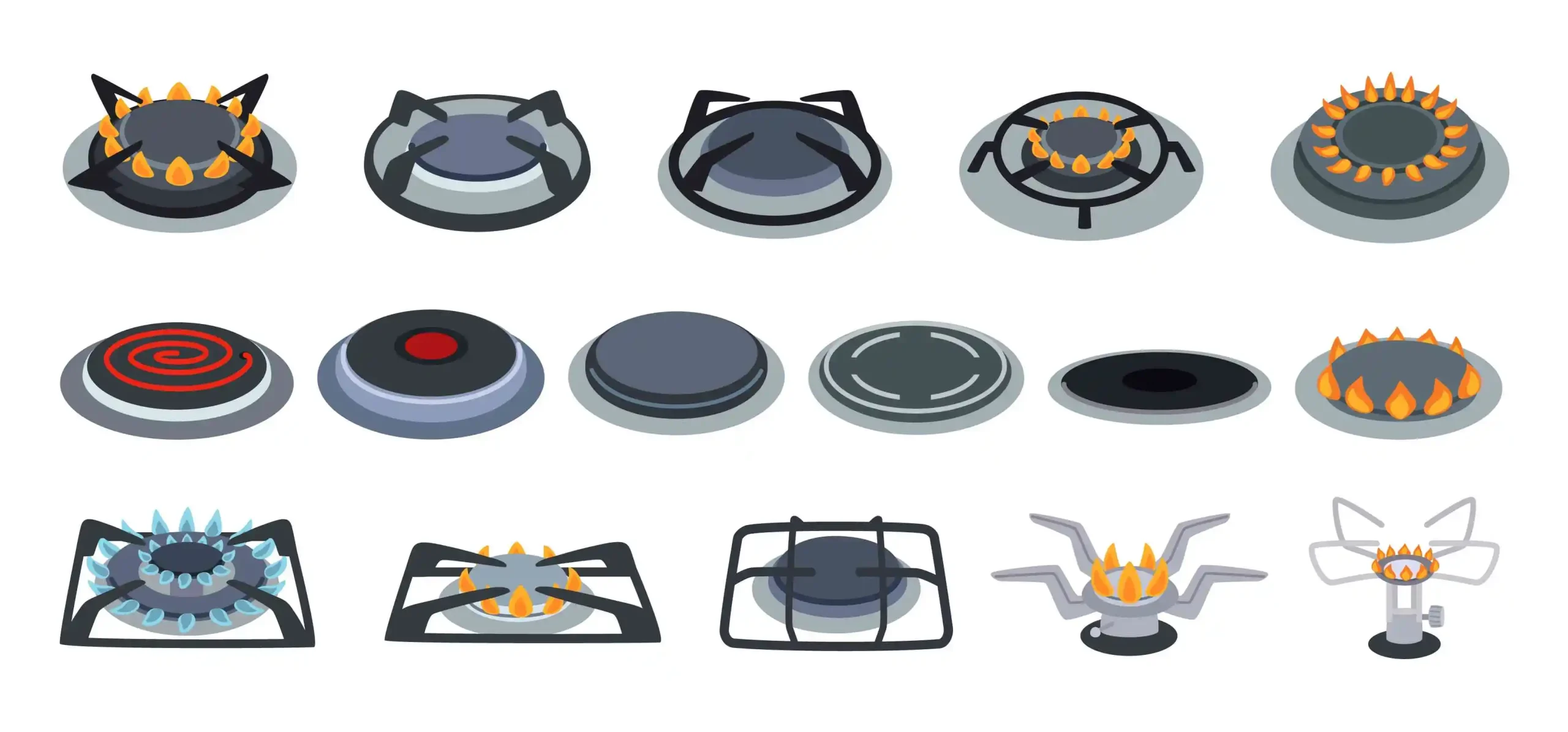
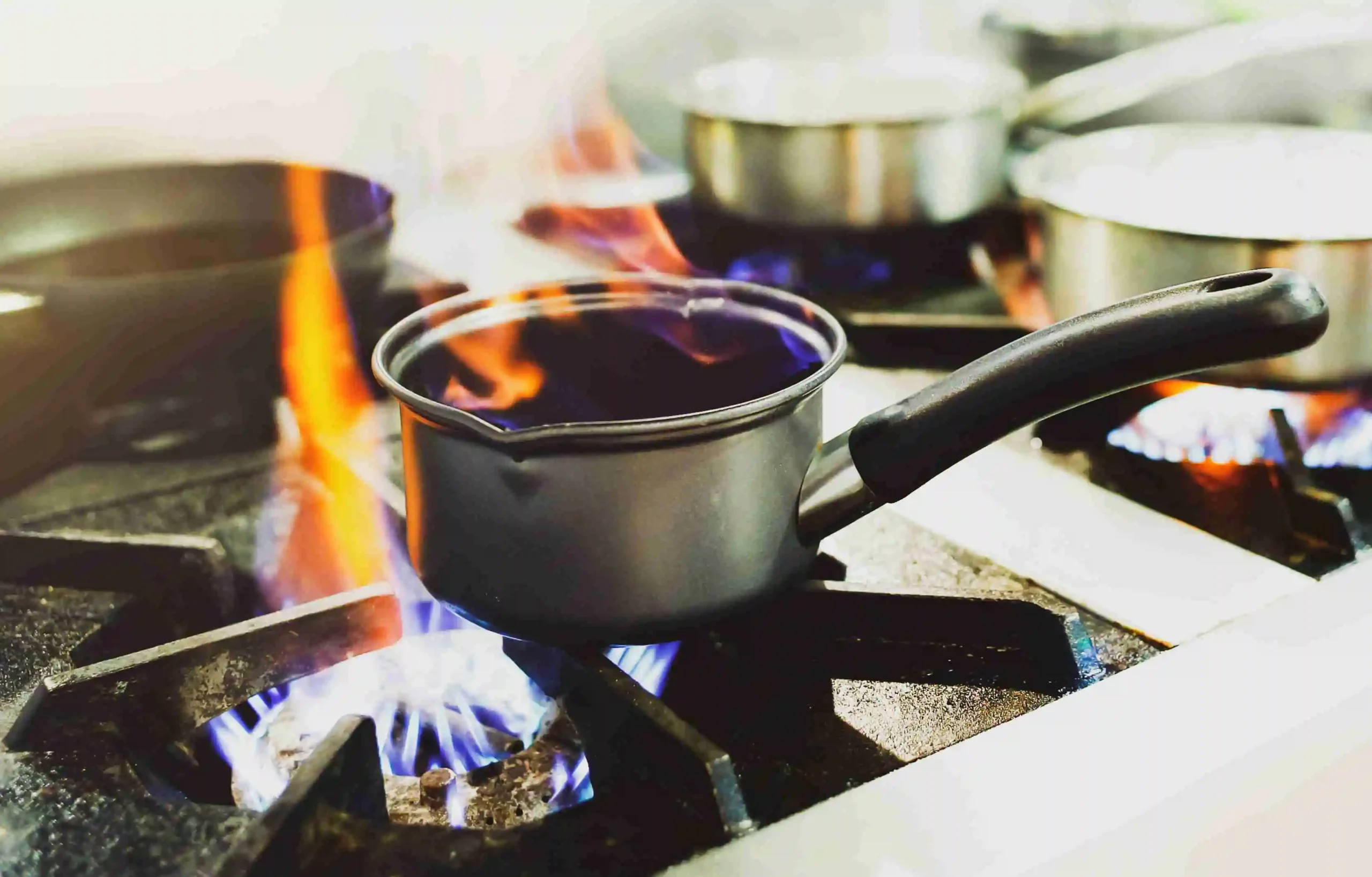
Gas stoves provide an open flame, resulting in direct heat contact with the bottom of the cookware. This direct flame exposure allows for rapid heat transfer, making gas stoves ideal for aluminum cookware, which excels at conducting heat quickly and evenly.
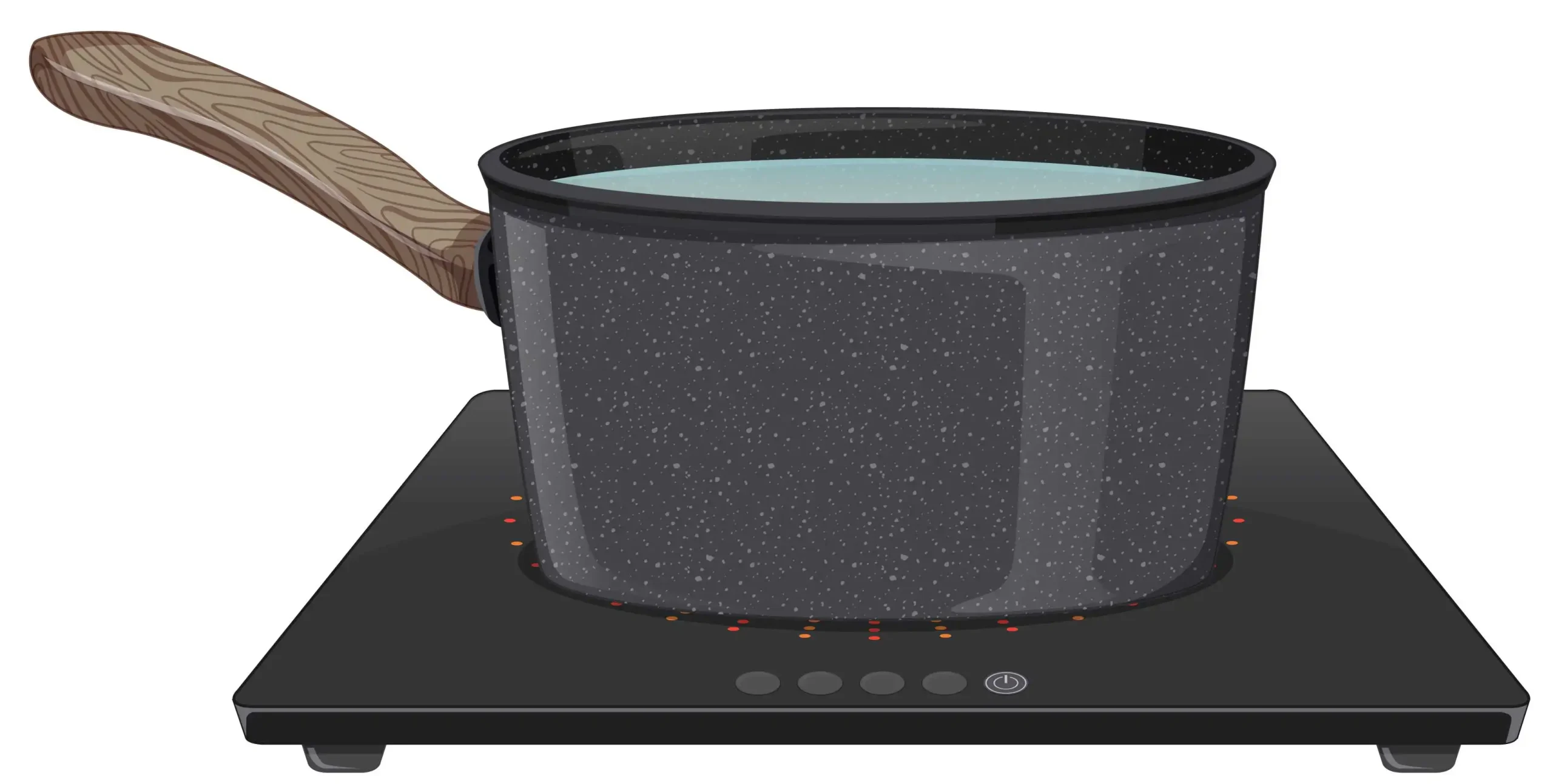
Contrary to gas stove tops which utilize flame for cooking purposes, electric stove tops incorporate smooth surfaces with underlying heaters. The underlying heaters also work well with aluminum cookware.
Aluminum Cookware vs. Other Materials
Aluminum is famous for its heat distribution capabilities, and it’s worth comparing its performance with other commonly used cookware materials.
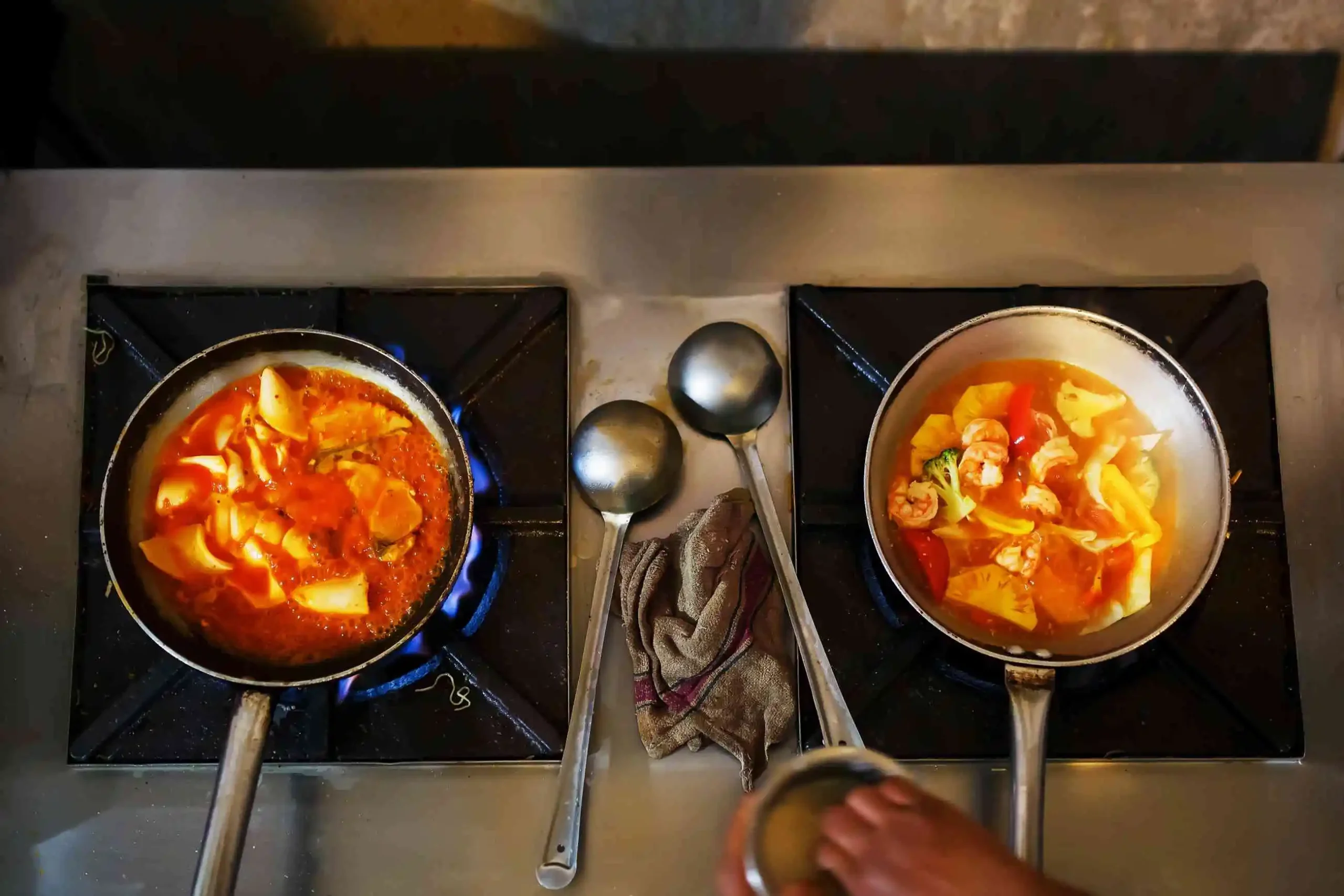
Comparing Heat Distribution Capabilities of Different Cookware Materials
Aluminum surpasses materials like stainless steel or copper when it comes to heat distribution. Stainless steel contains lower thermal conductivity, which results in less efficient heat transfer. Copper can create hot spots due to uneven thickness or improper lining, although it is highly conductive.
How to Maximize Heat Distribution in Aluminum Cookware
To ensure optimal heat distribution in your aluminum cookware, consider implementing the following techniques:

Preheating Techniques for Better Heat Distribution
Preheating your aluminum cookware before adding ingredients helps to provide even heat distribution. This practice allows the cookware to reach a consistent temperature throughout, which promotes uniform cooking.
Proper Placement of Food in Aluminum Cookware
Avoid overcrowding your aluminum cookware to maximize heat distribution. Overcrowding can lead to temperature imbalances and hinder the even cooking of food. Allow sufficient space for heat to circulate near each piece of food.
Maintaining and Enhancing Heat Distribution in Aluminum Cookware
Proper care and maintenance of your aluminum cookware can preserve its heat conductivity and enhance heat distribution. Consider the following tips:
Cleaning and Care Tips for Preserving Heat Conductivity
Avoid using abrasive cleansers or rough scrubbers that can scratch the body of your aluminum cookware. Instead, opt for mild dish soap and non-abrasive sponges to clean it. Regular cleaning prevents buildup and maintains the cookware’s heat conductivity.
Avoiding Warping and Damage to Ensure Even Heat Distribution
Extreme temperature changes or sudden temperature fluctuations can cause aluminum cookware to warp. To prevent this, avoid exposing hot cookware to cold water or placing it on a cold surface immediately after cooking. Gradual temperature changes are recommended.
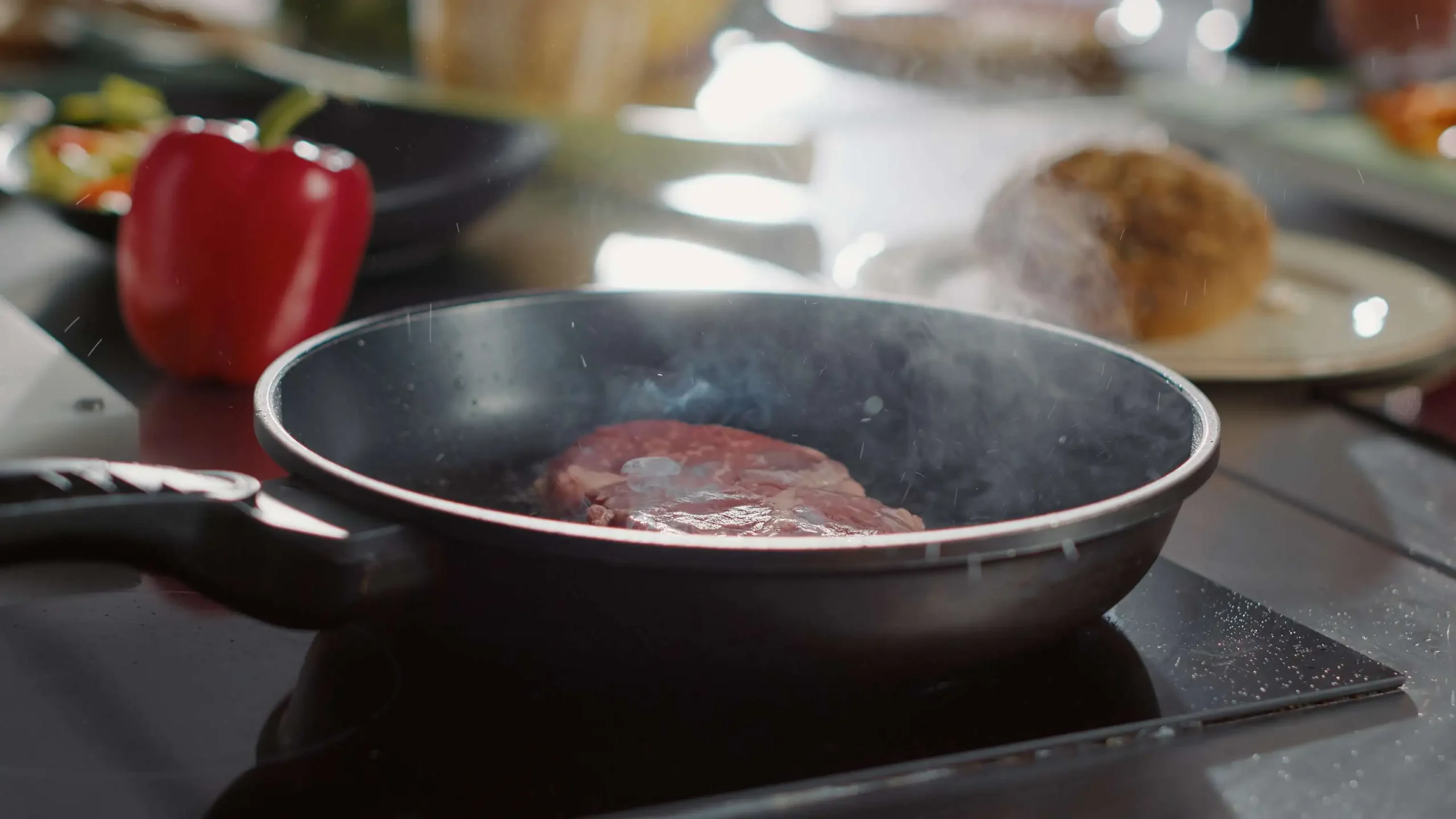
Seasoning and Treating Aluminum Cookware for Improved Performance
Some aluminum cookware, especially those with non-stick coatings, may benefit from seasoning. Seasoning involves using a light layer of oil and warming it to form a raw non-stick surface and improve heat distribution. Follow the manufacturer’s instructions for seasoning your specific cookware.
Conclusion
Heat distribution is a crucial factor in gaining culinary excellence, and aluminum cookware excel in this care. Its high thermal conductivity and efficient heat transfer properties ensure even heat distribution, which results in evenly cooked, flavorful, and visually appealing dishes. You can maximize the potential of your aluminum cookware and elevate your cooking skills by understanding the science behind heat distribution and implementing proper techniques.

Details about us
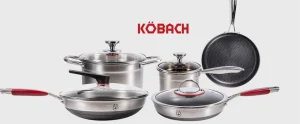
KÖBACH, our focus lies in offering superior cookware products paired with unparalleled customer service, and our products always meet the very highest industry standards due to our meticulous quality assurance procedures and advanced production techniques. We go the extra mile by offering extensive support to ensure our customers are happy with a trustworthy cookware supply partnership.