
Table of Contents
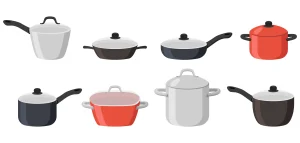
When we think of cookware, our minds often drift to the pots, pans, and skillets that sizzle and sear our favorite dishes. However, lurking in the backdrop is an unsung hero of the culinary arts – the humble cookware lid. While it might seem like just an accessory, a lid plays a pivotal role in many cooking processes.
Lids and Cooking Efficiency
Have you ever noticed how a boiling pot calms down when you put a lid on it? Or how your stew seems richer and more flavorful with the lid snugly fit during simmering? That’s no coincidence. The right lid ensures heat and moisture are trapped inside, speeding up the cooking process. It’s not just about keeping food covered; it’s about harnessing the power of confinement to efficiently cook and elevate flavors. Whether you’re steaming veggies or slow-cooking a casserole, the lid makes all the difference. In essence, a well-suited lid can truly transform your cooking experience.
Types of Lids and Their Unique Features
In today’s culinary landscape, lids have evolved beyond just simple covers. They come in a variety of materials, each offering unique advantages tailored to specific cooking needs. Let’s dive into the world of lids and understand what each type brings to the table.
Glass Lids
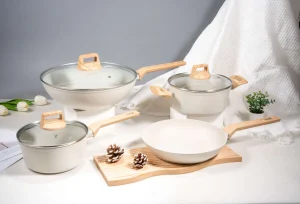
Ever been curious about how your food’s doing but didn’t want to disrupt the cooking process? Glass lids come to the rescue. Their clear design allows you to monitor your dish’s progress without having to constantly lift and check.
- Visual Advantage: Monitor your cooking without disturbing the process, retaining heat and moisture.
- Heat Resistance: Most glass lids can withstand high temperatures, making them oven-safe for certain dishes.
Stainless Steel Lids
A common choice for many, stainless steel lids offer both durability and an elegant finish.
- Durability: Known for their sturdiness, these lids can endure daily use and resist wear and tear.
- Heat Retention: Their solid build ensures heat stays within the pot or pan, promoting even cooking and energy efficiency.
Cast Iron Lids
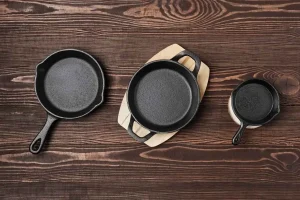
A favorite for those who love slow-cooked dishes, cast iron lids have unique attributes that cater to long, simmering recipes.
- Slow Cooking Mastery: With its ability to retain and distribute heat evenly, it’s ideal for dishes that require consistent temperatures.
- Seasoning and Maintenance: Like cast iron pots and pans, their lids also benefit from regular seasoning to maintain their non-stick surface and prevent rusting.
Silicone Lids
Modern and innovative, silicone lids offer versatility in the kitchen.
- Flexibility: They can stretch to fit various pot and pan sizes, ensuring a snug fit.
- Airtight Sealing: Being naturally pliable, silicone lids create an airtight seal, locking in flavors and ensuring no spillage.
Vented Lids
A thoughtful design for those who’ve faced the challenges of boiling over pots!
- Steam Release: The vents allow steam to escape, preventing your pot from boiling over while ensuring that the contents don’t dry out.
- Prevention: Say goodbye to messy stovetops by preventing spill-over, especially during high-heat boiling or cooking.
As we can see, the lid you choose can impact not just the cooking process but also the outcome of your dish. So, the next time you’re shopping for cookware, don’t forget to give lids the attention they deserve!
The Impact of Lids on Cooking Outcomes
Often overlooked, the humble lid is a silent champion in the culinary world. It does more than just cover your pot or pan—it actively plays a role in determining the taste, texture, and overall quality of your dish. Let’s delve deeper into the various ways lids impact the cooking outcomes.
Moisture Retention and Flavor Infusion
The magic of a lid lies in its ability to trap steam. This sealed environment retains moisture, preventing your food from drying out.
- Flavor Enhancement: With the moisture locked in, the flavors get concentrated, ensuring that your dish is flavorful and aromatic. For dishes like stews or curries, this can be the difference between a good meal and an unforgettable one.
- Texture Preservation: A tight-fitting lid ensures that ingredients maintain their natural textures—vegetables stay crisp, meats remain tender, and grains get perfectly fluffy.
Preventing Splatters and Keeping Clean
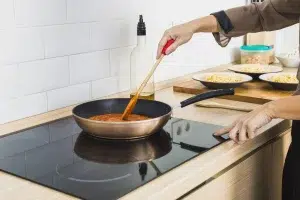
We’ve all been there—a bubbling sauce or a sizzling fry that sends droplets everywhere.
- Safety First: Splatters aren’t just messy; they can also be a burn hazard. Using a lid ensures that hot liquids or oils stay within the pot or pan.
- Maintaining Cleanliness: Apart from safety, lids also play a crucial role in keeping your stovetop and kitchen counters clean, reducing your post-cooking cleanup time significantly.
Energy Efficiency
Using a lid might seem like a small act, but its implications on energy consumption are noteworthy.
- Faster Cooking: By trapping heat, lids create a sort of mini-oven within the pot or pan. This speeds up the cooking process, meaning you spend less time waiting for your dish to be ready.
- Energy Conservation: Faster cooking times translate to reduced energy consumption. Whether you’re using a gas stove or an electric one, using a lid can lower your energy bills and is a more sustainable way to cook.
In essence, while the choice of cookware—be it a pan, pot, or wok—plays a significant role in your cooking, the lid is just as pivotal. Recognizing its influence and using it effectively can elevate your culinary creations to new heights.
Lid Care and Maintenance
The lid of your cookware, while often overshadowed by the pot or pan it covers, deserves just as much attention and care. Maintaining it ensures that it performs optimally and lasts for a long time. Let’s delve into some best practices for lid care and maintenance.
Cleaning and Storing
Each type of lid—be it glass, stainless steel, cast iron, or silicone—has unique cleaning and storing requirements.
- Glass Lids: These should be handled with care to prevent breakage. After use, allow them to cool before washing to avoid thermal shock. Use warm soapy water and avoid abrasive scrubbers. Once cleaned, ensure they are thoroughly dried before storing to prevent water spots.
- Stainless Steel Lids: These are generally dishwasher safe, but hand washing can extend their shine and finish. Dry immediately to prevent water spots.
- Cast Iron Lids: Like cast iron pans, these lids require seasoning. After cleaning with minimal soap and a soft brush, dry them immediately and lightly coat with oil to prevent rusting.
- Silicone Lids: These can be washed in the dishwasher or with warm soapy water. Since they’re non-porous, they resist stains and odors.
- Storage: Whenever possible, store lids upright in a lid organizer or with a gap to allow air circulation, which prevents mold and odors.
Replacements and Recycling
Lids, like all things, have a lifespan. But what should you do when they reach the end of their utility?
- Replacement: Many brands offer replacement lids, ensuring that you don’t need to buy a whole new pot or pan if only the lid is damaged. Always opt for branded replacements to guarantee a proper fit.
- Recycling: Depending on the material, some lids can be recycled. For instance, stainless steel and glass lids are often recyclable. Check with local recycling guidelines.
- Repurposing: Before discarding, consider if the lid can serve another purpose—maybe as a cover for another pot or even as a shallow dish or tray.
A well-maintained lid not only ensures efficient cooking but also safeguards your investment in cookware. By adopting these care and maintenance tips, you’ll extend the life of your lids and ensure they continue to support you in your culinary endeavors.
Conclusion: The Right Lid for the Right Dish
In the grand symphony of culinary arts, while pots and pans play the lead roles, lids stand as the unsung heroes. They work quietly in the background, ensuring that our dishes cook to perfection, flavors meld seamlessly, and our kitchens remain clean and splatter-free.
Choosing the correct lid is not just about aesthetics or even just covering a pot. It’s about understanding the dynamics of cooking. Whether you’re slow-cooking a hearty stew and need the consistent heat from a cast iron lid, or simmering a sauce and want the convenience of peeking without disruption offered by a glass lid, each lid serves its unique purpose.
Moreover, energy efficiency, safety, and even the texture and taste of the final dish can be influenced by this seemingly simple choice. And as we’ve discovered, the care and maintenance of lids are equally paramount, ensuring that they support our culinary ventures for years to come.
So, as you stand before your stove, recipe in hand, remember the silent partner in your cookware set—the lid. Give it its due consideration, choose wisely, and let it elevate your cooking from good to exceptional. After all, every dish, no matter how grand, deserves the right finishing touch.