
I. Introduction
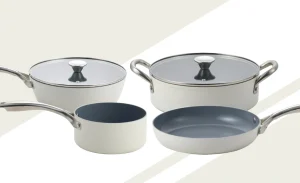
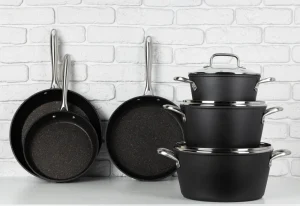
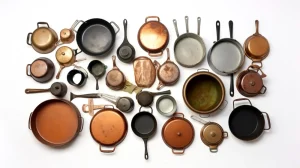
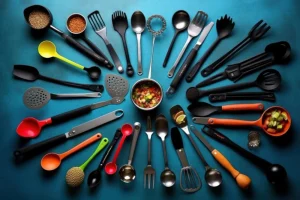
Cookware handles matter. They play a key role in your cooking experience by affecting everything from safety to grip comfort. The right handle material can enhance your culinary adventures, while the wrong one might just make things difficult.

Purpose of the comparison
In this article, we’re going to explore and compare various handle materials. Why? Because knowing the differences can help you choose the right one for your needs, preferences, and budget. We want you to feel confident and content with your choice.
Brief mention of common handle materials
From stainless steel to wood, silicone to plastic, and even innovative removable handles, the options are plenty. Each material has its unique traits and quirks. Let’s dive in to understand what makes each one special and find the perfect match for your kitchen.
| Material | Pros | Cons |
|---|---|---|
| Stainless Steel | Durable, oven-safe, professional appearance | Can get hot, may require pot holder |
| Cast Iron | Extremely durable, oven-safe, retains heat | Heavy, can rust, needs proper care |
| Wood | Comfortable grip, stays cool, aesthetically pleasing | Not suitable for oven, can degrade over time |
| Silicone | Heat-resistant, comfortable grip, easy to clean | May lack durability, not always oven-safe |
| Plastic | Comfortable, affordable, heat-resistant varieties available | May melt at high temperatures, not oven-safe |
II. Stainless Steel Handles
Stainless steel handles are synonymous with professionalism and durability. Made from an alloy that resists corrosion and staining, these handles are often found in high-quality cookware. They offer a sleek appearance and a firm grip, often staying cool to the touch depending on their design.

Pros and cons
Pros:
- Durability: Stainless steel is highly resilient and can withstand heavy use.
- Easy to Clean: Being non-porous, it doesn’t absorb stains or odors.
- Appearance: Its shiny and sleek look adds a touch of elegance to your kitchen.
Cons:
- Heat Conductivity: Can become hot to touch if not designed with proper insulation.
- Cost: Generally, more expensive than some other handle materials.
Common uses and recommendations
Stainless steel handles are often found on professional cookware used in commercial kitchens and upscale home kitchens. If you’re looking for something that’s robust, easy to maintain, and adds a modern aesthetic touch, stainless steel handles might be the choice for you. They’re particularly recommended for those who cook frequently and need something that can endure the daily grind.
III. Cast Iron Handles
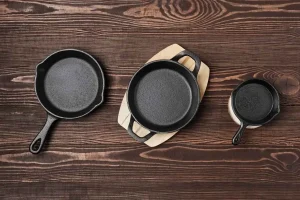
Cast iron handles carry the same rugged and heavy characteristics of cast iron cookware itself. Often manufactured as a single piece with the cookware, these handles are robust, providing a rustic look and feel. However, they have unique properties that may affect the user experience.

Pros and cons
Pros:
- Durability: Cast iron handles are incredibly strong and can last generations if properly cared for.
- Heat Retention: These handles hold heat well, making them perfect for certain cooking techniques.
Cons:
- Weight: Cast iron is heavy, making cookware with these handles more challenging to maneuver.
- Heat Conductivity: While its heat retention is a benefit, it can also be a drawback, as the handle can become extremely hot to touch, necessitating the use of mitts or handle covers.
- Maintenance: Requires special care to avoid rusting, such as seasoning with oil.
Common uses and recommendations
Cast iron handles are synonymous with traditional and heavy-duty cooking. They’re often found on skillets, Dutch ovens, and griddles designed for long cooking processes or high-heat searing. If you love cooking methods that require maintaining high heat or enjoy the aesthetics of rustic cookware, cast iron handles could be an excellent choice for you. Just be prepared to handle the weight and take precautions to avoid burns from the hot handles.
IV. Wood Handles
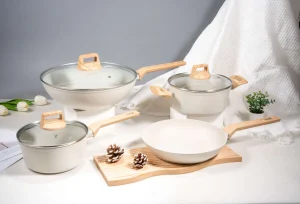
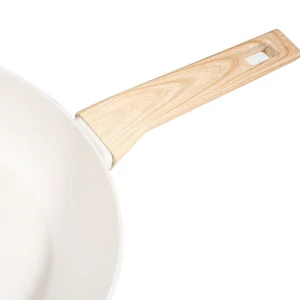
Wood handles add a touch of elegance and natural beauty to cookware. They provide a comfortable grip and don’t conduct heat, making them cool to the touch during cooking. Typically made from hardwoods like oak, cherry, or walnut, wood handles are shaped and polished for a pleasant tactile experience.
Pros and cons
Pros:
- Aesthetic Appeal: Wood handles offer a warm, timeless appearance that complements many kitchen decors.
- Heat Insulation: Unlike metal, wood doesn’t conduct heat, ensuring the handle stays cool during stovetop cooking.
- Comfort: The texture of wood provides a comfortable and ergonomic grip.
Cons:
- Durability Concerns: Wood can crack, warp, or degrade if exposed to extreme temperatures, moisture, or harsh detergents.
- Maintenance: Requires careful cleaning and occasional oiling to maintain its appearance and integrity.
- Not Oven-Safe: Most wood handles are not suitable for use in the oven, limiting the cookware’s versatility.
Common uses and recommendations
Wood handles are commonly found on frying pans, saucepans, and specialty utensils where oven use is not required. They are best suited for those who prioritize comfort and aesthetic appeal in their cookware and are willing to provide the necessary care to maintain them. If you appreciate the tactile pleasure and beauty of wood and mainly cook on the stovetop, cookware with wooden handles could be an excellent addition to your kitchen. However, be mindful of the care requirements and limitations regarding oven use.
V. Silicone Handles
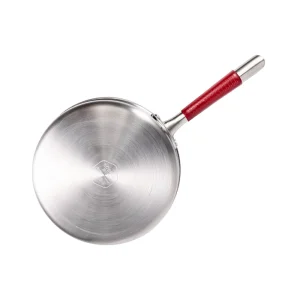
Silicone handles have gained popularity in modern kitchens due to their versatility and functionality. Made from flexible yet durable silicone rubber, these handles are often designed to be ergonomic and provide a secure grip. They are heat-resistant, often up to very high temperatures, and add a touch of color and style to cookware.
Pros and cons
Pros:
- Heat-Resistant: Silicone handles can withstand high temperatures, making them suitable for both stovetop and oven use.
- Comfortable Grip: The soft, non-slip surface of silicone provides a comfortable and secure grip, even with wet hands.
- Easy Maintenance: Unlike wood, silicone is not sensitive to moisture or detergents and can be easily cleaned in the dishwasher.
- Color Variety: Available in various colors, silicone handles can add a decorative touch to your kitchen.
Cons:
- Less Robust: While durable, silicone may not have the same long-lasting strength as metal handles.
- Potential Staining: Some silicone handles may absorb colors and odors from strong-smelling or highly pigmented foods.
- Aesthetic Preferences: The modern appearance of silicone may not suit all kitchen styles or personal tastes.
Common uses and recommendations
Silicone handles are found on a wide variety of cookware, including pots, pans, bakeware, and utensils. They are an excellent choice for those looking for a combination of comfort, functionality, and a modern aesthetic. If you often switch between stovetop and oven cooking, need something that’s easy to care for, or simply want to add a pop of color to your kitchen, cookware with silicone handles may be the right choice for you. Consider the overall design and quality of the cookware, as silicone handles can vary in their durability and comfort.
VI. Plastic Handles
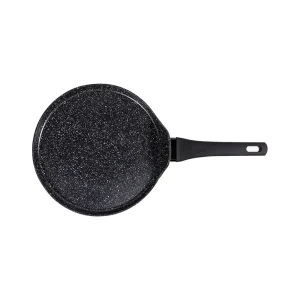
Plastic handles, commonly found on a wide array of cookware, are made from various synthetic polymers. They are generally designed for comfort and affordability but can vary significantly in quality and heat resistance.
Pros and cons
Pros:
- Lightweight: Plastic handles are often lighter than metal, making them easier to handle.
- Affordable: Cookware with plastic handles is typically less expensive, making it accessible for various budgets.
- Comfortable Grip: Many plastic handles are ergonomically designed for a comfortable and secure grip.
- Aesthetic Variety: Plastic handles can come in various colors and designs, allowing for customization.
Cons:
- Heat Sensitivity: Not all plastic handles are heat-resistant, and some may become damaged or even melt if exposed to high temperatures.
- Durability Concerns: Cheaper plastics may crack or break over time, particularly with rough handling or dishwasher use.
- Potential Chemical Concerns: Low-quality plastics may contain harmful chemicals that could leach into food, especially when heated.
Common uses and recommendations
Plastic handles are most commonly found on utensils, cookware sets aimed at beginners, or budget-friendly options. They can be suitable for general cooking needs but may not be ideal for high-heat cooking or prolonged oven use. When choosing cookware with plastic handles, it’s crucial to look for high-quality, heat-resistant plastics, ideally those labeled as BPA-free. For a long-lasting and safe cooking experience, be sure to follow the manufacturer’s guidelines regarding heat exposure and cleaning.
VII. Removable or Detachable Handle Cookware
Removable or detachable handle cookware represents an innovative solution in modern kitchenware. These handles can be made from various materials like stainless steel, plastic, or silicone and can be detached from the main cooking vessel. This design facilitates multi-functionality and offers a range of conveniences.
Benefits such as versatility and space-saving
- Versatility: Removable handles allow the same cooking vessel to be used on the stove, in the oven, or even as a serving dish, simply by detaching the handle.
- Space-Saving: Without fixed handles, cookware takes up less space in drawers and cabinets, making storage easier, especially in smaller kitchens.
- Easy Cleaning: Handles can be removed for thorough cleaning, and some cookware may become dishwasher-safe once the handles are detached.
- Customization: Some brands offer interchangeable handles of different materials, sizes, or colors, allowing customization.
Potential drawbacks or considerations
- Durability Concerns: The mechanism that allows for detachment might wear out over time, potentially leading to loose or unstable handles.
- Compatibility Issues: Not all removable handles are universal, meaning they may only work with specific pots or pans from the same brand.
- Price: High-quality cookware with removable handles can be more expensive than traditional options.
- Learning Curve: Some users may need time to adapt to attaching and detaching the handles safely and securely.
Recommendations for those considering removable handle options
If you’re considering cookware with removable handles, pay attention to the quality of both the handle and the attachment mechanism. Look for reputable brands that provide clear instructions and robust customer support. Assess your cooking needs and storage space to determine if this option aligns with your lifestyle. Remember that while removable handles offer unique conveniences, they might not be suitable for everyone or necessary for all types of cooking.
VIII. Specialized or Hybrid Handles
Specialized or hybrid handles refer to cookware handles that incorporate unique designs or combine different materials to enhance functionality and aesthetics. They might blend wood with stainless steel, silicone with metal, or other creative combinations. These handles are designed to offer the best features of each material, such as the durability of metal and the comfortable grip of silicone or wood.
Pros and cons
Pros:
- Enhanced Functionality: Hybrid handles aim to provide the strength, heat-resistance, and grip of various materials in one design.
- Aesthetically Pleasing: The blend of materials often results in visually appealing handles, allowing you to match or contrast with your kitchen décor.
- Customization: Specialized handles may be created for specific cooking needs, such as handles that can fold or that have unique ergonomic designs.
Cons:
- Price: High-quality hybrid handles may increase the overall cost of the cookware.
- Maintenance Complexity: Mixed materials might require more careful cleaning and maintenance to preserve the integrity of both substances.
- Potential Weak Points: If not designed and constructed properly, the junction where different materials meet might become a weak point over time.
Common uses and recommendations
Specialized or hybrid handles are found in a wide variety of cookware, from frying pans to saucepans. They can be particularly useful when looking for a specific combination of characteristics, such as a metal handle with a silicone grip for both durability and comfort.
When considering cookware with specialized or hybrid handles, it’s essential to evaluate your specific needs and preferences. Look for reputable brands that focus on quality construction to ensure that the handles are both functional and long-lasting. Understanding the care instructions for these unique handles will also help you maintain them properly, preserving their appearance and functionality over time.
IX. Considerations for Choosing Handle Material
Material Properties and Heat Conductivity
Different handle materials conduct heat differently. While metals like stainless steel might become hot during cooking, materials like wood and silicone stay cooler. Consider how you’ll use the cookware and your tolerance for handle temperature when selecting a material.
Durability and Maintenance
Some materials may wear down or degrade more quickly than others, especially if not cared for properly. Stainless steel and cast iron might last longer but require specific cleaning techniques, while wood can degrade if exposed to moisture repeatedly.
Aesthetic Preferences
The look and feel of the handle can greatly influence the overall appeal of cookware. Consider the style of your kitchen and personal preferences when choosing a handle material. For a modern look, stainless steel might be suitable, while wood offers a more rustic appearance.
Cooking Style and Compatibility
The way you cook and the types of dishes you prepare might also guide your choice of handle material. For instance, if you frequently move your cookware from stovetop to oven, you’ll need handles that can withstand high oven temperatures.
Ergonomic Design and Comfort
The shape, weight, and texture of the handle affect how comfortable it is to hold, especially during extended cooking sessions. Think about your own comfort and how the handle’s material might play a role in that. Materials like silicone might provide a more comfortable grip.
Environmental and Health Considerations
Consider eco-friendly materials if sustainability is a priority for you. Likewise, pay attention to potential health considerations, such as coatings or treatments used on the handle material that might interact with food.
Cost Considerations
The material of the handle can significantly influence the overall cost of the cookware. While custom and specialized handles might offer unique benefits, they often come at a premium price.
X. Custom Handles for Cookware
Introduction to Custom Handles
Custom handles allow for personalized design and functionality tailored to the specific needs and preferences of the user. Whether it’s a unique shape, material combination, or aesthetic feature, custom handles can provide a specialized cooking experience that enhances both comfort and performance.
Types of Customizations
Material Selection: Choose from various materials like wood, stainless steel, silicone, etc., to create a handle that suits your preferences for grip and appearance.
Shape and Ergonomics: Tailor the handle’s shape to fit your hand perfectly, reducing strain during prolonged cooking sessions.
Personalized Aesthetics: Incorporate unique design elements, colors, or engravings to match your kitchen’s decor or personal style.
Functionality Add-ons: Add special features like detachable parts, heat-resistant coatings, or additional gripping surfaces to enhance the handle’s utility.
Pros and Cons of Custom Handles
Pros:
- Personalized Experience: Tailored to individual preferences and needs, providing a one-of-a-kind cooking experience.
- Potential Ergonomic Benefits: Designed with the user’s comfort in mind, possibly reducing fatigue and strain.
- Aesthetic Appeal: Custom designs can reflect personal style or match kitchen aesthetics perfectly.
Cons:
- Higher Cost: Customization often comes with increased expenses due to specialized design and manufacturing.
- Availability: Finding a manufacturer or craftsman who can create custom handles may be more challenging.
- Maintenance Considerations: Specific care may be required, depending on the materials and design features chosen.
Recommendations for Custom Handle Options
For those interested in custom handles, it’s essential to work with reputable designers or manufacturers who specialize in customized cookware. Understanding your specific needs and preferences will help guide the design process, ensuring a final product that meets your expectations in terms of functionality, comfort, and appearance. Investing in custom handles may be ideal for those looking to enhance their cooking experience with specialized equipment that reflects their unique needs and style.
XI. FAQs Related to Cookware Handles
Choosing the right handle material for your cookware can be complex, and there are many common questions people have about the subject. Below, we address some of the frequently asked questions to help clarify key aspects of cookware handles.