What is Aluminum Cookware?
Learn how to choose, use and maintain aluminum cookware for best performance, durability and value — your complete expert guide.
Frying is a cooking method where food is cooked in hot oil or fat. This technique is favored for its ability to make the outside of food crispy while keeping the inside tender. It’s a quick process, often resulting in a golden-brown, flavorful crust. From crispy fries to tender fried chicken, frying transforms simple ingredients into delicious meals.
Frying, a popular cooking method, can be broadly categorized into two distinct types, each with its unique approach and culinary outcomes.
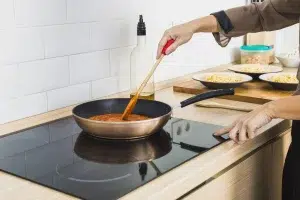
Pan-frying involves cooking food in a minimal amount of oil at a medium to high heat. This method is ideal for cooking thinner cuts of meat, vegetables, or smaller pieces of food. It’s about achieving a browned, crispy exterior without requiring too much oil. Common uses include searing steaks, frying eggs, or making pancakes.
Deep-frying submerges food entirely in hot oil. This technique is used for foods that need to be cooked evenly on all sides. It creates a characteristic crispy texture and golden color. Typical applications include making French fries, doughnuts, or battered fish. Deep-frying requires a careful balance of temperature to ensure food is cooked through without absorbing too much oil.
Frying is a popular cooking method, but it comes with its own set of benefits and drawbacks.
Having the right equipment and ingredients is crucial for successful frying. Let’s explore the essentials.
For pan-frying, a good quality frying pan is key. Cast iron, stainless steel, or non-stick pans are popular choices, each offering unique benefits. Cast iron pans are great for even heat distribution but can be heavy. Stainless steel pans are durable and non-reactive, while non-stick pans make clean-up easy.
When it comes to deep-frying, a deep-fryer or a large, deep pot is essential. Deep-fryers offer convenience and precise temperature control, while a heavy-bottomed pot can be used on the stovetop with a thermometer to monitor the oil temperature.
The choice of oil or fat is crucial for frying. Different oils have different smoke points – the temperature at which they begin to smoke and break down. For high-heat frying, such as deep-frying, oils with a high smoke point like peanut, canola, or vegetable oil are ideal. They can withstand high temperatures without burning.
For pan-frying, you might opt for oils with lower smoke points that impart more flavor, such as olive oil or butter. However, be mindful of the temperature to avoid burning the oil. Each type of oil or fat adds a distinct flavor profile to the food, enhancing the overall taste of the dish.
Frying is a versatile cooking method suitable for various foods. Here’s a breakdown of ideal foods for frying:
Frying involves cooking food in a significant amount of oil, usually submerging or nearly submerging the food. Sautéing uses less oil and is ideal for quickly cooking food at high heat, often involving constant movement of the food in the pan.
Pan frying uses less oil, generally enough to come halfway up the sides of the food. Deep frying completely submerges the food in oil, requiring a larger quantity of oil and usually a higher temperature.
Frying can be a good cooking method when done correctly. It’s great for achieving a crispy texture and sealing in flavors. However, it’s higher in fat and calories compared to methods like steaming or grilling.
Learn how to choose, use and maintain aluminum cookware for best performance, durability and value — your complete expert guide.
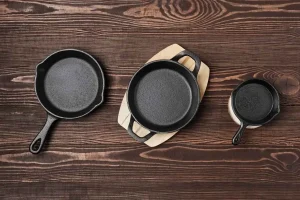
Dive into our ultimate guide to cast iron cookware. Discover its history, significance in modern cooking, care techniques, and how to choose the best pieces for your kitchen.
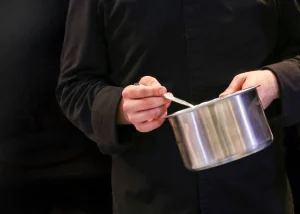
Stainless steel cookware has earned its place as a kitchen essential for both professionals and home cooks.