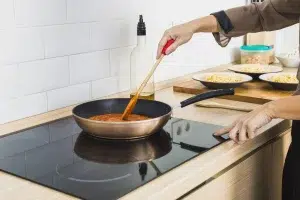
What is Aluminum Cookware?
Learn how to choose, use and maintain aluminum cookware for best performance, durability and value — your complete expert guide.
Boiling is a fundamental cooking process where water is heated to its boiling point, turning into steam. This method involves submerging food in boiling water, allowing the heat and moisture to cook it thoroughly. Used globally, boiling is prized for its simplicity, requiring nothing more than a pot, water, and a heat source. It’s a technique that’s as ancient as cooking itself, yet remains central in modern kitchens for preparing a vast array of dishes. From vegetables to eggs, pasta to grains, boiling offers a straightforward way to make meals both nutritious and delicious.
Boiling is more than just a basic cooking method; it’s a gateway to nutritious and versatile meals.
Boiling helps preserve many nutrients in foods, making it a healthier cooking option. Unlike frying or roasting, it minimizes the use of oils, reducing fat content. This method also helps retain the essential vitamins and minerals in vegetables and meats, ensuring a wholesome meal.
The simplicity of boiling opens up a world of culinary possibilities. From soups and stews to pasta and dumplings, boiling is foundational to numerous cuisines. It’s especially beneficial for beginners in the kitchen, as it requires minimal technique yet yields satisfying results. Whether you’re cooking a hearty broth or a simple boiled egg, boiling is as versatile as it is straightforward.
Boiling, like any cooking method, has its own set of pros and cons that can impact the outcome of your dish.
Boiling offers several hygienic benefits, as the high temperatures can effectively kill bacteria and germs in food, making it safer to eat. It’s also a great way to tenderize tougher cuts of meat or hard vegetables, transforming them into soft, more digestible forms. This method is particularly useful for making stocks and broths, where slow boiling extracts flavors and nutrients from ingredients.
However, boiling isn’t without its drawbacks. One major concern is the potential loss of nutrients, particularly in vegetables, when over-boiled. Water-soluble vitamins like vitamin C can leach into the water, reducing the nutritional value of the food. Furthermore, if not seasoned properly, boiled foods can end up tasting bland. It’s essential to strike a balance between cooking time and flavor retention to ensure a tasty and nutritious meal.
Boiling is a fundamental cooking technique that requires some basic but essential equipment to get started.
Choosing the right pot or kettle is crucial for effective boiling. They come in various materials like stainless steel, aluminum, and cast iron, each with its unique properties affecting heat distribution and retention. The size of the pot also matters, depending on the quantity of food you’re preparing. Along with pots, some handy accessories include slotted spoons for removing items from hot water, ladles for serving, and strainers for draining boiled foods.
For those looking to expedite their cooking process, pressure cookers are a game-changer. They use high pressure to raise the boiling point of water, cooking food faster while retaining flavors and nutrients. Electric kettles offer a convenient and quick way to boil water for tea, coffee, or instant meals, making them a staple in many modern kitchens. These advanced tools bring efficiency and convenience to the boiling process, catering to the fast-paced lifestyles of today.
Boiling is a versatile cooking method, suitable for a variety of foods, each bringing a unique texture and flavor profile when boiled.
Certain foods thrive when subjected to the boiling process:
However, not all foods benefit from boiling:
Understanding which foods are suitable for boiling and which aren’t is key to mastering this cooking technique, ensuring that the natural flavors and textures of the ingredients are preserved and enhanced.
In cooking, the boiling point is generally considered to be 100°C (212°F) at sea level. This is the temperature at which water transitions from a liquid to a gas, creating the bubbling action characteristic of boiling.
Boiling can preserve food by killing bacteria, viruses, and parasites that cause spoilage and foodborne illnesses. This process is especially crucial in canning, where food is boiled inside jars to create a sterile environment that extends shelf life.
Boiling is considered healthy as it doesn’t require fat for cooking. However, it can lead to nutrient loss, particularly water-soluble vitamins like vitamin C and B vitamins, which can leach into the boiling water.
Boiling occurs at a higher temperature (100°C/212°F) where water bubbles vigorously. Simmering occurs at a lower temperature (around 94°C/200°F) with less vigorous, smaller bubbles, ideal for slow-cooking foods without breaking them apart or causing evaporation too quickly.
Learn how to choose, use and maintain aluminum cookware for best performance, durability and value — your complete expert guide.
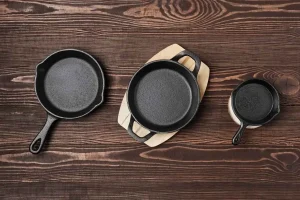
Dive into our ultimate guide to cast iron cookware. Discover its history, significance in modern cooking, care techniques, and how to choose the best pieces for your kitchen.
Stainless steel cookware has earned its place as a kitchen essential for both professionals and home cooks.