
I. Introduction
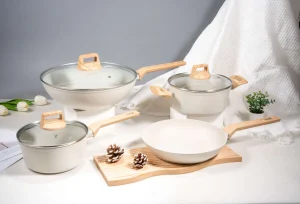
Aluminum cookware is renowned for its excellent heat conductivity, lightweight design, and affordable pricing. Being a popular choice among chefs and home cooks, it provides a wide range of options tailored to specific cooking needs.
A. Brief Overview of Cast and Anodized Aluminum
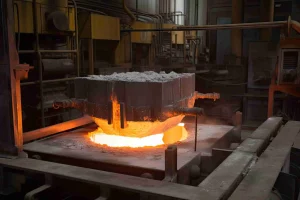
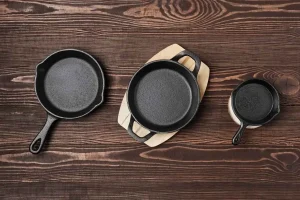
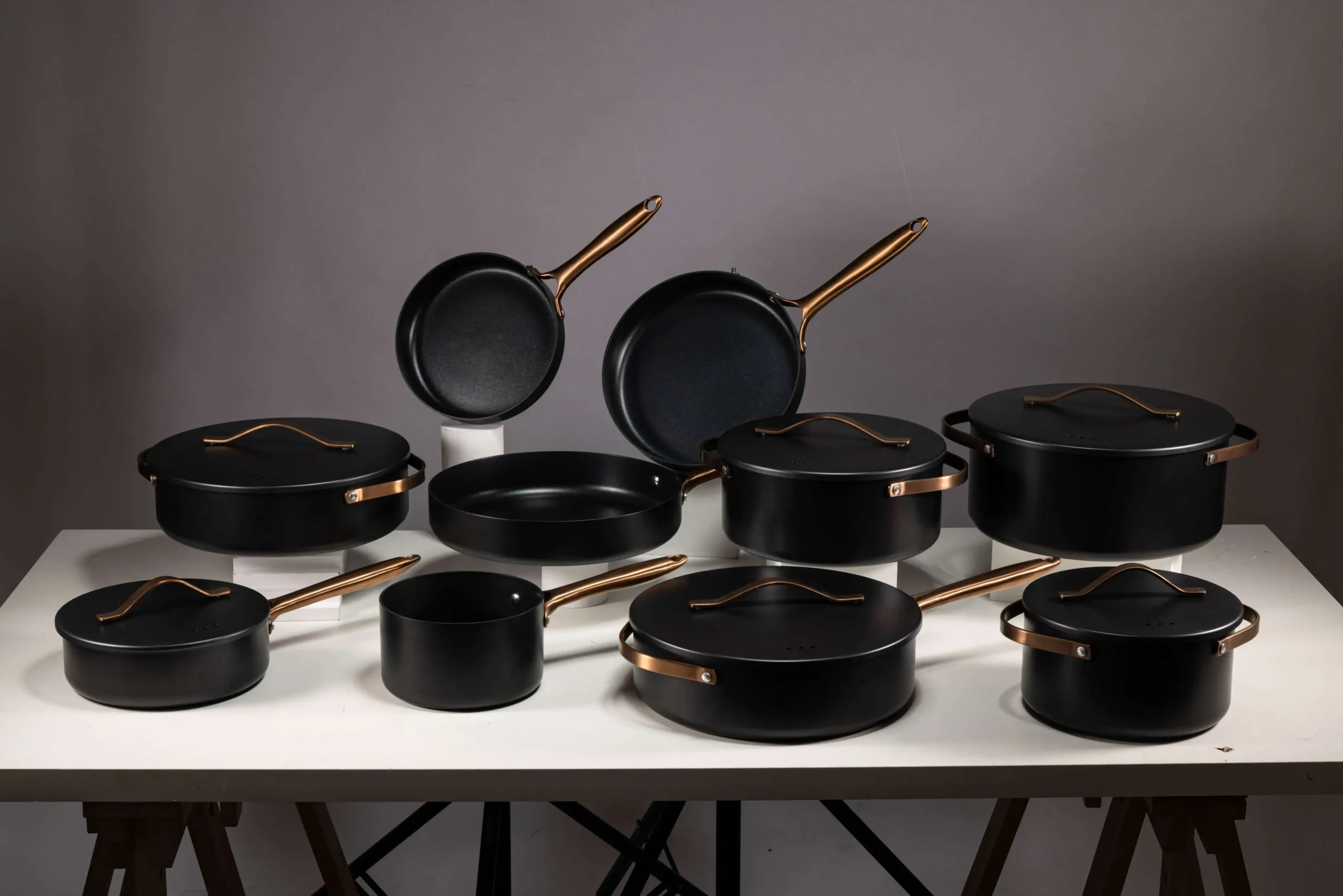
- Cast Aluminum: Created by pouring molten aluminum into molds, cast aluminum cookware offers excellent heat retention and uniform heating.
- Anodized Aluminum: This method uses an electrochemical process to enhance the natural oxide layer on aluminum’s surface, resulting in a non-reactive, hard, and smooth finish.
B. Purpose of the Comparison
Comparing cast and anodized aluminum cookware is essential to understand their distinct properties and applications. This comparison will guide readers in selecting the most suitable option for their cooking style, needs, and preferences. It’s about making informed decisions based on functionality, durability, and aesthetics.
II. Cast Aluminum Cookware
Cast aluminum cookware is an excellent choice for many chefs and home cooks, offering unique properties that suit various culinary needs. Below, we’ll explore the manufacturing process, key features, advantages and disadvantages, and suitable cooking methods to provide a comprehensive understanding of this option.
A. Manufacturing Process
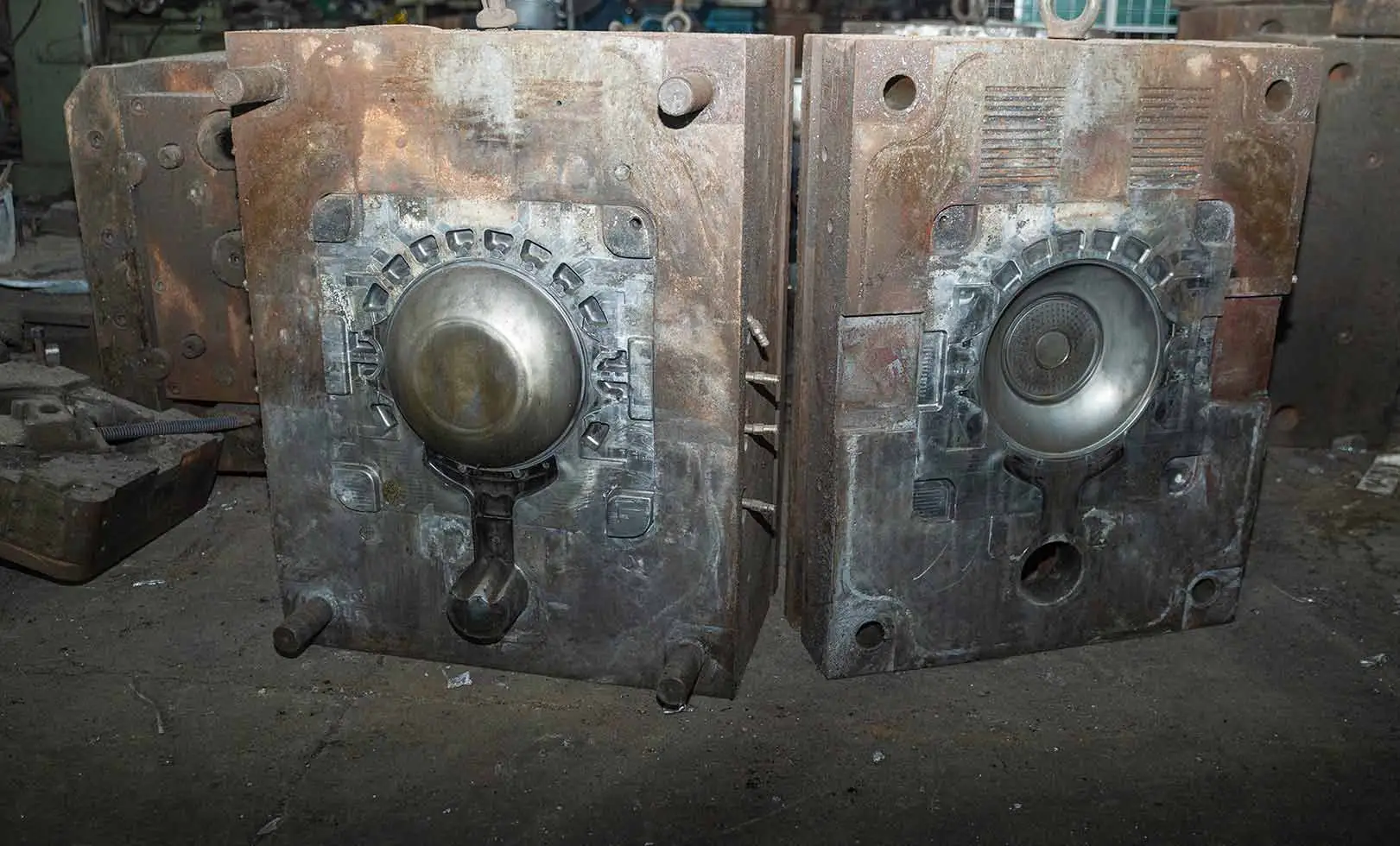
Cast aluminum cookware is manufactured by pouring molten aluminum into molds. This allows for intricate designs and shapes, making it a versatile option for various cookware pieces. Once cooled and hardened, the cast aluminum is then finished and polished for a sleek appearance.
B. Key Features
- Even Heat Distribution: The casting process ensures uniform thickness, leading to even heat distribution across the surface.
- Durability: While not as strong as anodized aluminum, cast aluminum is still quite durable and resistant to warping.
- Aesthetic Appeal: Available in various designs, cast aluminum cookware can be aesthetically pleasing.
C. Advantages and Disadvantages
Advantages:
- Excellent heat retention
- Affordable pricing
- Versatility in design
Disadvantages:
- Prone to staining and discoloration if not treated
- Less resistant to scratches compared to anodized aluminum
D. Suitable Cooking Methods
Cast aluminum cookware is suitable for a wide range of cooking methods, including sautéing, frying, boiling, and simmering. However, care must be taken with acidic foods, as they may react with untreated aluminum surfaces. With proper care and use, cast aluminum provides reliable performance in various culinary applications.
III. Anodized Aluminum Cookware
Anodized aluminum cookware represents an innovative approach in cookware technology, providing enhanced durability and performance. Through an electrochemical process, aluminum undergoes a transformation that offers a range of benefits. In the following sections, we’ll dive into the manufacturing process, key features, advantages and disadvantages, and suitable cooking methods of anodized aluminum cookware.
A. Manufacturing Process
Anodized aluminum cookware is produced by immersing aluminum in a chemical bath and applying an electrical current. This process forms a layer of aluminum oxide on the surface, creating a hard, non-reactive finish. This layer is much stronger than the raw aluminum, offering protection against scratches, corrosion, and wear.
B. Key Features
- Hardened Surface: Anodized aluminum is highly resistant to scratching, chipping, and peeling.
- Non-Reactive: The anodizing process makes the surface non-reactive, allowing for the safe cooking of acidic foods.
- Heat Conductivity: It retains the excellent heat conductivity properties of raw aluminum.
C. Advantages and Disadvantages
Advantages:
- Exceptional durability and scratch resistance
- Non-reactive with acidic foods
- Aesthetic appeal, often available in various colors
Disadvantages:
- Typically more expensive than cast aluminum
- Can be damaged by dishwashing or harsh detergents
D. Suitable Cooking Methods
Anodized aluminum cookware is versatile and can be used for a variety of cooking methods, including frying, sautéing, simmering, and baking. Unlike cast aluminum, it’s safe to cook acidic foods, and it provides consistent heating and exceptional performance across various culinary tasks. Its unique properties have made it a popular choice among professional chefs and home cooking enthusiasts alike.
IV. Side-by-Side Comparison
In this section, we’ll directly compare cast and anodized aluminum cookware. Below is a table summarizing their primary features:
| Feature | Cast Aluminum | Anodized Aluminum |
|---|---|---|
| Durability | Moderate | High |
| Heat Conductivity | Excellent | Excellent |
| Non-Reactivity | Low | High |
| Maintenance and Care | Moderate | Easy |
| Price | Generally Lower | Generally Higher |
Now, let’s explore the detailed aspects of these key differences:
A. Durability
Cast Aluminum: Moderate durability, often more susceptible to warping.
Anodized Aluminum: Known for its high durability and resistance to scratching.
B. Heat Conductivity
Cast Aluminum: Offers excellent heat conductivity for even cooking.
Anodized Aluminum: Retains aluminum’s heat conductivity but with improved heat distribution.
C. Non-Reactivity and Safety
Cast Aluminum: Prone to reacting with acidic foods, potentially altering flavors.
Anodized Aluminum: A non-reactive surface makes it safe with all types of ingredients.
D. Maintenance and Care
Cast Aluminum: Requires careful handling, avoiding metal utensils.
Anodized Aluminum: Known for ease of care but avoids dishwasher use.
E. Price Points
Cast Aluminum: Often more budget-friendly, offering good value.
Anodized Aluminum: Higher price due to enhanced features, considered a long-term investment.
This comparison provides insights into the nuances of cast and anodized aluminum cookware, helping you make an informed decision based on your specific needs, cooking style, and budget. Whether you prioritize durability, heat conductivity, maintenance ease, or price, this guide assists you in finding the perfect aluminum cookware.
V. Recommendations
The decision between cast and anodized aluminum cookware ultimately depends on individual cooking needs, preferences, and budget. Both types have their own unique characteristics that make them suitable for different cooking tasks. Here, we’ll guide you through the best uses and selection criteria for both types of cookware.
A. Best Uses for Cast Aluminum
Cast Aluminum is excellent for everyday cooking needs. It’s often chosen for tasks that require rapid heating and even heat distribution. Common uses include:
- Sautéing and frying
- Baking in the oven
- Cooking on the stovetop
B. Best Uses for Anodized Aluminum
Anodized Aluminum is considered superior for professional cooking or those looking for long-term investment in cookware. Its main advantages lie in:
- Searing meats
- Cooking acidic dishes like tomato sauces
- Long, slow simmering
C. Guidelines for Selection Based on Cooking Needs
When choosing between cast and anodized aluminum, consider the following:
- Cooking Style: Do you cook more professional or gourmet dishes? Anodized might be the way to go.
- Budget: If cost is a significant factor, cast aluminum offers good quality at a more affordable price.
- Durability Needs: For cookware that lasts, consider the investment in anodized aluminum.
Through these guidelines, you can determine the best choice of aluminum cookware that caters to your particular cooking needs and expectations. Whether it’s cast or anodized aluminum, knowing your specific requirements and how each type performs will ensure a satisfying and effective cooking experience.
VI. FAQs Related to Cast and Anodized Aluminum Cookware
Choosing the right type of cookware involves many factors, including safety, durability, and cooking performance. Below, we address some common questions regarding cast and anodized aluminum cookware to aid you in making an informed decision.