

Cast Iron Cookware Manufacturer

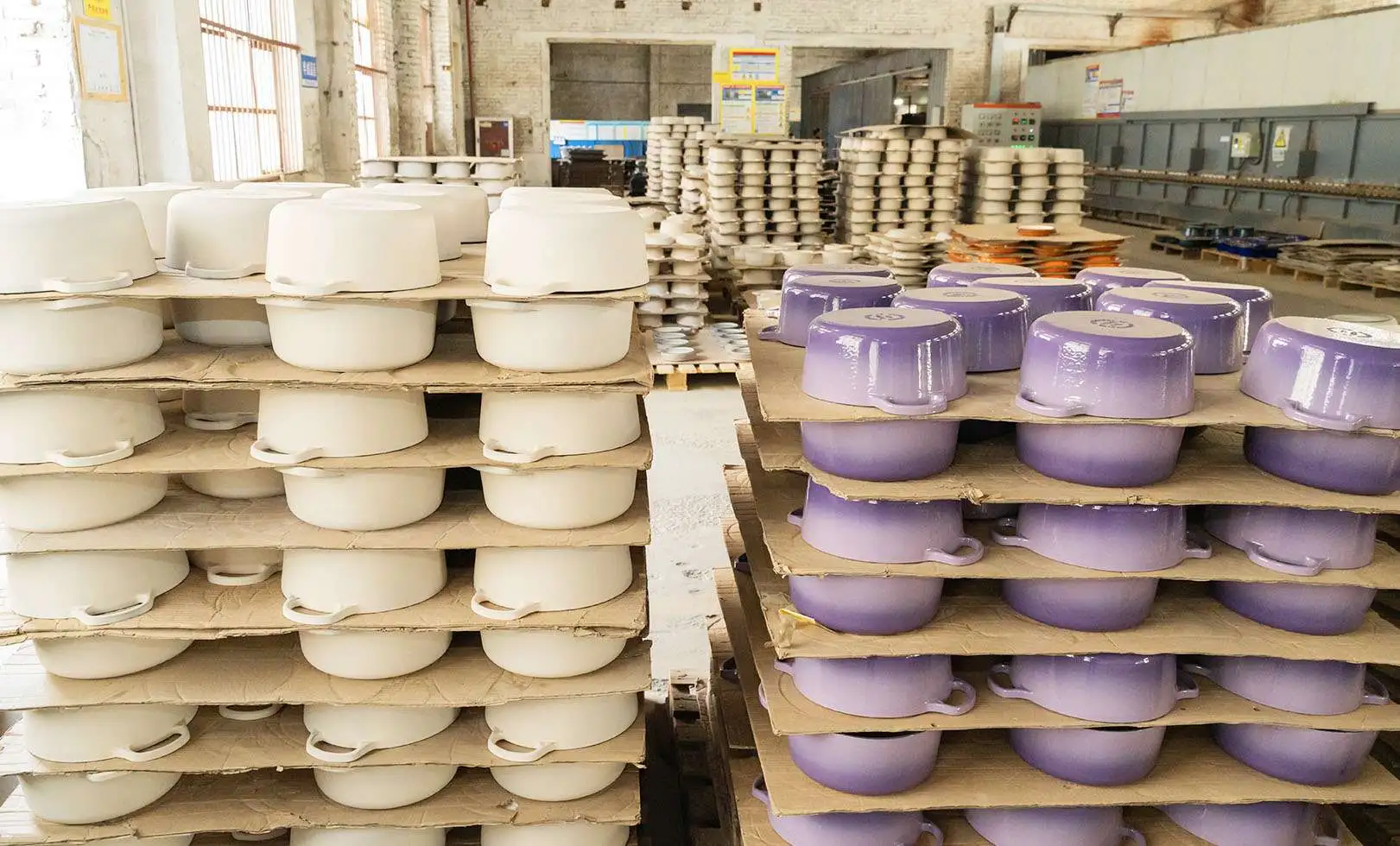
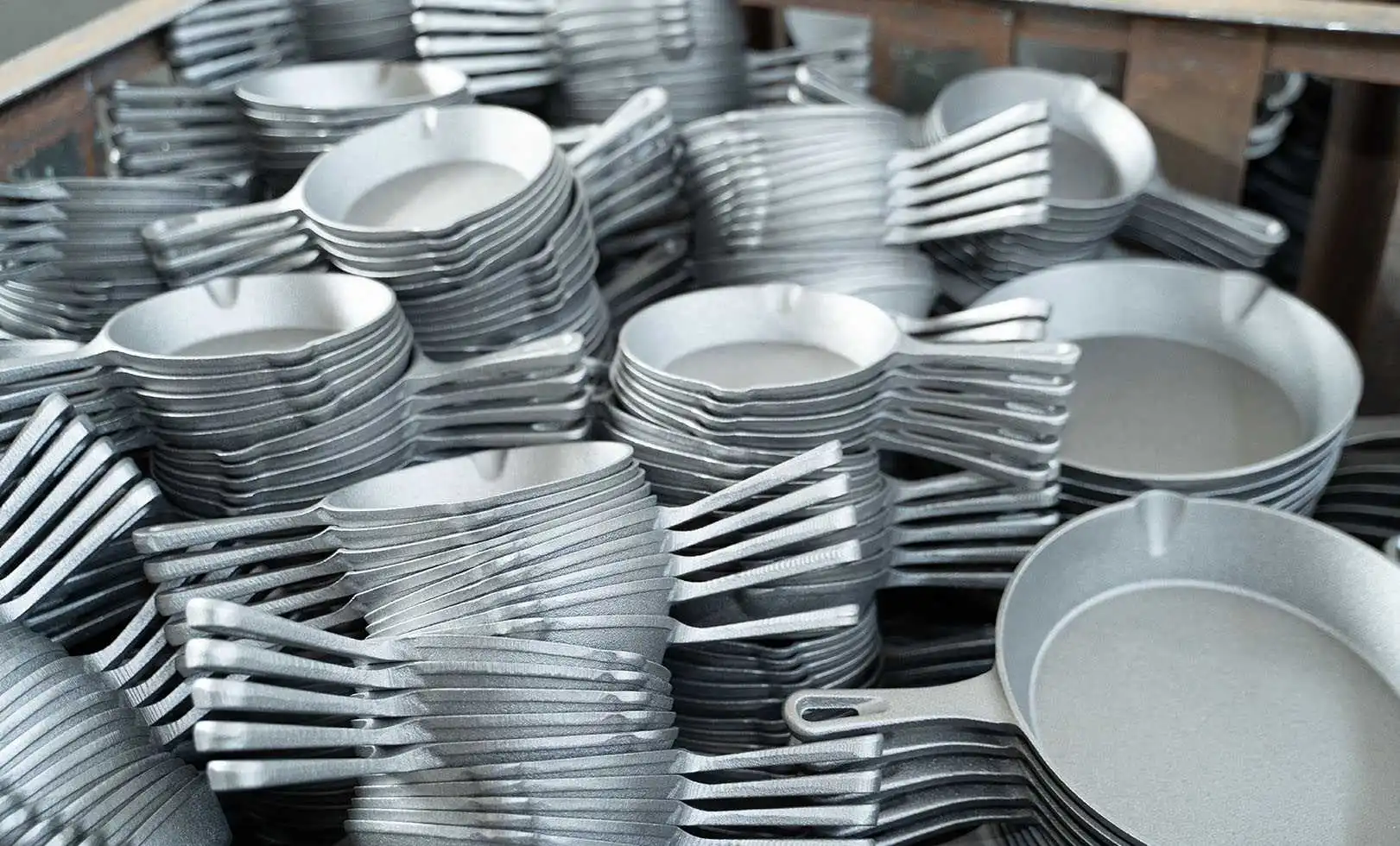
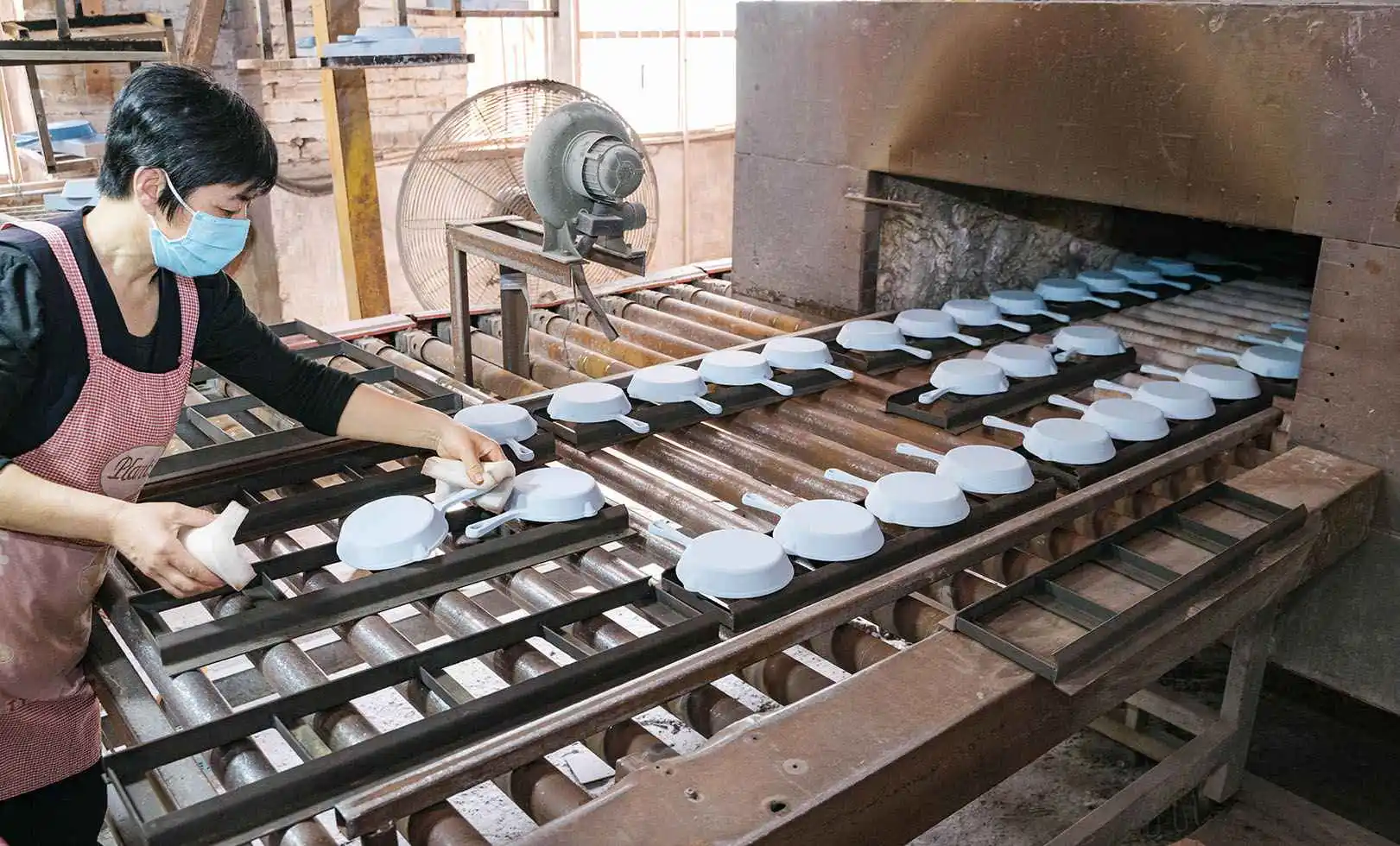
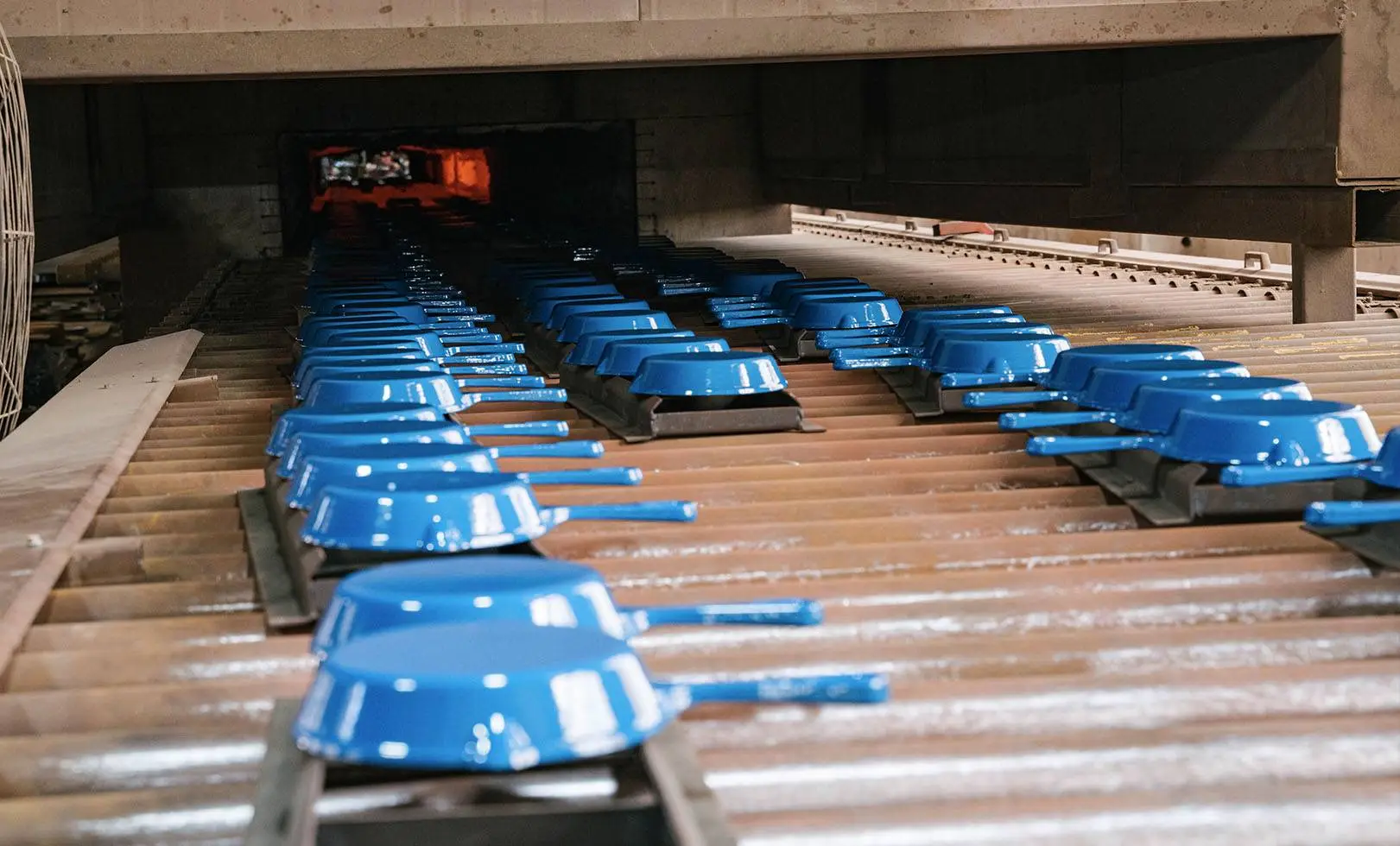
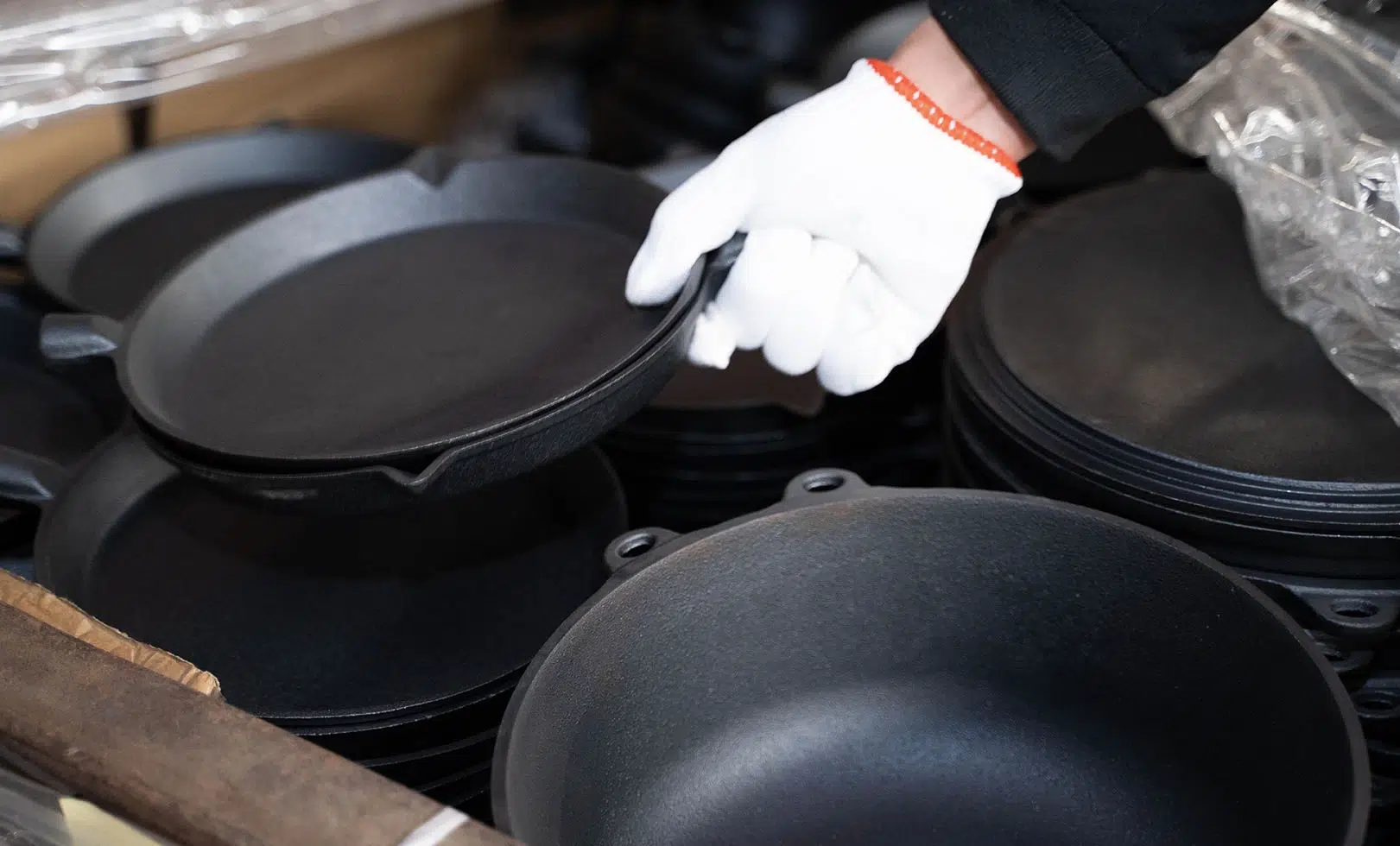
KitchenGuidePro is a professional and experienced cast iron cookware factory, specializing in the production of high-quality cast iron cookware for both home and commercial use. With advanced production technology and strict quality control, we are able to produce a wide range of cast iron cookware with different sizes, materials and finishes.

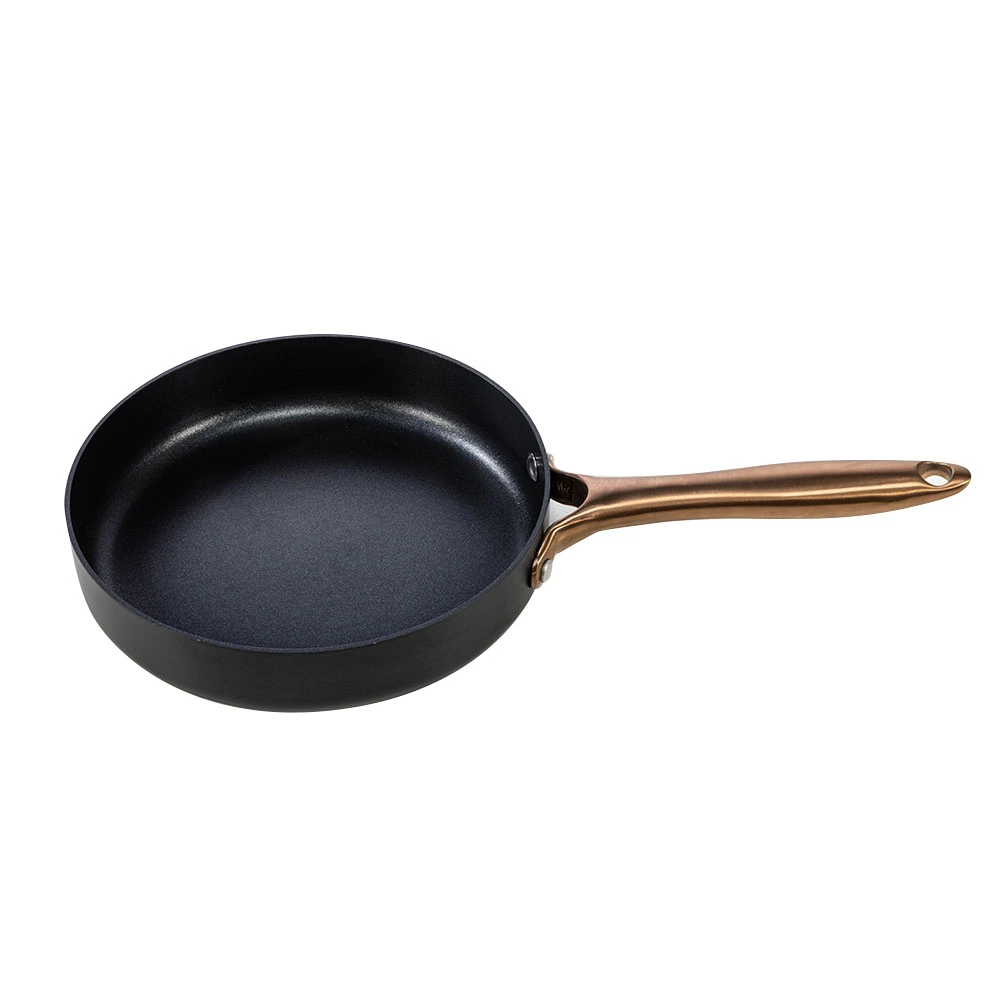
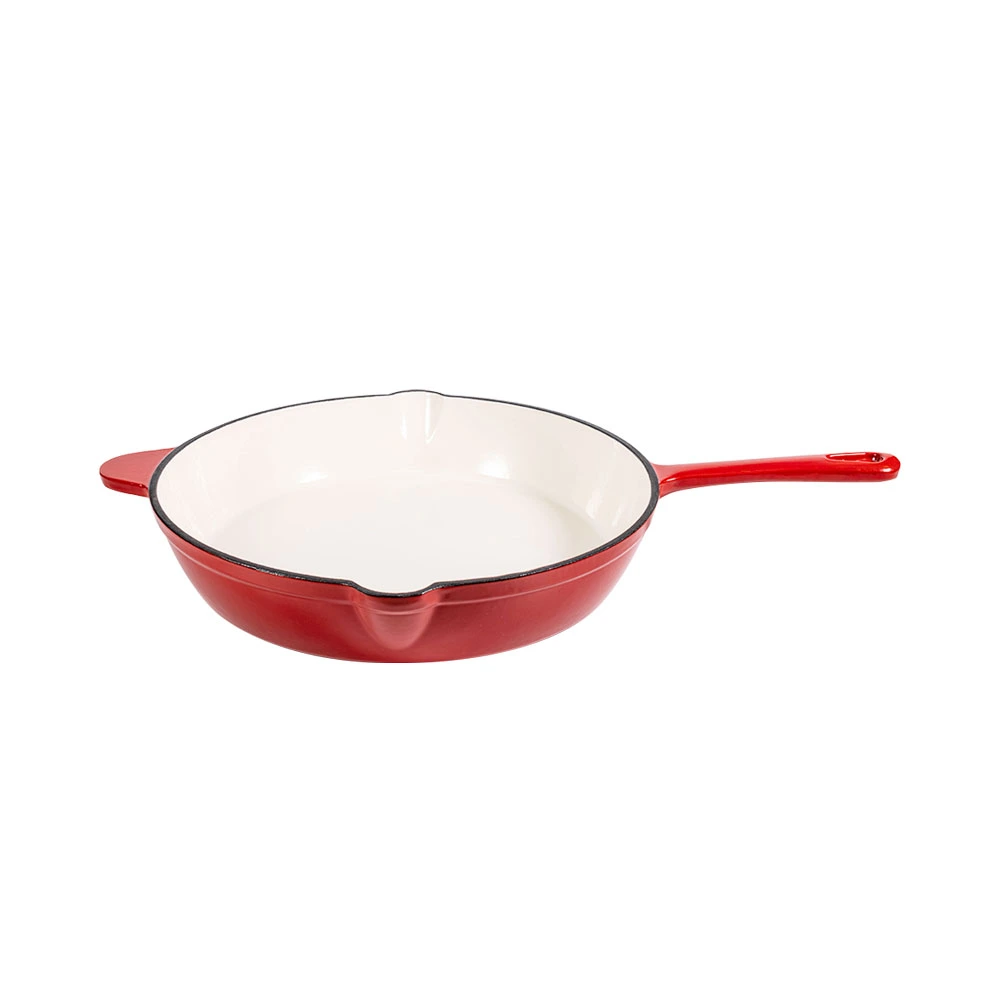
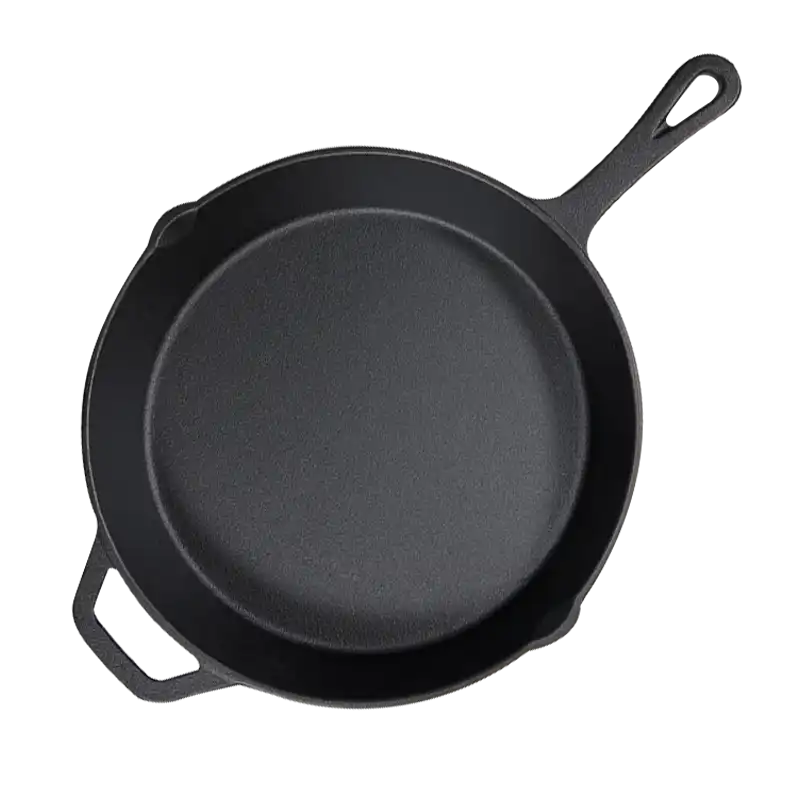
A cast iron frying pan is a versatile kitchen staple ideal for searing, sautéing, and frying.

A cast iron grill pan, with its ridged surface, is perfect for grilling meats, fish, and vegetables.

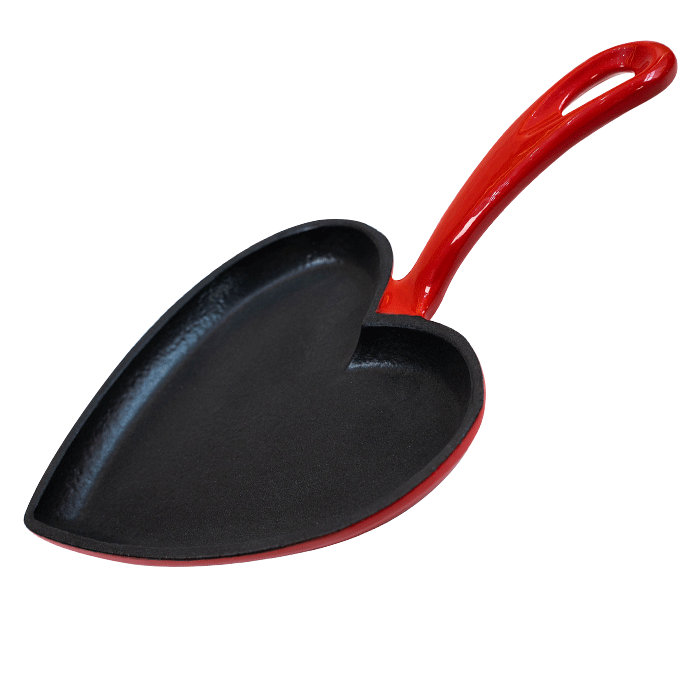
A cast iron heart-shape pan adds a touch of love to themed breakfasts and desserts.

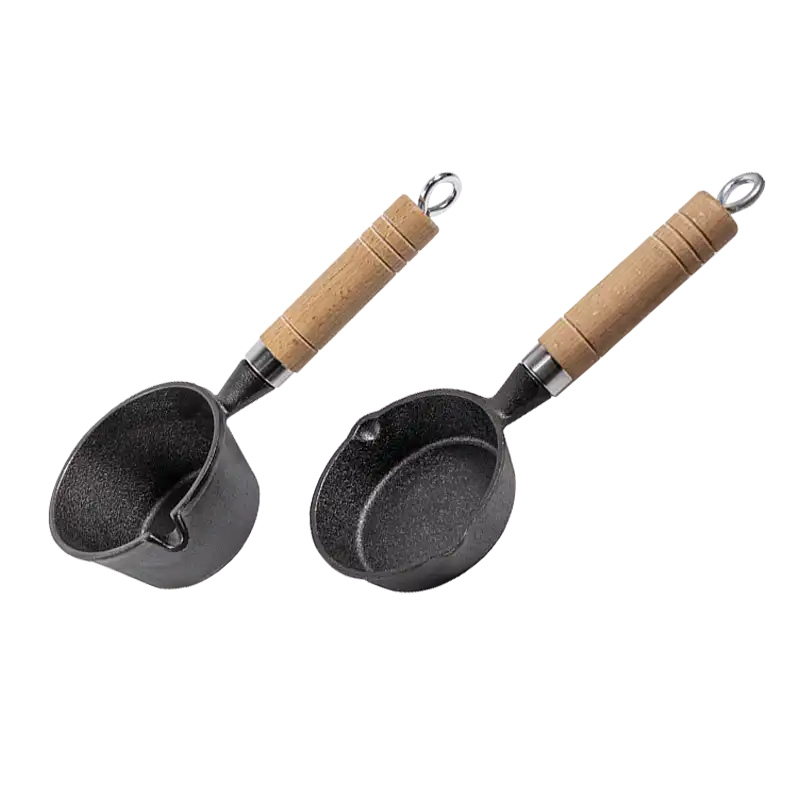
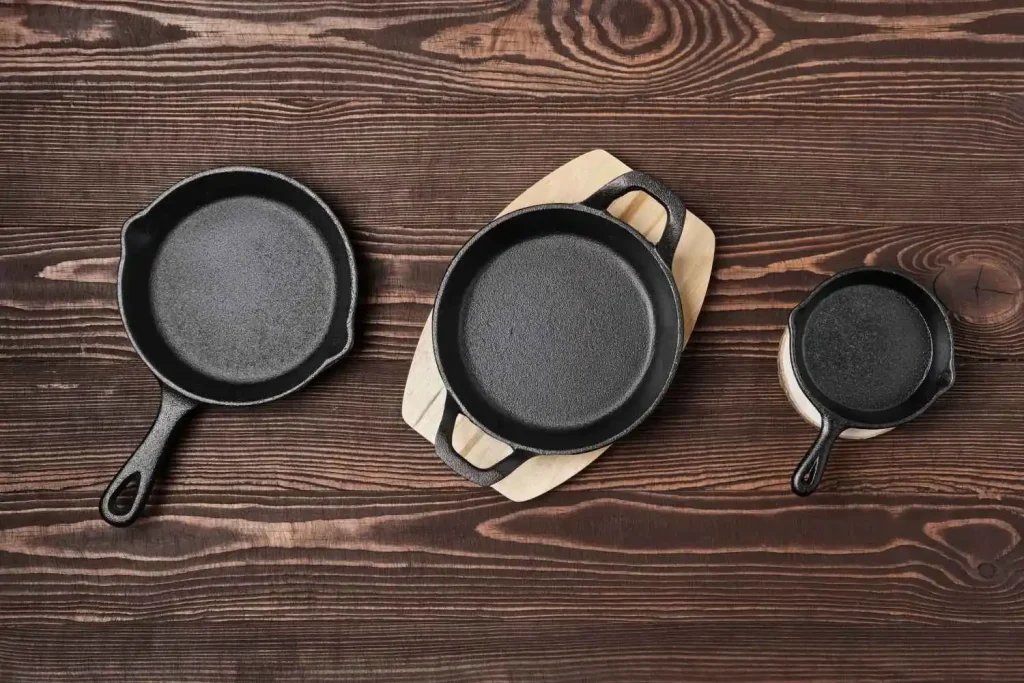
A cast iron small skillet, being compact, is useful for single servings or side dishes.

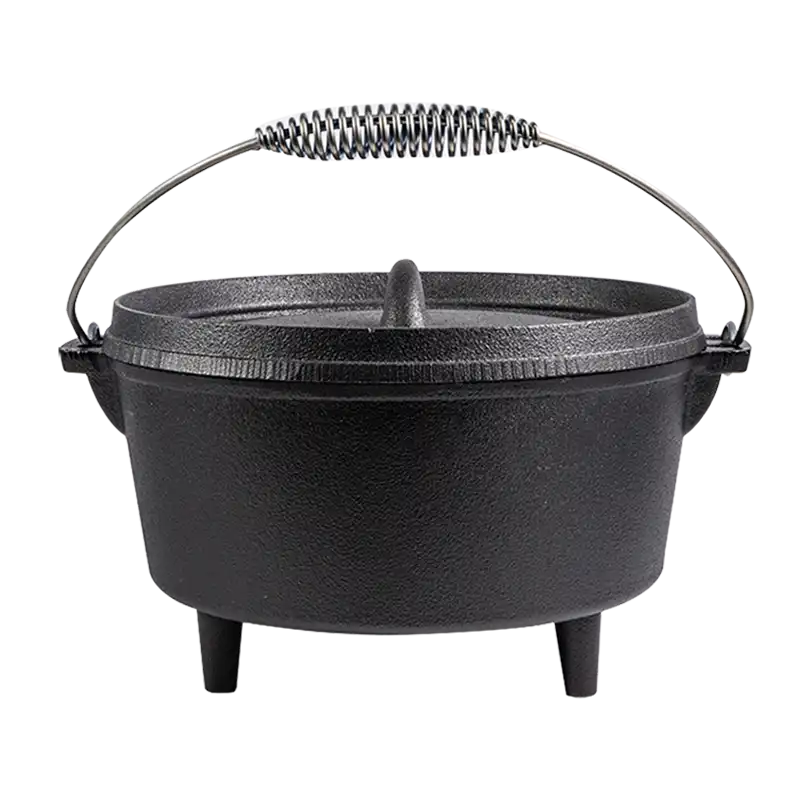
A cast iron Dutch oven, being a heavy-duty pot, is suitable for slow cooking, baking, and braising.

A cast iron reversible griddle offers a two-sided cooking surface, making it versatile for pancakes, bacon, and grilling.

The Environment Protection Efforts We Done During Production

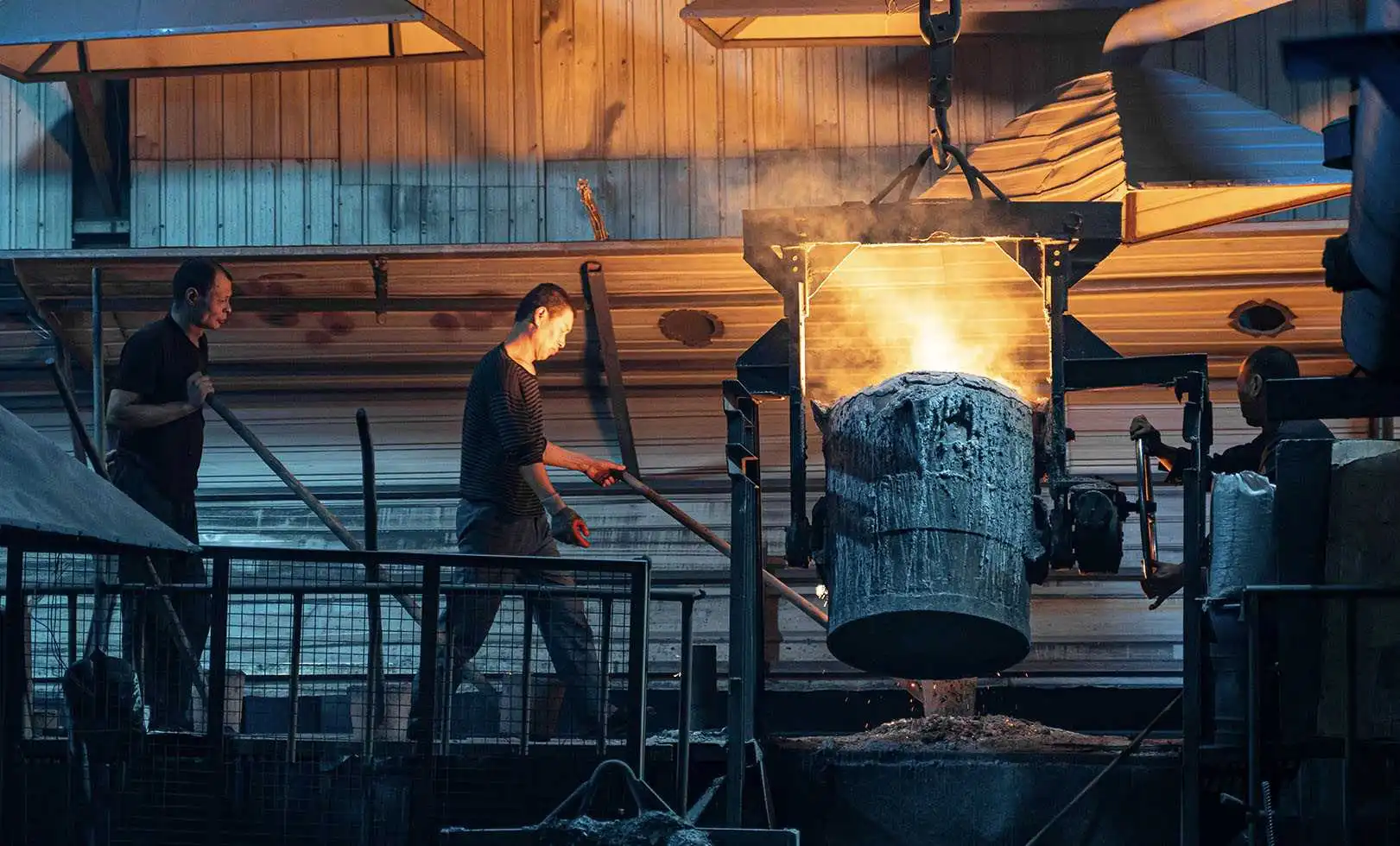
At KitchenGuidePro, we prioritize environmental stewardship in our production processes. Here are eight crucial ways we integrate eco-friendly practices to minimize our ecological footprint.

Energy-Efficient Manufacturing Equipment

Waste Reduction Strategies

Sustainable Material Sourcing

Recycling and Reusing in Production

Cleaner Production Techniques

Eco-friendly Packaging

Low-impact Transportation Methods

Implementation of a Carbon Offset Program

Compare Different Material Cookware

Choosing the right cookware material is crucial as it influences cooking efficiency, flavor, maintenance, and longevity. This comparison of different materials’ advantages and disadvantages will help you make an informed decision. Consider your cooking style, needs, and preferences while selecting.

MaterialProsCons
Stainless SteelResistant to rust and corrosion, Non-reactive, Retains heat wellRequires oil to prevent sticking, Doesn’t distribute heat evenly
Cast IronExcellent heat retention, Natural non-stick with seasoning, DurableHeavy, Requires special care, Reactive with acidic foods
AluminumLightweight, Heats up quickly, AffordableProne to warping, Can react with acidic or alkaline foods, Often requires a coating
CopperExcellent heat conductor, Reacts quickly to changes in heat, Attractive lookExpensive, Reactive with certain foods, Requires a lining, High maintenance
CeramicNon-reactive, Doesn’t alter flavor of food, Easy to clean, Can be colorfulCan chip or crack, Doesn’t conduct heat evenly, Not suitable for high heat
EnamelNon-reactive, Easy to clean, Attractive lookCan chip, Doesn’t conduct heat evenly, High heat can cause damage
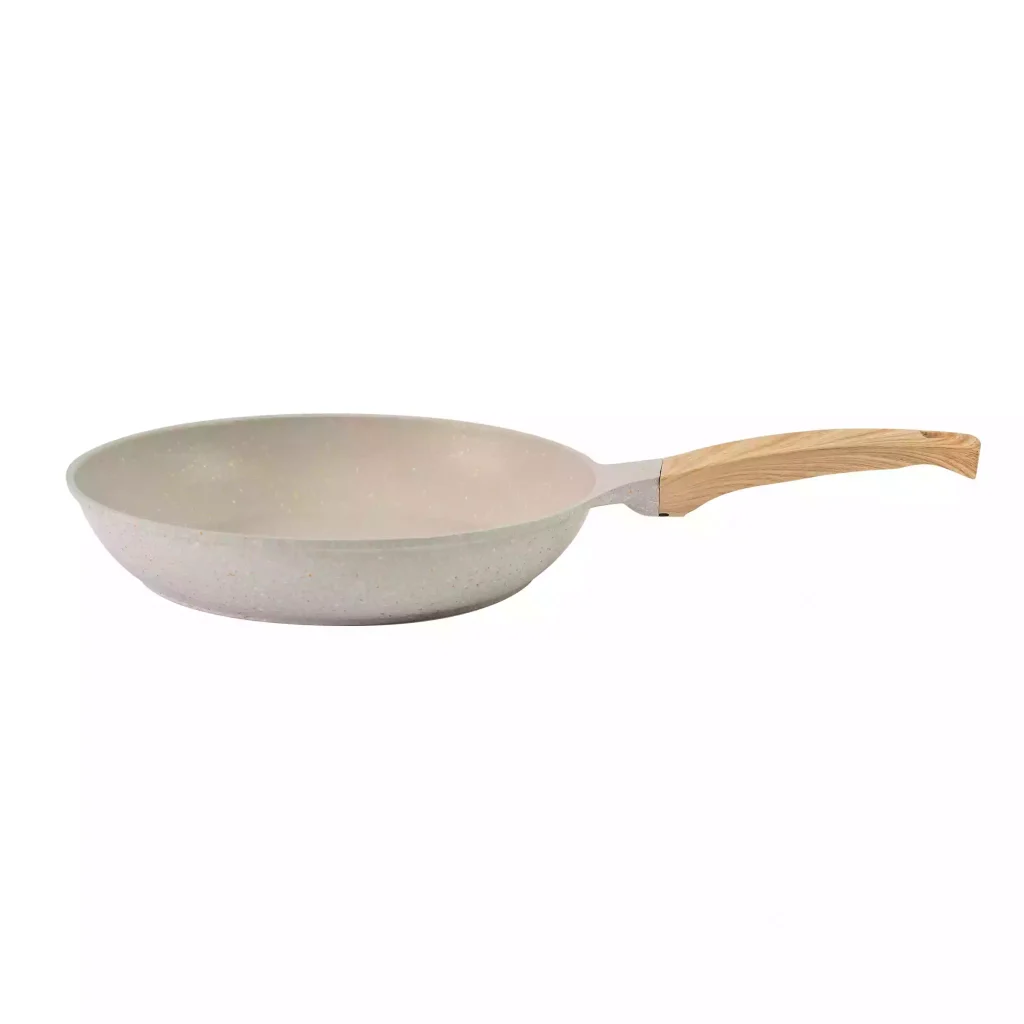
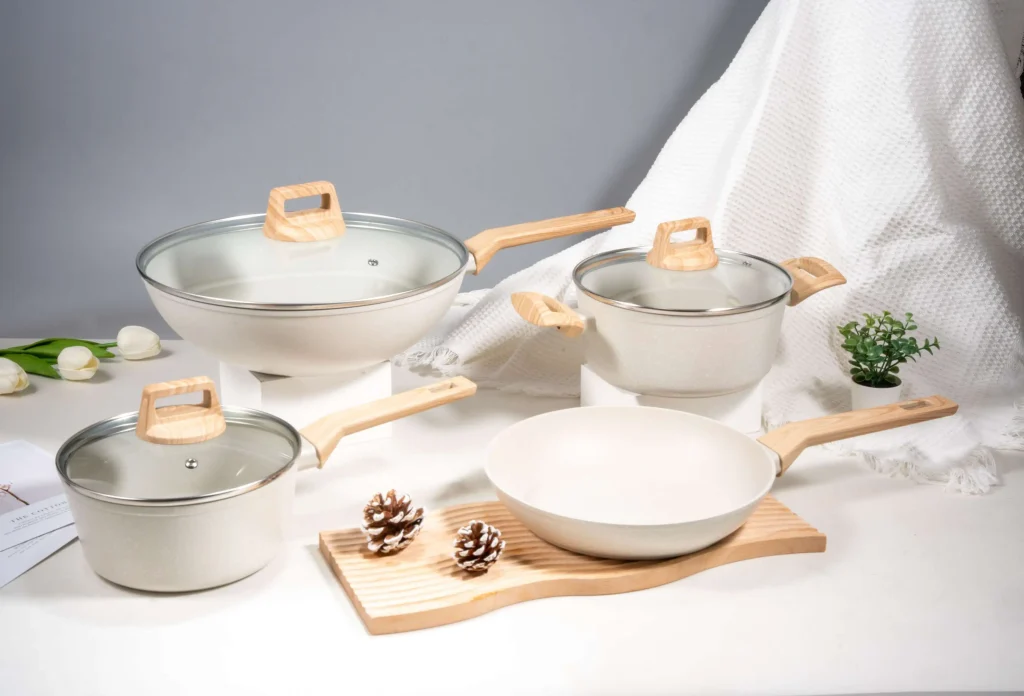
Maifan StoneNon-stick, Easy to clean, Requires less oil, Can impart minerals to foodCan be pricey, Not suitable for high heat, Requires careful handling to avoid chipping or cracking
Medical StoneHigh thermal conductivity, Easy to clean, Non-stickRequires careful handling to avoid damage, Not suitable for high heat, Can be expensive

FAQs Related to Cast Iron Cookware

Our FAQ section addresses a wide array of common queries regarding cast iron cookware. From the unique features and types of cast iron cookware to maintenance and usage tips, we aim to provide comprehensive answers to enhance your cooking experience.

Cast iron cookware is lauded for its superior heat retention and distribution, durability, and natural non-stick properties when seasoned properly.

Those who prefer lightweight cookware or who aren’t willing to maintain seasoning and special cleaning procedures might not favor cast iron.

Cast iron cookware includes skillets, Dutch ovens, grill pans, griddles, and specialty pans like the heart-shaped or miniature ones.

Tomatoes and other acidic foods can strip the seasoning off the cast iron and also impart a metallic taste to the food.

When choosing a cast iron skillet, consider its size, weight, handle design, and whether it comes pre-seasoned.

A cast iron skillet needs to be seasoned before its first use and occasionally afterward to maintain its non-stick surface.

Yes, a cast iron skillet should be cleaned after every use to prevent food residue from building up and damaging the pan’s seasoning.

While you can season cast iron with olive oil, it has a lower smoke point compared to other oils like flaxseed or canola, which might not create as durable a seasoning.

Lasted Blog for You

How to Choose the Right Aluminum Cookware for Your Kitchen
Cookware
KitchenGuidePro

What is Aluminum Cookware?

Learn how to choose, use and maintain aluminum cookware for best performance, durability and value — your complete expert guide.
oven-safe Cast Iron Cookware
Cookware
KitchenGuidePro

What is Cast Iron Cookware

Dive into our ultimate guide to cast iron cookware. Discover its history, significance in modern cooking, care techniques, and how to choose the best pieces for your kitchen.
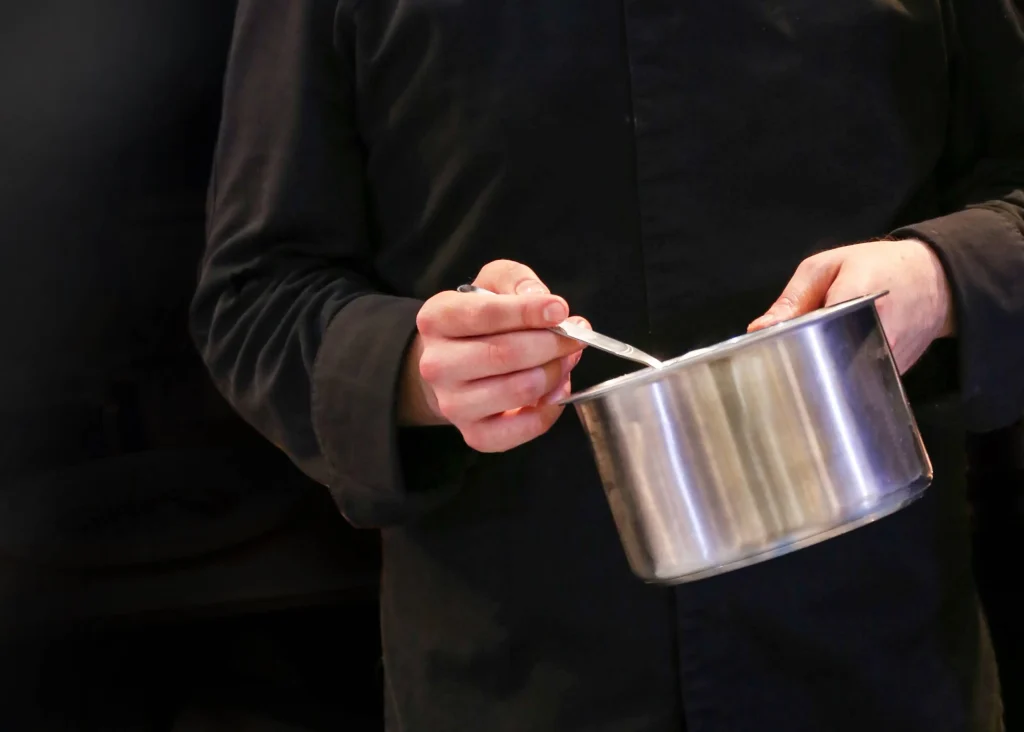
The Art of Cooking with a Saucepan Techniques and Tips
Cookware
KitchenGuidePro

What is Stainless Steel Cookware?

Stainless steel cookware has earned its place as a kitchen essential for both professionals and home cooks.
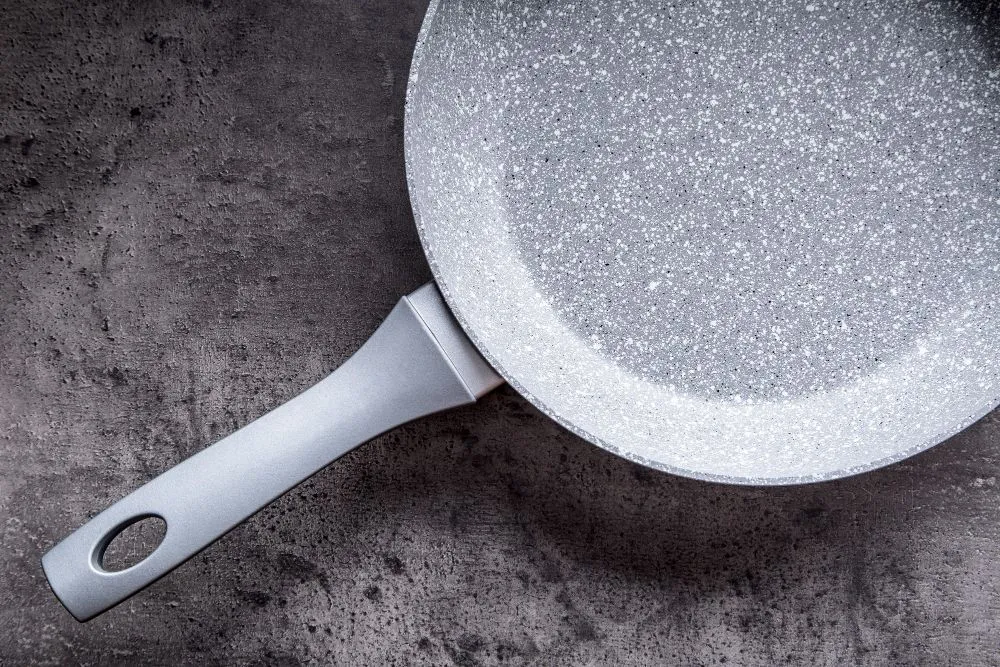
Is Granite Pan Safe
faqs
KitchenGuidePro

Is Granite Pan Safe?

Granite pans are generally safe for cooking, provided they are used at recommended temperatures and their non-stick coating is intact, minimizing the risk of chemical leaching.

Where to Buy Authentic Palm Restaurant Cookware
Blog
KitchenGuidePro

How Much Should a Cookware Set Cost?

The cost of a cookware set varies widely, typically ranging from under $100 for basic sets to over $300 for high-end options, depending on materials, brand reputation, and special features. Consider your cooking needs and budget to find the best value.