

Stock Pot vs. Steamer: What’s the Difference and Which One Do You Need?
Explore the differences between stock pots and steamers in our comprehensive guide. Understand their unique features, uses, and benefits to enhance your culinary experience.
KitchenGuidePro is a professional and experienced aluminum cookware factory, specializing in the production of high-quality aluminum cookware for both home and commercial use. With advanced production technology and strict quality control, we are able to produce a wide range of aluminum cookware with different sizes, coating and color.
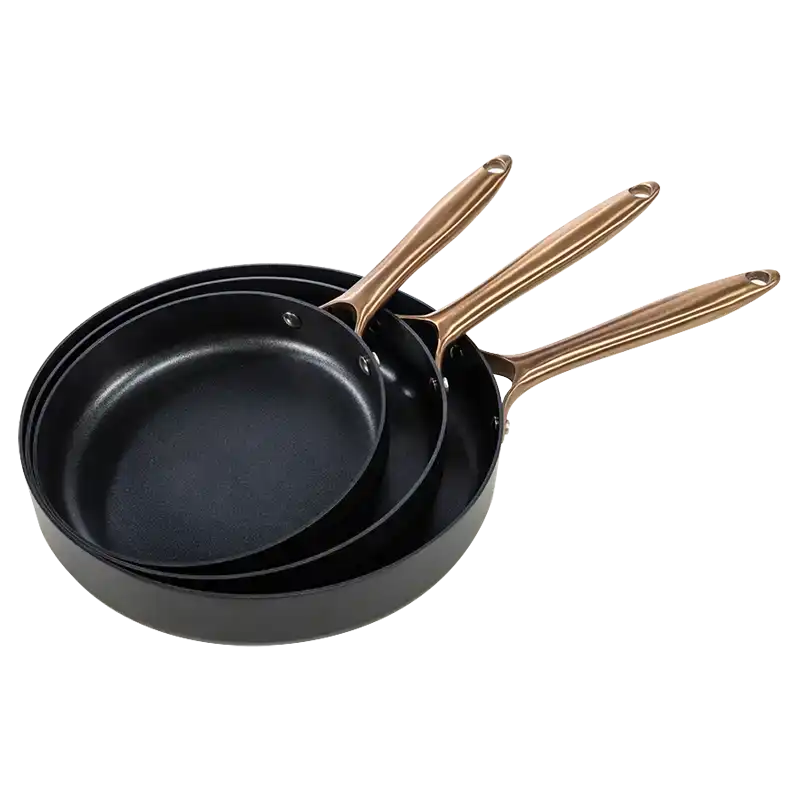
An aluminum frying pan is a lightweight cookware, ideal for frying, sautéing and browning.
Aluminum sauté pan excels in quick searing and sautéing tasks.
Aluminum saucepan is perfect for simmering, boiling, and making sauces.
Aluminum soup pot is designed for making soups and stews.
Aluminum divided frying pan allows cooking multiple ingredients simultaneously.
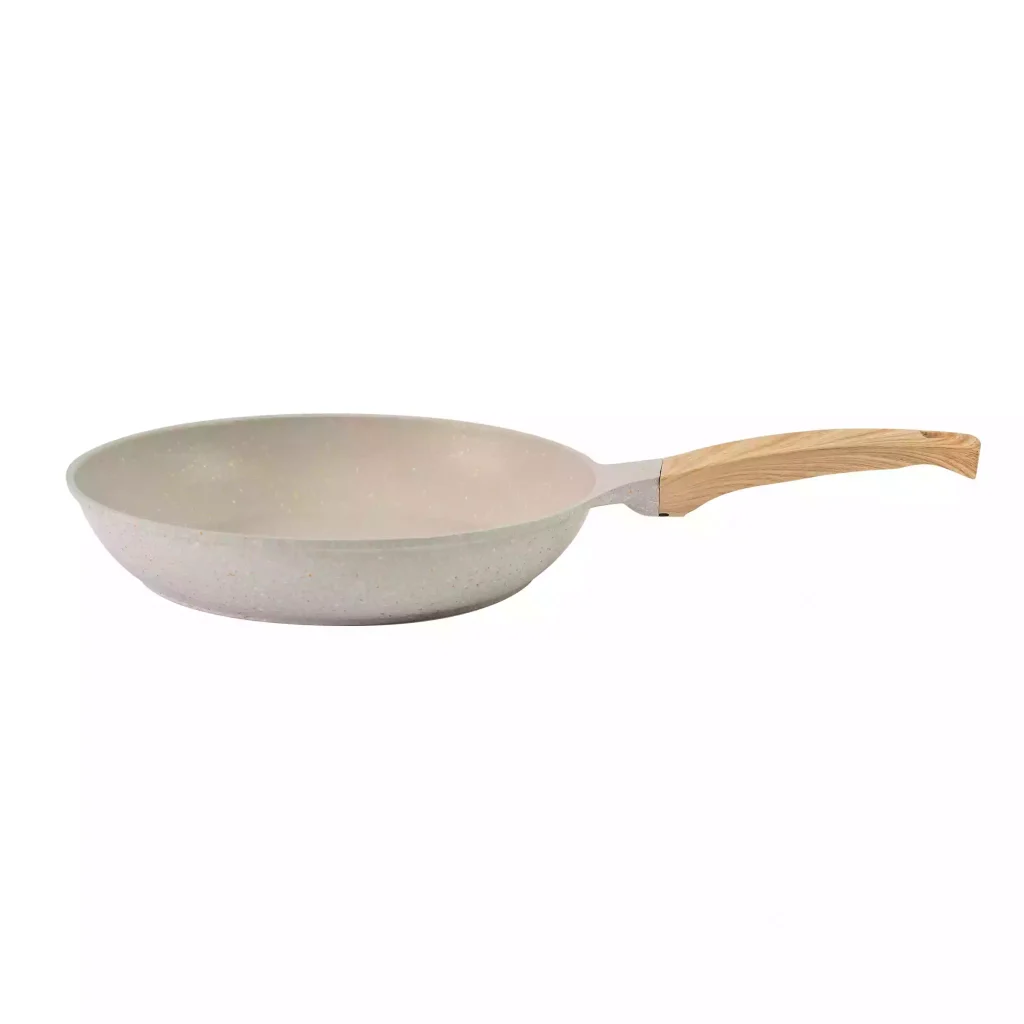
Stone-coating aluminum core frying pan offers non-stick performance, perfect for various cooking methods from frying to grilling.
Knowing the distinctions among various aluminum materials for cookware helps you select products that best meet your culinary needs, preferences, and budget, thereby enhancing your cooking experience and ensuring long-term value.
| Material | Pros | Cons |
|---|---|---|
| Pure Aluminum | Great heat transfer, economical | Lower durability, reactive |
| Anodized Aluminum | Non-reactive, tough, excellent heat transfer | More costly |
| Cast Aluminum | Hardy, retains heat well, non-reactive | Most expensive |
| Aluminum Alloy | Durability, heat conductivity, less reactive | Slightly pricier |
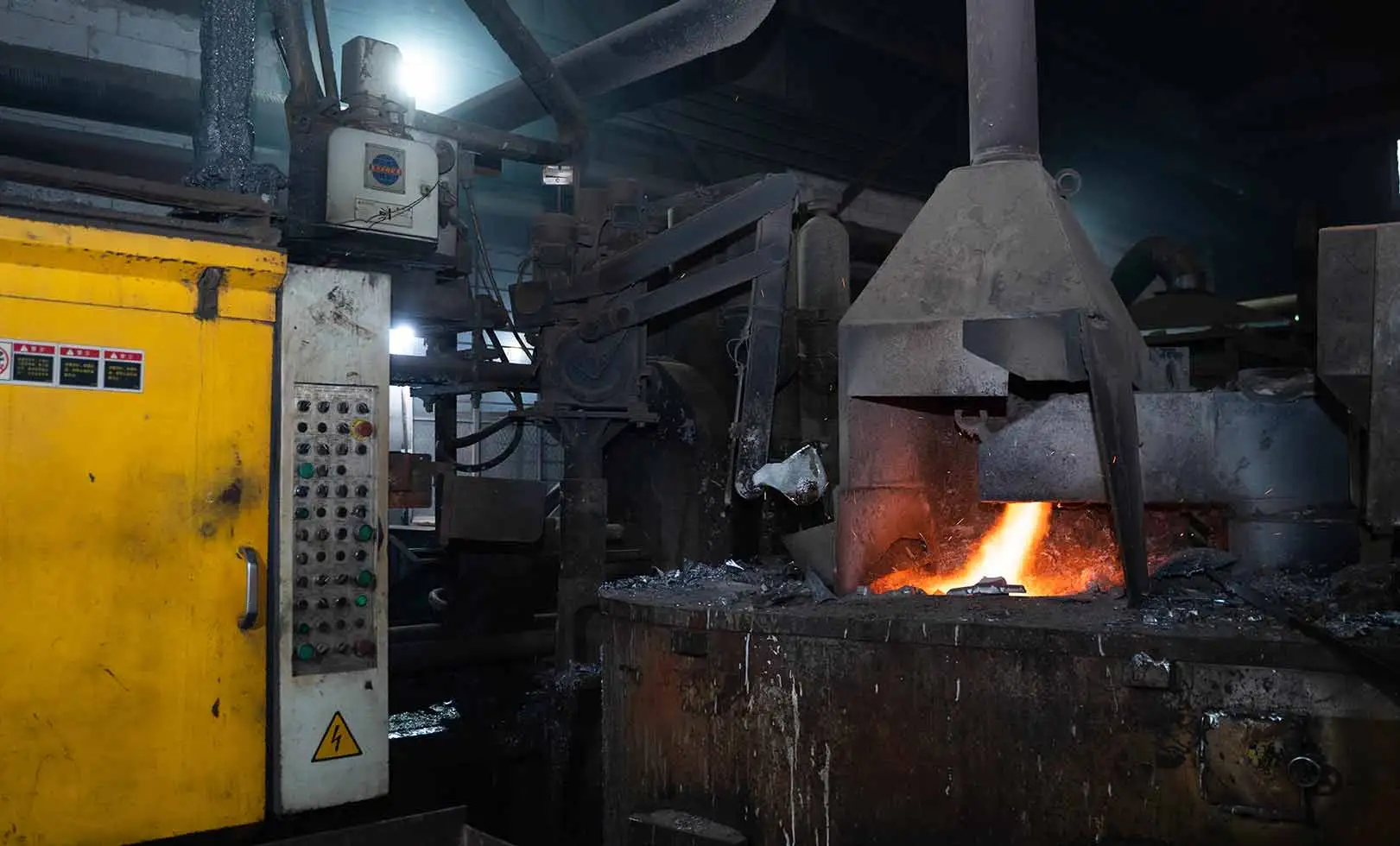
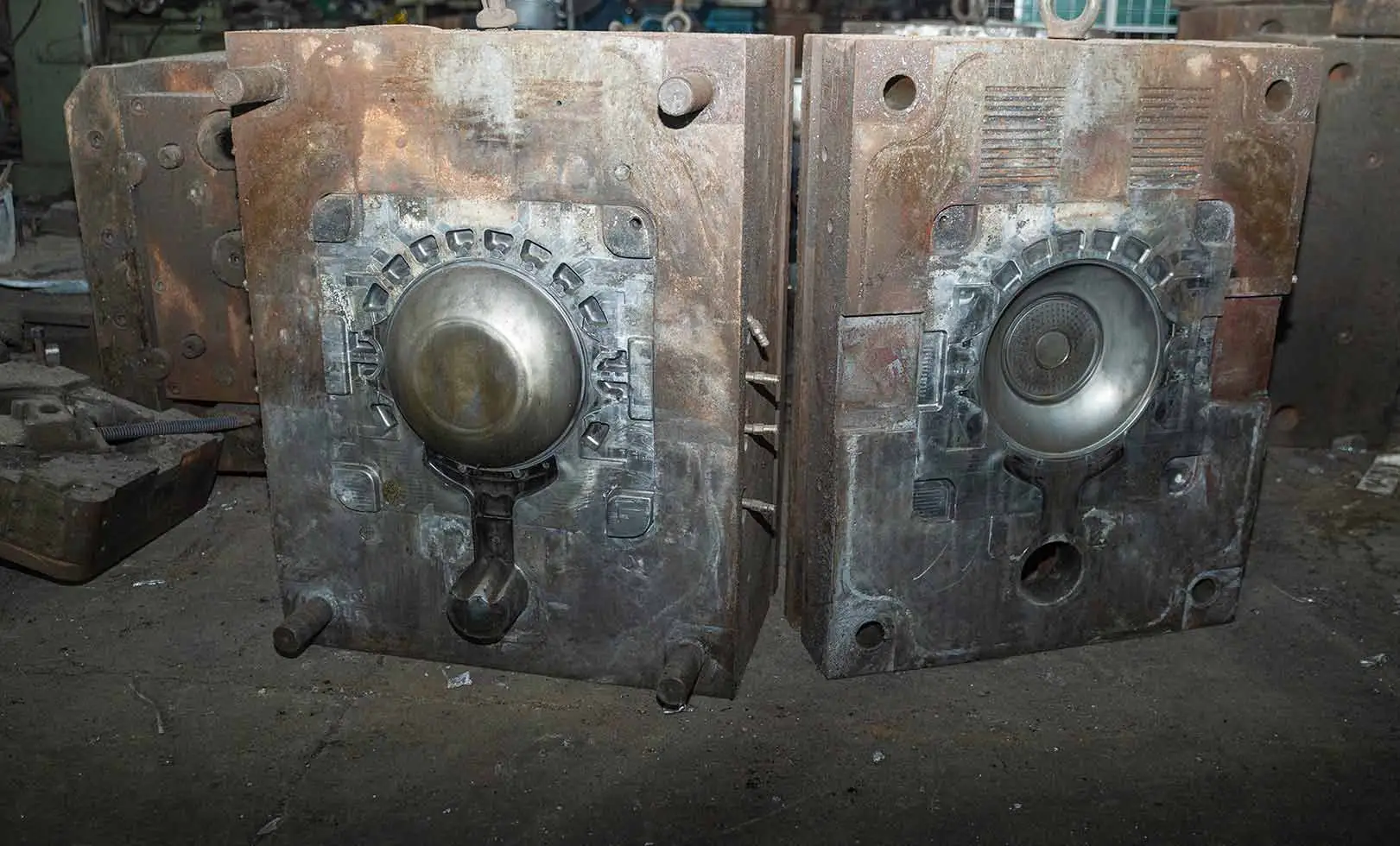
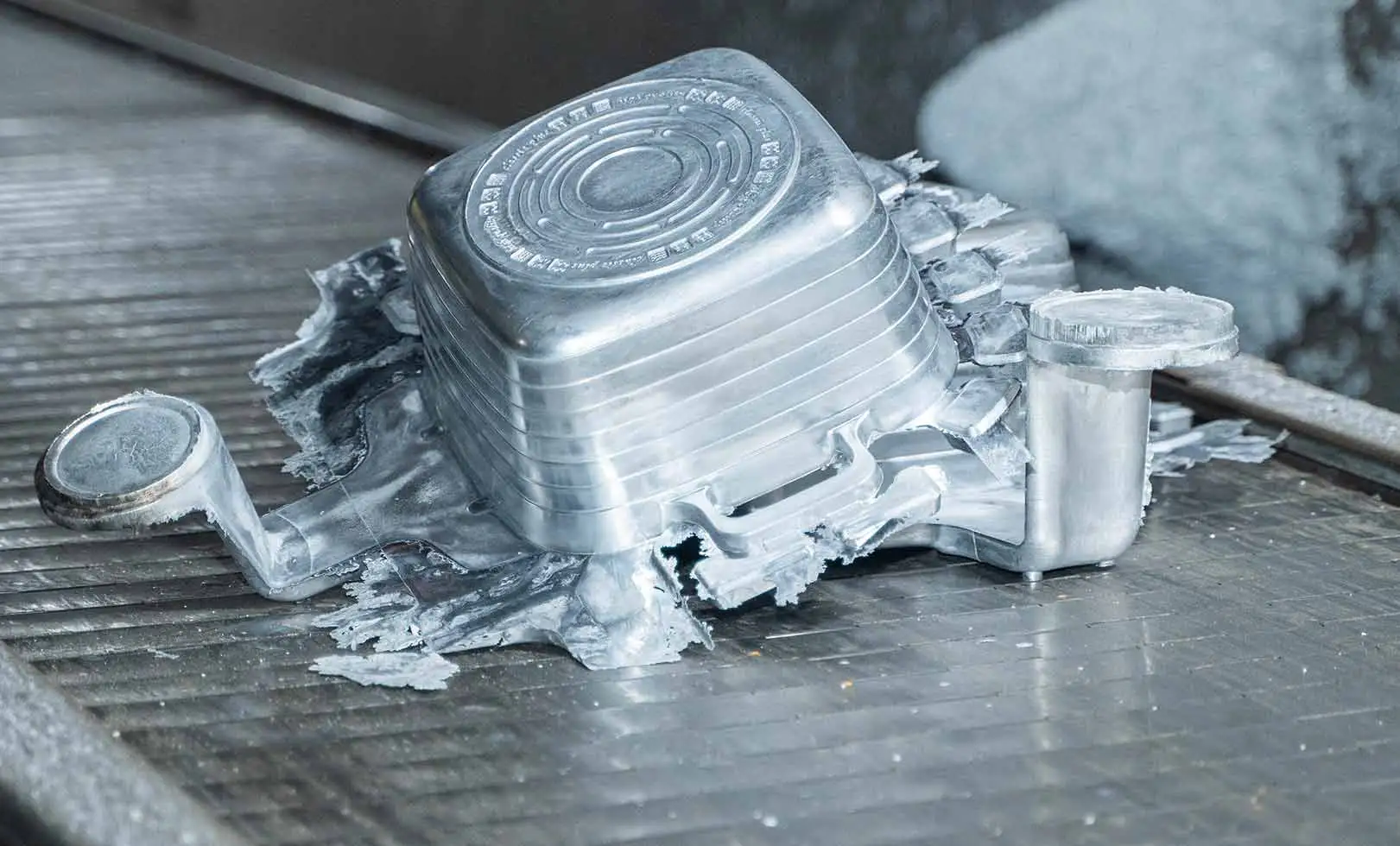
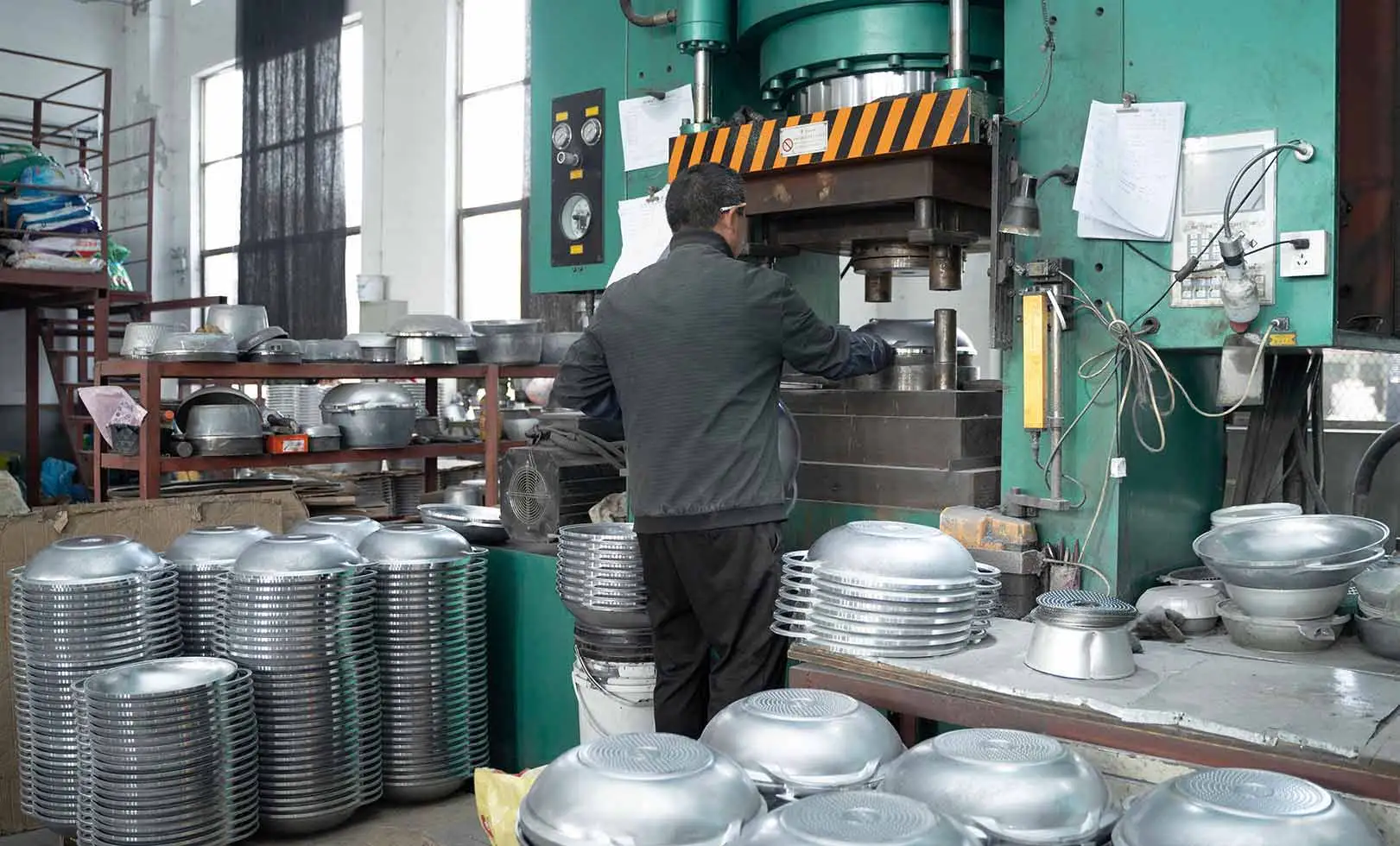
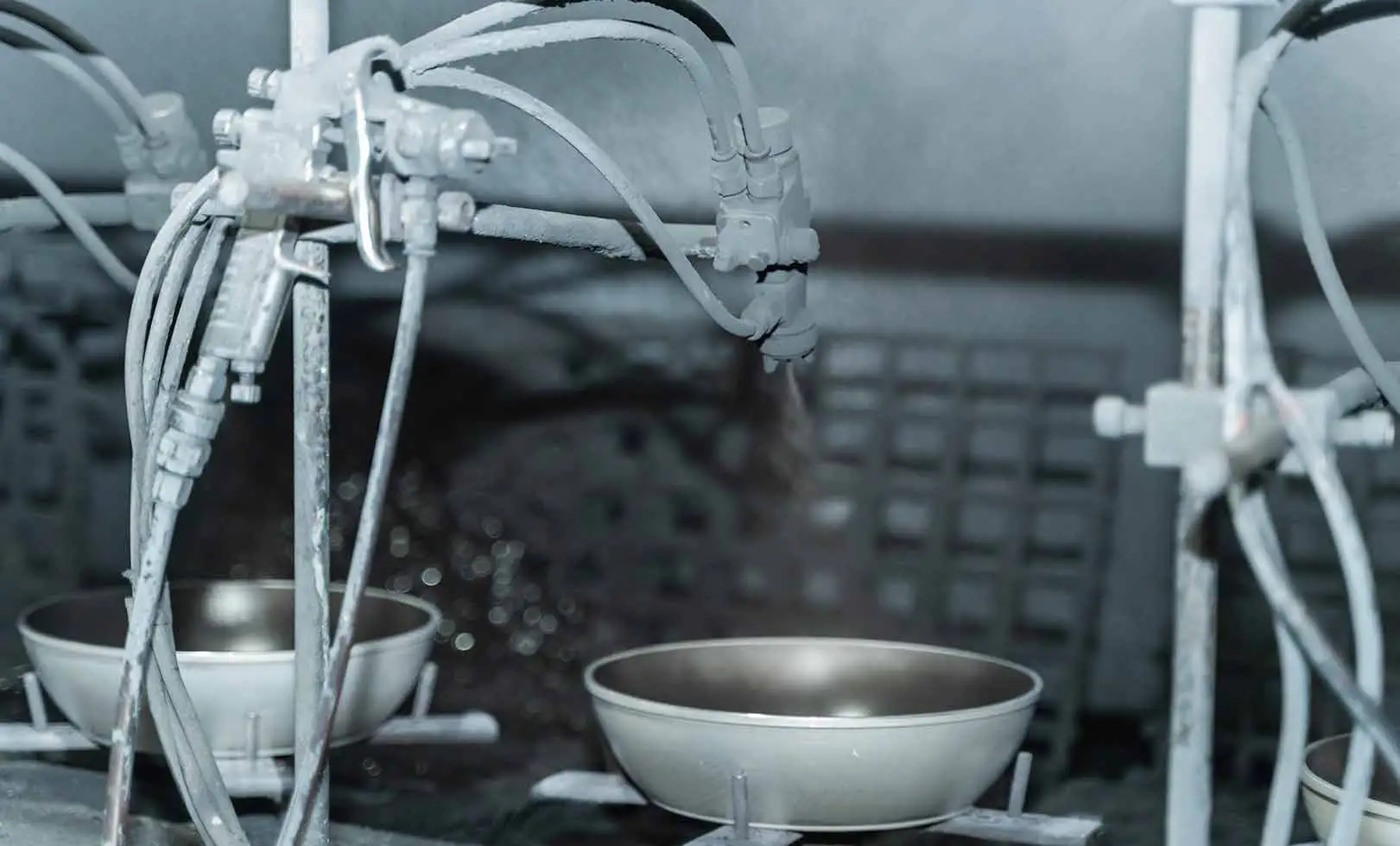
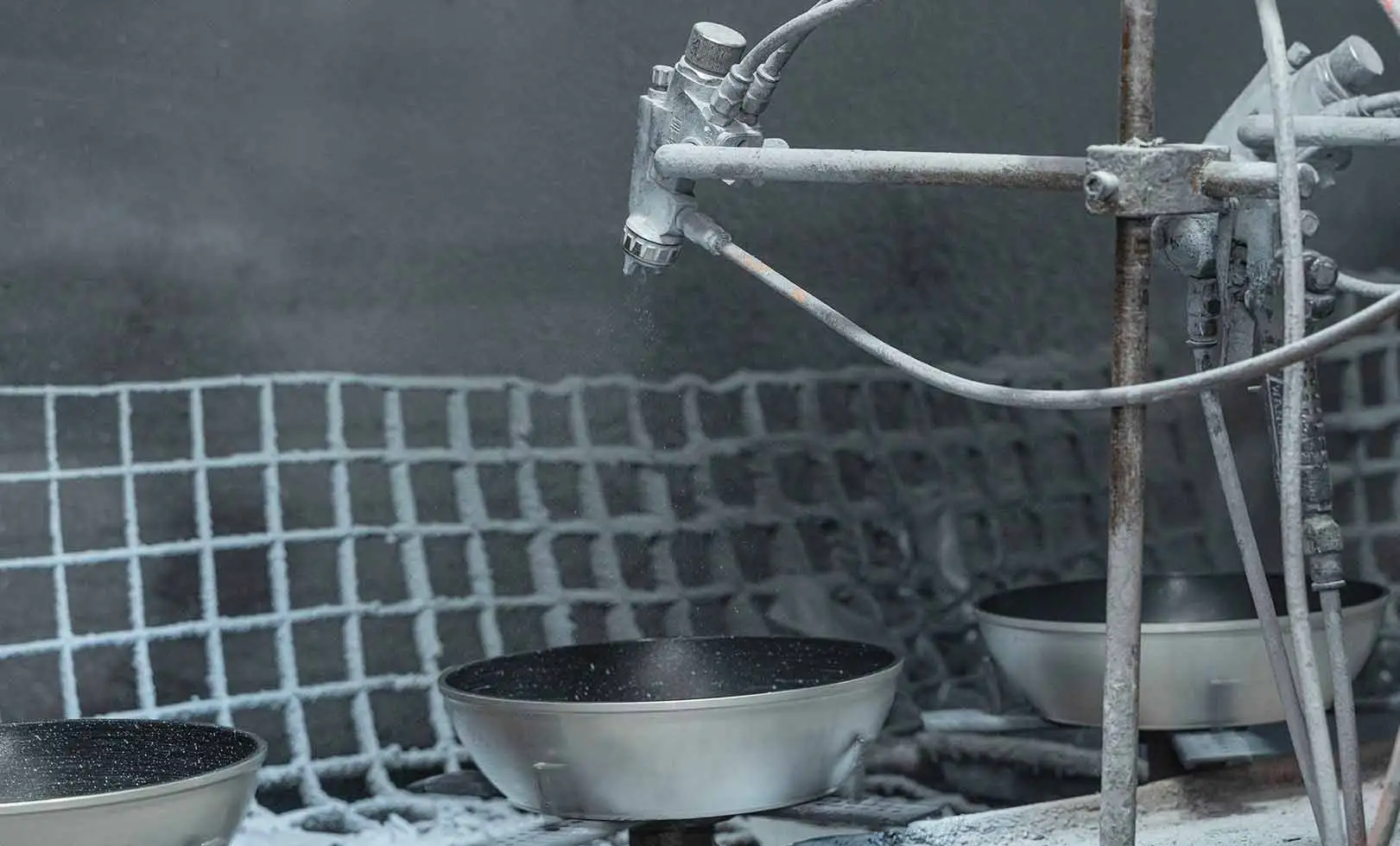
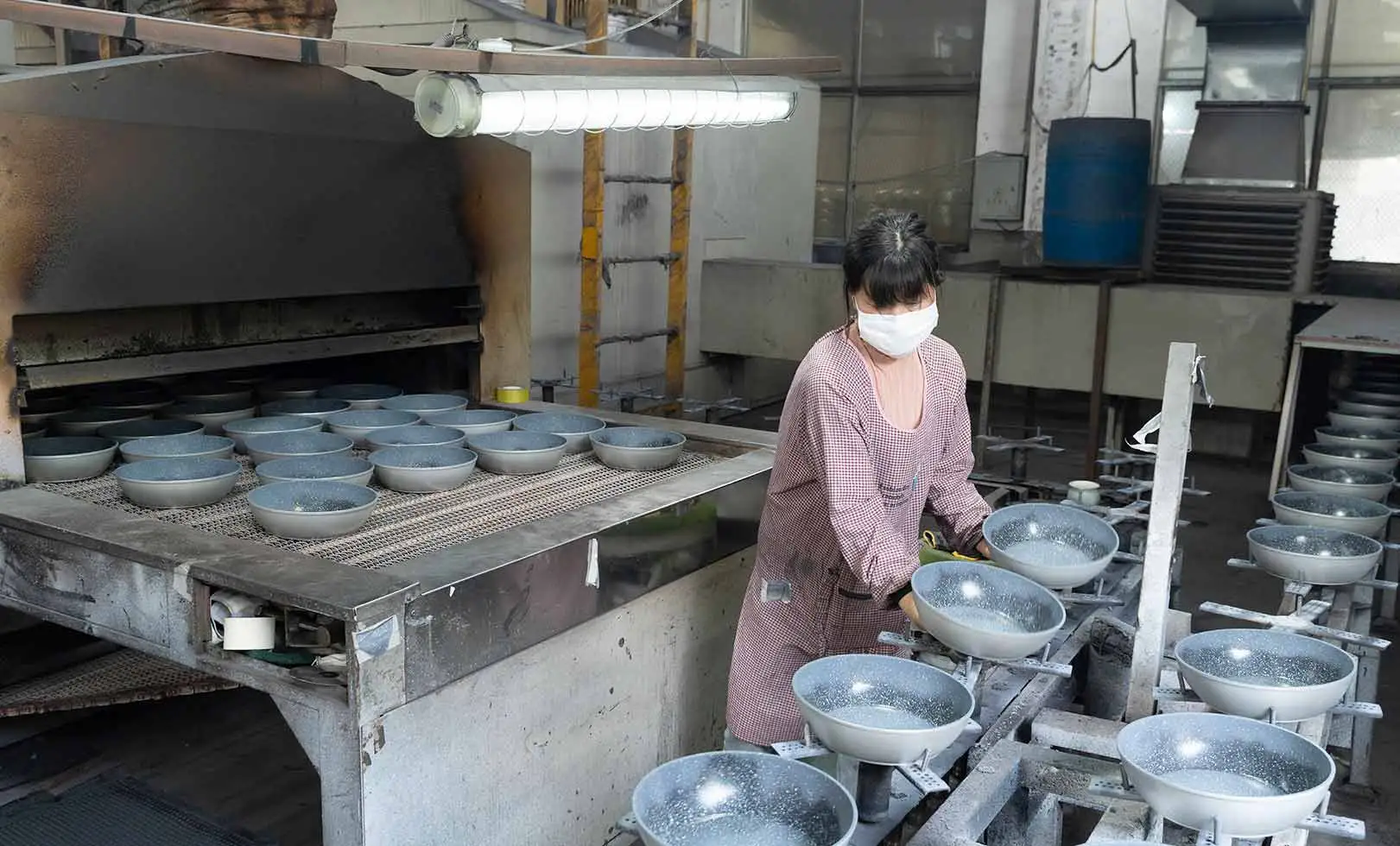
Discover the fascinating journey from raw aluminum to polished cookware. Our detailed guide will walk you through the intricate and meticulous process of manufacturing aluminum cookware, revealing the craftsmanship behind each piece.
At KitchenGuidePro, we prioritize environmental stewardship in our production processes. Here are eight crucial ways we integrate eco-friendly practices to minimize our ecological footprint.
Understanding the pros and cons of different cookware materials helps you make an informed choice for your kitchen needs, ensuring a seamless cooking experience.
| Material | Pros | Cons |
|---|---|---|
| Stainless Steel | Durable, non-reactive, easy to clean | Poor heat distribution |
| Cast Iron | Excellent heat retention, versatile, durable | Requires seasoning, heavy |
| Aluminum | Great heat conductivity, lightweight | Can warp over high heat, reactive |
| Copper | Perfect heat conductivity, responsive | Reactive, requires regular polishing |
Navigating the wide world of cookware can be complex. We’ve answered some common questions about aluminum pans below, covering their nature, safety, usage, and care, to help you make informed decisions.
An aluminum pan is a cooking vessel made from aluminum, a metal known for its excellent heat conductivity and lightweight nature.
Yes, it is generally safe to cook in aluminum pans. However, aluminum can react with acidic or alkaline foods which might cause the metal to leach into the food.
Both materials have their pros and cons. Aluminum pans offer better heat conductivity but can react with certain foods. Stainless steel pans are more durable and non-reactive, but don’t heat as evenly.
The main disadvantage is its reactivity to acidic and alkaline foods. It can also warp under high heat and scratch easily.
To prevent food from sticking, heat the pan before adding oil, then heat the oil before adding food. Avoid moving food too soon after it’s been added to the pan.
For regular cleaning, warm water and mild dish soap are usually sufficient. For stubborn stains, a mixture of vinegar and water, or baking soda and water, can be used.
Over time, exposure to heat, air, and food can cause a process known as oxidation, which may turn aluminum pans black. This is a normal process and doesn’t affect the pan’s functionality.

Explore the differences between stock pots and steamers in our comprehensive guide. Understand their unique features, uses, and benefits to enhance your culinary experience.

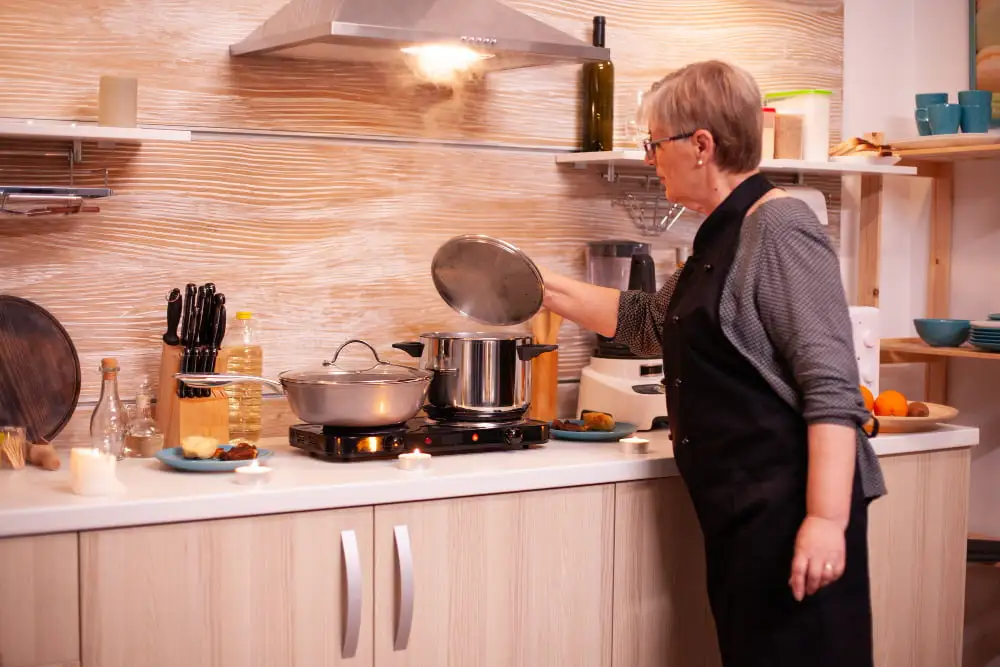
Explore the comprehensive guide to soup pots, their types, uses, maintenance, and more. Unlock delicious soups and meals with the right soup pot in your kitchen.

Discover the top four safest non-stick cookware options, learn how to choose the right one for your needs, and understand proper use and maintenance for long-lasting kitchenware.

Explore our comprehensive guide on woks. Learn about its history, different types, how to choose the right one for your kitchen, its uses, and some delicious wok recipes.

Discover the key differences between pots and pans in our comprehensive guide. Learn about various materials like nonstick, cast iron, and stainless steel, and how to choose the right cookware for every cooking method.

Discover everything you need to know about grill pans. Learn about types, how to use, how to clean, and the best cooking techniques to get that perfect sear.