
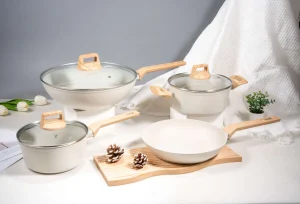
From Earth’s Cradle: The Age of Clay and Stone
Before the technological advancements of today, early civilizations relied heavily on the resources around them. One of the most profound examples lies in the cookware they crafted, primarily from clay and stone.
The Ubiquitous Clay Pots
From Africa’s expansive terrains to Asia’s lush landscapes, communities turned to the malleable nature of clay. Molding them into pots and pans, these weren’t just tools; they were expressions of culture, vital for communal feasts and ceremonies.
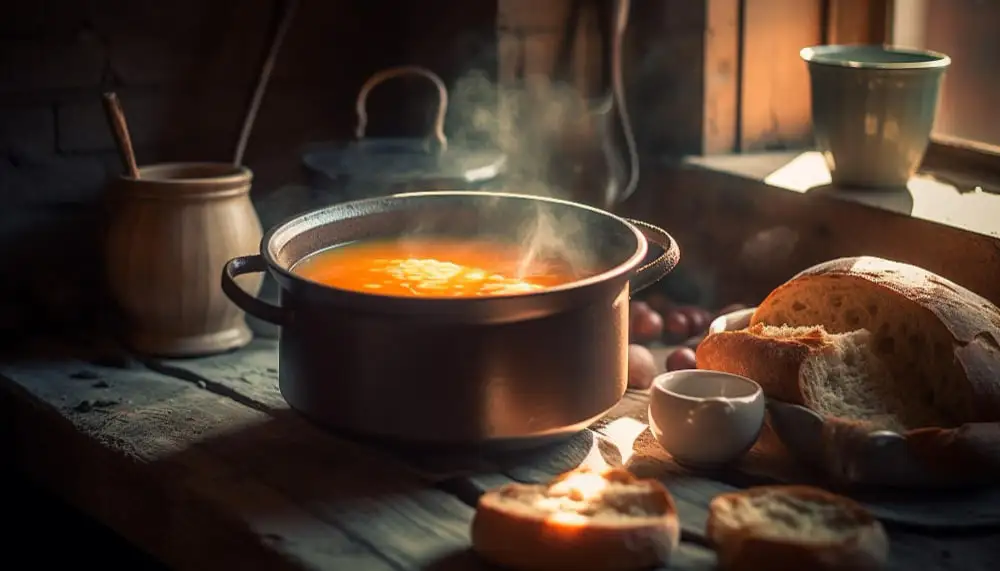
Sturdy Stone Implements
Where clay was scarce, stone made its mark. Its durability made it ideal for grinding grains and spices. Heated flat stones transformed into primitive cooktops, where early forms of bread and meats were introduced to fire. This reliance on stone revealed the ingenious adaptability of early humans.
The Bronze and Iron Ages: Metal Makes an Entrance
Long before our sleek stainless steel skillets and non-stick pans graced our stovetops, the advent of the Bronze and Iron Ages brought about a significant revolution in cookware. As societies transitioned from the Stone Age, the discovery and mastery of metals fundamentally reshaped not just weaponry and tools but also how we prepared our food.
Bronze: The Golden Transition
Bronze, an alloy primarily made of copper and tin, emerged as one of the earliest metals to be harnessed for cookware. Its superior heat conduction compared to stone or clay, coupled with its robustness, made it a favorite among ancient communities. It wasn’t just about functionality; bronze vessels, often ornately designed, became symbols of status, revealing much about the social dynamics of the time.
Iron’s Robust Entry
Following bronze, the smelting of iron represented a pivotal shift. Iron pots and pans, though heavier, brought unmatched durability and heat retention to the kitchen. This metal, abundant in nature, democratized cookware, making sturdy pots and pans accessible to many, not just the elite. Over time, the introduction of cast iron, especially, would come to be revered for its even heat distribution, setting the stage for many culinary innovations.
Both bronze and iron were more than mere materials. They were markers of progress, indicators of human ingenuity, and central players in the culinary evolution of societies across the globe. Their entrance into the world of cookware signaled a new era, one where meals could be crafted with greater precision and variety.
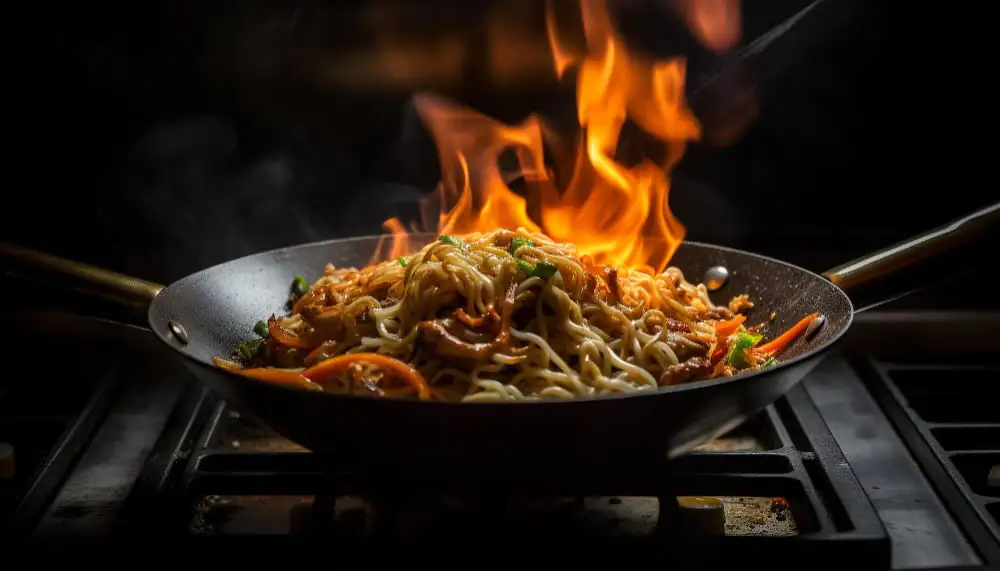
Asian Influence: Cast Iron and Ceramics
The vast and diverse landscapes of Asia, rich in culture and history, have given birth to culinary traditions that span millennia. Yet, beyond the flavors and techniques, Asian societies have also significantly influenced the very tools used to bring their delectable dishes to life: cast iron and ceramics.
Cast Iron: The Resilient Craft of China
China’s legendary cast iron woks have held a venerable spot in Asian kitchens for centuries. Originating during the Han dynasty, these weighty vessels became indispensable for stir-frying, deep-frying, and even steaming. Their ability to retain heat allowed chefs to cook at high temperatures, searing flavors and textures into every bite. Furthermore, seasoned over time with repeated use, these woks would develop a natural non-stick surface, marrying functionality with longevity.
Ceramics: Japan’s Artful Legacy
On the other end of the spectrum, the delicate beauty of Asian ceramics, especially from Japan, tells a tale of elegance and artistry. Pottery like the “donabe” or earthenware pot, renowned for its heat retention, was used for slow-cooking and communal meals. These ceramic vessels, often hand-painted with intricate designs, were as much about aesthetics as they were about utility. Each pot, plate, or bowl told a story, making every meal an experience of art and taste combined.
The Asian influence in cookware underscores the harmonious blend of form and function. Through cast iron’s resilience and ceramics’ grace, Asia has offered the world a timeless legacy that celebrates both culinary excellence and cultural richness.
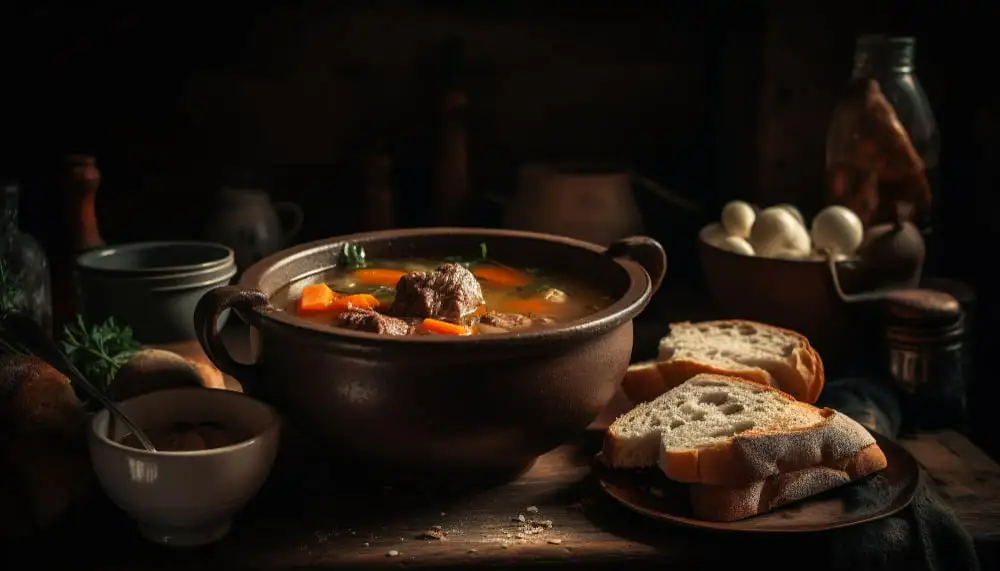
European Elegance: Copper and its Alloys
Europe, with its rich tapestry of history and culture, has always been at the forefront of innovation, especially in the culinary realm. Central to this culinary journey has been the use of metals, with copper standing out for its elegance and unmatched properties.
Copper: The Conductor of Culinary Precision
Copper pans, with their unmistakable reddish-gold hue, began gracing European kitchens in the 18th century. Preferred by chefs for its exceptional heat conductivity, copper offered unparalleled temperature control. This allowed for precise cooking, from delicate sauces to perfectly seared meats. Its reactive nature, however, meant that it often had to be lined with tin or, later on, stainless steel, merging the best of both materials.
Brass and Bronze: Alloys with an Aesthetic Edge
Beyond pure copper, Europe also embraced its alloys: brass and bronze. Brass, primarily a blend of copper and zinc, found its place in decorative kitchenware, thanks to its bright gold appearance. Bronze, combining copper with tin, had a sturdier feel, and was frequently employed in cookware handles, offering durability and an old-world charm.
The European preference for copper and its alloys is a testament to the continent’s emphasis on both form and function. Melding aesthetics with culinary precision, these metals have set the gold standard, quite literally, in kitchens across the globe.
Modern Marvels: Stainless Steel and Non-Stick
In the ever-evolving world of cookware, two materials have recently taken center stage: stainless steel and non-stick surfaces. These innovations, a result of the 20th century’s technological advances, have transformed kitchens, blending modern convenience with dependable performance.
Stainless Steel: The Durable Dynamo
Stainless steel burst onto the culinary scene in the early 1900s, rapidly gaining popularity for its rust-resistant and durable nature. A blend of iron, carbon, and chromium, stainless steel pans not only offer longevity but also a sleek, polished look. Their non-reactive nature makes them suitable for cooking various foods without altering taste or color, solidifying their place in professional and home kitchens alike.
Non-Stick: The Effortless Expert
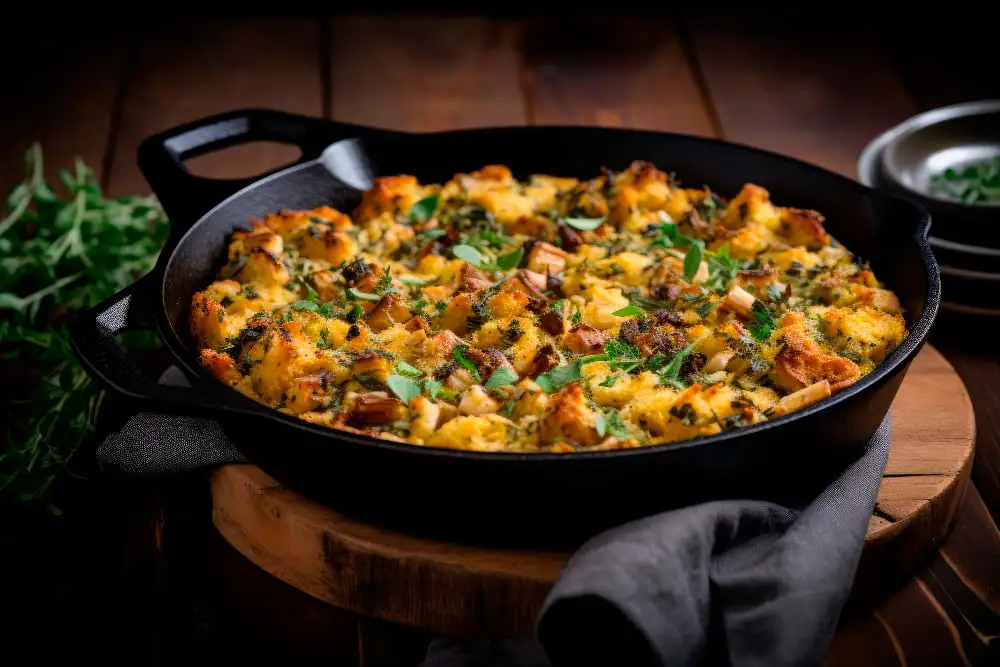
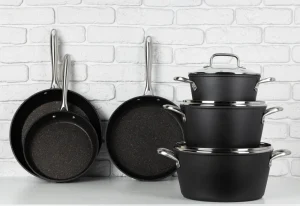
With the latter half of the 20th century came the rise of non-stick pans, a game-changer for chefs and home cooks. These pans, often coated with materials like Teflon, promised and delivered on the dream of hassle-free cooking and cleaning. From the perfect sunny-side-up eggs to golden-brown pancakes, non-stick surfaces have made cooking more accessible to many, without the worries of food sticking or burning.
Today’s kitchen boasts a harmonious blend of the traditional and the modern. While stainless steel offers reliability and elegance, non-stick ensures simplicity and ease, marking a dynamic era in the world of cookware.
Eco-Friendly Future: Green Materials on the Horizon
In today’s eco-conscious society, sustainable living isn’t just a trend—it’s a commitment. The culinary world is no exception, as the demand for environmentally-friendly cookware steadily rises. Kitchen enthusiasts and professional chefs alike now prioritize both the quality of their dishes and the impact of their tools on the planet.
Biodegradable Cookware: Back to Basics
The quest for green solutions has led innovators back to nature. We’re seeing a resurgence of organic materials like bamboo and natural clay, not only for their biodegradable qualities but also for the unique flavors they introduce to dishes. With minimal environmental footprints, these materials cater to a growing niche of eco-aware cooks.
Recyclable Metals: A Circular Approach
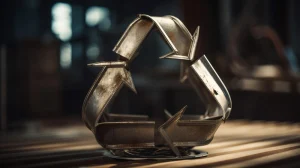
A shift towards sustainable cookware also means rethinking metals. Aluminum and stainless steel, both recyclable, have gained traction. The idea is simple: once the pan or pot reaches the end of its lifespan, it enters a recycling process, reducing waste and promoting resource conservation.
Non-Toxic Non-Stick: Safety First
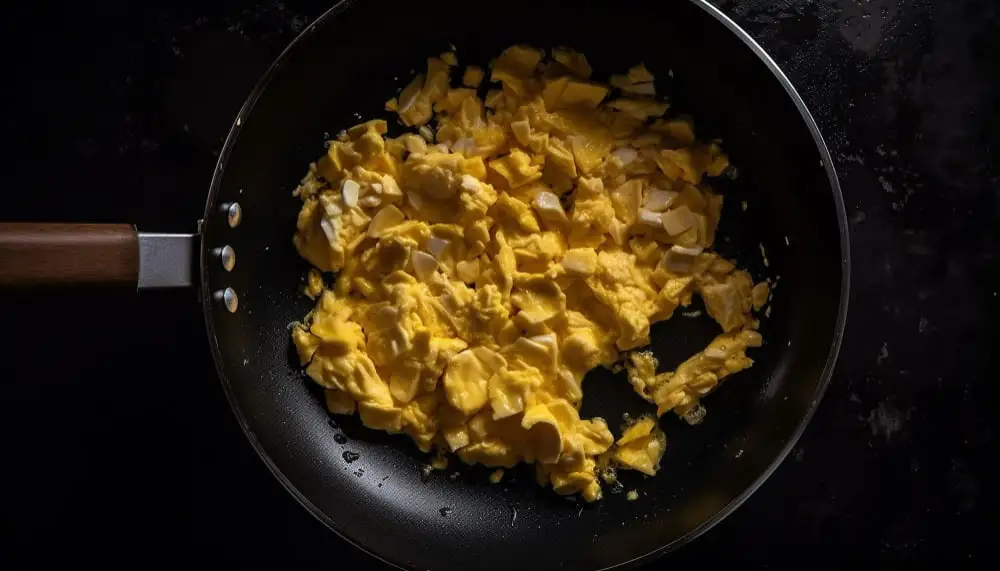
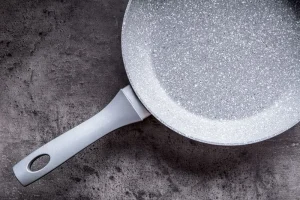
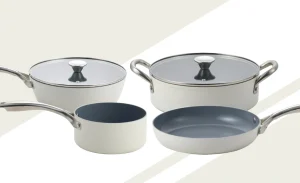
The non-stick revolution, while celebrated for its convenience, raised eyebrows with potential health risks linked to certain coatings. Modern solutions, however, prioritize health alongside sustainability. Innovations like ceramic-coated pans offer the ease of non-stick without harmful chemicals, aligning with the green movement.
The horizon in the cookware realm is undeniably green. As manufacturers and consumers become more eco-aware, the intersection of culinary excellence and environmental responsibility becomes clearer, paving the way for a more sustainable future in our kitchens.
In Conclusion
Tracing the journey of cookware materials provides a fascinating glimpse into human innovation and our relationship with food. From the primitive embrace of clay and stone to the gleaming promise of stainless steel, and now towards a sustainable, eco-friendly future, our culinary tools have evolved in tandem with our societies. Just as our ancestors sought the best materials to enhance their cooking, today’s chefs and home cooks prioritize both functionality and environmental responsibility. The history of cookware isn’t just about pots and pans; it’s a testament to our ever-evolving desires and adaptability. As we look forward, it’s exciting to imagine what the next chapter of cookware innovation will bring.