
Table of Contents
Ah, pancakes! Those fluffy, golden discs of breakfast delight that have brought smiles to faces young and old for generations. From the sweet drizzle of maple syrup to the comforting aroma of butter melting on its surface, pancakes are more than just a dish—they’re an emotion, a cherished memory, and a morning ritual for many.
But while the batter might be the soul of a pancake, the pan it’s cooked on plays an equally pivotal role in shaping its destiny. A good pancake is a blend of the right ingredients and the perfect equipment. And that’s where our focus lies today: the pancake pan.
Pancake Pan: More Than Just Another Kitchen Utensil
Have you ever wondered why some pancakes are evenly browned while others sport a patchy look? Or why certain pancakes rise to fluffy perfection whereas others remain sadly flat? The secret often lies in the pan.
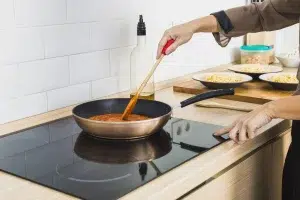
A pancake pan is not just another pan in your kitchen; it’s a tool designed with precision to give those pancakes the environment they need to rise, brown, and slide off effortlessly. Whether you’re a weekend breakfast warrior or someone who flips pancakes daily, understanding the importance of the right pancake pan is crucial.
Imagine crafting a canvas for your artwork. Would any cloth do? No, you’d want the best canvas that holds the paint well and complements your brush strokes. Similarly, for pancakes, their canvas is the pan. It’s a silent partner, working in the background, ensuring every pancake you flip is a piece of art, both in taste and appearance. So, let’s delve deeper and discover the world of pancake pans, where the magic truly begins.
History of the Pancake Pan
Pancakes, believe it or not, have a rich tapestry of history that intertwines with the evolution of cooking tools. Their story isn’t just about a delicious breakfast treat, but also about the development of a culinary tool that has seen countless sunrises, adapting and evolving through time.
From Ancient Civilizations to Modern Kitchens
Long before the term “pancake pan” was coined, ancient civilizations were flipping their versions of pancakes using primitive flat stones and rudimentary griddles. The Greeks and Romans enjoyed their pancakes, or “tagenites” and “alita dolcia” respectively, using these simple cooking surfaces.
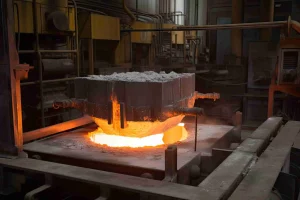
As centuries passed and metallurgy advanced, these stones gave way to metal pans. The medieval Europeans, for instance, had their “pancakian,” a precursor to our modern pancake, cooked in cast iron skillets over open flames. These pans were heavy, durable, and retained heat well, making them ideal for creating a consistent pancake.
The journey of the pancake pan is also one of innovation. With the advent of the Industrial Revolution, mass production made it possible for various materials, designs, and non-stick technologies to emerge. This was a game-changer! No longer were pancakes reserved for those skilled enough to prevent them from sticking; now, anyone could achieve the perfect flip with ease.
Today, our modern kitchens boast pancake pans of various sizes, materials, and designs, each optimized for performance and convenience. From Teflon-coated non-stick pans to sleek stainless steel varieties, the pancake pan’s journey reflects human innovation and our never-ending love for a well-made pancake.
In essence, the pancake pan’s story is not just about a tool, but also about human ingenuity, our passion for food, and the lengths we’ve gone to perfect a beloved dish. Every time we pour batter onto that pan, we’re participating in a tradition that spans millennia, and that’s truly something special.
Key Features of Pancake Pans
Pancakes might seem like a simple dish, but the pan used to make them is the result of centuries of culinary refinement. From its flat surface to the ergonomically designed handles, each feature has a specific purpose aimed at making your pancake-making session smooth and enjoyable.
Flat, Even Surface
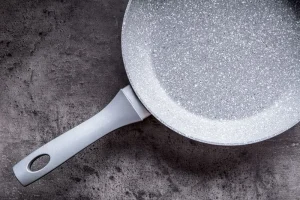
The primary hallmark of a pancake pan is its flat and even surface. This design ensures that the batter spreads uniformly, leading to consistently cooked pancakes. A flat surface means no unexpected thick or thin spots, resulting in that perfect golden-brown finish we all crave. It’s the difference between pancakes that are unevenly cooked and ones that boast a uniform texture and color.
Material Matters
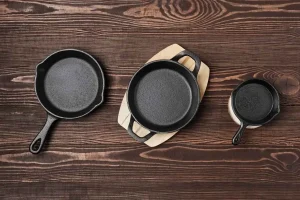
When it comes to pancake pans, the material is crucial. Historically, cast iron was the favorite, known for its heat retention and durability. While many still swear by their cast iron skillets for pancakes, the modern kitchen has seen a variety of materials make their entrance.
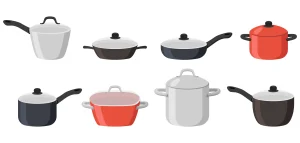
Non-stick surfaces, for instance, have become widely popular. They reduce the need for excessive butter or oil and ensure that pancakes slide right off the pan. Materials like aluminum, on the other hand, are known for their fast and even heating, leading to quicker cooking times. And then there are stainless steel pans, celebrated for their longevity and resistance to wear and tear. Each material offers a unique set of benefits, catering to different needs and preferences.
The Role of the Handle
While it might seem secondary, the handle of a pancake pan plays an essential role in the cooking process. An ergonomically designed handle provides a comfortable grip, essential for that perfect pancake flip. Furthermore, it’s about safety. A well-designed handle remains cool to the touch, preventing accidental burns. And let’s not forget control. A sturdy handle allows for precision, ensuring your pancakes land right where you want them: back in the pan, ready for another side of golden perfection.
In a nutshell, while the pancake batter is vital, the pan’s features are equally crucial. It’s a synergy of the right ingredients and the right equipment that leads to pancake perfection.
Benefits of Using a Pancake Pan
There’s something special about waking up to the aroma of freshly-made pancakes. It’s a delightful breakfast option beloved by many. But to get that restaurant-quality consistency and taste at home, the right pan makes all the difference. Here’s why every pancake enthusiast should consider investing in a dedicated pancake pan.
Consistency in Every Batch
We’ve all been there: making one pancake that’s thick and fluffy, only to end up with the next one being thin and uneven. The pancake pan, with its flat and even surface, ensures that every pancake you pour onto its surface has the same thickness and texture. This uniformity isn’t just about aesthetics; it means each pancake cooks at the same rate, ensuring a consistent taste and texture throughout the batch. No more guessing games or having a mix of undercooked and overcooked pancakes. Every piece turns out just right.
Versatile Cooking
While the name suggests its sole use is for pancakes, a pancake pan is a versatile tool in the kitchen. Its design makes it suitable for a range of dishes. Ever tried making a crepe? The flat surface is perfect for spreading a thin batter. What about a delightful grilled cheese sandwich? The even heating ensures a crispy, golden exterior with perfectly melted cheese inside.
In essence, owning a pancake pan is like having a Swiss Army knife in your culinary toolkit. It’s designed for pancakes but proves itself useful in various cooking scenarios. So, even if you’re not flipping pancakes daily, this pan can be your go-to for several other delightful dishes.
Myths and Realities
Every product that garners attention also attracts a fair share of myths. Pancake pans are no different. As pancake enthusiasts, it’s vital to separate the grain from the chaff and understand what’s real and what’s mere speculation or outdated information. Let’s set some records straight.
The Non-Stick Surface Controversy
One of the most debated topics in the world of cookware is the safety and durability of non-stick surfaces. It’s been said that they release harmful chemicals when overheated, or that their coating wears off quickly. But here’s the reality: Modern non-stick coatings have come a long way. Most quality non-stick pans today are free from harmful chemicals like PFOA. They’re designed to be safe even if momentarily overheated.
However, longevity is where care comes in. Using metal utensils or cleaning with abrasive materials can degrade the non-stick layer over time. So, while these pans are indeed durable, treating them with care can ensure they remain effective for years.
Pan Thickness and Heat Distribution
A common notion is that a thicker pan translates to better and more evenly cooked pancakes. But is this always true? The thickness of the pan does play a role in heat retention, which can be beneficial for consistent cooking. However, it’s the material of the pan and its ability to distribute heat evenly that’s more crucial.
For instance, cast iron pans are thick and retain heat well, but they might not distribute heat as evenly as a thinner aluminum or copper-based pan. On the other hand, too thin a pan can lead to hot spots, causing parts of your pancake to burn while other sections remain undercooked.
The key is finding a balance. It’s not about the thickest pan but the one that combines material and design to offer even heat distribution, ensuring perfect pancakes every time.
Maintenance and Care
Your pancake pan, like all cherished items in the kitchen, needs a bit of love and care. Proper maintenance doesn’t just ensure that the pan lasts longer, but also that it continues to deliver perfect pancakes with each use. Let’s delve into some essential care tips.
Cleaning Do’s and Don’ts
Cleaning your pancake pan correctly can significantly extend its lifespan and maintain its pristine cooking surface. Here’s how:
Do:
- Wash by hand: Though some pans claim to be dishwasher-safe, hand washing is gentler and can help retain the pan’s coating.
- Use soft sponges or cloths: These won’t scratch or damage the surface.
- Wait for the pan to cool: Before washing, let the pan cool down to room temperature. Sudden temperature changes can warp the pan.
Don’t:
- Avoid abrasive scrubbers: Steel wool or abrasive scouring pads can strip away the non-stick layer or scratch the pan’s surface.
- Skip the dishwasher detergents: These can be too harsh for some non-stick surfaces.
- Don’t soak for too long: Especially if your pan has wooden or non-waterproof elements.
Storage and Handling
How you store your pancake pan when it’s not gracing your stove is equally important.
- Use pan protectors: If you stack your pans, consider using pan protectors or soft cloths between them to prevent scratches.
- Store in dry places: Moisture can damage certain materials, like cast iron, leading to rust. Ensure your pan is thoroughly dry before storing.
- Handle with care: While this might sound obvious, it’s worth repeating. A good pancake pan is sturdy but should still be handled with care to avoid dents or warping. Avoid using it as a tool for other kitchen tasks; it’s a pan, not a hammer!
With these care guidelines, your pancake pan will be a trusty companion in your kitchen for many breakfasts to come.
Buying Guide: Picking the Best Pancake Pan
Choosing the right pancake pan is essential to achieve that golden-brown perfection. It’s not just about buying a pan, but about investing in countless delightful mornings. So, let’s help you make the best choice tailored to your needs.
Size and Thickness
The size of the pancake pan you choose plays a pivotal role in determining the number and size of pancakes you can cook at once.
Individual vs. Family-sized: If you’re typically cooking for one, a smaller pan may suffice. But for families or gatherings, consider a larger pan to cook multiple pancakes simultaneously.
Thickness matters: The thickness of your pancake pan influences heat distribution. While a thicker pan retains heat better and provides a more even cooking surface, it may take longer to heat up. Meanwhile, thinner pans heat quickly but may have hotspots. Determine what’s more important for your cooking style.
Non-Stick vs. Traditional: Which is Right for You?
Both non-stick and traditional pans have their fans. Here’s a breakdown to help you decide:
Non-Stick Pans:
- Pros: Easy to clean; requires less oil, ensuring healthier pancakes; perfect for beginners as the batter doesn’t stick.
- Cons: May wear out over time; potential health concerns with certain coatings; usually not suitable for high-heat cooking.
Traditional Pans (like cast iron or stainless steel):
- Pros: Highly durable; can handle high heat; offers a unique flavor profile as it seasons over time (especially cast iron).
- Cons: Requires more oil or butter to prevent sticking; may need occasional seasoning (for cast iron); can be heavier and harder to handle.
In the end, your choice between non-stick and traditional comes down to your cooking preferences, maintenance willingness, and health considerations. Remember, the best pan is the one that meets your needs and makes your pancake-making experience a joy.
FAQs: Pancake Pan Queries Served Hot!
Navigating the pancake pan realm can lead to some questions. Here are answers to some of the most commonly asked queries.
How is a pancake pan different from a griddle?
A pancake pan is typically a round pan with sides, designed specifically for making pancakes. Griddles, on the other hand, are often larger, flat surfaces with no sides, suitable for cooking multiple pancakes simultaneously, as well as other breakfast foods like bacon or sausages.
Can I make crepes in a pancake pan?
Absolutely! While there are pans specifically designed for crepes (they have very low sides to make flipping easier), a pancake pan can work just as well, especially if it has a non-stick surface. Just ensure you spread the batter thinly for that perfect crepe consistency.
Why are some pancake pans dimpled or have patterns?
Dimpled or patterned pans serve two purposes:
- Aesthetics: They can leave a decorative imprint on the pancake.
- Even Cooking: Dimples can help in even distribution of heat, leading to uniformly cooked pancakes.
How often should I replace my pancake pan?
The lifespan of a pancake pan depends on its material and usage. Non-stick pans might require replacement every 3-5 years, especially if the coating starts to wear off or chip. Traditional pans like cast iron, if maintained properly, can last a lifetime.
Are pancakes better in cast iron or nonstick?
Both cast iron and nonstick pans have their merits:
Cast Iron: Provides even heat distribution, can achieve a crispy pancake exterior, and adds a distinct flavor over time as the pan becomes seasoned. It’s durable and can be passed down generations.
Nonstick: Easier for beginners, requires less oil, ensures pancakes don’t stick, and offers a quick and easy cleanup.
Your preference will depend on the pancake texture you love and how much effort you’re willing to invest in maintenance.
What pan material is best for pancake?
The best material depends on individual preference. Nonstick is great for ease and convenience, while cast iron offers durability and a distinct flavor. Aluminum heats up quickly, and stainless steel, when used with a bit of oil or butter, can provide a crispy finish. Consider what’s most important for your cooking style and needs when making a choice.
Conclusion: Perfect Pancakes Await!
Embarking on the delightful journey of making pancakes is akin to embracing a world of flavor, tradition, and warmth.
Embrace the Art of Pancake Making
With the right pan in hand and a heart full of enthusiasm, the art of pancake making becomes not just about feeding the belly but also the soul. Every flip, every sizzle is a step closer to that perfect pancake stack. So, armed with the wisdom from this guide, venture forth into the kitchen, and let those golden delights tell their own delicious story. Happy pancake flipping! 🥞🌟