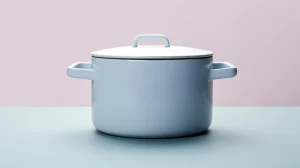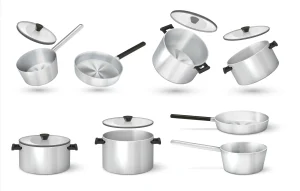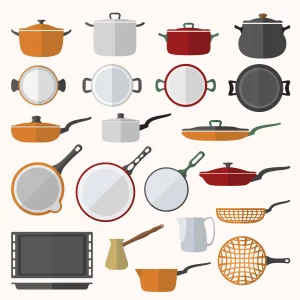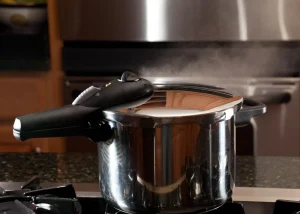

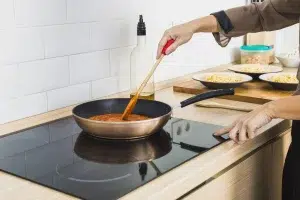
Induction cooking has swiftly risen to prominence in contemporary kitchens, heralded for its efficiency and precision. Unlike traditional gas or electric stovetops, induction cooktops require a unique kind of cookware to function correctly. Let’s delve into why this special cookware is essential and how it seamlessly collaborates with your induction cooktop to make your culinary adventures nothing short of spectacular.
The Science of Induction Cooking
Understanding the mechanics behind induction cooking can enhance one’s appreciation for its effectiveness. At the core of this technology lies the intriguing interplay between electricity and magnetism.
How Induction Cooktops Work
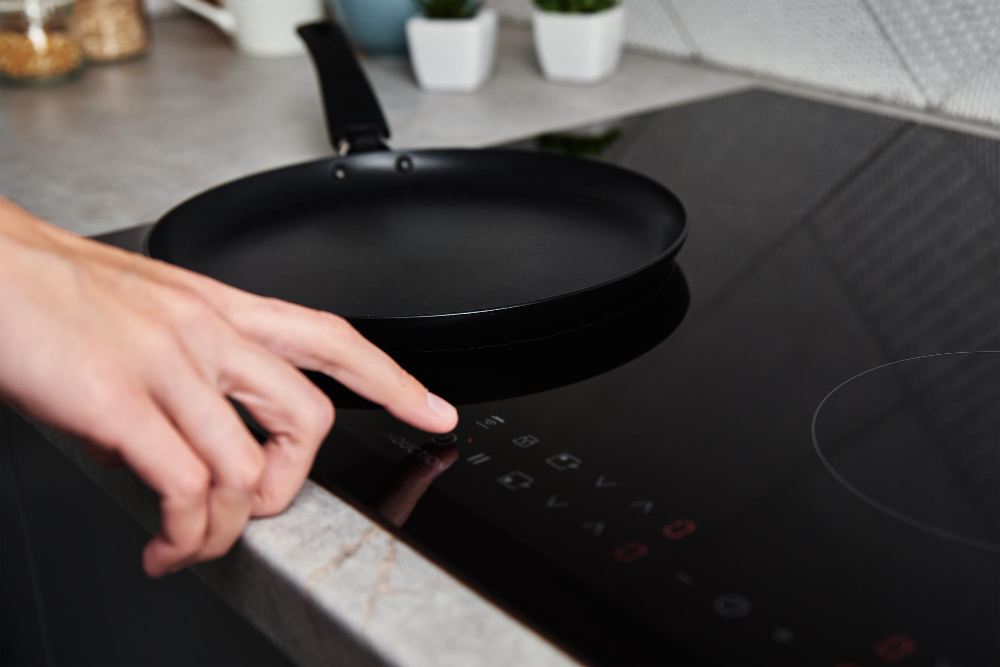
Induction cooktops, unlike their gas or electric counterparts, don’t rely on direct heat. Instead, they use electricity to generate an electromagnetic field beneath the glass surface. When you place induction-compatible cookware on this cooktop, the electromagnetic field induces an electric current within the pot or pan. This current encounters resistance in the cookware’s material, producing heat. Consequently, it’s the cookware itself that heats the food, not the cooktop. The result? Faster, more efficient cooking with a touch of modern marvel.
Magnetism: The Heart of Induction
For those new to induction cooking, magnetism might sound like an abstract concept reserved for science class. Yet, it’s this very principle that breathes life into the magic of induction cooking.

Why Magnetism is Crucial
Magnetism is the silent hero in the induction cooking process. When an induction cooktop generates its electromagnetic field, only magnetic materials can interact with and absorb this energy, transforming it into heat. Cookware that lacks magnetic properties won’t respond, leaving them cold on an induction burner.
This magnetic responsiveness is why your cookware selection matters immensely. Without the right magnetic reaction, you’ll be left with a pot or pan that remains stubbornly cool, regardless of the settings you adjust on your induction cooktop. In essence, magnetism is the bridge that links the energy of the cooktop with the food you’re eager to prepare.
What is the difference between induction cookware and regular cookware?
Understanding the distinction between induction-ready and regular cookware is key to harnessing the full potential of your induction cooktop.

Physical Differences
Induction cookware is specifically designed to work with the electromagnetic fields generated by induction cooktops. The base of induction-ready pots and pans often includes a layer of magnetic material, like ferrous metals, which makes them suitable for this cooking method.
Regular cookware, on the other hand, might not have this magnetic base, making them incompatible with induction stovetops. They are, however, suitable for traditional cooking methods like gas or electric stovetops.
Performance on Induction Cooktops
Induction cookware offers optimized performance on induction stovetops. They heat up quickly and distribute heat evenly because of the direct transfer of electromagnetic energy.
Regular cookware, unless it’s made of a material that’s naturally magnetic, won’t effectively work on an induction cooktop. If you’ve ever tried placing a regular aluminum pot on an induction stove, you’ve likely noticed it doesn’t heat up. This is because aluminum isn’t magnetic and thus doesn’t react to the electromagnetic field.
Price and Availability
Given the specialized nature of induction cookware, it might be priced slightly higher than its regular counterparts. However, with the growing popularity of induction cooking, more brands are offering induction-ready options, making them more accessible and competitively priced.
In essence, while both types of cookware serve the fundamental purpose of cooking food, their design, materials, and compatibility with induction cooktops set them apart.
Induction-Compatible Materials
Choosing the right cookware can feel like navigating a culinary maze, especially with the rise of induction cooking. But understanding the materials that sync seamlessly with induction is your key to unlocking a flawless cooking experience.
What Materials Make the Cut
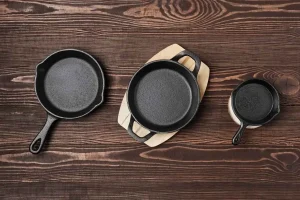
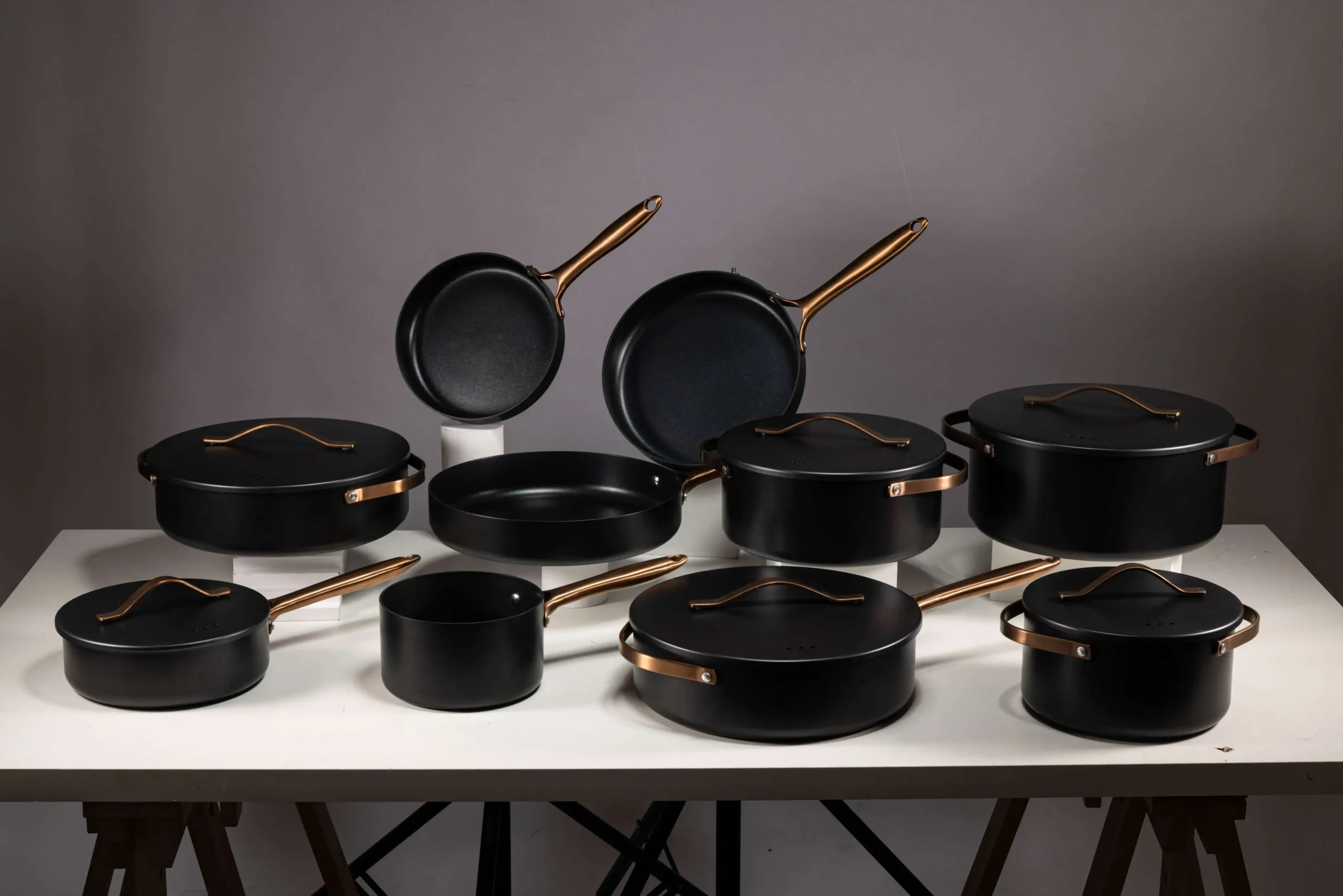
Let’s start with the winners in the induction compatibility race. Cast iron, known for its durable and heat-retentive properties, is a favorite in the induction cooking realm. It inherently has magnetic properties, making it an excellent conductor for the electromagnetic field generated by the cooktop. Then there’s magnetic stainless steel. While not all stainless steel pans are created equal, those designed with magnetic properties in their base (often a blend of steel and other metals) become champions on an induction stove.
Those that Don’t
However, it’s not all smooth sailing in the world of cookware. Materials such as aluminum, glass, or pure copper fall short in the induction compatibility game. Why? Simply put, they lack the magnetic properties essential for the cooktop to recognize and heat them. So while that ornate copper pot might look stunning, it may not serve you best on an induction burner unless it’s paired with another magnetic material.
Benefits of Using Induction Cookware
Induction cooking, often dubbed as the future of modern culinary arts, is more than just a trend—it’s an efficient, effective method that has cooks everywhere raving. But what makes this method stand out, and why are specific pots and pans so coveted for it?
The Advantages
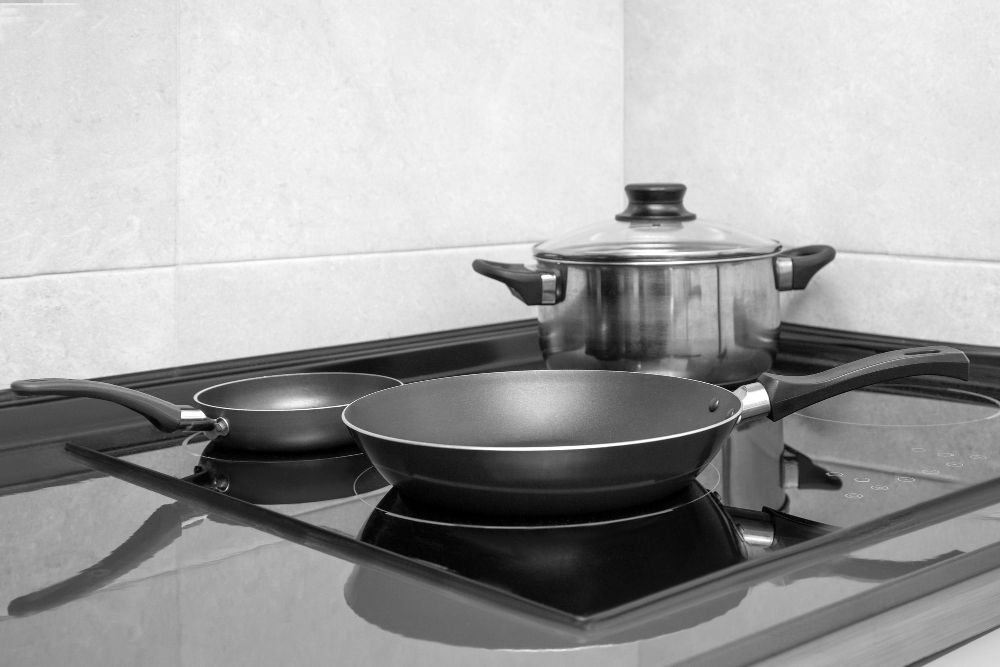
The first thing enthusiasts often point out is the speed. Induction cookware heats up rapidly, drastically reducing the wait time before you can start cooking. And it’s not just about speed; it’s also about precision. The heat is uniformly distributed, eliminating those pesky hotspots that can unevenly cook your food.
Energy efficiency is another feather in the cap for induction cooking. Since the heat is transferred directly to the cookware, less energy is wasted in the air around it. It’s a win for your utility bills and a smaller carbon footprint for the environment.
Lastly, but by no means least, is the safety aspect. Induction cooktops remain relatively cool to the touch, reducing burn risks. The cooktop only heats where the pot or pan sits, ensuring that little hands (or clumsy adults) are less likely to get burned if they accidentally touch the surface.
All these advantages culminate in one truth: having the right induction-ready cookware can transform your cooking experience from mundane to magnificent.
Identifying Induction-Ready Cookware
When it comes to using an induction cooktop, ensuring you have the right cookware is half the battle. But how do you sift through your collection or navigate the store shelves to find pots and pans that are truly induction-ready? The answer lies in simple tests and keen observation.

The Magnet Test
Before we dive into fancy labels and packaging, let’s talk about a DIY method— the magnet test. If a magnet sticks firmly to the base of your cookware, it’s a clear indicator that it’s induction-compatible. This is because induction cooking relies on magnetic fields to heat the pot or pan. So, the next time you’re in doubt, just reach for a fridge magnet and give it a go!
Branding and Labelling
Manufacturers today are well-aware of the rising popularity of induction cooking. As a result, many modern pots and pans come labeled as induction-ready. When shopping, look for symbols or labels on the packaging or the base of the cookware that indicate its compatibility. Brands often use icons resembling a coil or specifically mention “induction” to guide consumers. Trusting these labels can save you the magnet-test hassle and ensure you’re investing in the right tools for your culinary endeavors.
Challenges and Solutions
Embracing induction cooking comes with a world of benefits, but it’s not without its challenges. As with any technology, it has its nuances that users should be aware of to get the best experience. Understanding these hurdles and their workarounds ensures a smooth, enjoyable cooking process.

The Limitations
Induction cooking, while efficient, has certain restrictions. First, the cooking zone of the cooktop should align well with the size of the cookware’s base for optimal heat distribution. Too small a pot on a large zone can result in uneven cooking. Additionally, the flat surface requires cookware with a flat bottom. Woks or any cookware with curved bases might not perform optimally. Also, since heat is generated within the cookware, it’s crucial that it has a uniform material composition, ensuring even heat distribution. Pots and pans with hotspots can lead to uneven cooking.
Interface Disks
For those who don’t want to entirely replace their beloved non-induction cookware collection, there’s a solution: interface disks. These are flat, metal disks that you place on the induction cooktop, acting as a middleman between the stovetop and your non-compatible cookware. The disk gets heated by the induction cooktop, and in turn, it heats the cookware placed on top of it. While it’s a handy tool, it might not be as efficient as direct induction cooking. But for those heirloom pots or special pans you can’t part with, it’s a worthy compromise.
Caring for Your Induction Cookware
With the unique properties and requirements of induction cookware, special attention should be given to their care. Proper maintenance not only keeps them looking new but also ensures optimal performance over time.
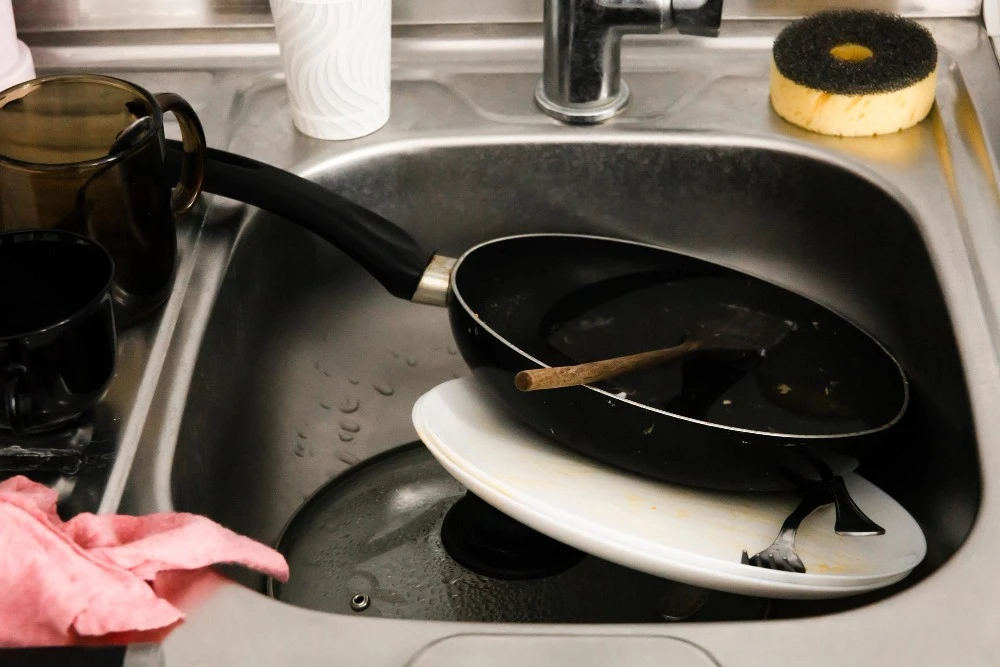
Prolonging Cookware Life
To maximize the life of your induction-ready cookware:
- Avoid Overheating: Excessive heat can discolor stainless steel and damage non-stick surfaces. Always start with a lower heat setting and adjust as needed.
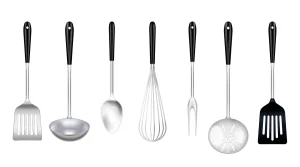
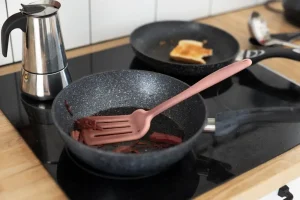
- Use Wooden or Silicone Utensils: Metal utensils can scratch the surface, especially if it’s non-stick. Opt for gentler alternatives.
- Avoid Thermal Shock: Don’t move your hot cookware directly from the cooktop to a cold surface or cold water. This can warp the base. Allow it to cool first.
- Cook on Matching Size Zones: Align the size of your cookware’s base with the cooking zone. This ensures even heating and reduces the risk of warping.
Cleaning and Storage
To keep your induction cookware in the best possible condition:
- Hand Wash: While many induction pots and pans are dishwasher safe, hand washing can extend their lifespan. Use warm soapy water and a soft cloth or sponge.
- Avoid Abrasives: Stay away from steel wool or abrasive cleaning pads, which can scratch and damage the surface.
- Dry Immediately: After washing, dry your cookware immediately to prevent water spots, especially on stainless steel.
- Store with Care: When stacking pots and pans, consider using soft cloth separators to prevent scratching. If possible, hang pans to avoid surface contact altogether.
By following these guidelines, your induction cookware will remain a centerpiece in your kitchen, offering consistent performance for years to come.
FAQs About Induction Cookware
Navigating the realm of induction cookware can raise several questions. Below, we address some common inquiries to guide your culinary journey on induction cooktops.

What is considered induction cookware?
Induction cookware is designed with a magnetic base, allowing it to work efficiently with the electromagnetic fields generated by induction cooktops. Common materials include magnetic stainless steel and cast iron.
How do I know if my pan is induction compatible?
The simplest way is the magnet test. If a magnet sticks to the base of the pan, it’s generally induction compatible. Additionally, many brands label their products as induction-ready.
Will cast iron work on induction?
Yes, cast iron is naturally magnetic and works well with induction cooktops, offering quick and even heating.
Can you use induction pans on glass cooktop?
Absolutely. Induction pans can be used on glass cooktops, but ensure the cookware has a smooth base to avoid scratching the surface.
What to look for when buying induction pans?
When shopping for induction pans, look for labels indicating induction compatibility. Prioritize pans with a flat, smooth base for even heating and those made from magnetic materials.
Can I use stainless steel on induction?
Not all stainless steel is induction-ready. Only magnetic stainless steel, which contains iron, is compatible. Again, the magnet test can be a handy tool to check.
Equipped with this knowledge, you’ll be better prepared to choose the right cookware for your induction cooking needs.
Conclusion
The world of cooking has seen numerous innovations, but the advent of induction cooking truly stands out. This method, reliant on the harmony between the cooktop and its dedicated cookware, offers chefs and home cooks alike a level of control previously thought unattainable. It’s not just about faster heating or energy efficiency, but the precision with which one can maneuver the cooking process. For those yet to delve into this cooking method, there lies an opportunity to redefine your culinary experiences. Embrace the future; let the unparalleled efficiency and precision of induction cooking elevate your kitchen endeavors.