
Introduction
In the culinary world, the harmony of flavors goes beyond just the ingredients we choose. It extends to the very tools we use in the kitchen, most notably, our Cookware. Much like a chef handpicking the perfect knife for a specific task, selecting the appropriate cookware for your stovetop plays a pivotal role in the cooking process. The interplay between a stovetop and its corresponding pot or pan can be the determining factor in a dish’s success.
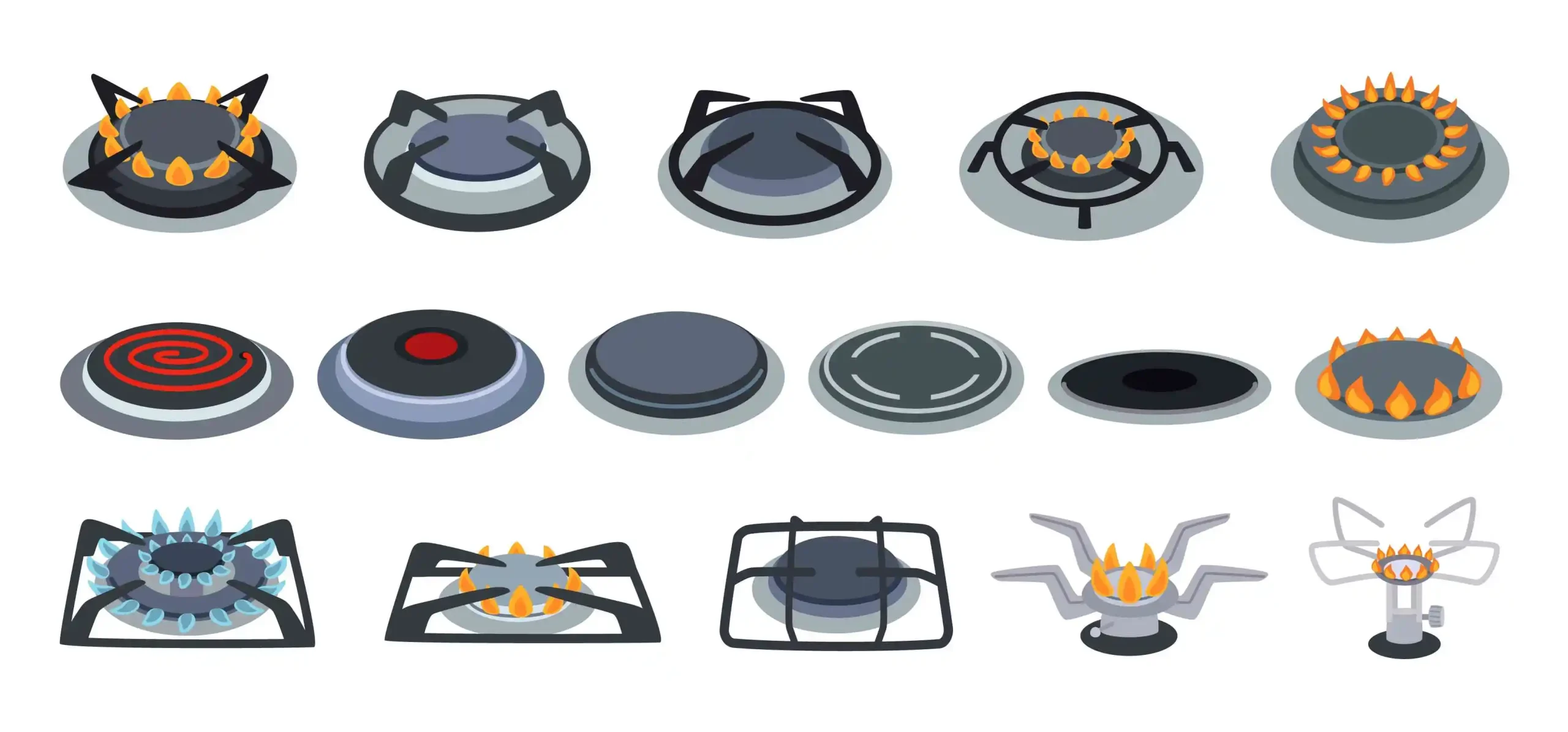
The Impact on Cooking and Durability
The right cookware not only assures consistent and effective cooking but also safeguards the longevity of both the utensil and the stovetop. Whether you’re gently simmering a complex sauce or searing a prime cut of meat, the relationship between your stovetop and cookware profoundly influences the final result. Through this guide, we aim to demystify the vast world of cookware choices, ensuring you find the perfect match for your stovetop. Let’s ignite our culinary passion and dive right in!
The Art of Stovetop Cooking
Stovetop cooking isn’t just about firing up a burner; it’s about melding history, technology, and culinary art into one seamless experience.

The Evolution of Stovetop Designs
From early campfires to modern induction cooktops, stovetop designs have seen revolutionary shifts. Centuries ago, controlled cooking was a luxury, limited to campfires or basic clay ovens. As time progressed, innovations like the wood-burning stove changed the culinary landscape, bringing cooking indoors. Today, our kitchens boast a spectrum of designs, from gas burners to sleek electric coils, reflecting both technological leaps and evolving culinary needs.
Understanding the Mechanics of Heat Distribution
Every stovetop, old or new, thrives on one principle: distributing heat evenly. While gas burners offer direct flames for immediate heat, electric stovetops rely on coils, providing a steady warmth. Induction cooktops, the latest entrants, employ magnetic fields to heat cookware swiftly and precisely. Recognizing the distinct mechanics behind each method not only enriches our understanding but can also amplify our culinary prowess.
Gas Stovetops
Gas stovetops, with their open flames and quick heat adjustments, merge the tactile and the visual, offering a cooking experience like no other.
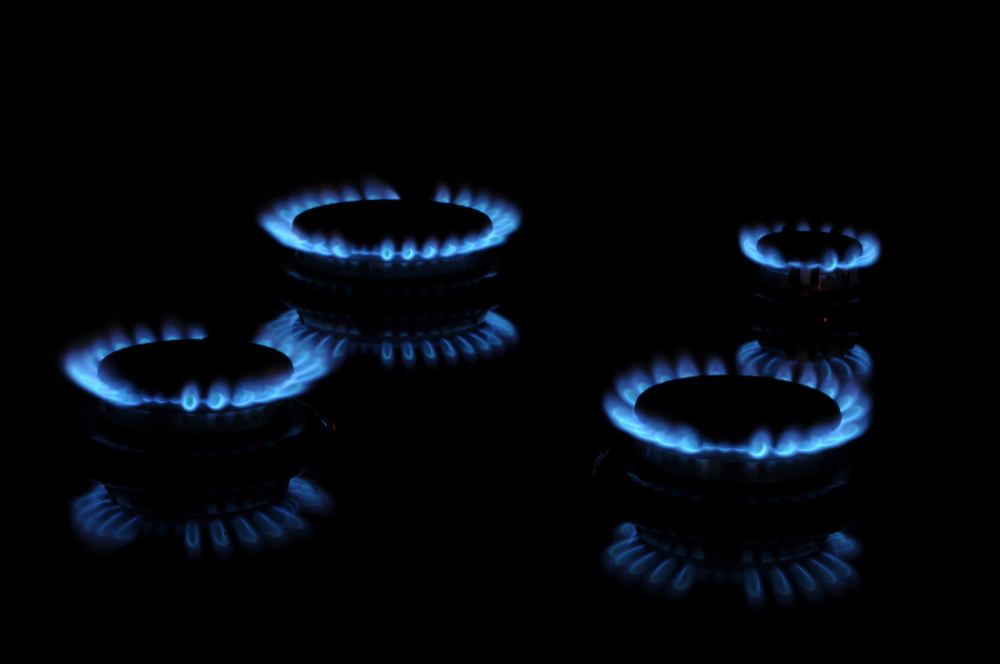
Characteristics & Advantages
Gas burners are beloved for their instant heat and precise temperature control. The visible flame allows chefs to adjust the heat level with a simple turn, providing immediate feedback. This rapid responsiveness ensures dishes can be cooked with finesse, reducing the chances of over or undercooking. Another advantage? The even heat distribution that a flame offers, enveloping your cookware for uniform cooking.
Ideal Cookware Choices
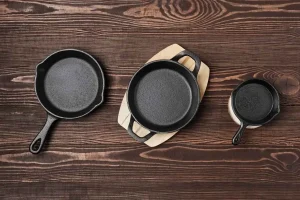
Not all pots and pans are created equal, especially when dancing with open flames. Stainless steel stands out as a top choice due to its even heat distribution and durability. Cast iron, with its impeccable heat retention, is another favored option. Both materials resist warping under high heat, making them stellar companions for the gas stovetop’s dynamic environment.
Electric Coil Stovetops
Electric coil stovetops, while perhaps not as flashy as their gas counterparts, bring a certain consistency to the kitchen that many cooks appreciate.

Characteristics & Advantages
Unlike the instant heat adjustment seen with gas stovetops, electric coil burners take their sweet time both heating up and cooling down. But here’s the silver lining: they offer a steady, consistent heat, making them reliable for recipes that need a uniform temperature. And without an open flame, there’s a decreased risk of accidental flare-ups.
Ideal Cookware Choices
The key to efficient cooking on electric coils? Flat-bottomed cookware. This ensures maximum contact with the coil, promoting even heat distribution. Materials like stainless steel and heavyweight aluminum are excellent choices, as they conduct heat well and maintain a flat base over time. Avoid wobbly or warped pans, as they won’t sit snugly on the coil, leading to uneven cooking.
Induction Stovetops
Harnessing the power of electromagnetism, induction stovetops are the modern marvels of kitchen technology, offering both speed and precision.
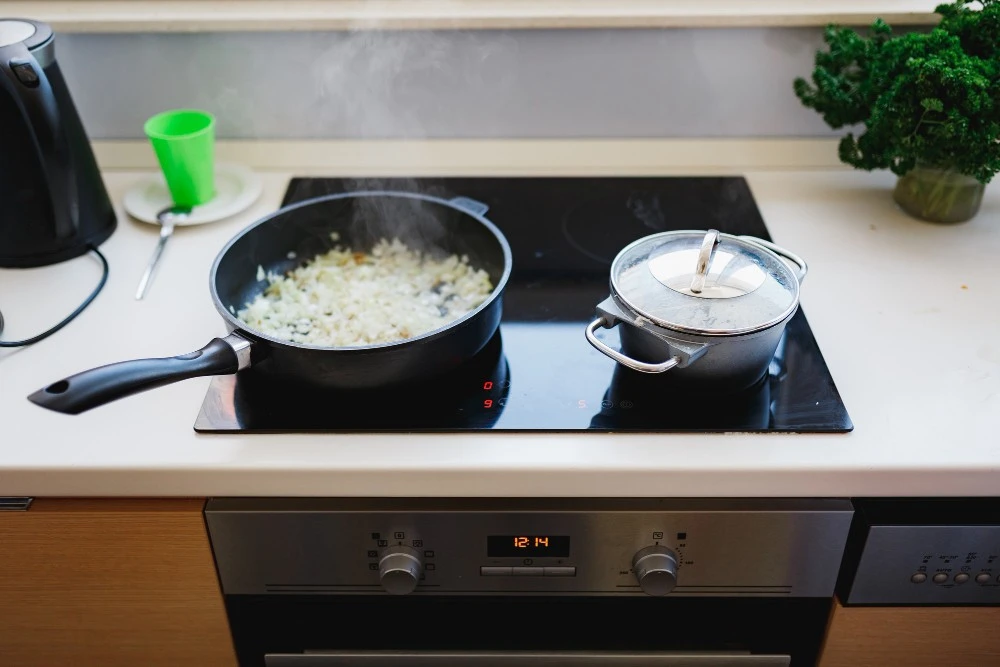
Characteristics & Advantages
Induction cooking doesn’t rely on direct flame or heated coils. Instead, it uses a magnetic field to generate heat directly within the cookware. This not only speeds up the cooking process but also ensures energy efficiency, as there’s minimal heat loss. Plus, the stovetop itself remains relatively cool to the touch, reducing burn risks.
Ideal Cookware Choices
For induction cooking, it’s not just about the aesthetics or heat retention of your pots and pans; it’s about magnetism. Cookware for induction needs to be magnetic, which means materials like cast iron and some stainless steels are top choices. However, not all stainless steel is created equal. For it to work with induction, it must contain a magnetic grade of stainless steel. A simple test? If a magnet sticks to the base of your pan, it’s induction-ready. Non-magnetic materials like copper, glass, and aluminum won’t work unless they have a magnetic layer added to their base.
Glass and Ceramic Cooktops
For those who appreciate aesthetics just as much as functionality, glass and ceramic cooktops have become the kitchen centerpiece, blending both style and substance.

Characteristics & Advantages
At the intersection of modern design and efficient cooking, glass and ceramic cooktops stand out. Their sleek, flat surfaces not only enhance the kitchen’s appearance but also offer even heating. These stovetops are easy to clean, given their smooth surfaces, and their lack of physical coils or burners reduces the accumulation of food spills or crumbs. The heat provided is consistent and spreads uniformly across the cookware, ensuring that food is cooked evenly.
Ideal Cookware Choices
When it comes to these delicate cooktops, the choice of cookware becomes essential to maintain their pristine condition. It’s crucial to opt for pots and pans with a smooth, flat base to avoid scratching the surface. Materials that can evenly distribute heat, like stainless steel and titanium, are preferred. However, it’s good to be wary of cast iron, as its rough exterior might scratch the cooktop. Light lifting (rather than sliding) of cookware and regular cleaning will ensure the longevity of these elegant stovetops.
Tips for Universal Cookware Care
Proper cookware care is an art. Regardless of what stovetop you’re using, the way you maintain your pots and pans directly impacts their performance and lifespan. Here’s how you can ensure they remain in top shape.
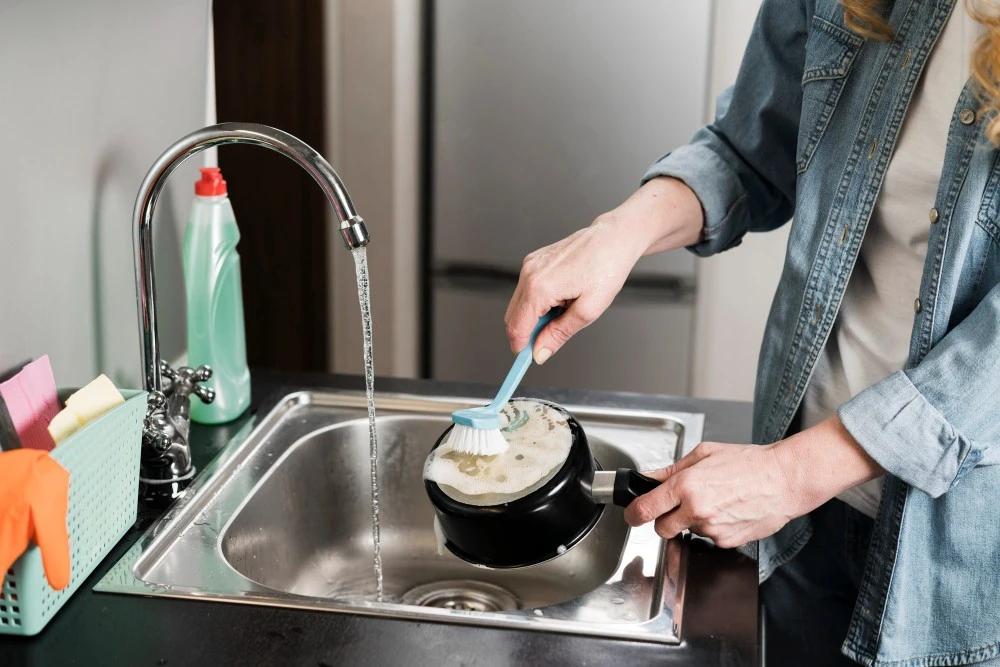
Maintaining Cookware for Longevity No Matter the Stovetop
Every piece of cookware, irrespective of its material, benefits from a little TLC. Regularly check for any signs of wear and tear. Non-stick pans, for instance, can lose their effectiveness over time. When this happens, it’s best to replace them to ensure consistent cooking results. For cookware like cast iron, regular seasoning is key to preserving its non-stick qualities and preventing rust.
Avoid drastic temperature changes, like moving a hot pan directly under cold water. This can warp the pan’s base, especially in materials like stainless steel. Additionally, while many cookware pieces claim to be dishwasher safe, hand washing is gentler and often more effective in preserving their condition.
Cleaning and Storage Suggestions
Use the Right Tools: Soft sponges or nylon scrubbers are ideal for most cookware. Avoid steel wool or harsh scouring pads, especially on non-stick or enameled surfaces, as they can cause scratches.
Mind the Soap: While mild dish soap works for most, cast iron pans prefer just warm water and a brush, followed by a light oiling.
Dry Promptly: After washing, always dry your cookware immediately to prevent water spots and potential rusting, especially for cast iron.
Store with Care: When stacking pots and pans, consider using soft cloth dividers or pan protectors. This not only prevents scratches but also keeps non-stick surfaces intact.
By following these tips and understanding the unique needs of each cookware material, you can ensure that your pots and pans remain functional and aesthetic for years to come.
Mistakes to Avoid: Potential Cookware & Stovetop Mismatches
Choosing the right cookware for your stovetop goes beyond aesthetics and brand preferences. The wrong match can lead to inefficient cooking, potential damage to your cookware or stovetop, and even safety hazards.

Common Mismatches and Their Consequences
Using Thin, Warped Pans on Flat Stovetops: Especially common with electric coil and glass cooktops, this mismatch can result in uneven cooking due to poor contact with the heating element. It also increases the risk of pans tipping over.
Non-magnetic Cookware on Induction Cooktops: Induction stovetops rely on a magnetic field to heat. Using non-magnetic materials like copper or aluminum will result in no heat transfer, rendering the cookware useless on this surface.
Heavy Cast Iron on Glass or Ceramic Cooktops: While these stovetops are sturdy, dragging heavy cookware across them or dropping pots and pans can lead to scratches or even cracks.
Using Oversized Cookware: Pans that are significantly larger than the burner or heating element can lead to inefficient cooking and potential damage to both the stovetop and the pan’s base.
Tips to Prevent Damage and Ensure Optimal Cooking
Read the Manual: Most stovetops come with manufacturer guidelines on compatible cookware materials. Always consult these before purchasing new pots and pans.
Check Cookware Base Regularly: Ensure that the bottoms of your pots and pans are smooth and free from warps. This guarantees better heat distribution and safer cooking.
Lift, Don’t Drag: Especially on ceramic or glass cooktops, always lift your cookware to move it. This minimizes the risk of scratches.
Test for Induction Compatibility: A simple magnet test can help determine if your cookware is suitable for induction stovetops. If a magnet sticks to the base, it’s induction-friendly.
Size Matters: Aim for cookware that matches or is slightly larger than the burner size. This ensures even heating and prevents potential fire hazards from handles getting too hot.
By being aware of these common mismatches and their potential consequences, you can make informed decisions about your cookware choices. This not only ensures efficient and delicious cooking results but also prolongs the life of both your stovetop and cookware.
FAQs Related Cookware on Stovetop
Navigating the Cookware Conundrum: Unravel the mysteries surrounding stovetop-friendly cookware with our quick FAQs. Ensure your culinary ventures are efficient, safe, and, most importantly, delectable!