
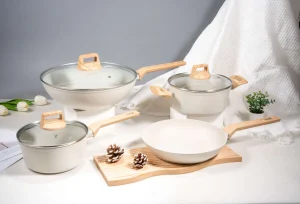
What is Enamel Cookware
Enamel cookware is a cherished staple in many kitchens, known for its aesthetic appeal and functional properties. But what exactly makes it so special? Let’s dive into its composition, manufacturing, and the advantages and disadvantages that make it a popular choice.

Introduction to Enamel Cookware
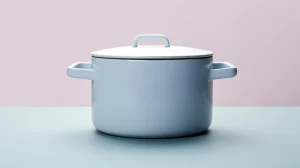
Enamel cookware consists of a metal core, usually cast iron, coated with a thin layer of porcelain enamel. This glossy finish not only adds a splash of color to the kitchen but also provides a non-reactive and hard surface that’s ideal for cooking a wide variety of dishes.
Composition and Manufacturing Process
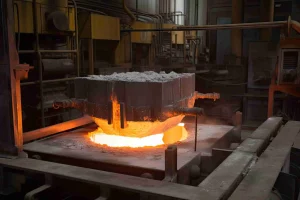
The creation of enamel cookware is a meticulous process. It begins with the metal base, which is often cast iron for its heat retention properties. The metal is then coated with powdered glass containing various minerals to achieve the desired color. This mixture is fused to the metal through high-temperature firing, creating a smooth, non-porous surface that’s resistant to staining and sticking.

Several layers of enamel may be applied, and the cookware might be fired multiple times to ensure a durable finish. The result is a piece of cookware that combines the best attributes of metal with the elegant appearance and practical functionality of glass.
Benefits and Drawbacks
Benefits:
- Non-Reactive: Enamel cookware does not react with acidic foods, preserving the flavor and color of your dishes.
- Easy to Clean: The smooth surface is often easier to clean than uncoated metal.
- Versatile: Suitable for all types of cooking, including baking, frying, and simmering.
- Aesthetic Appeal: Available in a variety of colors and designs to complement any kitchen décor.
Drawbacks:
- Chipping: The enamel can chip if handled roughly, exposing the underlying metal.
- Weight: Particularly with cast iron cores, enamel cookware can be quite heavy.
- Cost: High-quality enamel cookware can be more expensive than its non-enameled counterparts.
Popular Enamel Cookware
Exploring the realm of enamel cookware, one can find a range of styles, each with its unique appeal and functionality. Let’s take a brief look at some of the popular types:
Vintage Enamel Cookware
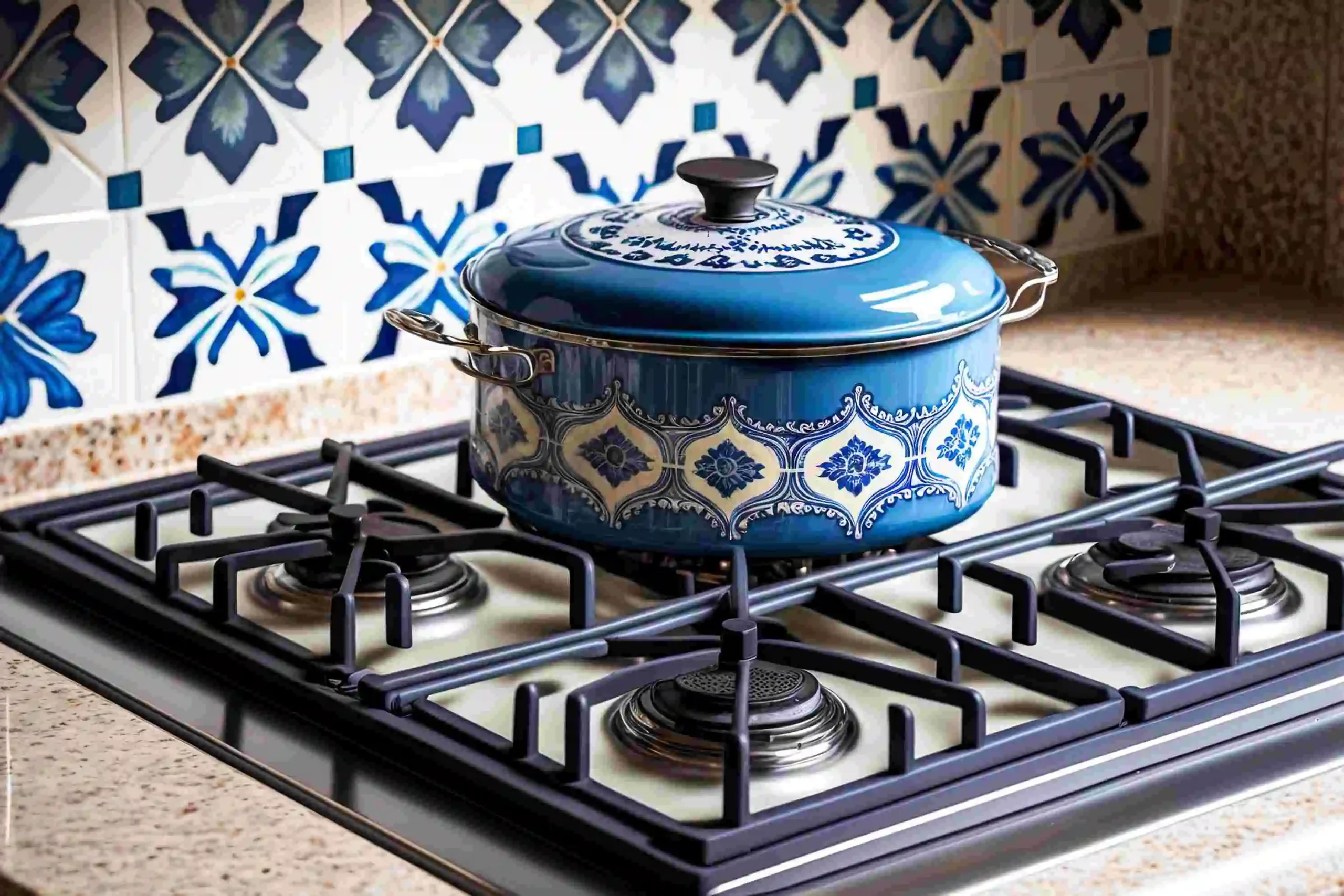
Vintage enamel cookware takes us back to an era of classical elegance. Known for its timeless beauty and solid construction, these pieces often feature nostalgic designs and are perfect for those who appreciate a retro touch in their kitchen.
Blue Enamel Cookware
For those seeking a tranquil and sophisticated hue, blue enamel cookware is the way to go. Its varying shades of blue add a serene touch, complementing many kitchen aesthetics while maintaining all the advantageous features of enamel.
Asta Enamel Cookware
Asta enamel cookware is more than just eye-catching. Built with quality materials and excellent craftsmanship, these pieces not only beautify your kitchen but also offer consistent cooking performance, ideal for everyday culinary adventures.
Speckled Enamel Cookware
The speckled enamel cookware offers a playful and rustic appeal with its dotted pattern. Functional and eye-catching, it’s a favorite for those wanting a unique and country-style touch to their cooking essentials.
Enamel Camping Cookware
Tailor-made for outdoor adventures, enamel camping cookware is lightweight, durable, and designed to withstand the challenges of open-flame cooking. Its cheerful colors and practical design make it a must-have for any camping enthusiast.
How to Choose the Right Enamel Cookware
Choosing the right enamel cookware is about more than just appearance. While the visual appeal is undoubtedly important, there are several other factors to consider to ensure that you select the pieces that best suit your cooking needs and lifestyle. Here’s a guide to help you make an informed choice:

Consideration of Cooking Needs
Your cooking habits, the type of dishes you usually prepare, and the cooktop you use will play a significant role in your selection.
- Frequency: Consider how often you’ll be using the cookware.
- Versatility: Look for pieces that can be used for various cooking methods.
- Compatibility: Ensure that the cookware is suitable for your type of stove or cooktop.
Understanding your cooking needs will lead to a more satisfying and efficient cooking experience.
Matching with Kitchen Aesthetics
Enamel cookware is available in a plethora of colors and styles. Matching it with your kitchen’s aesthetics can add to the overall ambiance.
- Color Scheme: Choose colors that complement or contrast with your kitchen’s color palette.
- Design Style: From vintage to modern, select a style that resonates with your kitchen’s theme.
A well-matched cookware set can be a delightful visual addition to your kitchen space.
Understanding Quality and Durability
Enamel cookware’s quality and durability are crucial factors that can’t be overlooked.
- Material: Consider the core material, such as cast iron or steel, and its implications on weight and heat retention.
- Coating Quality: Inspect the enamel coating for evenness and thickness, as this affects its resistance to chipping and staining.
- Brand Reputation: Opt for well-known brands that are recognized for their quality craftsmanship.
By focusing on quality and durability, you can invest in cookware that not only looks good but stands the test of time.
Best Enameled Cast Iron Cookware
Finding the best enameled cast iron cookware means considering a blend of functionality, style, and craftsmanship. Several brands lead the way, each with its unique offerings and advantages. Here’s a brief overview of some of the best in the market:
KÖBACH Enamel Cookware
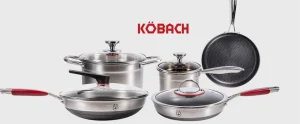
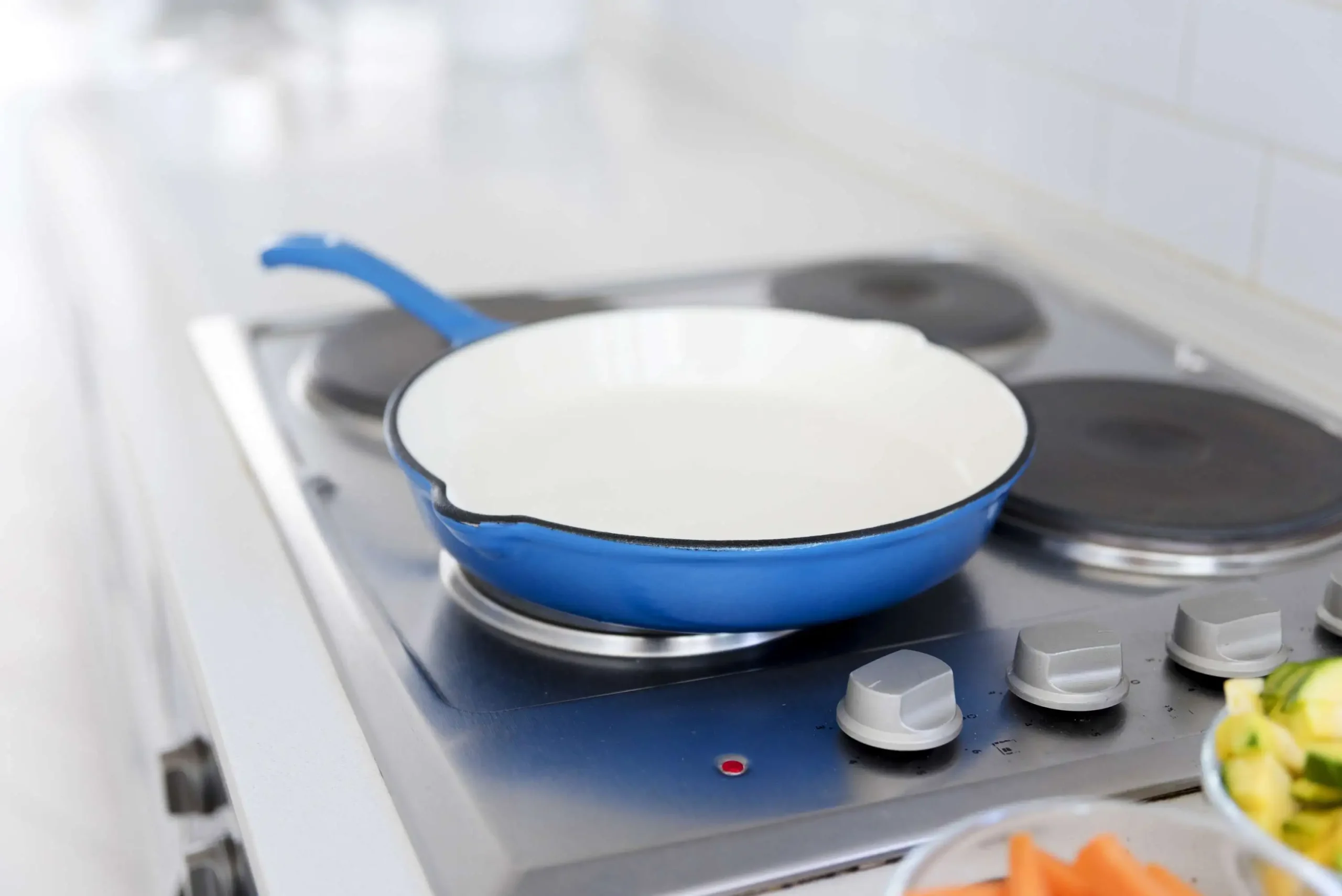
KÖBACH‘s exquisite enamel cookware line offers superb heat retention, non-reactive surfaces, and a wide range of fashionable colors. Renowned for German precision and quality, our products stand out as premium choices for both professionals and home chefs.
Cuisinart Enameled Cast Iron Cookware
Cuisinart’s enameled cast iron collection boasts excellent heat distribution, versatility, and chic designs. Famed for innovation, their cookware allows for a seamless transition from stovetop to oven, making it a staple in contemporary kitchens.
Chantal Enamel Cookware
Innovative design and robust construction define Chantal’s enamel cookware. With their commitment to eco-friendly materials and superior heating capabilities, Chantal has carved a niche for those seeking a balance between style and sustainability.
Lodge Enamel Cookware
A trusted name in cookware, Lodge’s enamel line continues the tradition of rugged build and efficiency. With a blend of classic and modern styles, these pieces are suitable for both outdoor cooking and elegant dinner parties.
Is Enamel Cookware Safe
Enamel cookware is popular and visually appealing, but its safety is a concern for many. Here’s a straightforward look at the aspects you need to consider:

Health Considerations
Enamel cookware is generally considered safe for cooking. The enamel coating is non-reactive, which means it won’t leach harmful chemicals into your food. However, low-quality enamel can chip over time, so it’s essential to opt for well-known brands that adhere to quality standards.
Usage Precautions
Proper usage and handling are vital for maintaining the safety of enamel cookware. Here are some simple precautions:
- Avoid High Heat: Sudden temperature changes can cause the enamel to crack. Gradually heat and cool the cookware.
- Use Wooden or Silicone Utensils: Metal utensils can chip the enamel. Opt for softer alternatives.
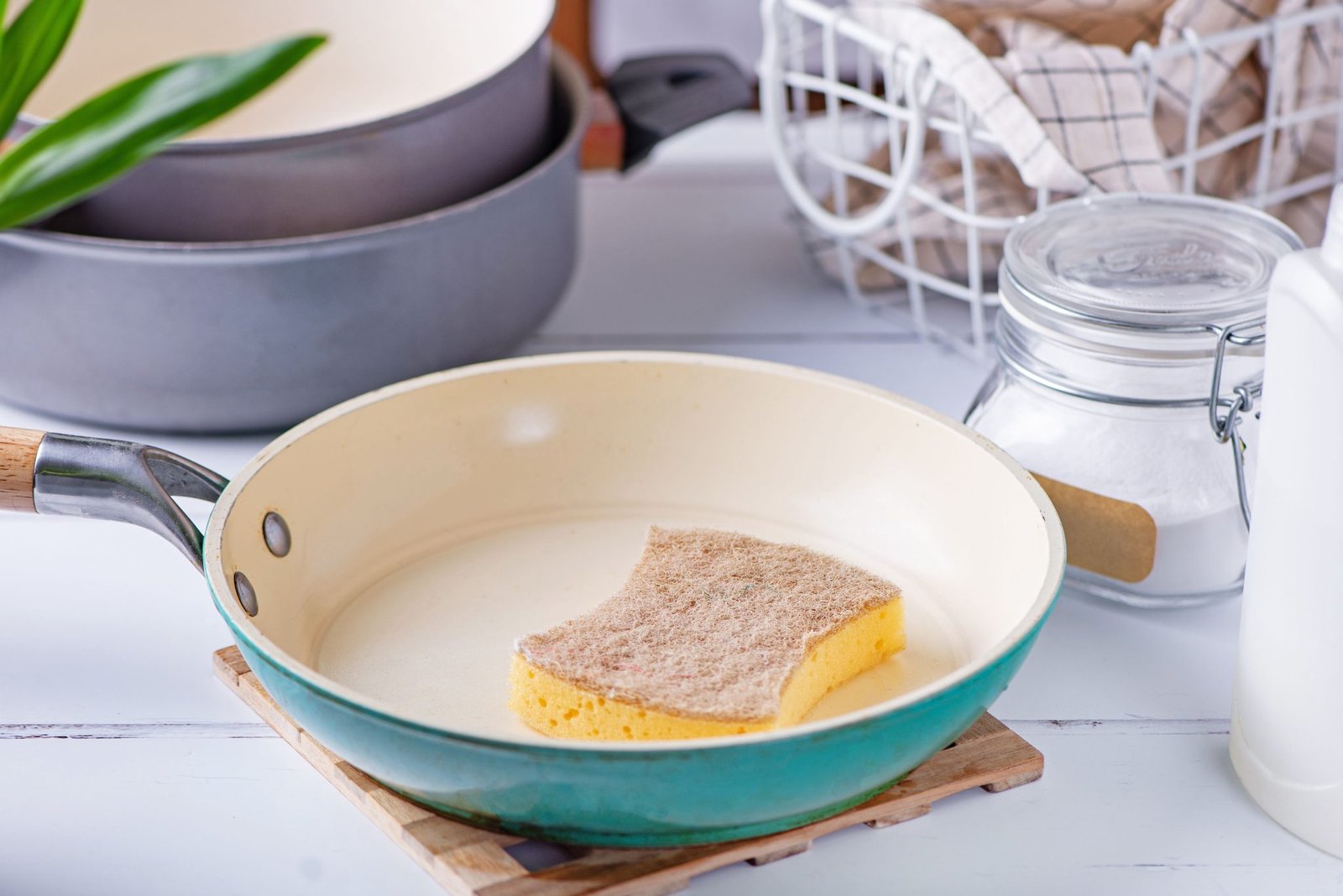
- Hand Wash Gently: Although some enamel cookware is dishwasher safe, hand washing with mild detergent and a soft sponge can extend its life.
In summary, enamel cookware is considered safe when used according to guidelines. Investing in quality products and following proper handling techniques ensures that you enjoy the benefits of this attractive and functional cookware without compromising your health.
How to Clean Discolored Enamel Cookware
Discolored enamel cookware can be an eyesore and a challenge to clean. Understanding what causes this discoloration and how to address it is key to maintaining the beauty and functionality of your cookware.
Causes of Discoloration
The discoloration in enamel cookware often comes from:
- Food Stains: Ingredients like tomatoes and berries can leave behind colored stains.
- Water Spots: Hard water can cause white spots or filmy residue.
- Metal Utensils: Using metal utensils might scratch the enamel, leading to discoloration over time.
Cleaning Techniques and Products
Here’s how to tackle discolored enamel cookware:
- Mild Detergent: For daily cleaning, use a gentle detergent and a non-abrasive sponge or cloth.
- Baking Soda: For stubborn stains, make a paste with baking soda and water, apply it to the discolored area, and scrub gently.
- Vinegar Solution: For hard water stains, soak the cookware in a mixture of vinegar and water and then scrub.
- Avoid Harsh Chemicals: Strong cleaning agents can damage the enamel. Stick to mild, natural products.
Discolored enamel cookware can be frustrating, but with understanding the causes and using the right cleaning techniques, you can keep your pieces looking like new. Remember, gentle and regular maintenance is key to preserving the beauty and functionality of your enamel cookware.
How to Remove Stains from Enamel Cookware
Enamel cookware’s glossy finish is prone to staining, but don’t worry, those stubborn marks can be tackled. Here’s a straightforward guide to understanding common types of stains and the best methods for removal.
Common Types of Stains
Stains on enamel cookware can come from various sources, including:
- Food Stains: Cooking colorful foods like tomatoes or wine can leave colored stains.
- Heat Stains: Overheating can cause brown or yellowish stains.
- Water Marks: Leaving the cookware wet might create water spots or rings.
Effective Stain Removal Methods
You can revive your enamel cookware’s shine with some simple solutions:
- Soak in Warm Soapy Water: For light stains, soak the cookware in warm soapy water, then scrub with a soft sponge.
- Use Baking Soda: For tougher stains, apply a baking soda paste, let it sit, then scrub gently.
- Try Lemon Juice: Lemon juice works well on bright-colored stains. Rub it on, let it sit, then wash off.
- Avoid Metal Scrubbers: These can scratch and further damage the enamel. Stick to soft sponges or brushes.
By identifying the type of stain and using these gentle cleaning methods, you can keep your enamel cookware looking vibrant and clean. Regular maintenance and avoiding harsh cleaners will also help prevent future stains, ensuring that your cookware stays as beautiful as it is functional.
FAQs Related to Enamel Cookware
Enamel cookware brings both charm and functionality to the kitchen, but it can prompt several questions for those unfamiliar with this type of cookware. Below, you’ll find a quick and informative guide that answers common queries, helping you understand the ins and outs of enamel cookware.