
What is Aluminum Cookware?
Learn how to choose, use and maintain aluminum cookware for best performance, durability and value — your complete expert guide.

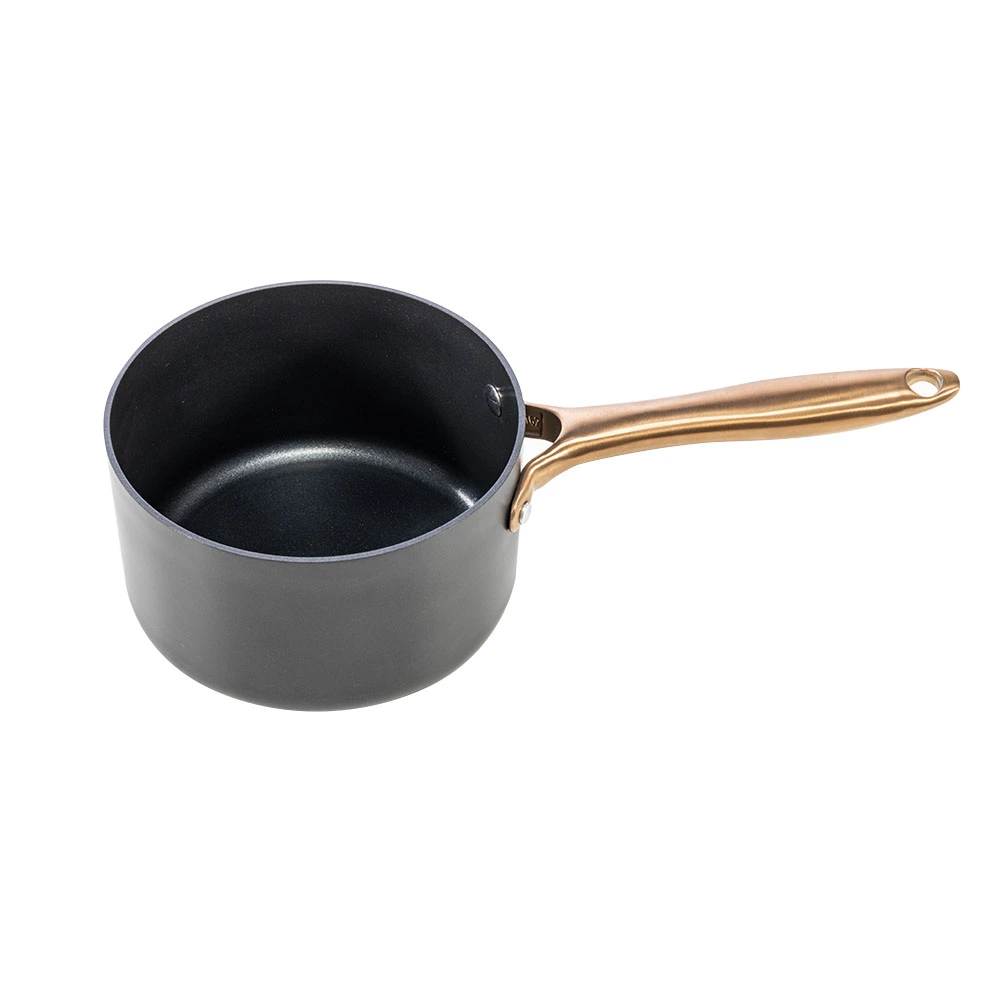
KitchenGuidePro’s high-demand Stainless Steel Saucepans are internationally acclaimed. Our dedicated team and advanced production lines ensure high-quality output. With superior heat retention and even distribution, they excel at various cooking tasks.
KitchenGuidePro’s stainless steel saucepans, lauded for their superior heat conduction and even distribution, facilitate a range of cooking tasks from simmering sauces to boiling pasta.
KitchenGuidePro offers an extensive variety of tailored saucepan materials, with stainless steel being a popular choice, to cater to your unique culinary demands and brand vision.
Our stainless steel saucepans come in various sizes and showcase versatility, enabling a multitude of cooking techniques from gentle simmering to vigorous boiling.
Through our diverse range of saucepan color options, your brand’s distinctive aesthetics can be captured. Choose from classic tones or bespoke shades to reflect your brand’s identity.
Coupled with KitchenGuidePro’s innovative packaging customization, your brand logo will stand out, ensuring a striking unboxing experience and lasting brand recall.
Explore the following table to understand the advantages and disadvantages of different materials used in saucepan manufacturing, including stainless steel, cast iron, aluminum, non-stick coating, stone coating, enamel, and ceramic.
| Material | Pros | Cons |
|---|---|---|
| Stainless Steel | Durable, non-reactive, resistant to rust and staining, excellent heat conduction | Can stick if not properly oiled or heated |
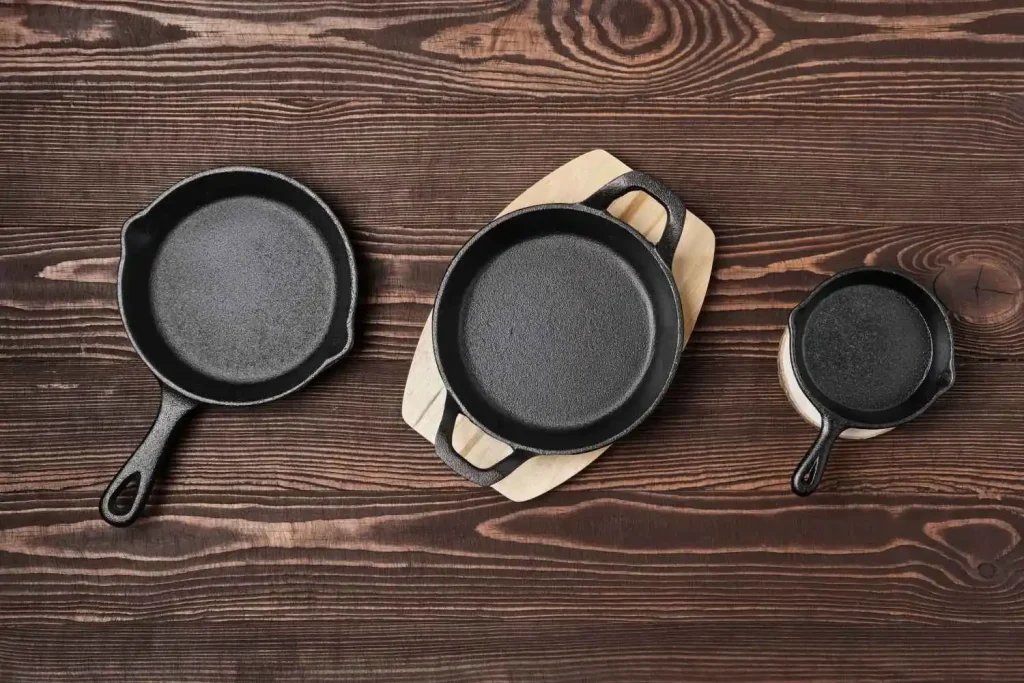
| Cast Iron | Heats evenly, retains heat well, extremely durable | Heavy, requires seasoning, can rust if not cared for |
| Aluminum | Lightweight, good heat conductor, affordable | Reacts with acidic foods, less durable than other materials |
| Non-stick Coating | Food doesn’t stick, easy to clean | Can scratch easily, may release harmful fumes if overheated |
| Stone Coating | Non-stick, durable, easy to clean | Heavier than other non-stick pans, can chip if mishandled |
| Enamel | Non-reactive, easy to clean, comes in many colors | Can chip or crack if dropped, heat conduction can vary |
| Ceramic | Non-stick, doesn’t leach chemicals, comes in many colors | Not as durable, poor heat distribution, can crack |
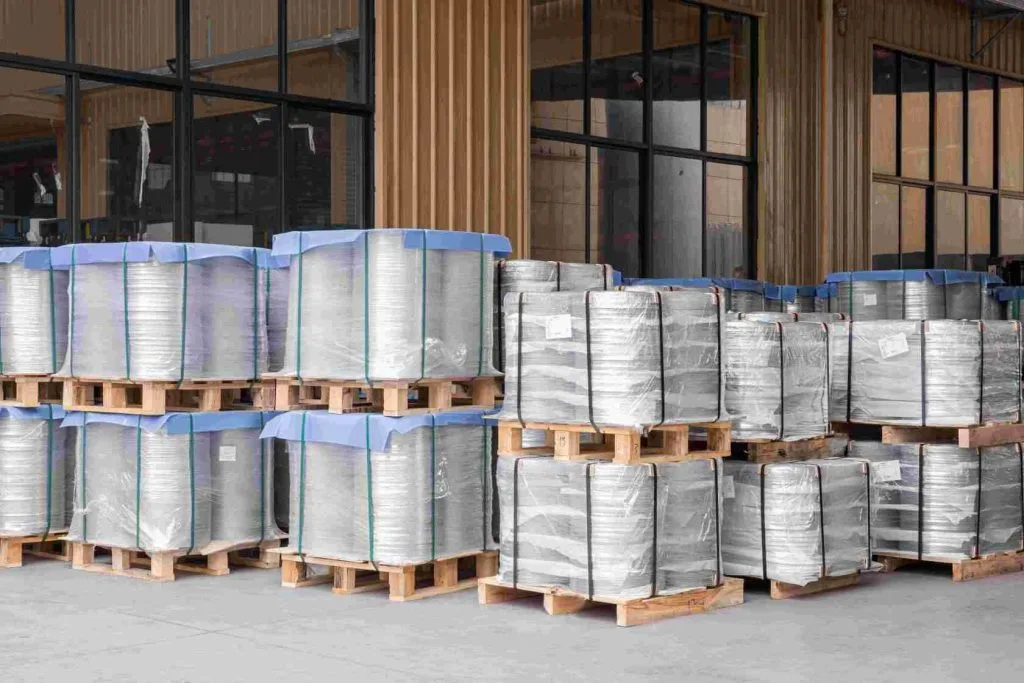
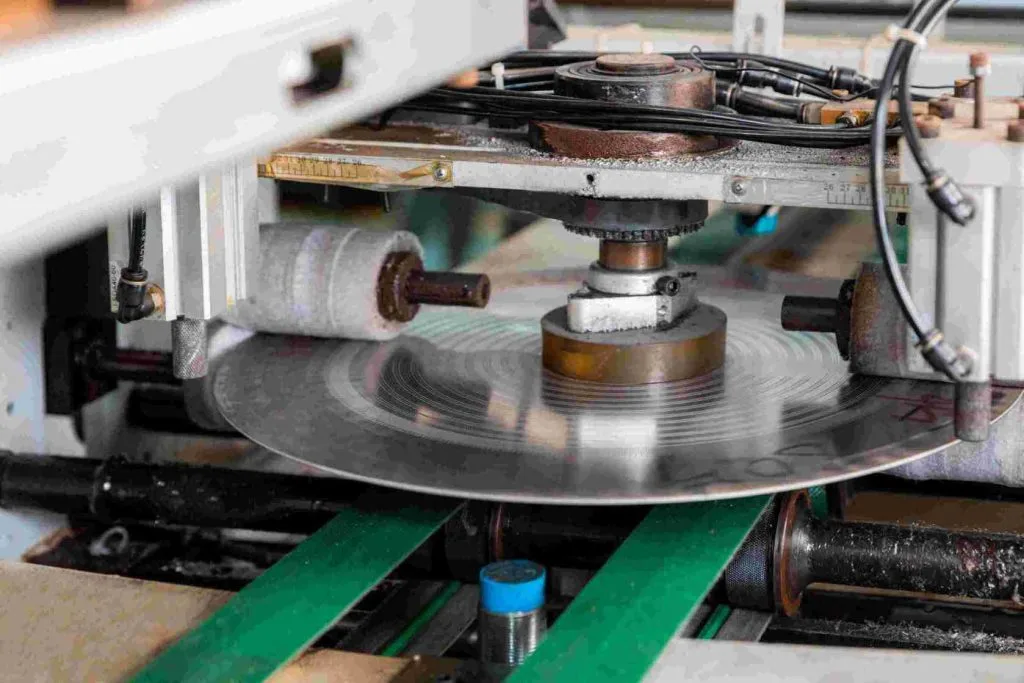
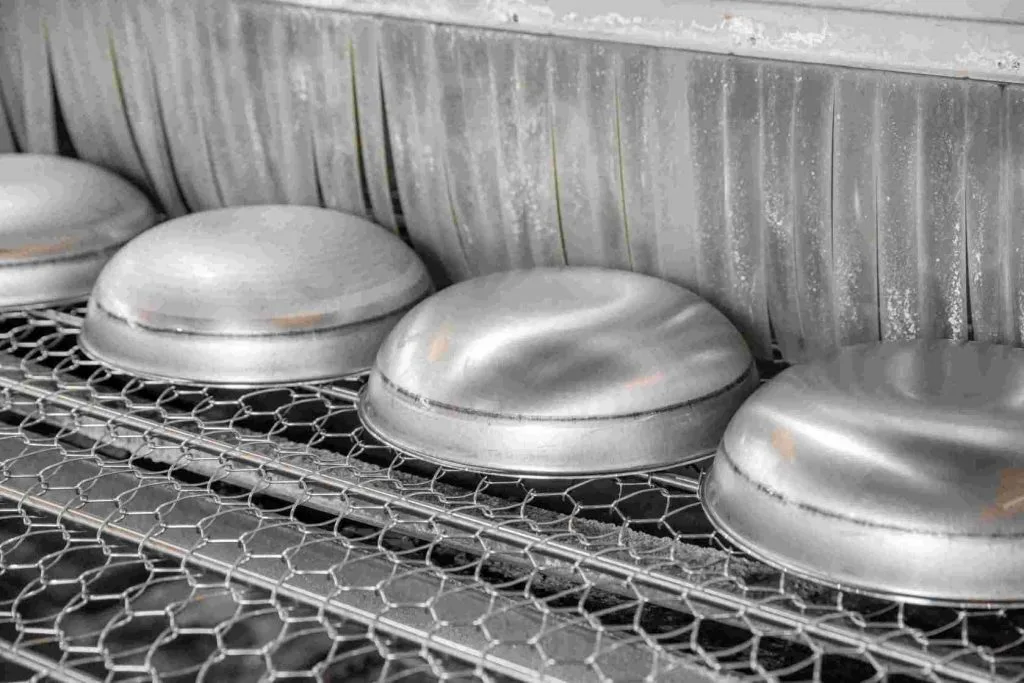
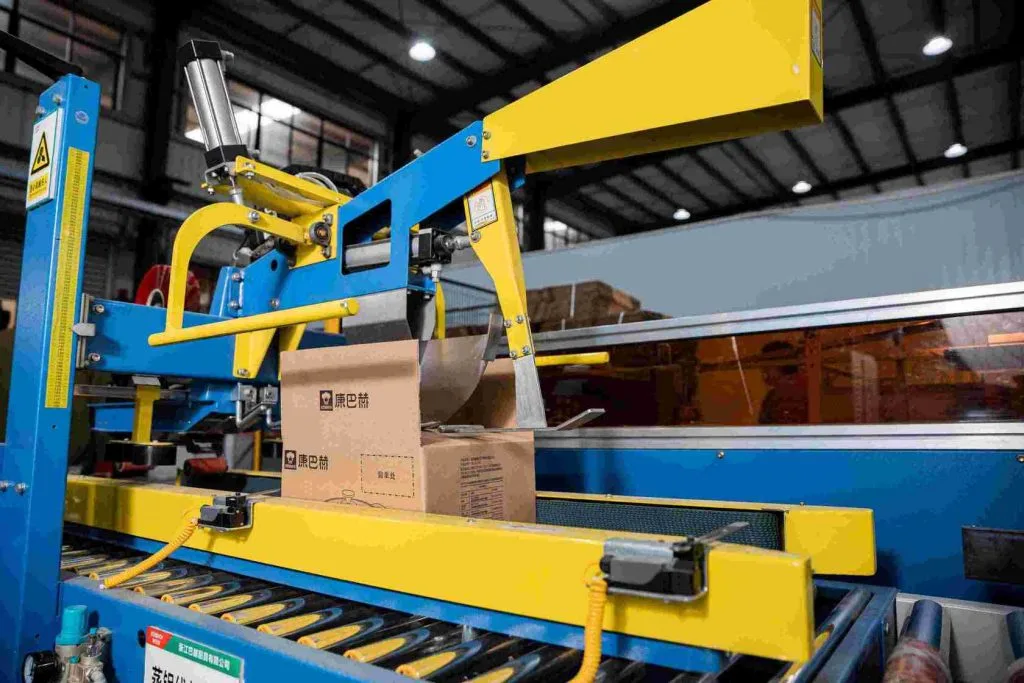
KitchenGuidePro crafts stainless steel saucepans starting with top-grade material, meticulously shaped and thermally enhanced for utmost longevity. The saucepans are designed with custom features, subject to extensive quality checks, and prepared for delivery.
KitchenGuidePro is dedicated to responsible business practices, prioritizing sustainable manufacturing and fair trade. We actively contribute to local communities, ensuring our impact is positive and far-reaching.
KitchenGuidePro follows strict quality guidelines for our stainless steel saucepans. These standards are maintained through comprehensive inspections, precision-driven manufacturing, and all-encompassing performance evaluations.
We critically assess all raw materials, especially the stainless steel for our saucepans, to confirm they align with our high quality benchmarks.
Our saucepans are inspected continuously throughout the production phase to ensure alignment with our stringent specifications.
Each saucepan undergoes a thorough final quality check to certify compliance with all preset quality parameters.
Our stainless steel saucepans are subjected to rigorous performance evaluations, measuring their heat distribution, cooking efficiency, and durability.
Opt for KitchenGuidePro for exceptional stainless steel saucepans, characterized by a balance of superior quality, affordability, and tailor-made features. Our broad cookware collection, led by our superior stainless steel saucepans, delivers unmatched value. Known for our reliability and customer-focused approach, KitchenGuidePro is your strategic partner for all-encompassing cookware solutions.
KitchenGuidePro excels in creating high-quality stainless steel saucepans that comply with strict industry standards.
KitchenGuidePro, as a leading manufacturer and supplier, offers competitively priced products, thereby serving as a cost-effective option for cookware brands seeking value.
KitchenGuidePro provides custom branding and packaging solutions, enabling cookware brands to produce products that reflect their unique needs and aspirations.
KitchenGuidePro offers an extensive variety of stainless steel cookware, including saucepans, making the product discovery process easier for cookware brands.
As a reputable cookware supplier, KitchenGuidePro consistently meets delivery timelines and surpasses customer expectations, demonstrating a solid reputation in the industry.
Here are the answers to some commonly asked questions about saucepans, their usage, and selection process.
A saucepan typically has tall, straight sides and a long handle, ideal for simmering, boiling, and making sauces. On the other hand, a pan is a more generic term and can include various types of cookware with shallow sides, like frying pans and skillets.
It depends on the cooking method. Use a lid when you want to trap heat and steam, such as when simmering or boiling. Leaving the lid off is preferred for reducing sauces or when you want to evaporate excess liquid.
Stainless steel and cast iron saucepans are often considered the healthiest. They are durable, non-reactive, and don’t leach harmful chemicals into your food.
The “best” saucepan depends on your specific needs. However, stainless steel saucepans are widely recommended for their durability, even heat distribution, and versatility in cooking various dishes.
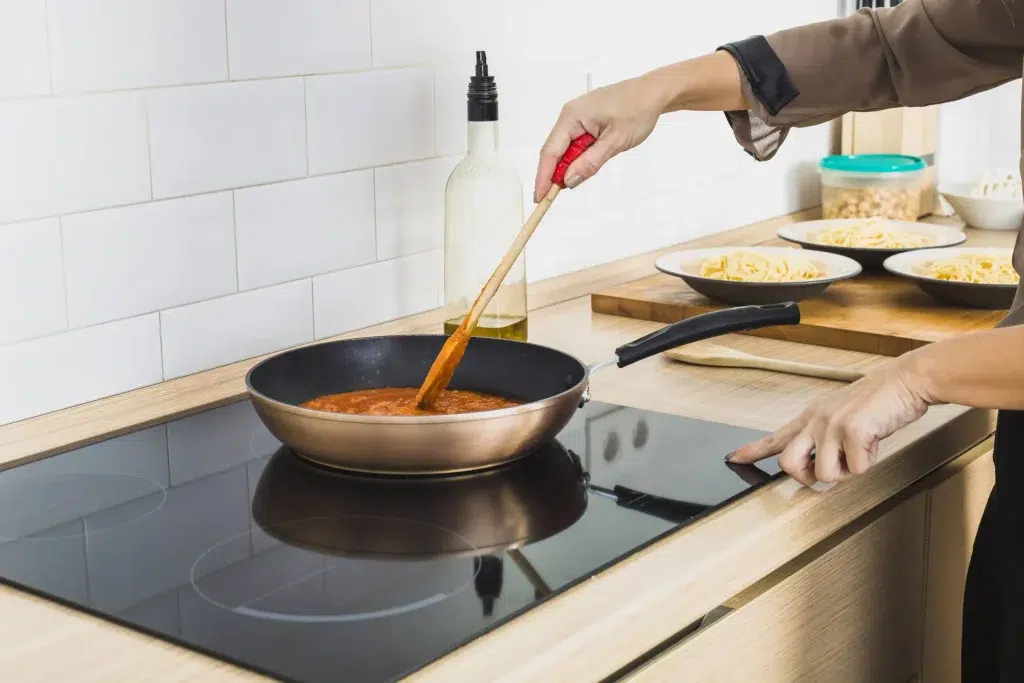
A skillet, also known as a frying pan, has slanted sides and is typically used for frying, sautéing, or searing. A saucepan, with its taller sides and single long handle, is best for liquids and sauces.
Look for a saucepan made of high-quality stainless steel for durability. Consider its size based on your cooking needs, and ensure it has a comfortable handle. If possible, choose one with a thick base for even heat distribution.
Select a manufacturer with a good reputation, positive customer reviews, and a track record for quality. Consider their manufacturing practices, certifications, and whether they offer warranties. It’s also beneficial if they provide transparency regarding their sourcing and production processes.

Learn how to choose, use and maintain aluminum cookware for best performance, durability and value — your complete expert guide.

Dive into our ultimate guide to cast iron cookware. Discover its history, significance in modern cooking, care techniques, and how to choose the best pieces for your kitchen.
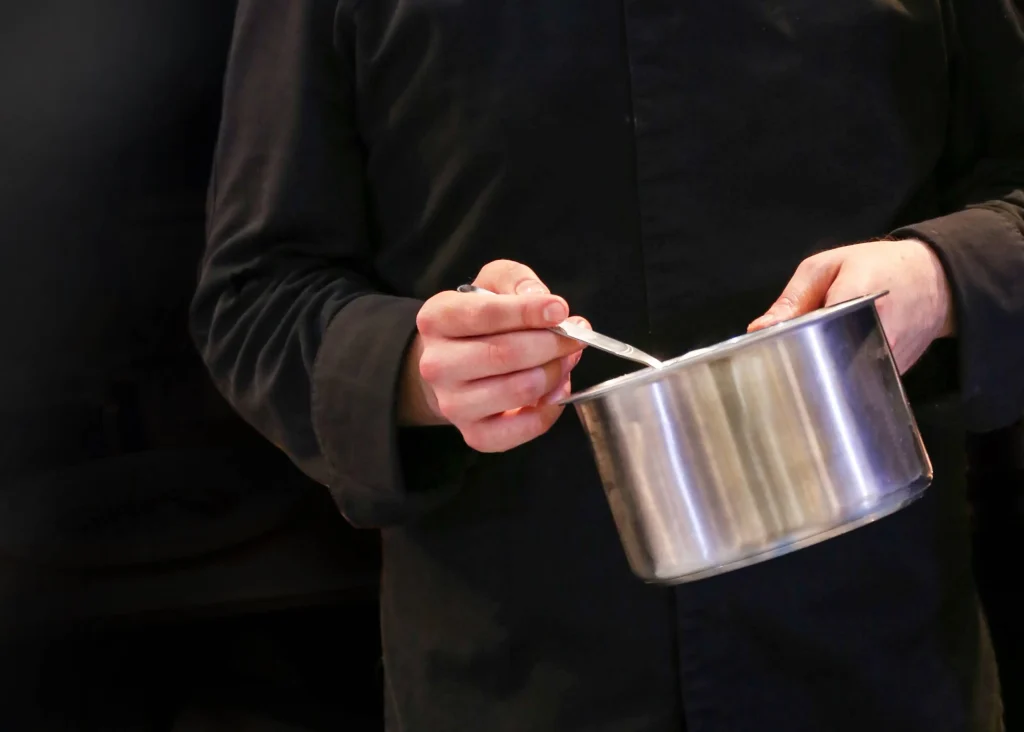
Stainless steel cookware has earned its place as a kitchen essential for both professionals and home cooks.
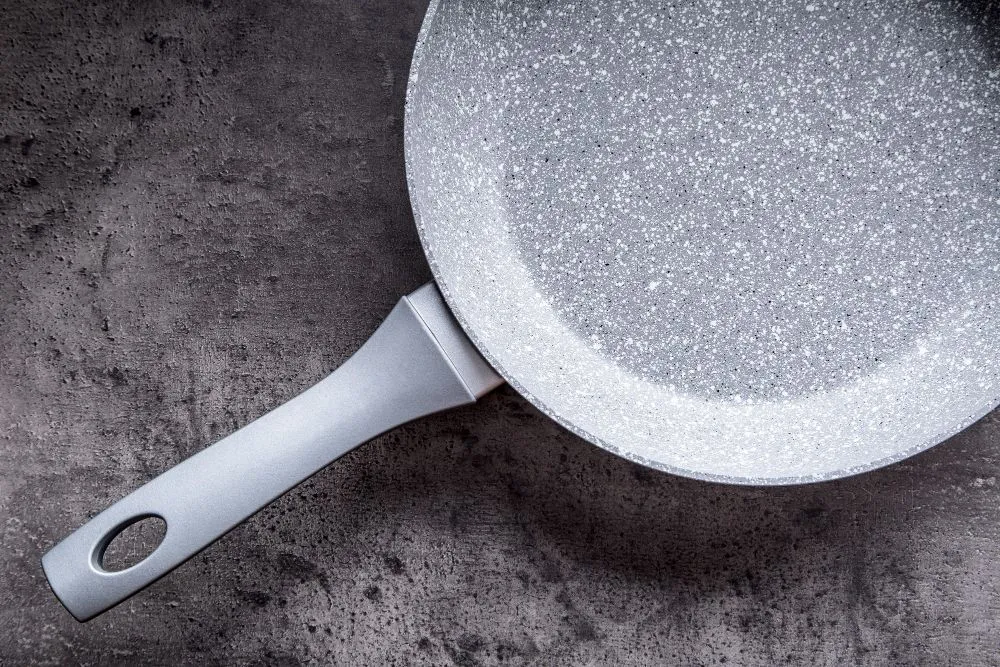
Granite pans are generally safe for cooking, provided they are used at recommended temperatures and their non-stick coating is intact, minimizing the risk of chemical leaching.

The cost of a cookware set varies widely, typically ranging from under $100 for basic sets to over $300 for high-end options, depending on materials, brand reputation, and special features. Consider your cooking needs and budget to find the best value.
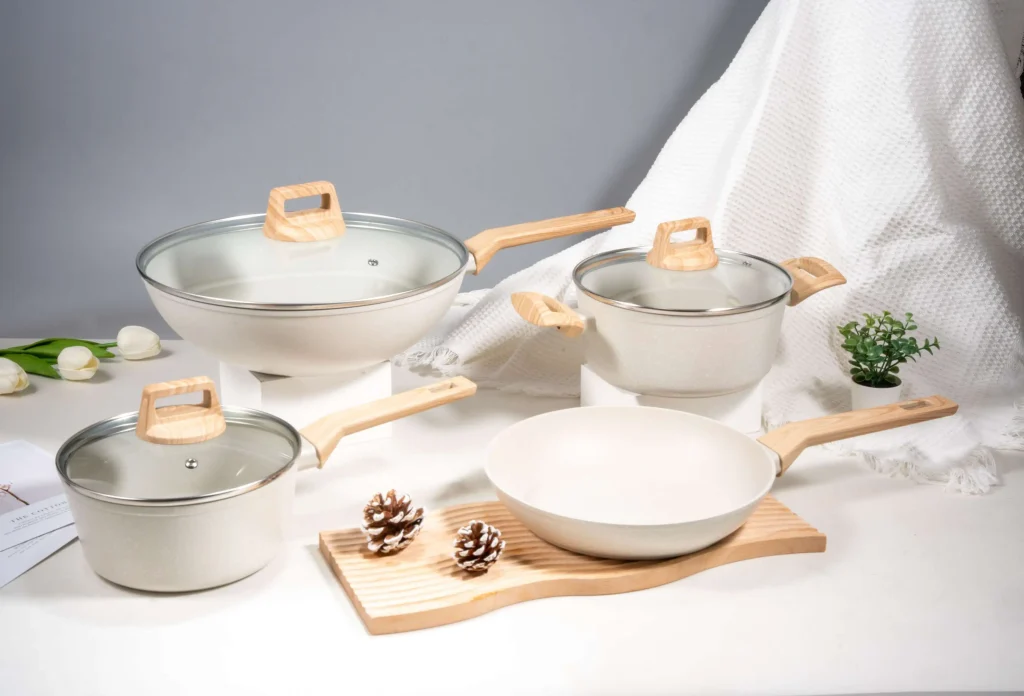
All-Clad, Lodge Cast Iron, Calphalon, Viking Culinary, Made In Cookware, GreenLife, Cuisinart, Farberware, Anolon, Blue Diamond, STAUB, Le Creuset, T-fal