
Hello, it’s Hongcheng Shu from KÖBACH again! Today, let’s tackle a common kitchen conundrum: choosing between cast iron and stainless steel cookware. I’ll be comparing these two popular materials, helping you decide which one suits your culinary style best. Buckle up for this exciting kitchen showdown!
Welcome to this insightful guide where we explore the differences between cast iron and stainless steel cookware. Through this article, you’ll gain a deeper understanding of their unique characteristics, benefits, and drawbacks, helping you make informed decisions about your kitchenware choices.
Setting the Stage: Cast Iron and Stainless Steel in the Kitchen
Let’s embark on this exciting culinary journey, exploring these two prominent players in the cookware industry. Both have unique traits and offer varying benefits to home cooks and professional chefs alike. Whether you’re a cooking enthusiast or a seasoned chef, understanding the differences between cast iron cookware and stainless steel cookware will help you optimize your kitchen performance. So let’s dive in, shall we?

Understanding the Basics: Material Matters in Cookware
Choosing the right cookware material is a vital aspect of your culinary journey. Each material brings unique attributes to the table (quite literally), impacting your cooking and the taste of your food. Let’s take a closer look at our two contenders: cast iron and stainless steel.
Cast Iron: A Timeless Classic
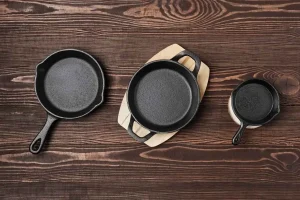
Cast iron cookware, steeped in history and tradition, has an undeniable rustic charm. Its exceptional heat retention makes it ideal for slow-cooking and searing, imparting a unique flavor that food connoisseurs covet. However, it requires a bit of extra care and seasoning to prevent rusting and maintain its non-stick properties.

Stainless Steel: A Modern Marvel
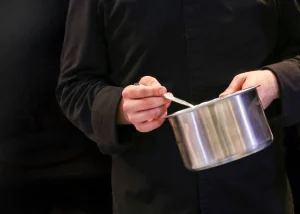
On the other hand, stainless steel is the epitome of modern cookware. It’s incredibly durable, resistant to rust and corrosion, and doesn’t react with food, preserving its natural flavors. Plus, it’s easy to clean, which adds to its appeal for busy cooks. Its main drawback, however, is its uneven heat distribution, often necessitating a core of another metal like aluminum for better heat conductivity. Let’s delve further into these unique attributes in the sections ahead.

Understanding the Basics: Cast Iron vs. Stainless Steel: A Detailed Comparison
As we delve deeper into the characteristics of cast iron and stainless steel, it becomes apparent that each material offers unique advantages. From heat distribution to durability, maintenance, and interaction with food, understanding these differences is key to making an informed decision about the best cookware for you.
Heat Retention and Distribution
When it comes to heat retention, cast iron cookware is a clear winner. Its ability to hold and evenly distribute heat makes it a favorite for recipes that require consistent temperature. On the other hand, stainless steel tends to have hot spots and doesn’t distribute heat as evenly unless it’s bonded with another metal, like aluminum or copper.
Durability and Longevity
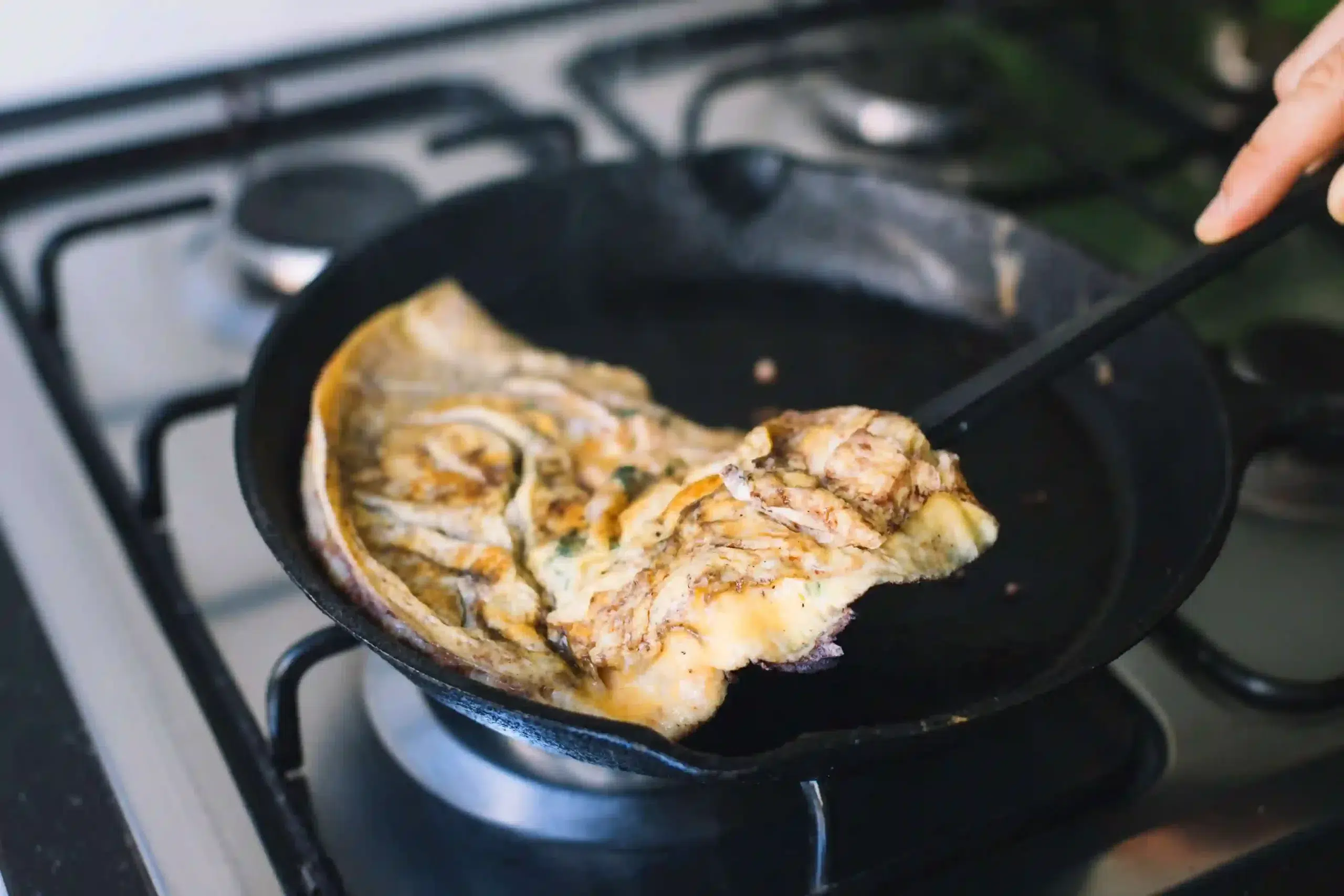
Stainless steel scores high on durability and longevity. It’s resilient to rust, scratches, and dents, ensuring that your cookware looks brand new for years. Meanwhile, cast iron, if properly cared for and regularly seasoned, can literally last for generations. However, it’s prone to rust if not maintained correctly.
Maintenance and Care
In terms of care, stainless steel is more forgiving. It doesn’t require any special seasoning and is usually dishwasher safe. Cast iron, however, requires a bit more TLC. It needs to be seasoned regularly and should be cleaned carefully to prevent rusting and preserve its non-stick surface.

Reactivity with Food Ingredients
Non-reactive nature is one of the most important advantages of stainless steel. You can safely cook any type of food, including acidic ingredients like tomatoes or vinegar, without worrying about metal leaching into your food. Cast iron, on the other hand, can react with certain foods, especially acidic ones, until it’s well-seasoned.
In the following sections, we’ll go through more factors that will help you make an informed decision on which material best suits your cooking style.
Excellent Heat Distribution: Ideal for a Variety of Cooking Styles
Stainless steel is well-known for its excellent heat distribution, which helps to avoid hot spots and ensures even cooking. This feature is particularly useful when cooking meals that require precise temperature control. Whether you’re simmering a delicate sauce or browning a piece of meat, a stainless steel pan provides the consistent heat you need.
Non-reactive Nature: Safely Cook Any Type of Food
Non-reactive is one of the most important advantages about stainless steel. This means that it can be used with acidic foods, which allows you to cook many food without worrying about bad tastes. It makes stainless steel cookware an ideal choice for cooking many dishes.
Low Maintenance: Easy Cleaning
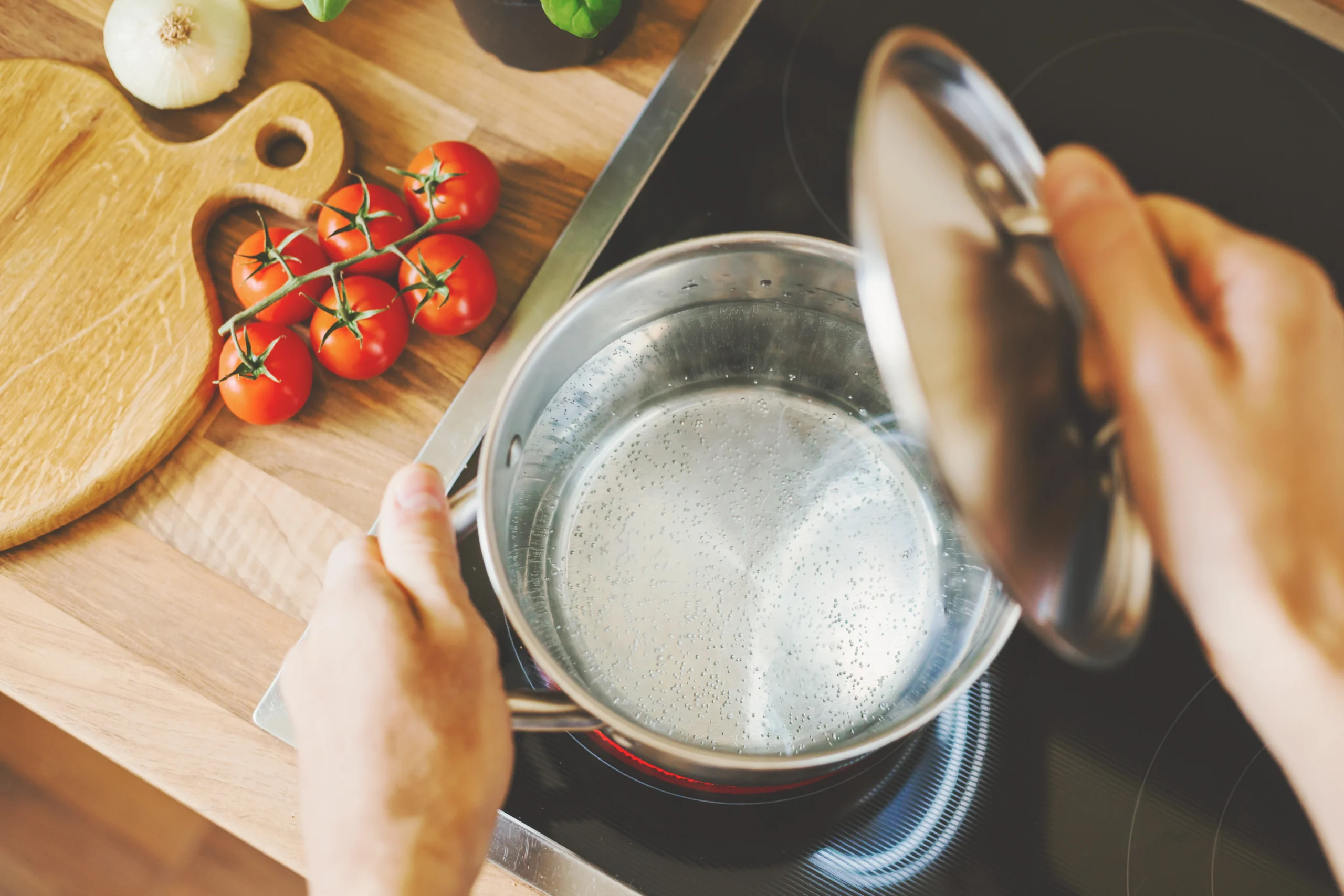
Stainless steel cookware is often favored for its low maintenance. These pans are typically dishwasher safe and easy to clean by hand, saving you time and effort in the kitchen. They don’t require special care like seasoning or avoiding certain types of utensils, adding to their convenience.
The Downsides: Understanding the Limitations of Each Material
While both cast iron and stainless steel cookware have their strengths, they also have certain limitations. Understanding these can help you make an informed choice based on your specific cooking needs and preferences. For example, cast iron cookware requires careful maintenance to preserve its seasoning and prevent rust, while stainless steel can be more prone to sticking if not used properly. Knowing these differences will help you choose the best cookware for your kitchen.

Heat Retention and Distribution
As mentioned earlier, cast iron is renowned for its excellent heat retention and even distribution properties. This feature is a major plus point for slow-cooking recipes that require steady, consistent heat over extended periods. Contrarily, stainless steel might not perform as well in heat distribution unless it’s of the variety bonded with aluminum or copper.
Durability and Longevity
While both cast iron and stainless steel score high on durability and longevity, they have their own strengths. Stainless steel is hard-wearing, resistant to rust, scratches, and dents, retaining its brand-new look for years. Cast iron, though more prone to rust if not properly
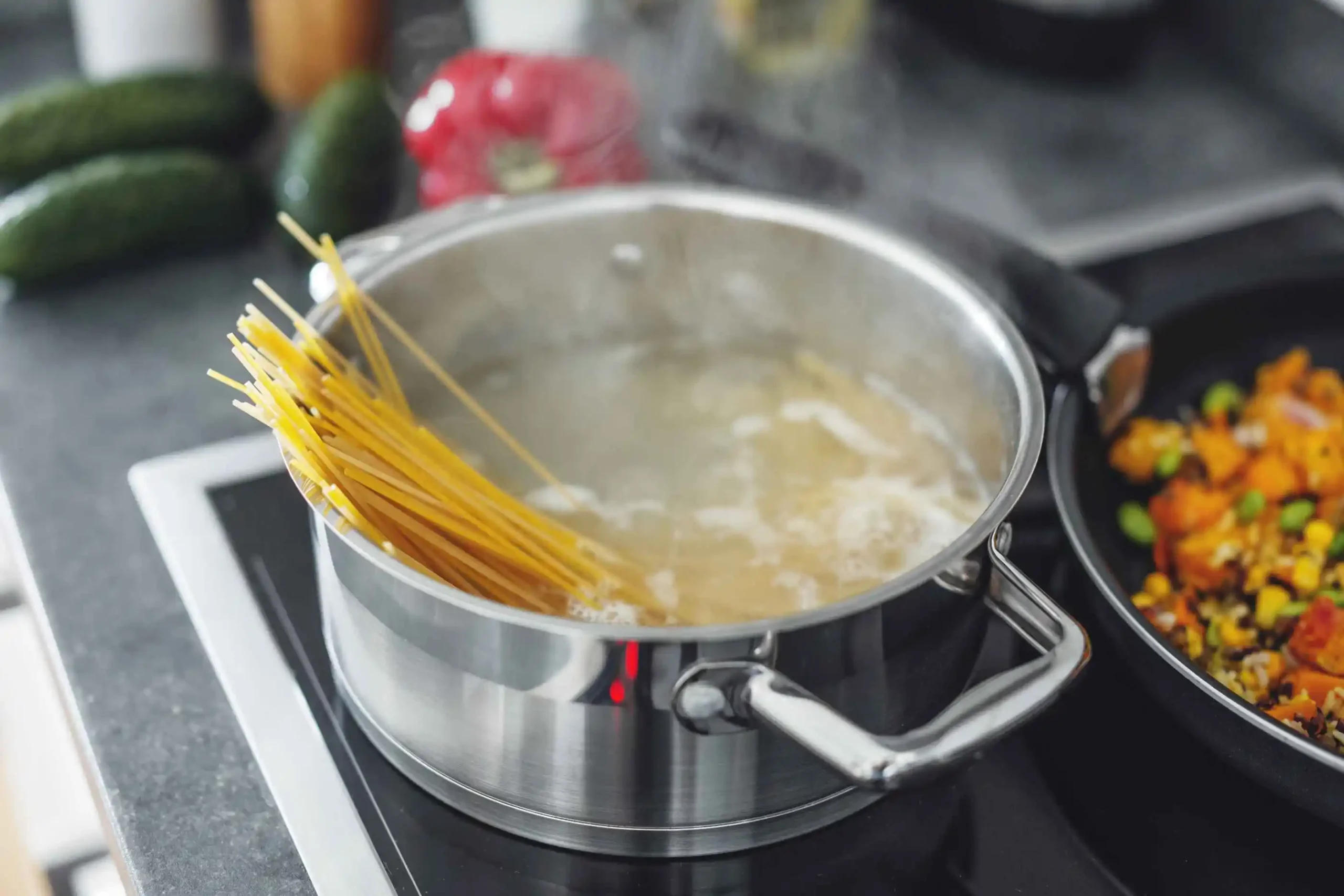
Superior Heat Retention: Perfect for Slow Cooking and Searing
When it comes to slow cooking and searing, cast iron pans are the reigning champions. Their superior heat retention capability ensures that they hold onto heat long after you’ve turned off the flame, making them perfect for meals that need to be served hot. Additionally, the even heat distribution makes them the ideal choice for achieving that perfect sear on your steaks.
Natural Non-stick Properties: A Healthy Cooking Option
A well-seasoned cast iron pan offers a naturally non-stick cooking surface, which cuts down the amount of oil needed for cooking. This feature not only adds to the pan’s convenience but also makes it a healthier choice, especially for those conscious about their calorie intake.
Incredible Durability: A Lifelong Culinary Companion
With proper care can last a lifetime, if not longer, Its solid construction can withstand high heat and frequent use without compromising on performance. This incredible durability makes cast iron cookware a cost-effective choice in the long run, providing years of reliable service.
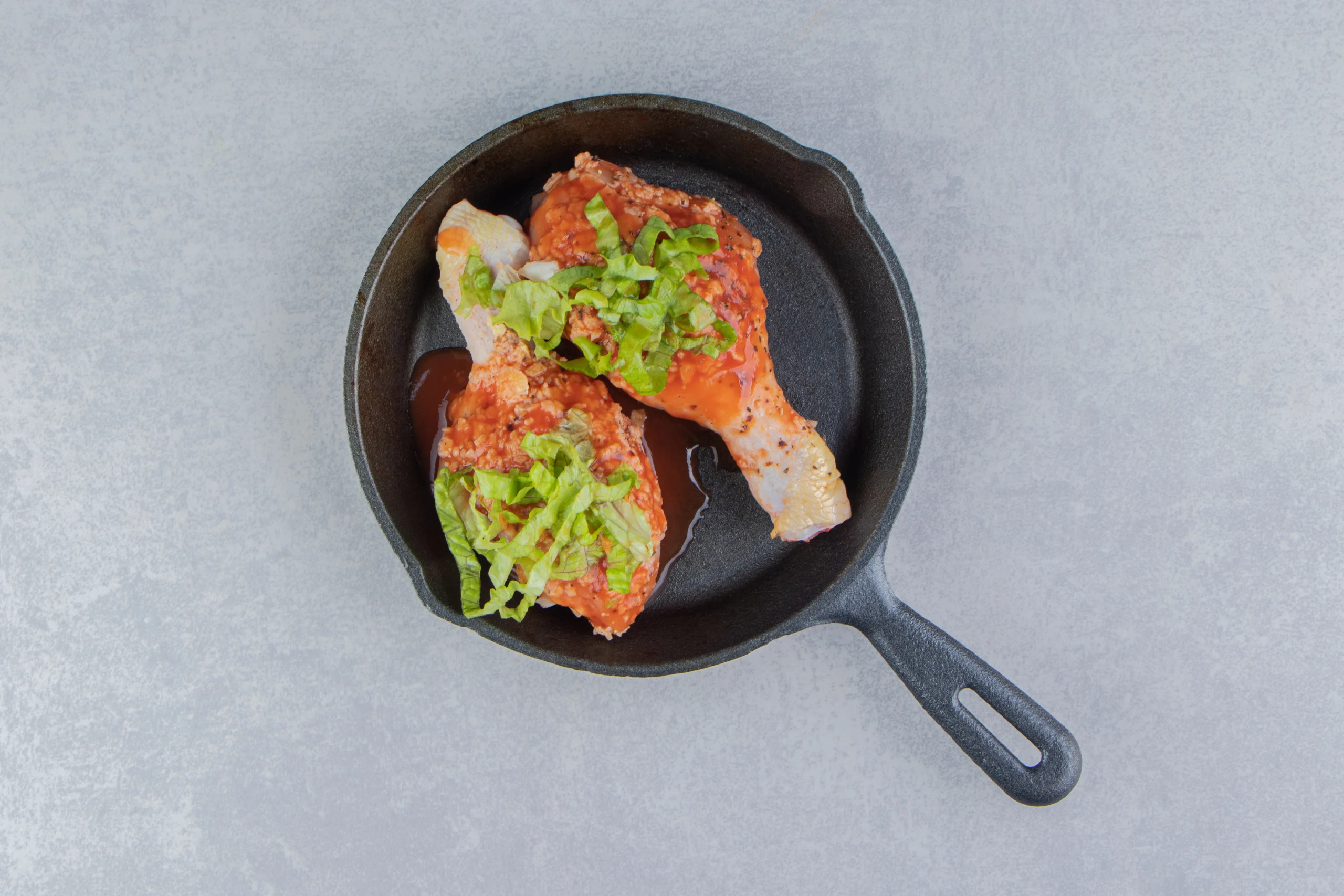
The Strengths of Stainless Steel Cookware
Stainless steel, on the other hand, has its unique set of strengths that make it a popular choice in many kitchens. Its resistance to corrosion, staining, and rust ensures that it retains its shine and sleek look for years. Furthermore, stainless steel cookware is usually dishwasher-safe, making cleanup a breeze. It’s also less reactive with acidic foods, allowing you to cook a wider range of dishes without worry.

Potential Challenges with Cast Iron Cookware
Cast iron, while robust and versatile, does come with a few challenges. First, it’s heavier than many other cookware materials, which can make handling larger pans a workout. Additionally, maintaining the seasoning (the layer of baked-on oil that makes it naturally non-stick) requires some effort. It also reacts with acidic foods, potentially leading to a metallic taste. Lastly, cast iron requires hand washing and careful drying to prevent rust.
Potential Challenges with Stainless Steel Cookware
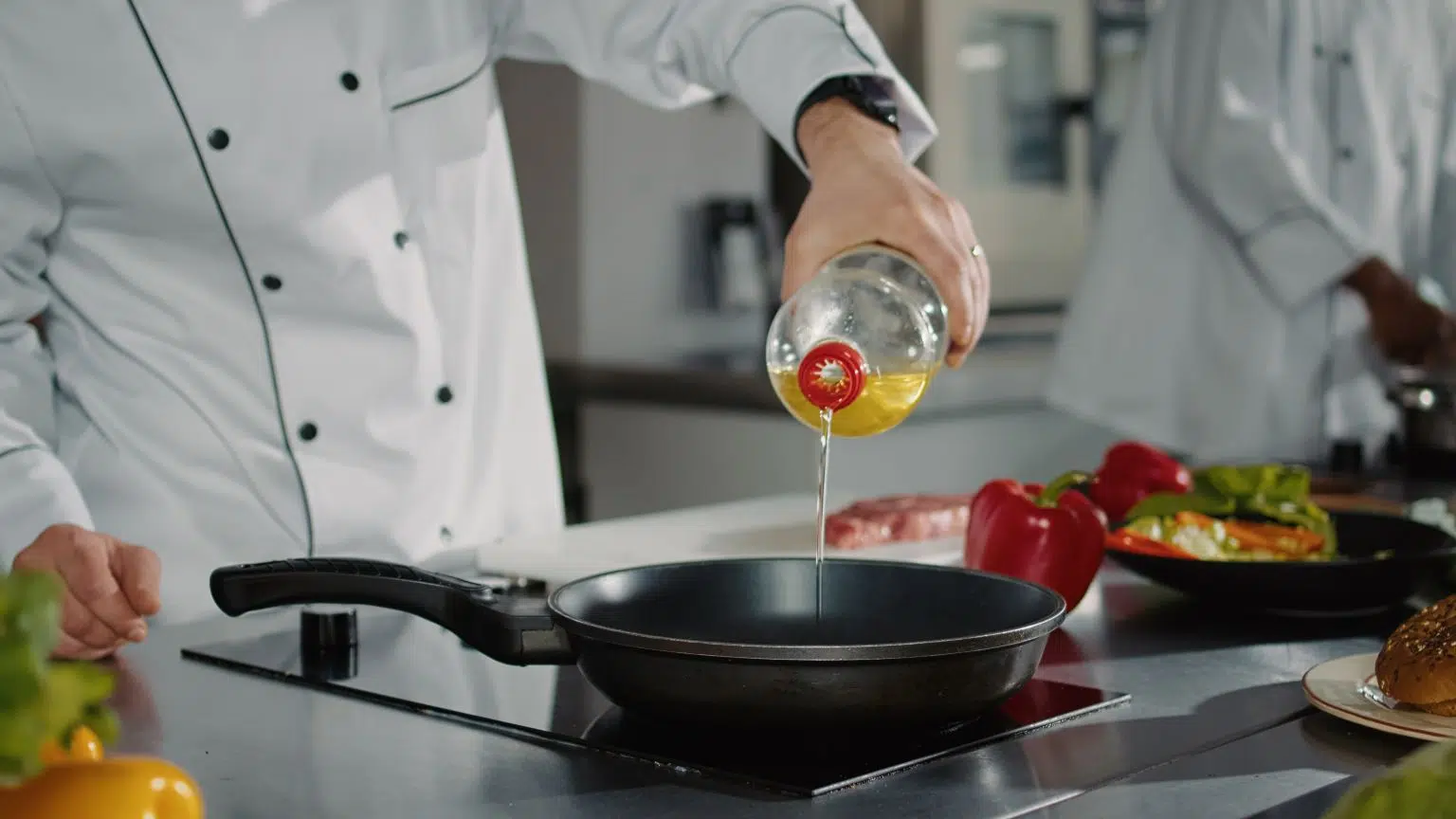
Stainless steel, on the other hand, is much lighter and easier to maintain but isn’t naturally non-stick. This means it requires a bit of oil or butter to prevent food from sticking, which could be a concern for those seeking to minimize fat in their cooking. It also doesn’t retain heat as well as cast iron, so it’s not the best choice for slow cooking methods or holding food warm.
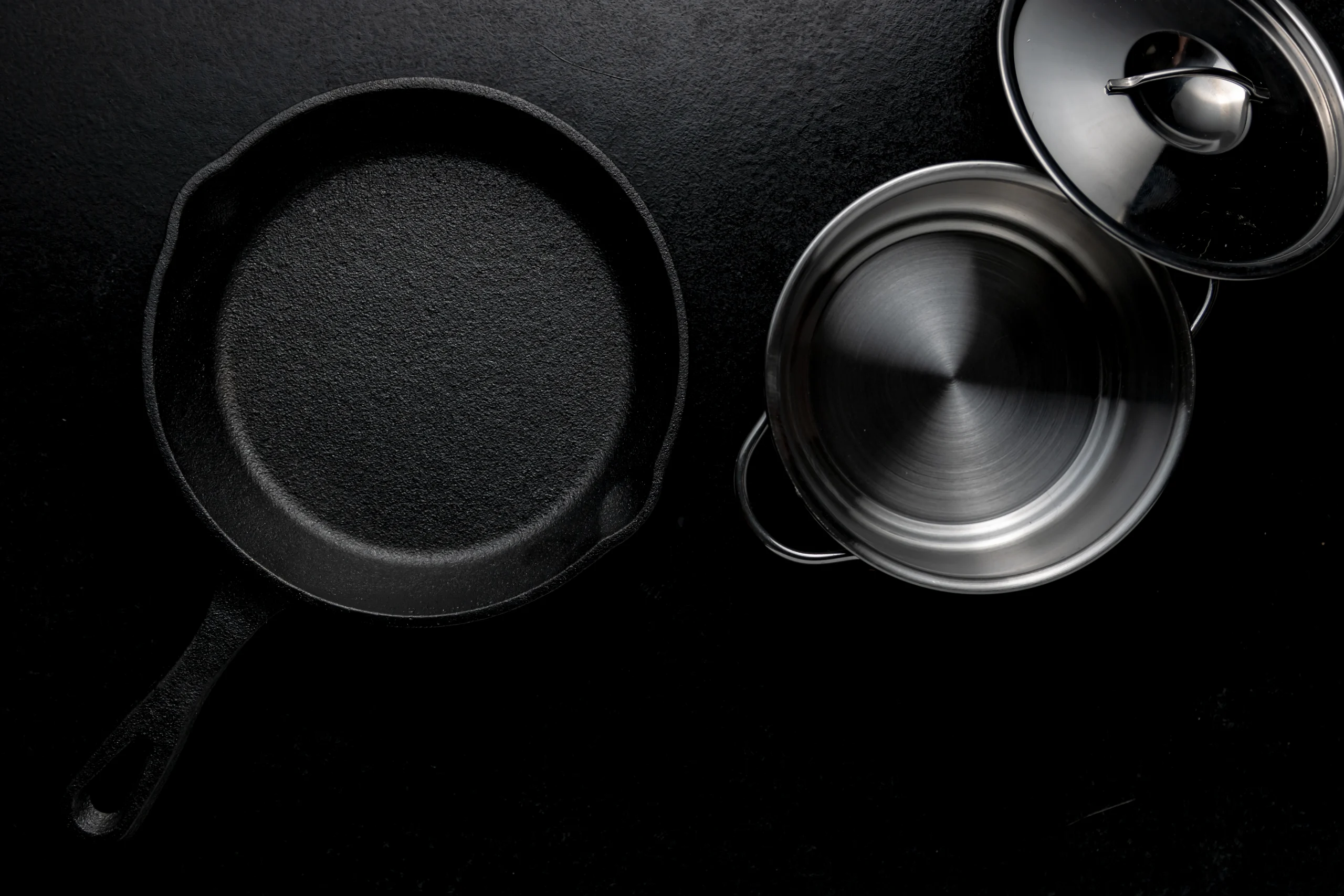
Making the Right Choice: What Suits Your Cooking Style?
In the end, the choice between cast iron and stainless steel comes down to your individual cooking style and preferences. If you love slow cooking methods, like stews and braises, or enjoy the perfect sear on your steaks, cast iron may be your best bet. However, if you value even heat distribution, easy maintenance, and the ability to cook a variety of foods without reaction, then stainless steel could be the way to go. Remember, there’s no right or wrong choice here – just what works best for you in the kitchen!
Considering Your Typical Dishes and Cooking Techniques
Are you a fan of slow-cooked stews, or do you prefer a quick stir-fry? Your typical cooking style plays a significant role in choosing between cast iron and stainless steel. If you often cook dishes that need high heat and long cooking times, cast iron’s superior heat retention would be beneficial. On the contrary, if you frequently cook a variety of dishes requiring different heat levels, stainless steel’s excellent heat distribution might serve you better.
Balancing Cost, Quality, and Convenience
Budget is another vital factor in your decision. Generally, good quality cast iron cookware is less expensive than its stainless steel counterparts. However, you also need to factor in the cost in terms of time and effort for maintenance. While stainless steel is dishwasher safe and easy to clean, cast iron requires more care to maintain its seasoning and prevent rust.
Conclusion:
Choosing between cast iron and stainless steel isn’t about deciding which material is universally better. It’s about understanding the strengths and limitations of each and deciding which aligns with your cooking style, maintenance preferences, and budget. By understanding these key differences, you’re well on your way to making an informed choice about the best cookware material for you. Whether you choose cast iron, stainless steel, or a combination of both, happy cooking!

And there we have it – a closer look at cast iron and stainless steel! Hopefully, this comparison has shed some light on their unique characteristics and benefits. Just remember, whether you go for the hearty feel of cast iron or the sleek performance of stainless steel, both are champions in their own right.
We’d love to hear from you if you have any further questions or thoughts. In our next article, we’ll explore the intriguing process of manufacturing aluminum cookware. Can’t wait to see you then! Keep cooking, and keep exploring!